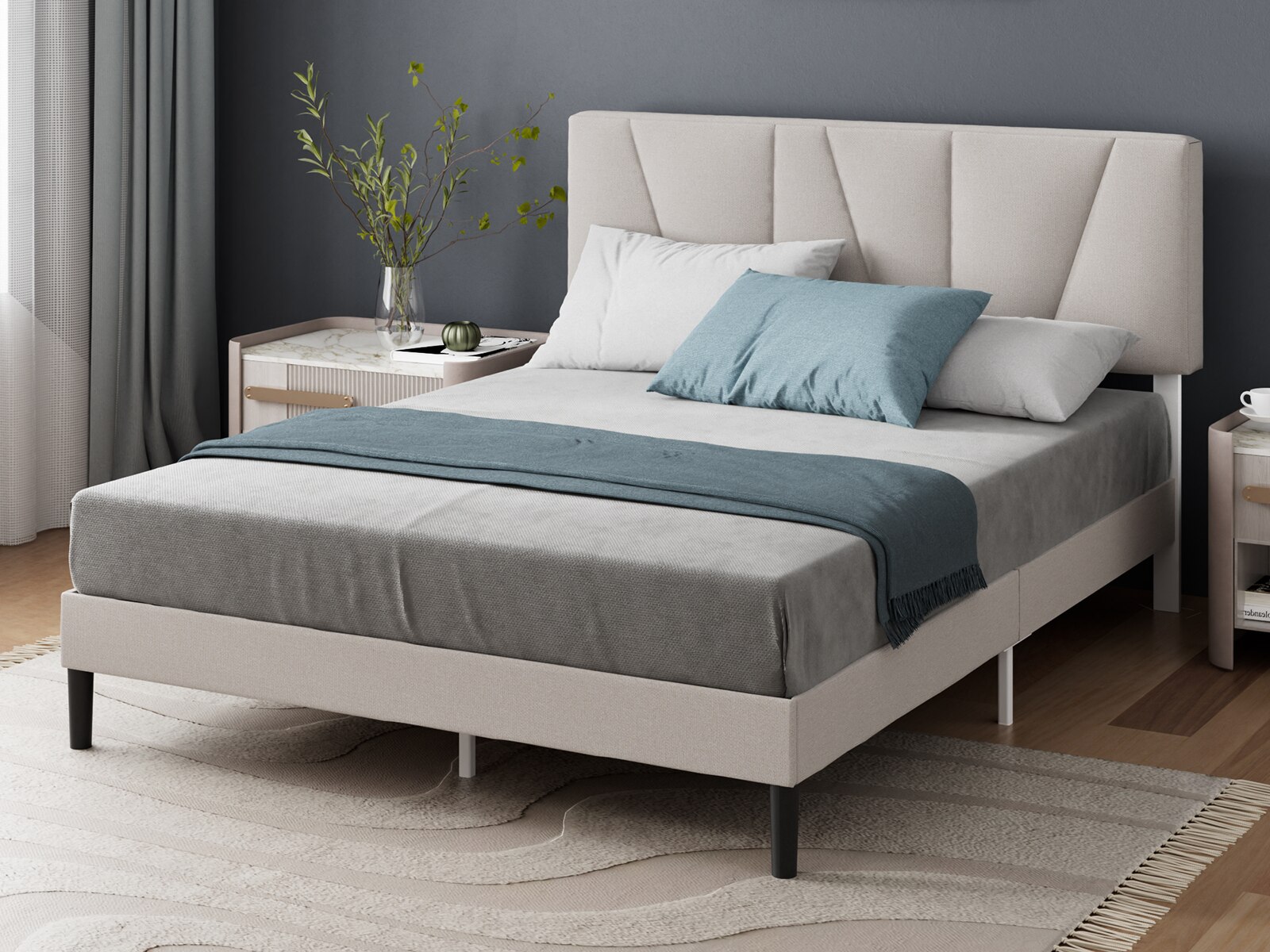
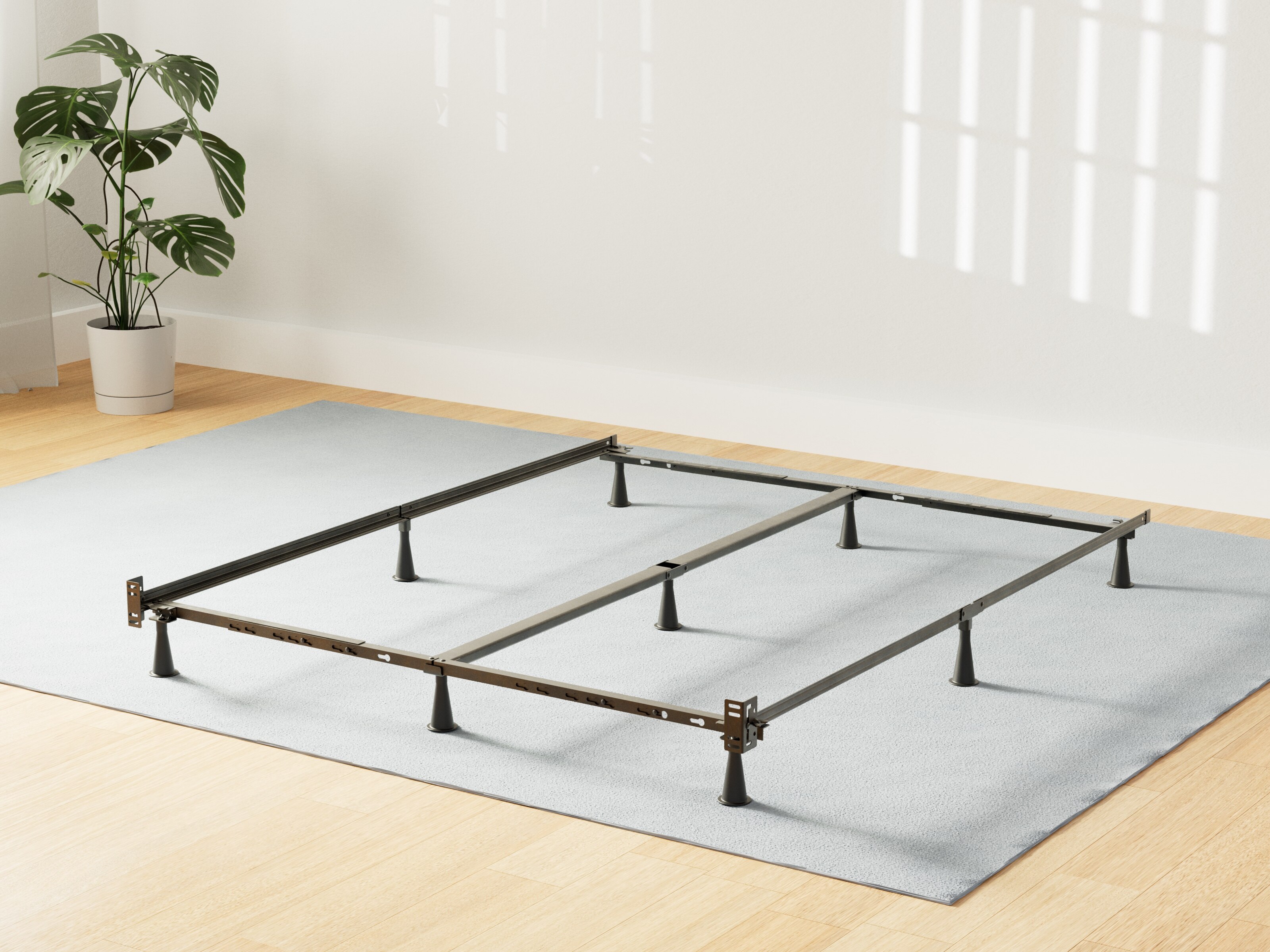
Moveable queen platform beds for apartments combine queen-size mattress support with frame designs that are easier to take apart, fold or reposition when a room layout changes. Their usefulness comes from manageable components and straightforward construction, not necessarily from wheels. Some folding frames collapse after the mattress is removed, while other designs separate into rails, slats and support pieces for transport. Storage drawers may roll out on casters without making the bed itself mobile, an important distinction when comparing portability with everyday convenience. For apartment living, the right balance is a frame that feels stable during sleep yet does not turn every move into a complicated furniture project. A standard queen mattress measures approximately 60 inches wide by 80 inches long, offering room for two adults or extra space for someone who likes to stretch out. The frame’s outside dimensions are equally important: upholstered sides, projecting legs and a substantial headboard can extend beyond the mattress footprint. In a bedroom shared with a desk, dresser or reading chair, those extra inches affect how comfortably the room works. A slim profile can leave a clearer path from the doorway to the closet, while an open area beneath the bed creates useful storage without adding another cabinet. Getting the frame into the apartment deserves the same attention as fitting it beside the nightstands. Narrow stair turns, elevator openings and interior doorways make the size of the largest individual component especially relevant. A frame that comes apart into smaller sections may be more practical than a lighter frame with a large, rigid platform. For someone who expects to change apartments, rearrange a studio or turn a home office into a sleeping space, moveability is less about shifting the bed every day and more about having furniture that can adapt without sacrificing reliable mattress support. Thoughtful proportions help preserve the feeling of a bedroom rather than leaving only a narrow route around the mattress.
Materials and construction influence both that flexibility and the bed’s everyday feel. Steel frames often have slender profiles and may separate into compact sections, although their weight depends on the thickness and amount of metal used. Solid wood brings visible grain and a substantial appearance, while engineered wood offers other finish and construction options. Neither material alone determines durability; secure connections, well-supported joints and a design suited to repeated assembly matter just as much. Upholstered frames add a softer-looking finish, but padded side rails and headboards can increase bulk during a move. Platform beds generally support a mattress without a box spring, using slats or a solid deck, but the mattress manufacturer’s foundation requirements still apply. Slat spacing, center support and the condition of the supporting surface all deserve attention, particularly with a heavier mattress or two sleepers. Where a frame includes center legs, those legs need firm contact with the floor as directed by its assembly instructions. Weight limits also need careful interpretation, including whether the stated capacity accounts for the mattress as well as the people using it. Comfort depends partly on the finished height: a low platform topped with a thinner mattress feels quite different from a taller frame paired with a thick mattress. A comfortable sitting position at the edge can make daily use easier, especially when putting on socks or getting into bed. The same emphasis on practical proportions makes
Space Saving Queen Platform Beds relevant to bedrooms that need to do more than hold a mattress. Underbed clearance can accommodate shallow containers for extra linens or clothing, while integrated drawers keep belongings close at hand. Drawer access requires open floor space, however, so a bed positioned tightly beside a wall may benefit more from storage accessible at the foot or the opposite side. Storage works best when it remains easy to reach without crowding support legs or obstructing ventilation.
A moveable queen platform bed can suit a first apartment, a shared bedroom or a studio where the sleeping area sits within sight of the living space. In an open layout, a simple frame with a finished appearance on exposed sides can look at home away from a wall. In a separate bedroom, a removable headboard or a frame with fewer projecting parts may make future rearrangements more manageable. These are practical distinctions for someone balancing a full-size sleeping surface with room for exercise, work or a small dresser. Portability also depends on how the frame is handled over time. A folding mechanism should be used only as its instructions allow, and a bed intended to be disassembled should not be dragged across the floor fully assembled. Removing the mattress, bedding and stored belongings before moving reduces the load and makes individual sections easier to control. Large or awkward components may still require another person, even when the frame is described as lightweight. Keeping fasteners together in a labeled container and retaining the assembly instructions can save considerable frustration at the next address. Once reassembled, properly secured connections and correctly positioned supports help restore the frame’s intended stability. Routine care is usually straightforward but varies by finish: metal and finished wood often need gentle dusting and a lightly damp cloth when permitted, while upholstery may call for vacuuming and fabric-specific cleaning methods. Excess moisture and harsh cleaners can damage surfaces, so the manufacturer’s care directions take priority. Protective pads appropriate for the flooring can help reduce marks, provided they do not interfere with the frame’s footing or any locking mechanisms. Periodic checks for loose hardware, damaged slats or worn connections are especially worthwhile after a move. A bed that suits apartment life should support both restful nights and ordinary changes—a new room arrangement, a different address or simply the need to reach the floor beneath it—without making the bedroom harder to live in.