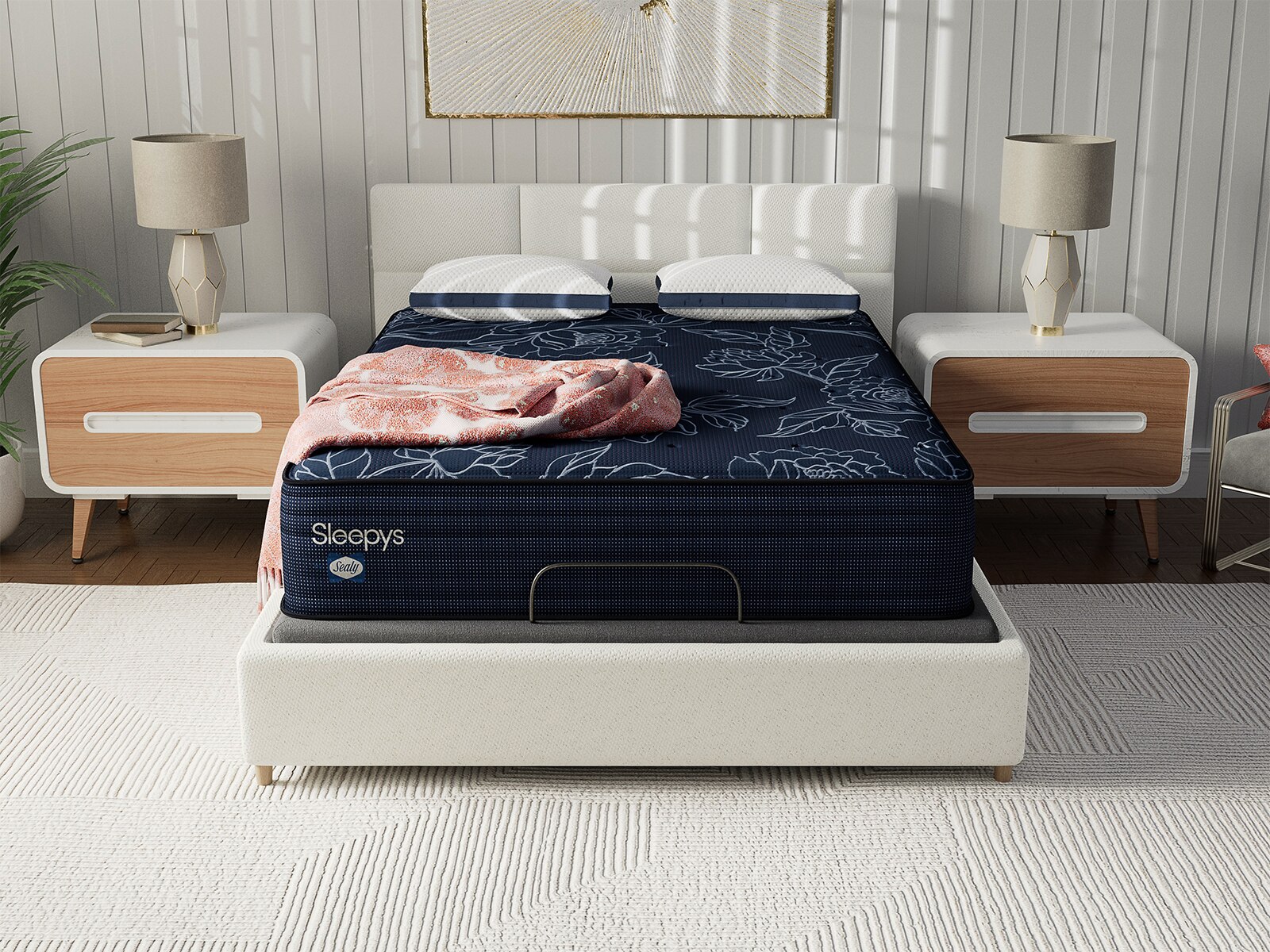
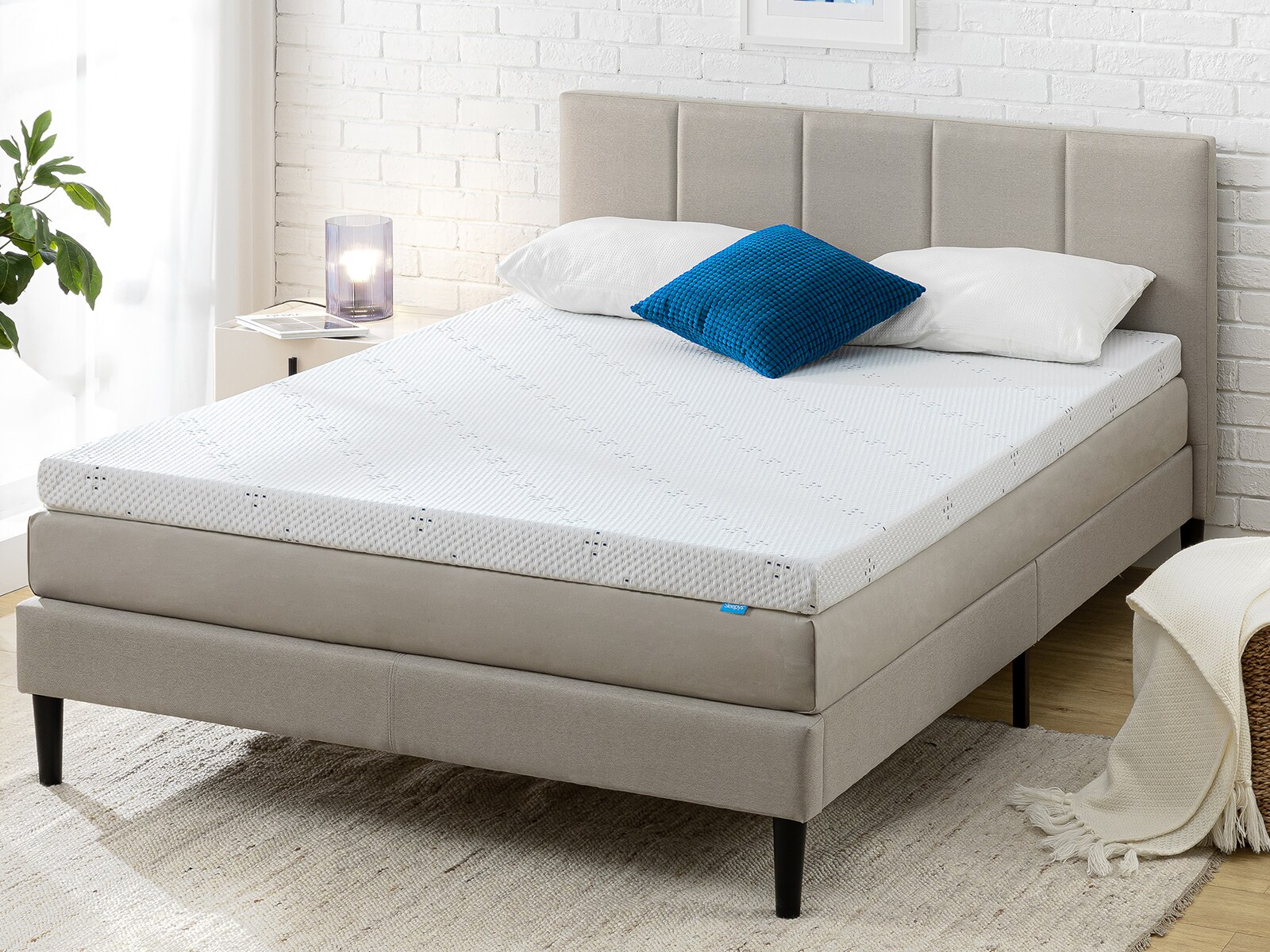
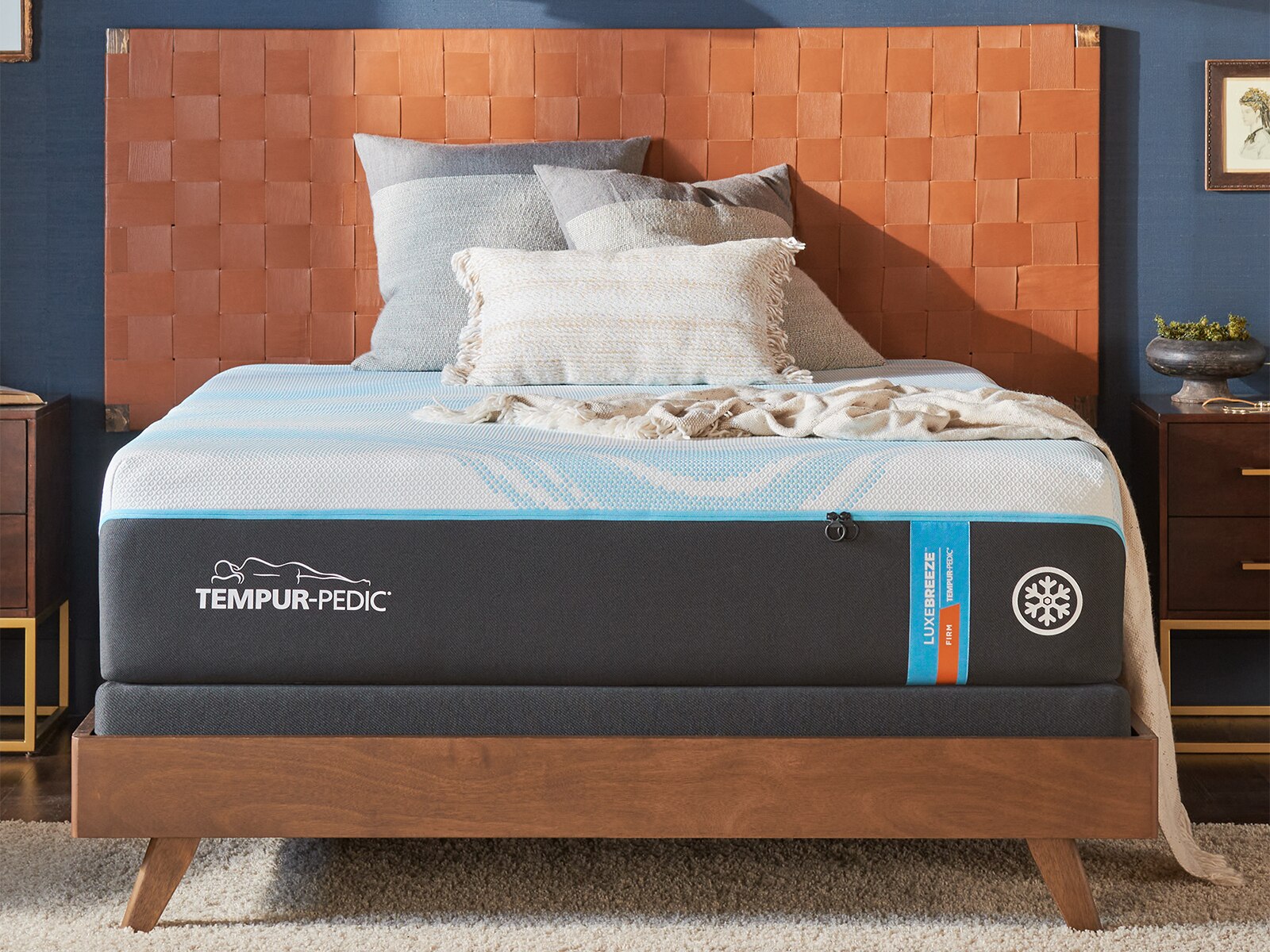
Pillow top mattresses for summer combine a cushioned sleep surface with construction features that can help manage warmth and moisture. A breathable cover, ventilated comfort layers and a pocketed coil support system are useful features to consider when a soft surface and less heat buildup are both priorities. The pillow top is an additional cushioning layer at the surface of the mattress, often recognizable by a visible seam separating it from the layers below. A Euro top has a similar purpose but is sewn flush with the mattress edges for a more squared-off appearance. Neither construction is automatically cooler; the materials inside, the thickness of the cushioning and the surrounding bedding all influence how the mattress feels overnight. Cotton and lyocell fabrics can contribute to breathability and moisture management, while perforated foam creates pathways for air movement within a comfort layer. Pocketed coils leave more open space within the support core than a solid foam core, although the layers above them still affect how readily heat and moisture move away from the sleeper. Some covers also incorporate phase-change material, or PCM, which absorbs and releases heat within a particular temperature range to help moderate surface temperature. That effect is not the same as continuous refrigeration, and a cool initial touch does not guarantee an equally cool feel throughout the night. Gel-infused foam may also be part of a temperature-conscious design, but gel alone is not enough to predict cooling performance. For someone who enjoys the gentle cushioning of a pillow top but often pushes the covers aside, the most useful combination is a breathable surface, cushioning that does not allow excessive sinking and a supportive interior. Those elements can create a more comfortable setting for summer sleep without requiring a mattress that feels hard or thin. The goal is a comfortably cushioned surface that works with the sleeper’s needs, rather than softness at the expense of support.
The right feel depends on sleep position, body size and how much contouring feels comfortable. A side sleeper may appreciate a pillow top that cushions the shoulder and hip while the underlying mattress supports the waist. A back sleeper often needs enough surface give to settle comfortably without allowing the pelvis to sink disproportionately. Stomach sleepers generally benefit from a more restrained cushion over a supportive core, since deep sinking around the middle can make a comfortable resting position harder to maintain. These are starting points rather than fixed rules: two people can experience the same mattress differently, particularly when their body sizes or preferred sleeping positions differ. Pillow top describes the surface construction, not a single firmness level, so a mattress with this finish can feel gently cushioned, medium or relatively firm. Memory foam tends to contour closely and respond gradually, while latex and some other cushioning foams can feel more buoyant and make repositioning easier. That distinction matters for someone who changes positions frequently or dislikes feeling nestled deeply into the surface. Couples may also want to consider motion isolation, which can help reduce the disturbance caused by a partner turning over or getting out of bed. Individually wrapped coils and cushioning layers can contribute to that performance, though the complete construction matters more than any one component. Edge support is another practical consideration, especially when sharing a smaller sleep surface or sitting at the bedside to put on shoes. Mattress size should leave enough room for each sleeper to stretch and reposition comfortably, with space around the bed for everyday movement. A queen or king may give partners more room to spread out, but a larger mattress is not a cooling feature by itself. For summer comfort, the more meaningful consideration is whether the mattress supports a relaxed position without excessive enveloping, while leaving enough usable space for each person’s preferred way of sleeping.
Daily care and bedding choices help preserve the comfort of a pillow top mattress beyond summer. The extra cushioning can increase the overall mattress height, so checking the full depth before choosing fitted sheets helps prevent corners from slipping loose or fabric from pulling tightly across the surface. A fitted sheet should stay secure without compressing the pillow top into a taut, less forgiving layer. Lightweight cotton percale or breathable linen bedding can complement a temperature-conscious mattress, while multiple dense layers may make its cooling features less noticeable. A mattress protector adds a barrier against spills and everyday moisture, but its construction matters: a thick, heavily padded protector can change both the feel and the way heat moves through the sleep surface. Follow the protector’s care directions and allow all bedding to dry completely before remaking the bed. Pairing the mattress with
Pillows For Summer also brings attention to the area around the head and neck, where pillow fill, cover fabric and loft influence comfort. Pillow height should suit the sleeper’s position and account for how far the shoulder settles into the mattress, rather than simply matching the bed’s plush appearance. For the mattress itself, use the foundation or platform specified by the manufacturer, including any required center support or slat spacing. Rotate only as directed, and do not flip a mattress unless its care instructions identify it as two-sided. Address spills promptly using the recommended cleaning method, avoid saturating the cushioning and remember that a removable cover is not necessarily machine washable. Over time, cushioning can soften and develop impressions; material quality, construction, use and support all influence how that process unfolds. Foam density is different from firmness, so a softer surface is not automatically less durable. Whether furnishing a primary bedroom, a summer retreat or a guest room, a well-matched pillow top mattress should offer comfort that makes sense beyond a single season. Thoughtful support, suitable bedding and consistent care help keep its inviting surface practical for everyday sleep.