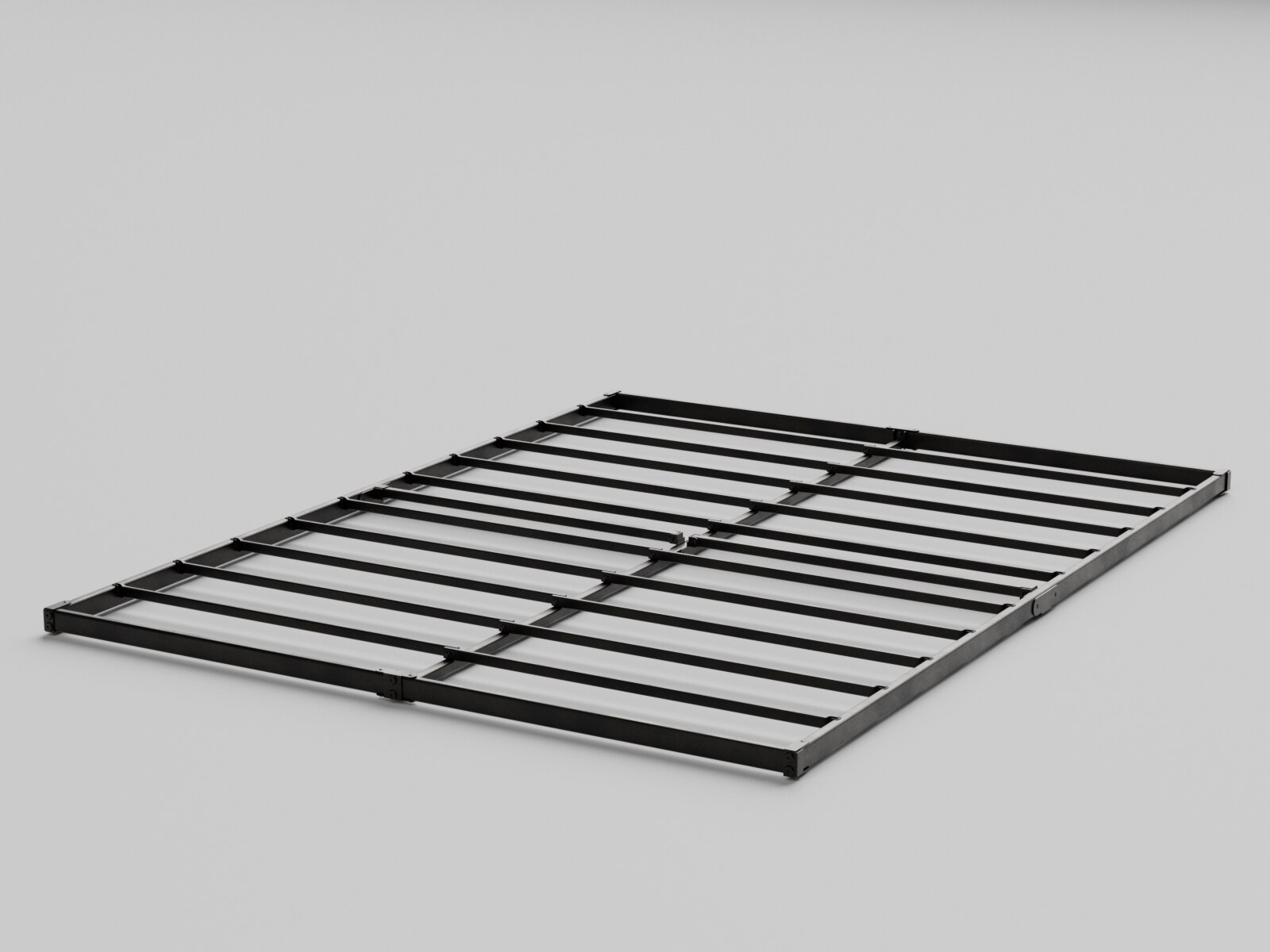
Platform beds for small bedrooms combine a mattress-supporting base with a streamlined frame, making it easier to create a comfortable sleep space without adding unnecessary bulk. Most are designed to support a compatible mattress directly on slats or a solid deck, so a separate box spring is usually not needed. That simpler setup can reduce overall bed height and leave more of the wall visible, helping a compact room feel less crowded. The actual floor space a bed occupies still depends on its outside dimensions, not just the mattress size. A wide upholstered border, projecting footboard or substantial headboard can extend beyond the sleeping surface, while a frame with narrow rails may fit more neatly beside a dresser or bedroom door. Standard twin mattresses typically measure about 38 by 75 inches, full mattresses about 54 by 75 inches and queen mattresses about 60 by 80 inches. The frame itself will generally be larger, making its listed measurements especially important in a room where every inch matters. A twin can leave room for a desk in a multipurpose bedroom, while a full offers a wider sleeping surface without taking up as much space as a queen. A Twin XL provides additional length for a taller sleeper while keeping a narrow mattress width. For two people sharing a compact bedroom, mattress size deserves equal consideration alongside access to both sides of the bed. Comfortable pathways, an unobstructed closet door and enough room to open dresser drawers often matter more than fitting the largest possible mattress into the room. A low-profile platform can create a visually open arrangement beneath a window or sloped ceiling, although the mattress and frame together determine the finished sleeping height. A lower bed is not automatically easier to use; a height that lets the sleeper sit comfortably and stand without strain is a more practical fit for everyday life.
Materials and construction shape both the appearance and everyday performance of a small-space platform bed. Wood frames bring visible grain and texture into a room, with slimmer rails and tapered legs offering a less substantial look than broad panels. Metal frames can provide an open silhouette that leaves flooring and surrounding walls visible, which can be especially useful beside a narrow walkway. Upholstered frames add a soft-looking finish and a comfortable backdrop for sitting up with a book, but padded edges may increase the overall footprint. A compact upholstered headboard can serve that purpose without overwhelming the wall behind it. Durability depends on the complete structure rather than the material name alone. Secure connections, properly installed hardware, adequate center support and evenly supported slats all contribute to a stable foundation. Larger frames may include center legs that need firm contact with the floor, and the stated weight capacity should accommodate the mattress and everyone using the bed. Mattress compatibility is just as important as frame size. Foam and latex mattresses often need closely spaced slats, with the maximum permitted gap determined by the mattress manufacturer. Other mattress constructions can have their own foundation requirements, so matching the support surface to those specifications helps avoid uneven support and potential warranty concerns. A solid platform may also have ventilation requirements that differ from those of an open slatted base. Adding a box spring to a platform designed for direct mattress support can raise the sleeping surface considerably and may not be appropriate for the frame. Assembly details matter in compact homes, too. Frames that arrive in separate components can be easier to move through a narrow hallway or around a tight staircase, but package dimensions, component weight and space for assembly still deserve attention. A well-fitted frame should support the mattress securely without leaving an excessive gap around its edges.
Storage features can make platform beds particularly useful in bedrooms that have limited closet or dresser space. An open base with enough clearance can accommodate low storage containers for extra sheets, shoes or folded clothing, keeping those belongings close without adding another piece of furniture. Clearance needs to account for the full height of the container, including its lid and handles, as well as any center legs that divide the space underneath. Integrated drawers offer a more enclosed appearance, but their usefulness depends on having enough room beside or at the foot of the bed to pull them open. A drawer that faces a wall or catches against a nightstand adds little practical storage. Lift-up storage designs use the area beneath the mattress differently and may suit layouts where side clearance is limited, provided the mechanism, mattress weight requirements and operating space fit the intended setup. Storage is not always the priority, however. An open frame can make a very small room feel less enclosed, while a platform set close to the floor creates a grounded appearance with little visible space beneath it. The broader
Small Beds for Small Bedrooms collection offers another way to consider compact sleeping arrangements alongside the rest of the room. For a guest bedroom that also serves as a home office, a restrained frame can help the sleeping area sit comfortably beside a desk. In a child's bedroom or a first apartment, a simple, sturdy platform can leave more usable floor space for everyday activities. Care requirements should fit that routine as well. Wood and metal generally benefit from regular dusting and cleaning according to the finish manufacturer's directions. Upholstery may need gentle vacuuming and fabric-specific spot care, while accessible space beneath the bed makes floor cleaning easier. Periodic hardware checks can help keep connections secure as the frame settles into use. With thoughtful proportions, compatible mattress support and storage that works with the layout, a platform bed can make a small bedroom feel purposeful, comfortable and easier to live in.