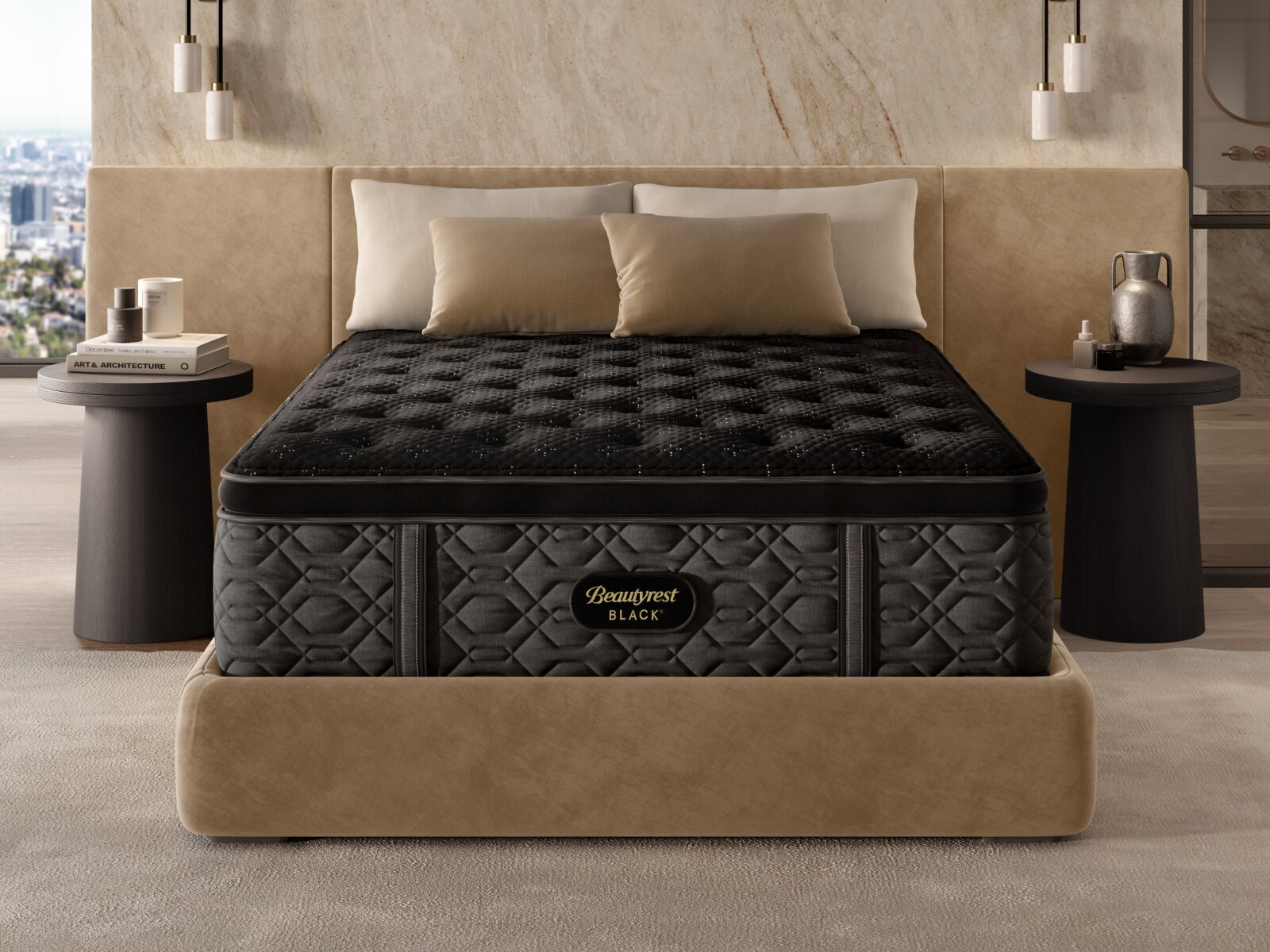
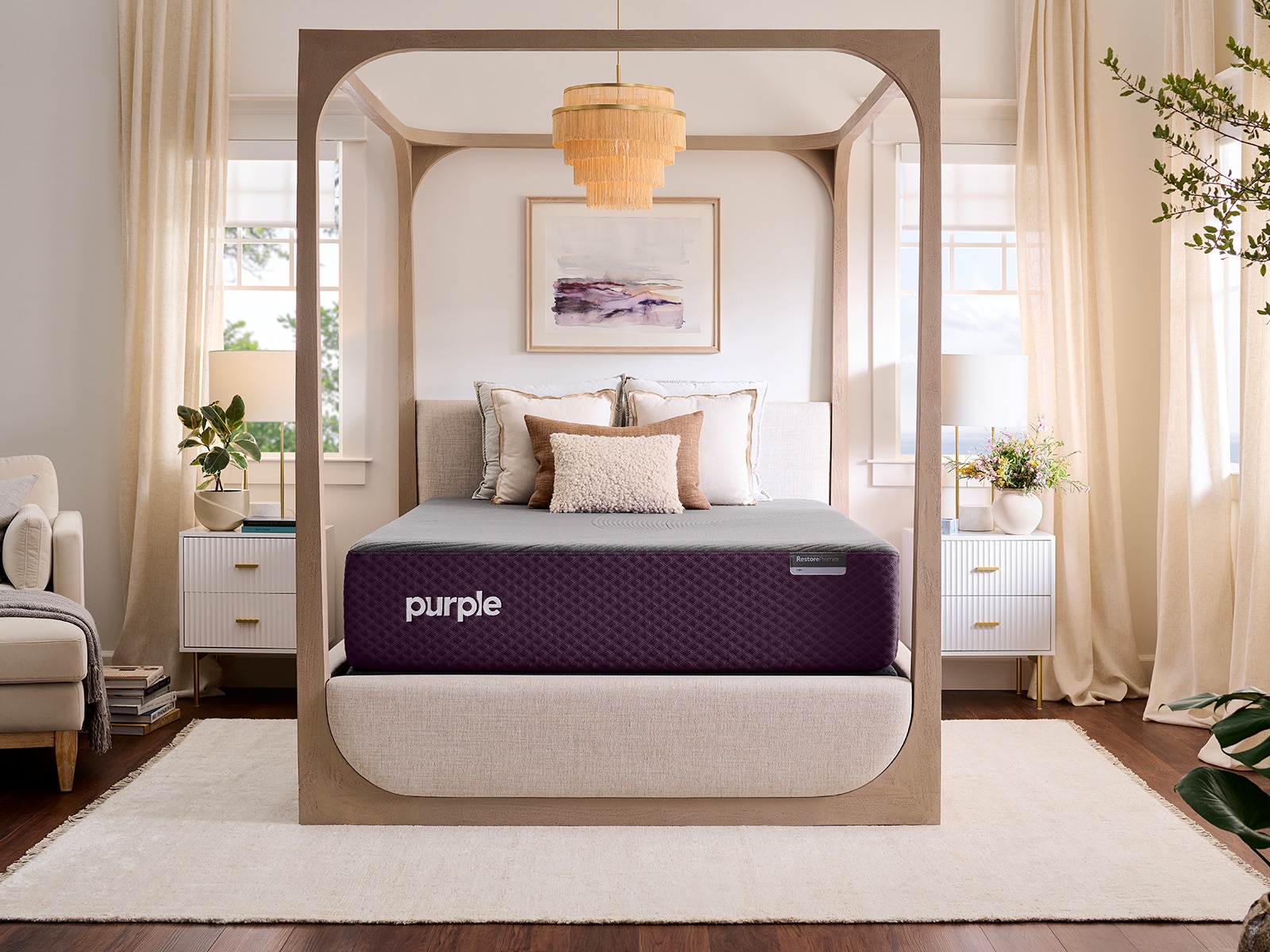
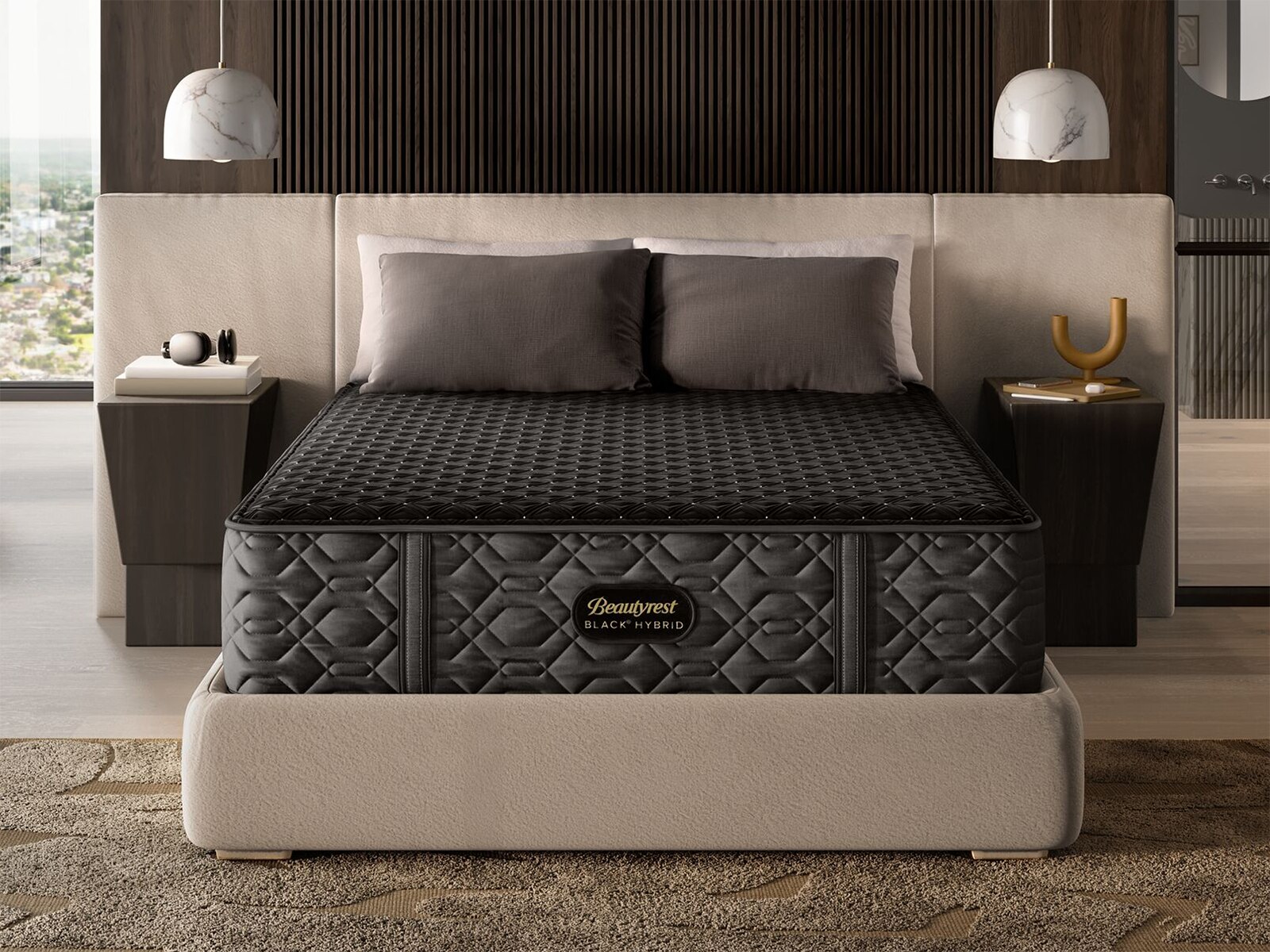
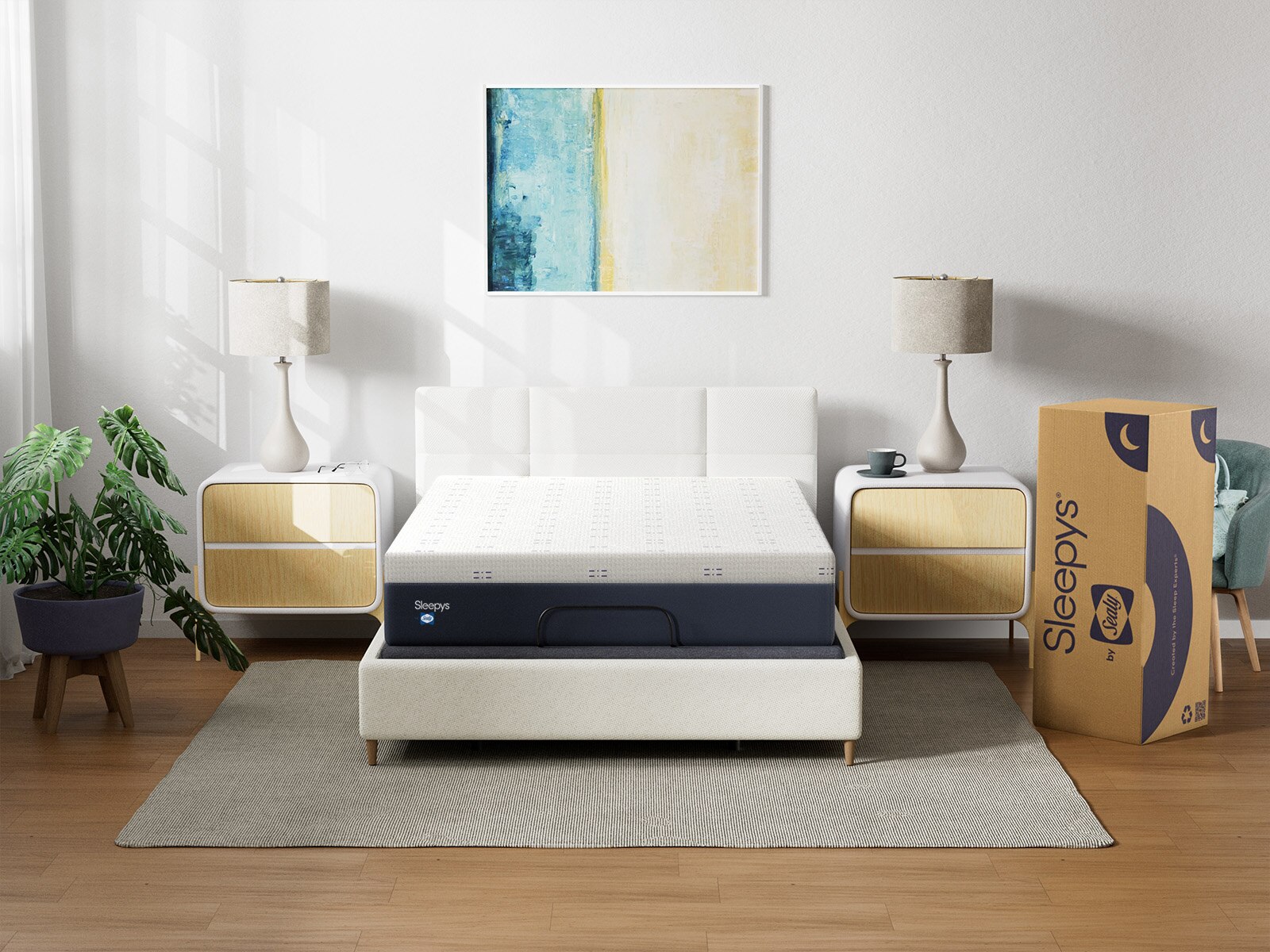
Plush mattresses with pocketed coils and latex combine a cushioned surface with responsive support, creating a feel that is soft on top without necessarily being deeply enveloping. In this type of hybrid mattress, individually fabric-wrapped springs form the support core, while latex adds cushioning above them. The coils compress under weight and can respond more independently than interconnected spring systems, helping the surface adapt around the shoulders, hips and lower body. Latex compresses under pressure but springs back relatively quickly, so changing positions can feel easier than on a surface with a slower response. That combination can appeal to sleepers who enjoy softness but prefer to feel gently cradled rather than nestled into a deep impression. Plushness describes the surface feel, not the strength of the support system underneath it; a mattress can have a soft comfort layer and still provide substantial resistance beneath the body. The overall feel depends on latex firmness, layer thickness, coil construction and the materials used in the cover or quilting. Latex may be made from rubber-tree sap, synthetic materials or a blend of both, so a latex comfort layer is not automatically entirely natural. Dunlop and Talalay refer to different manufacturing processes, and neither name alone guarantees a particular firmness or material composition. Talalay latex often has a lighter, more buoyant feel, while Dunlop latex often feels denser, though either can be produced in a range of firmness levels. Some constructions place latex directly above the coils; others include additional cushioning that changes how distinctly the latex responds. Spaces within the coil unit allow room for airflow, and perforations in some latex layers can support ventilation through the comfort system. The cover, quilting and bedding also influence breathability. Looking at the full construction gives a more useful picture than relying on the words plush, latex or hybrid alone.
The right balance of cushioning and support depends on how a person sleeps and how their weight interacts with the mattress. A side sleeper may appreciate a plush latex surface that lets the shoulder and hip settle in without leaving the waist unsupported. For a back sleeper, the goal is gentle contouring with enough underlying support to keep the pelvis from sinking disproportionately. Stomach sleepers often need a more resistant surface around the midsection, so a deeply cushioned construction may not suit every body type or preference. A lighter sleeper may experience the same mattress as firmer than a heavier sleeper because less weight compresses the comfort layers. Someone who switches between their side and back may especially appreciate latex’s quick recovery when rolling over or moving toward the edge. When trying a mattress, spending several minutes in a normal sleeping position can reveal more than a brief sit on the corner. Notice whether the shoulder feels crowded, whether the hips sink noticeably lower than the torso and whether moving requires more effort than expected. These observations are useful comfort checks, although no mattress can guarantee relief from pain or resolve an underlying condition. For couples, pocketed coils can help limit how far movement travels across the support unit, but latex has a buoyant response that may still make a partner’s movements noticeable. Motion isolation depends on the complete mattress rather than one material. Reinforced edges, when included, may make the perimeter feel steadier for sitting to put on socks or sleeping closer to the side. Zoned support, when present, uses different levels of resistance across sections of the mattress; its usefulness depends on how those zones line up with the sleeper’s body. Shoppers comparing additional comfort features can also explore
Plush Mattresses With Luxury Sleep Technology while keeping their preferred surface feel and support needs in focus.
Practical details matter just as much as the first impression of softness, especially for a mattress intended for nightly use. Start with the bed frame or foundation: a latex hybrid needs a stable support surface that meets the mattress manufacturer’s requirements. Slat spacing, center support and foundation condition can affect how evenly the mattress carries weight, so an older frame deserves a close look before it supports a new sleep setup. Adjustable-base compatibility should be confirmed rather than assumed, since coil construction and the complete mattress design determine whether bending is appropriate. Mattress height also affects everyday fit. A thicker plush mattress may require deeper fitted sheets and can raise the sleeping surface enough to change how comfortably someone gets into and out of bed. In a shared bedroom, mattress width influences how much space each sleeper has to change positions without crowding the other person. Latex hybrids can be substantial to move, making doorway clearance, stair turns and help with lifting worth considering before rearranging a room. For care, use a properly fitted mattress protector to help shield the surface from spills and everyday moisture, and follow the care label rather than treating every cover as removable or washable. If spot cleaning is permitted, use the recommended method and allow the area to dry fully before replacing bedding. Rotate the mattress only as directed, and do not flip it unless it is specifically designed for use on both sides. Latex is generally resilient, but long-term comfort still depends on material quality, construction, sleeper weight and consistent support underneath. Surface quilting may settle with use, while a persistent deep impression or a noticeable change in support deserves attention under the manufacturer’s care and warranty guidance. For a primary bedroom, this combination can suit someone who wants cushioning with an easy-to-move-on feel; in a guest room, its suitability depends on the comfort needs of the people who regularly stay there. The strongest fit is a mattress whose softness feels welcoming, whose support stays balanced and whose care requirements fit comfortably into everyday life.