Presents for ergonomic support are comfort-focused gifts designed to help the body rest in a supported position during sleep, reading or everyday relaxation. Their usefulness comes from how well they fit the person and the activity, rather than how firm they feel or how technical they look. For someone who spends hours at a desk, a gift that supports a comfortable evening routine may be more welcome than another workspace accessory. For a student who reads in bed, support behind the back or beneath the arms can make it easier to settle in without balancing against a stack of flattened pillows. Someone who sleeps on their side may appreciate cushioning that accommodates the space between the head and mattress, while a back sleeper may prefer a shape that supports the natural curve of the neck without pushing the chin forward. These are personal preferences, not universal rules. Ergonomic support means helping the body maintain a comfortable position without forcing it into one prescribed shape. Pillows, positioning cushions and adjustable sleep foundations can serve different purposes within that approach, from supporting the knees to changing the angle used for reading. A cushion intended for brief reclining may not be appropriate for overnight sleep, and a supportive shape that feels comfortable on a sofa may behave differently on a mattress. The surrounding surface matters, too: a softer mattress allows the shoulders and hips to settle farther than a firmer surface, changing how much additional support feels comfortable. Gifts in this category can suit people furnishing a first apartment, refreshing a bedroom or making more time for rest after long days. The most personal choices reflect a habit the recipient already enjoys, such as reading a chapter before bed or lying on their side with a pillow tucked between their knees. Support should complement those familiar moments, not turn a thoughtful present into an unsolicited comment about someone’s posture.
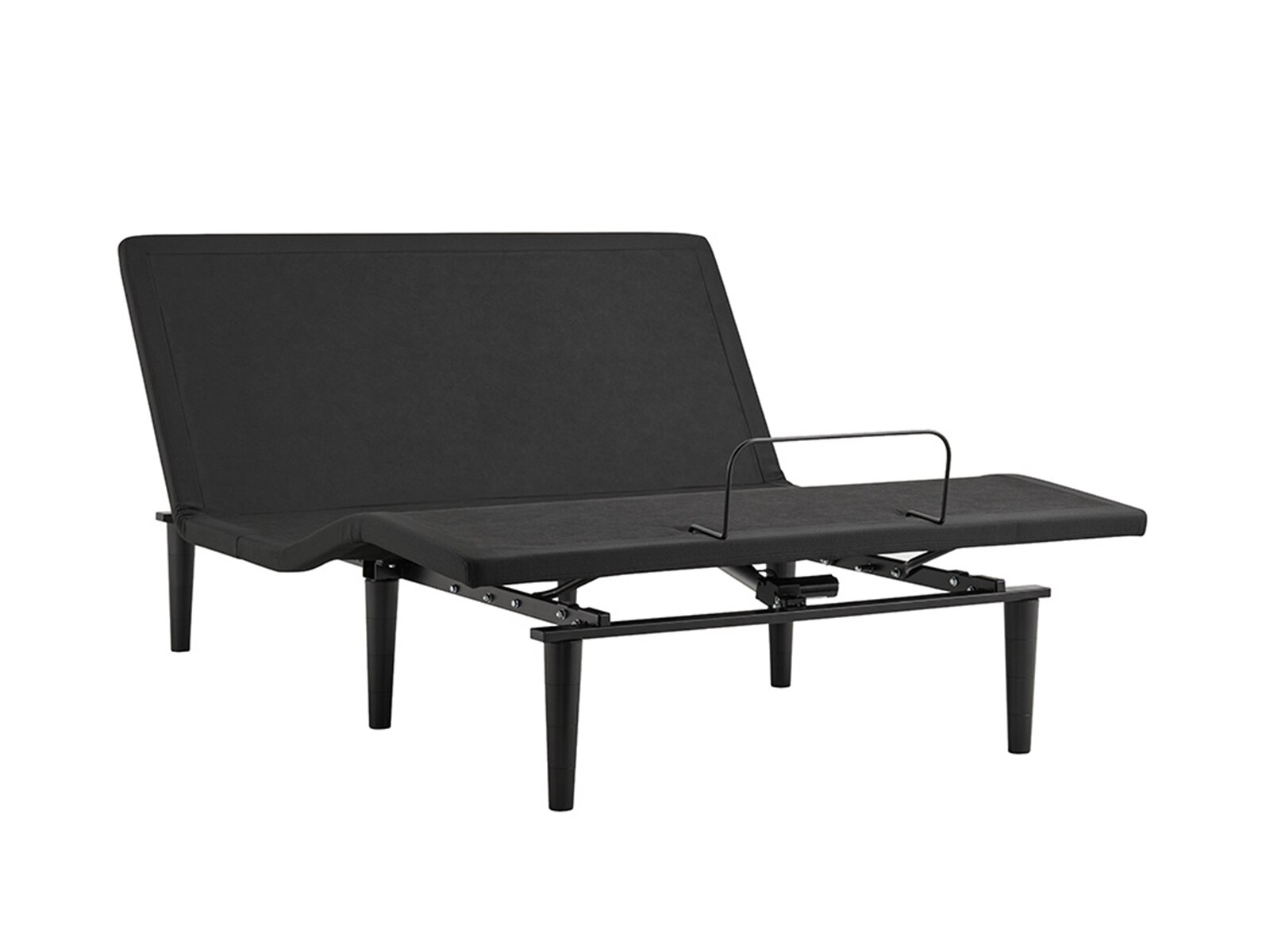
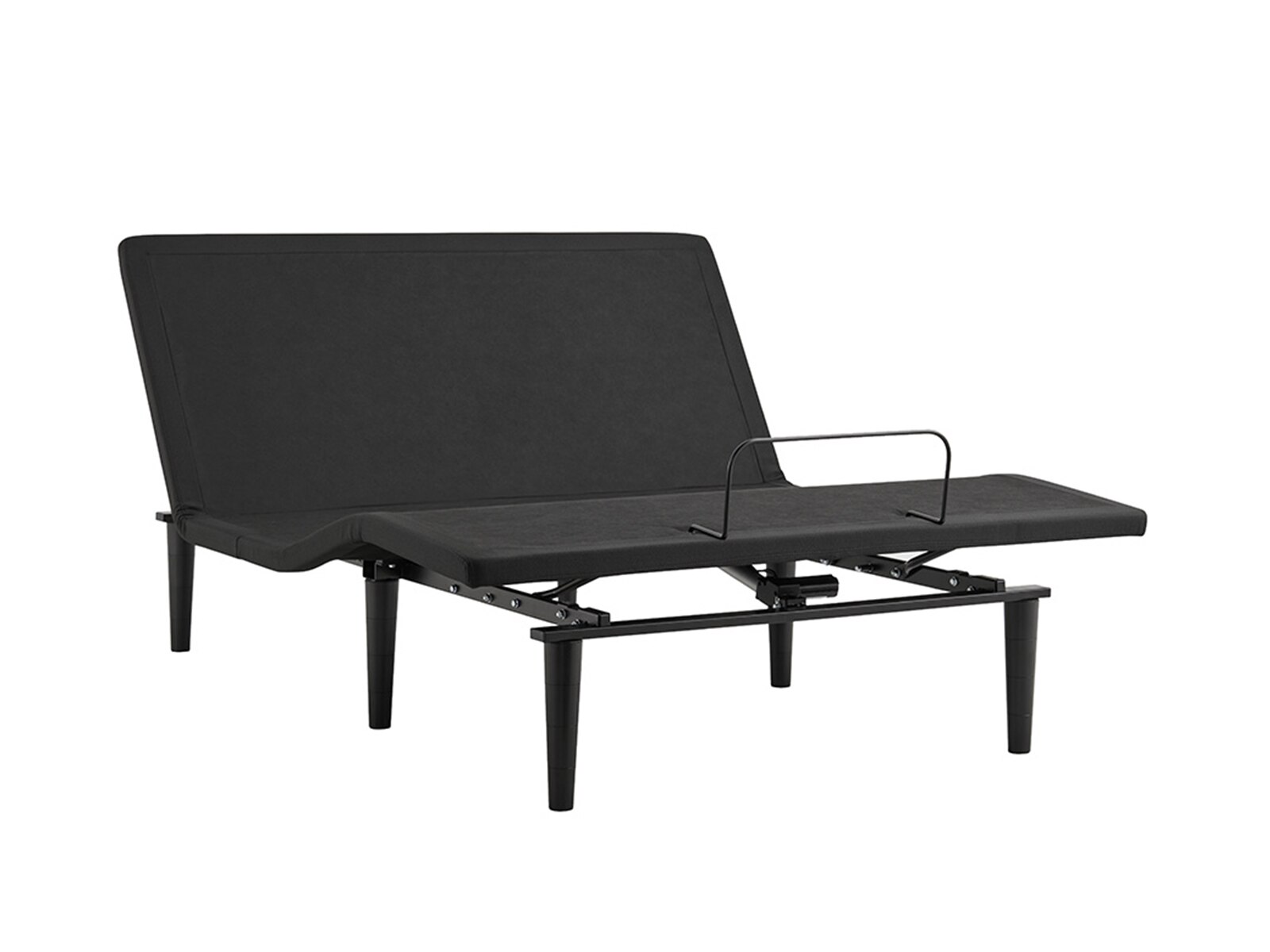
Materials and fit have a direct effect on how supportive bedding feels in use. Memory foam generally responds gradually to weight and contours around the body, while latex tends to feel more buoyant and return to shape more quickly. Fiber-filled cushioning usually has a softer, more compressible feel, although its support depends on the fill, construction and how well it maintains its loft. Solid foam shapes provide a consistent profile; loose or shredded fill may allow more adjustment when the design includes access to the filling. Neither approach is automatically better. A person who changes positions frequently may value flexibility, while someone who prefers a particular resting position may enjoy a more defined shape. Pillow height deserves as much attention as softness. A pillow that feels plush in the hands can still hold the head too high, and a low pillow may leave an uncomfortable gap for a side sleeper with broad shoulders. Stomach sleepers often prefer less height beneath the head, but individual comfort and the mattress surface remain important. Support beneath or between the knees should also feel proportionate rather than lifting the legs into a strained position. Dimensions are useful for judging whether cushioning will fit a favorite chair, leave enough room on a shared mattress or store neatly when not in use. For adjustable foundations, mattress compatibility, overall dimensions and clearance around the bed are essential considerations; not every mattress is designed to bend with a moving base. Cover fabrics add another layer of comfort. A smooth knit may feel gentle against the skin, while a more textured surface can feel different through a pillowcase. Breathability, seams, zippers and the ease of removing a cover all influence everyday use. People with allergies or material sensitivities may also have clear preferences about fill and fabric. Accurate material descriptions are more useful than broad comfort claims, especially when choosing a gift for someone whose preferences are already well established.
A support-focused present earns its place through repeated use, so care requirements and durability deserve attention alongside the initial feel. Removable, washable covers can make routine upkeep simpler, especially for cushioning used during reading, lounging and sleep. The cover and the inner component may have different care requirements: a washable outer layer does not mean the foam or fill can go into the washing machine. Manufacturer instructions should determine cleaning methods, drying procedures and whether a separate protective cover is appropriate. Thorough drying matters before any cleaned component returns to use. Construction details also affect longevity, including secure seams, resilient fill and a cover that comes off without excessive pulling. Over time, persistent flattening, clumping or a shape that no longer rebounds can change how evenly support is distributed. A durable choice is one that continues to suit the recipient’s routine, not simply one that feels dense or heavy. A focus on
Ergonomic Sleep Gifts makes sense for someone who values a comfortable wind-down routine as much as a comfortable workstation. Birthdays, housewarmings and other personal milestones can be opportunities to give something connected to that everyday comfort, particularly when the recipient has mentioned a preferred sleeping position or a support feature they enjoy. A discreet conversation about firmness, fill preferences or washing needs can preserve the thoughtfulness of the gesture without requiring a surprise guess about fit. Allowing room for personal preference is especially important when giving anything used close to the head, neck or back. These gifts are intended for comfort and positioning, not as treatment for an injury or a substitute for medical care. Someone with persistent discomfort, a recent procedure or specific positioning instructions should follow advice from a qualified healthcare professional. For everyday use, the strongest match is straightforward: appropriate support, manageable care and a shape that feels natural within the recipient’s existing routine.