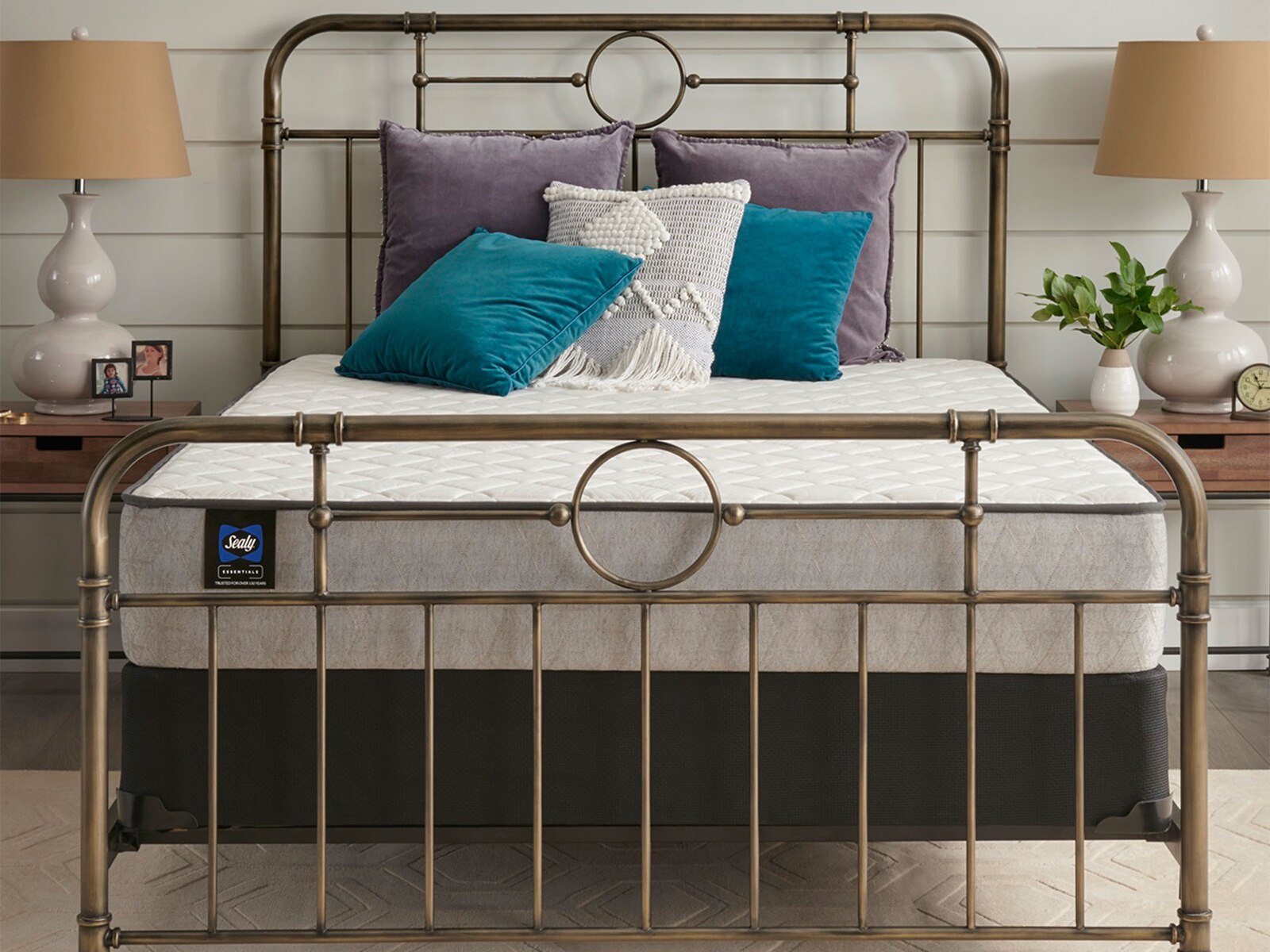
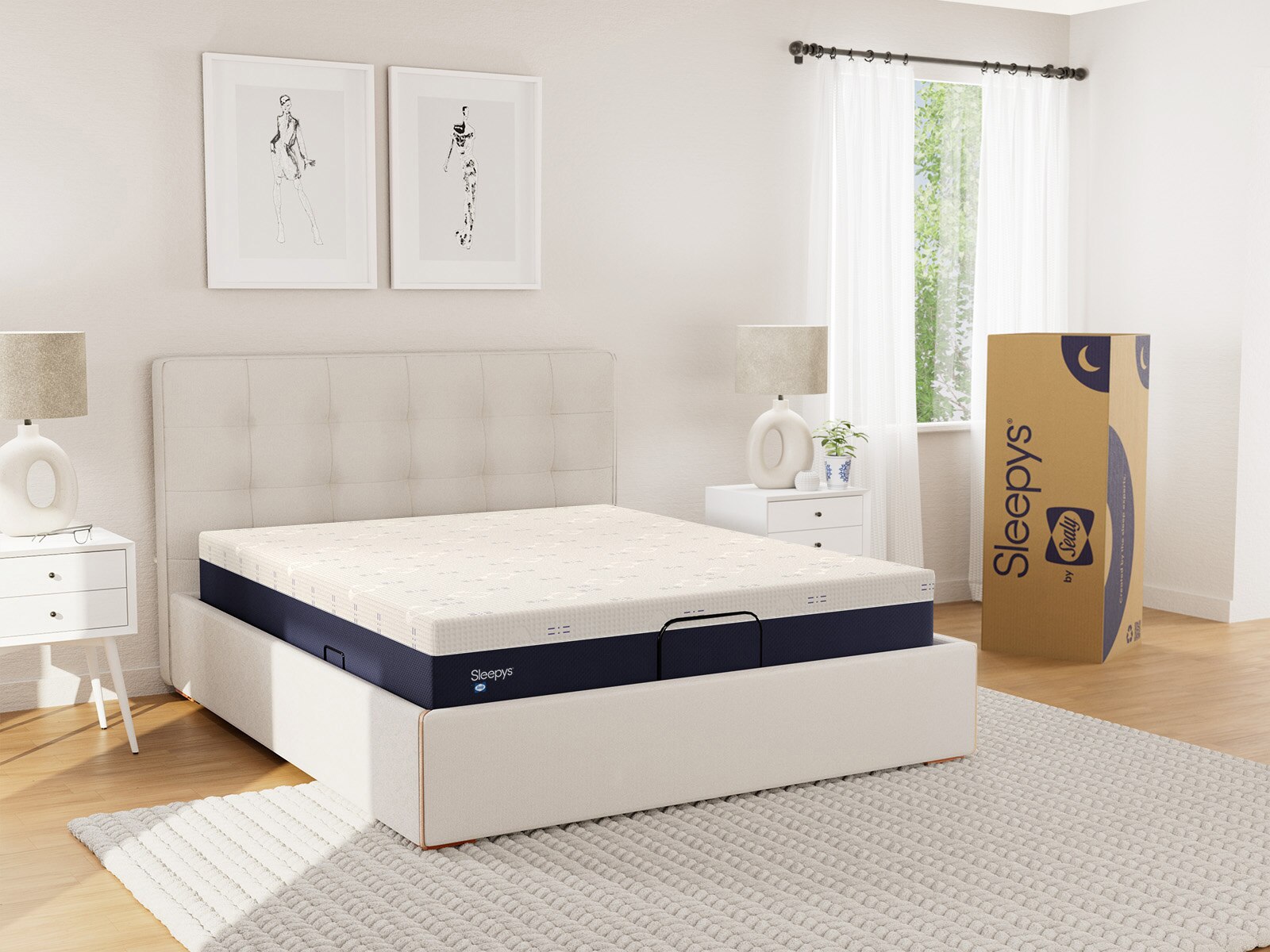
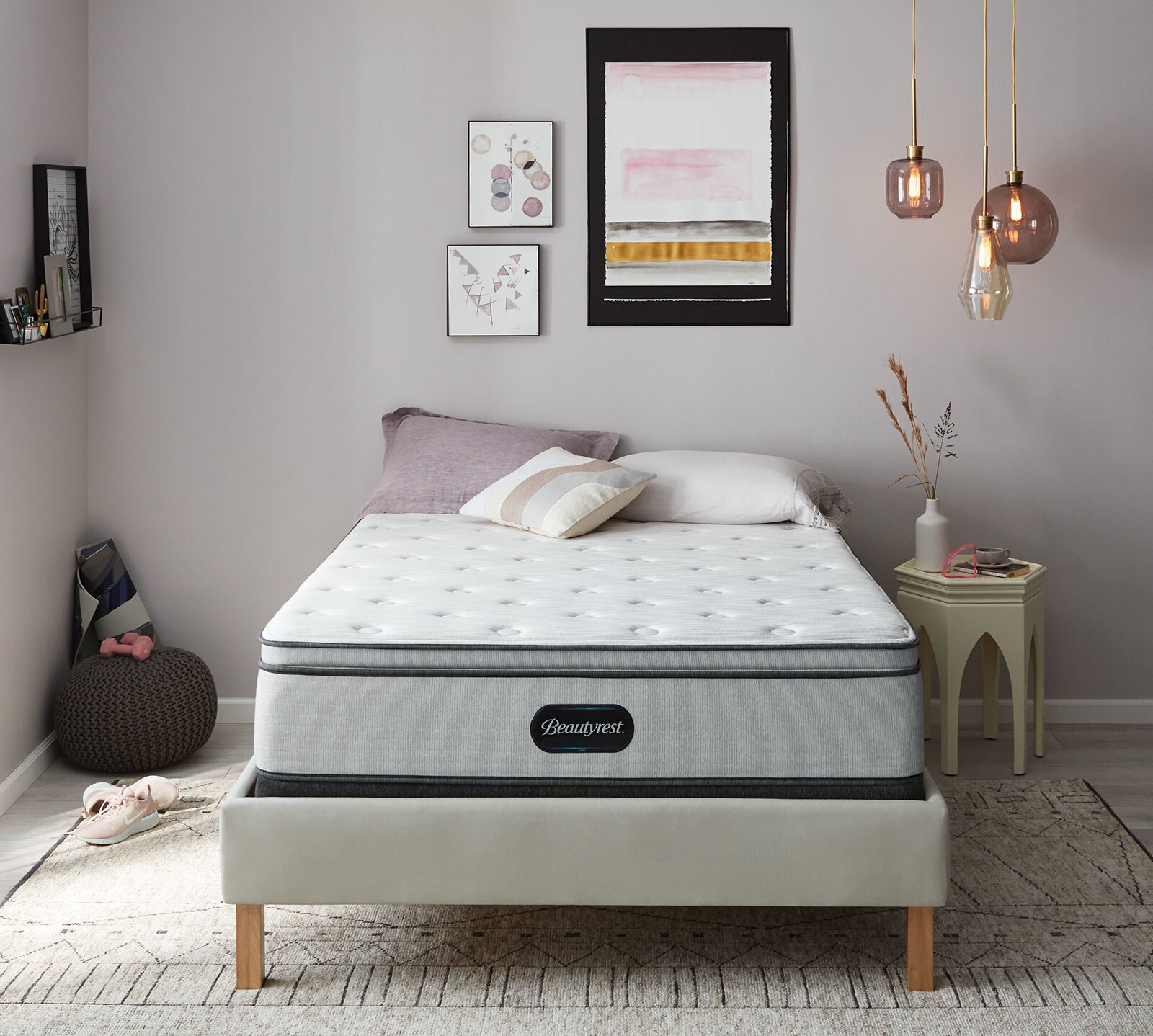
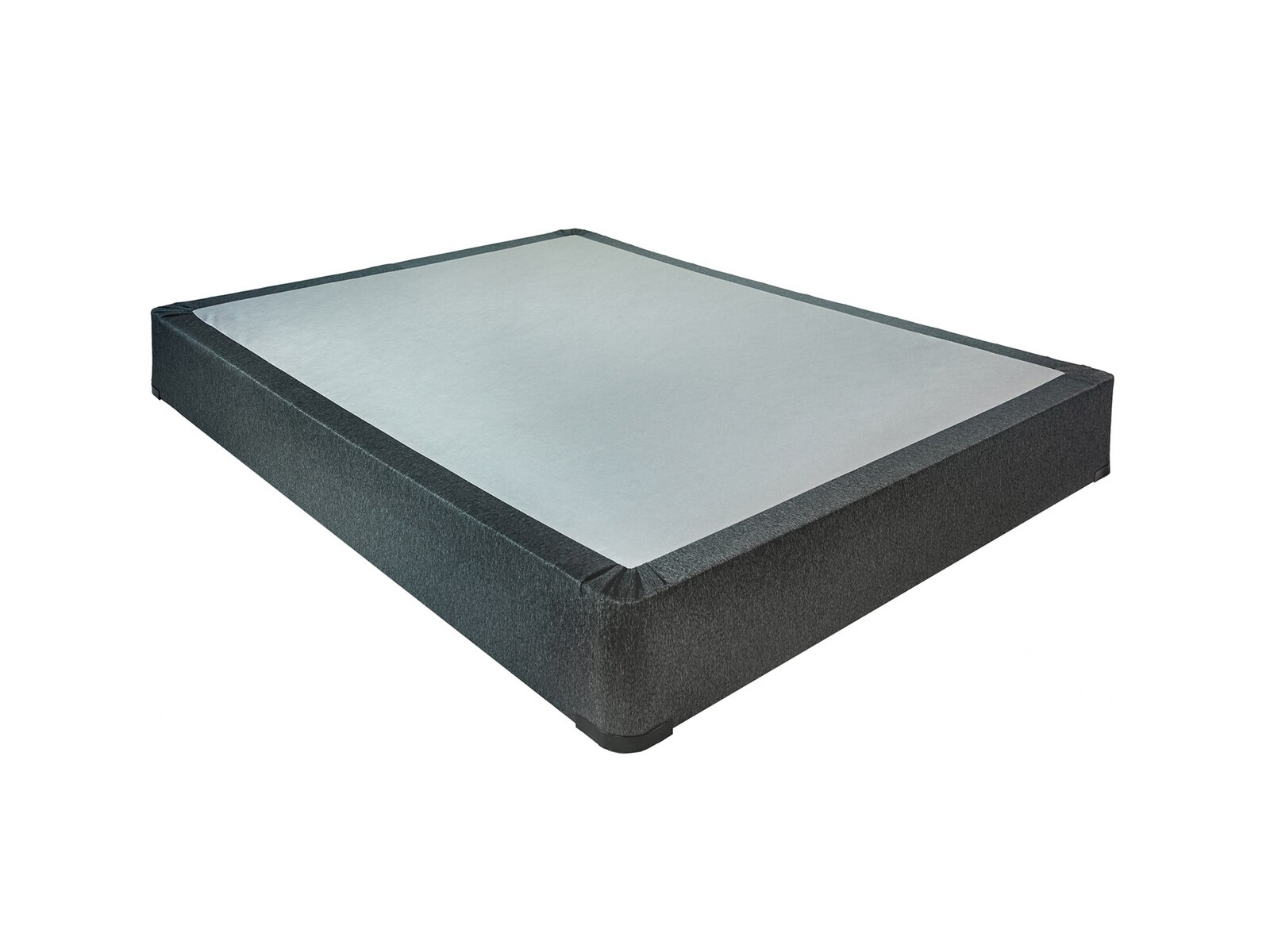
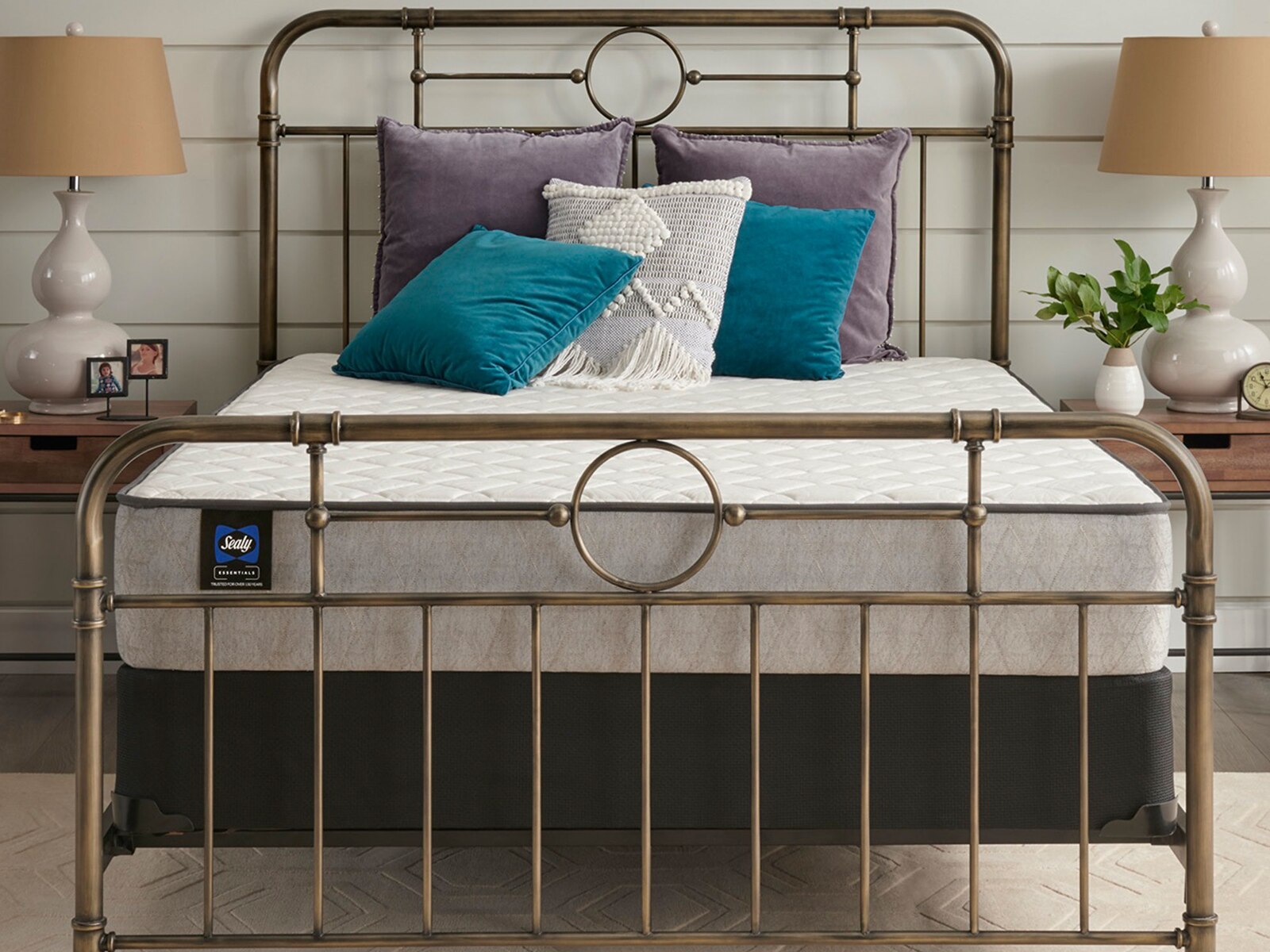
Products for shared beds help two sleepers create a comfortable sleep space without needing identical preferences for firmness, cushioning or bedding. The category includes mattresses that limit motion transfer, split sleep surfaces, mattress connectors, gap fillers and bedding that lets each person settle in their own way. These products address familiar moments: one person turns over while the other stays asleep, a fitted sheet pulls loose after an adjustable base moves or a comforter gradually travels to one side. The foundation is a mattress with enough room and suitable support for both sleepers. A queen mattress measures 60 by 80 inches, while a standard king measures 76 by 80 inches, giving each person more space across the bed. A split king typically pairs two Twin XL mattresses, each measuring 38 by 80 inches, so each sleeper can have a separate surface within standard king dimensions. Two standard twin mattresses placed together have the same combined width but are usually five inches shorter, an important distinction when matching bedding and bed frames. Mattress construction also shapes the shared experience. Memory foam can contour around the body and absorb movement, while latex generally has a more responsive feel. Hybrid mattresses combine foam or latex comfort layers with coils, though their motion isolation depends on the complete construction rather than the category name alone. Edge support matters when both sleepers use the full width of the mattress, especially when sitting along the sides to get dressed. Firmness should account for each person's sleep position and comfort preferences; a surface that feels supportive to one sleeper may feel too firm to another. For couples with noticeably different needs, separate mattresses or a compatible dual-firmness design can offer a more individualized setup without requiring separate bed frames.
Mattress bridges, gap fillers and connector straps serve different purposes when two mattresses share one frame. A bed bridge generally rests over the center seam, with a shaped section that fits into the gap and a wider surface that softens the transition between mattresses. A connector strap wraps around the mattresses to help keep them from drifting apart. Used in a compatible setup, these accessories can make the center of the bed feel more continuous, but they do not turn two mattresses into one seamless mattress or replace adequate support underneath. Similar mattress heights and aligned edges help reduce an uneven ridge; a bridge cannot reliably correct a substantial height difference. Foam bridges offer cushioning, while removable fabric covers can make routine cleaning easier. Connector durability depends on secure fastenings, sturdy webbing and compatibility with the mattress perimeter. Adjustable beds need particular attention because accessories spanning both sides may interfere with independent movement. A bridge, strap or full-width topper should only be used when its instructions and the bed manufacturer's guidance support that arrangement. Toppers can change surface cushioning, but they cannot repair a sagging mattress or an unstable foundation. On a split setup, separate toppers preserve more flexibility for sleepers who want different feels, provided the dimensions and attachment method suit each mattress. Bedding fit is equally important. Split king arrangements commonly use two Twin XL fitted sheets, while the top sheet or comforter may span the entire bed. Fitted-sheet pocket depth needs to accommodate the mattress and any topper, without leaving loose fabric that bunches beneath the sleeper. Reinforced elastic and compatible sheet straps can help hold corners in place. Duvet corner ties or clips can limit shifting inside a cover, although they cannot prevent a partner from pulling the whole covering across the bed. Smooth seams, secure closures and washable covers are practical details for bedding that gets adjusted and laundered regularly.
Shared-bed comfort also depends on the layers each sleeper uses closest to the body. Separate pillows allow different levels of loft and support, so a side sleeper can have more cushioning beneath the head while a back sleeper chooses a lower profile. Pillow height works together with mattress feel: shoulders sink differently into a plush surface than a firmer one, changing how much space the pillow needs to fill. Cotton percale sheets have a crisp feel, while sateen tends to feel smoother and more draped; weave, fabric weight and finishing all influence the experience. Breathable bedding and separate comforters can accommodate different preferences for warmth without changing the whole bed. With individual coverings, one person can pull a comforter close while the other uses a lighter layer, with less tugging across the center. Dual-zone pads or climate-control systems are another category intended to personalize each side, though their power requirements, mattress compatibility and cleaning instructions deserve attention before use. A mattress protector adds a washable barrier against everyday spills and body moisture, and its fit should allow the mattress to flex as intended. Water-resistant and waterproof constructions differ, so the care label and stated protection level matter more than appearance alone. For long-term use, durable stitching, resilient elastic and clearly explained care requirements help make bedding easier to maintain. Washing according to the fabric label, drying thoroughly and checking straps or fasteners for wear can help preserve fit and function. Protective layers and fresh bedding can also be practical gifts for couples setting up a home, provided the mattress dimensions and personal preferences are known. Households furnishing adult and children's rooms can explore
Products for Kids Beds for a separate sleep space with its own sizing and age-appropriate needs. Across a shared adult bed, the most useful combination is one that gives both sleepers dependable support, bedding that stays in place and enough personal choice to feel comfortable side by side.