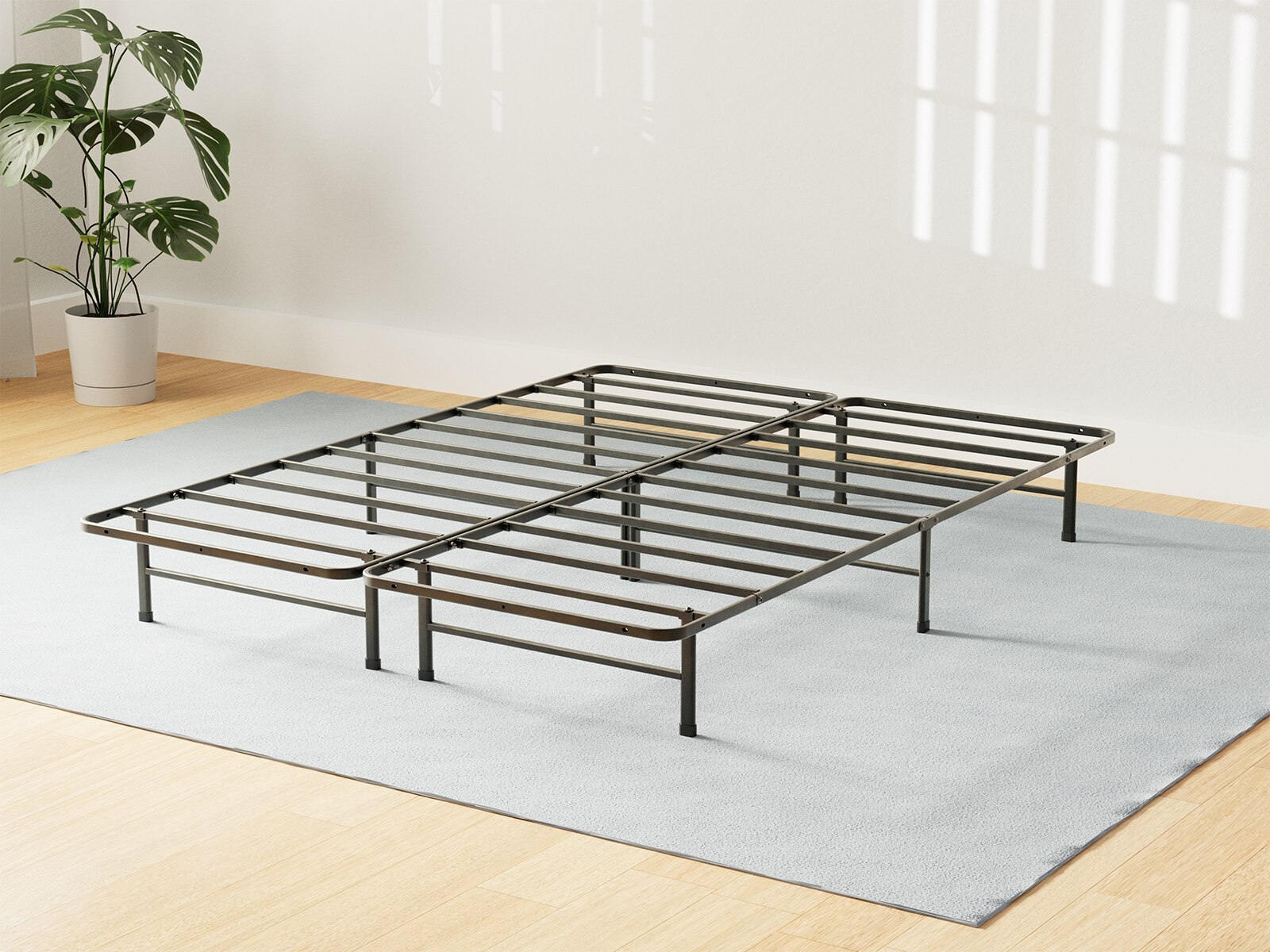
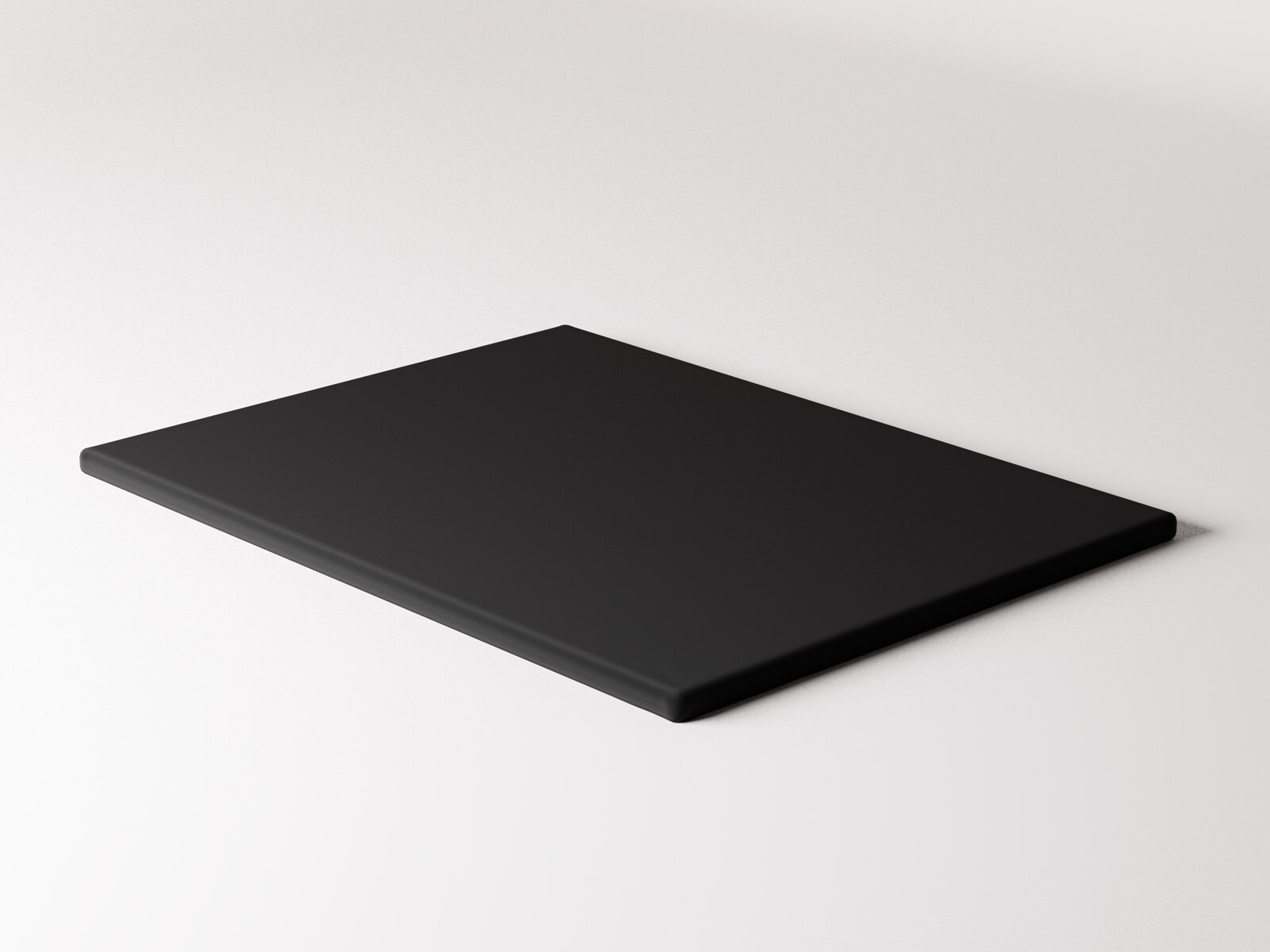
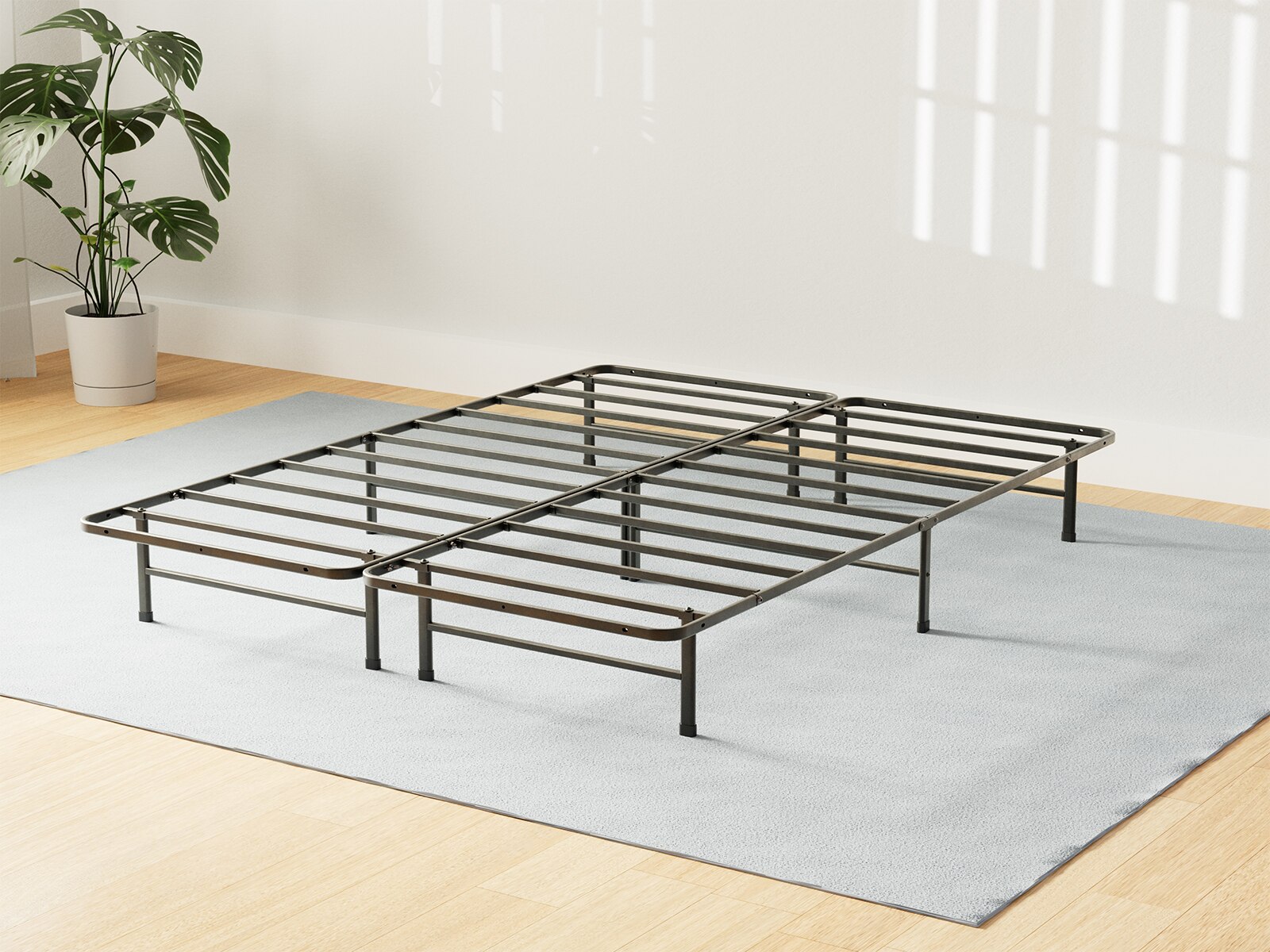
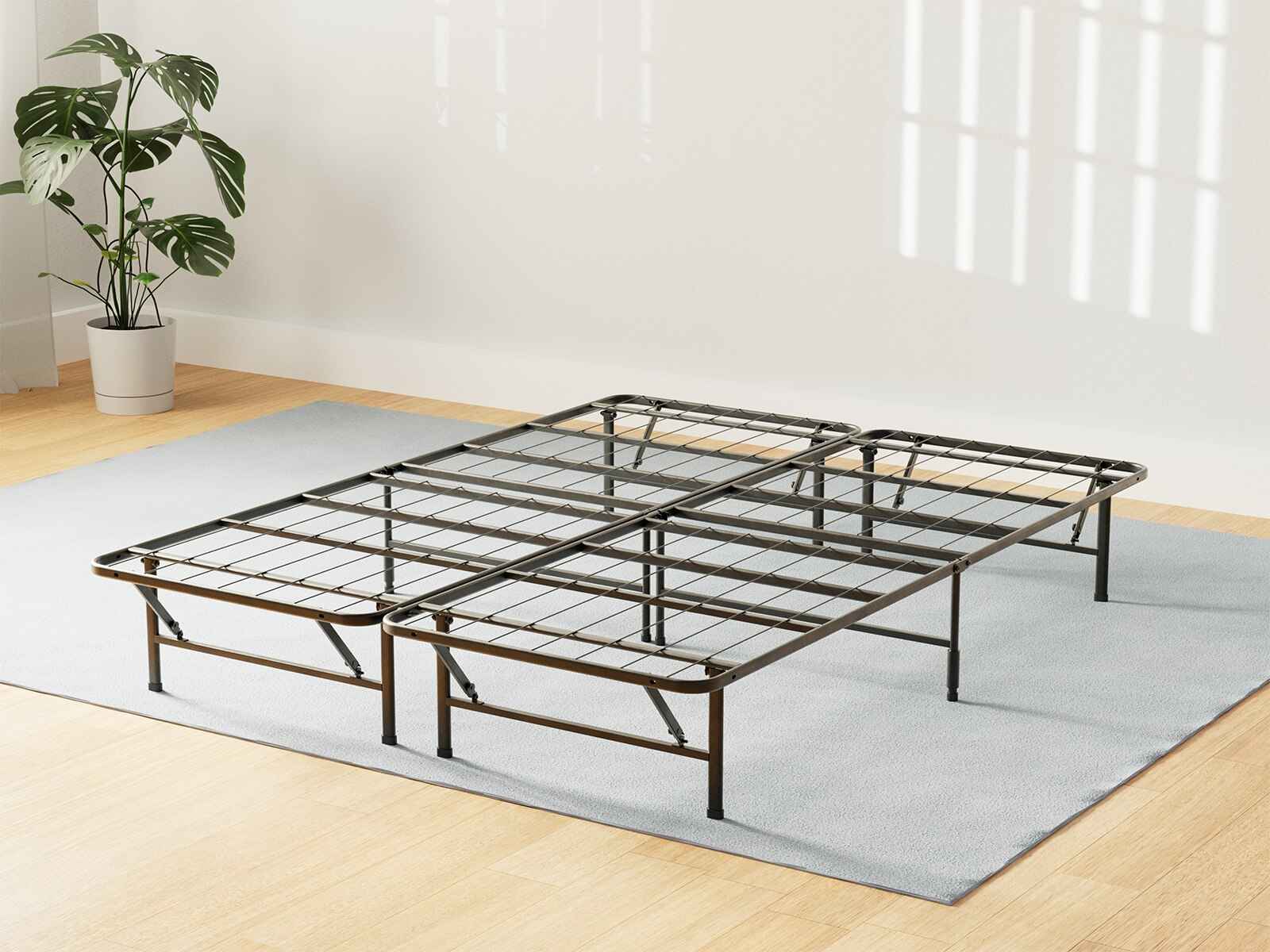
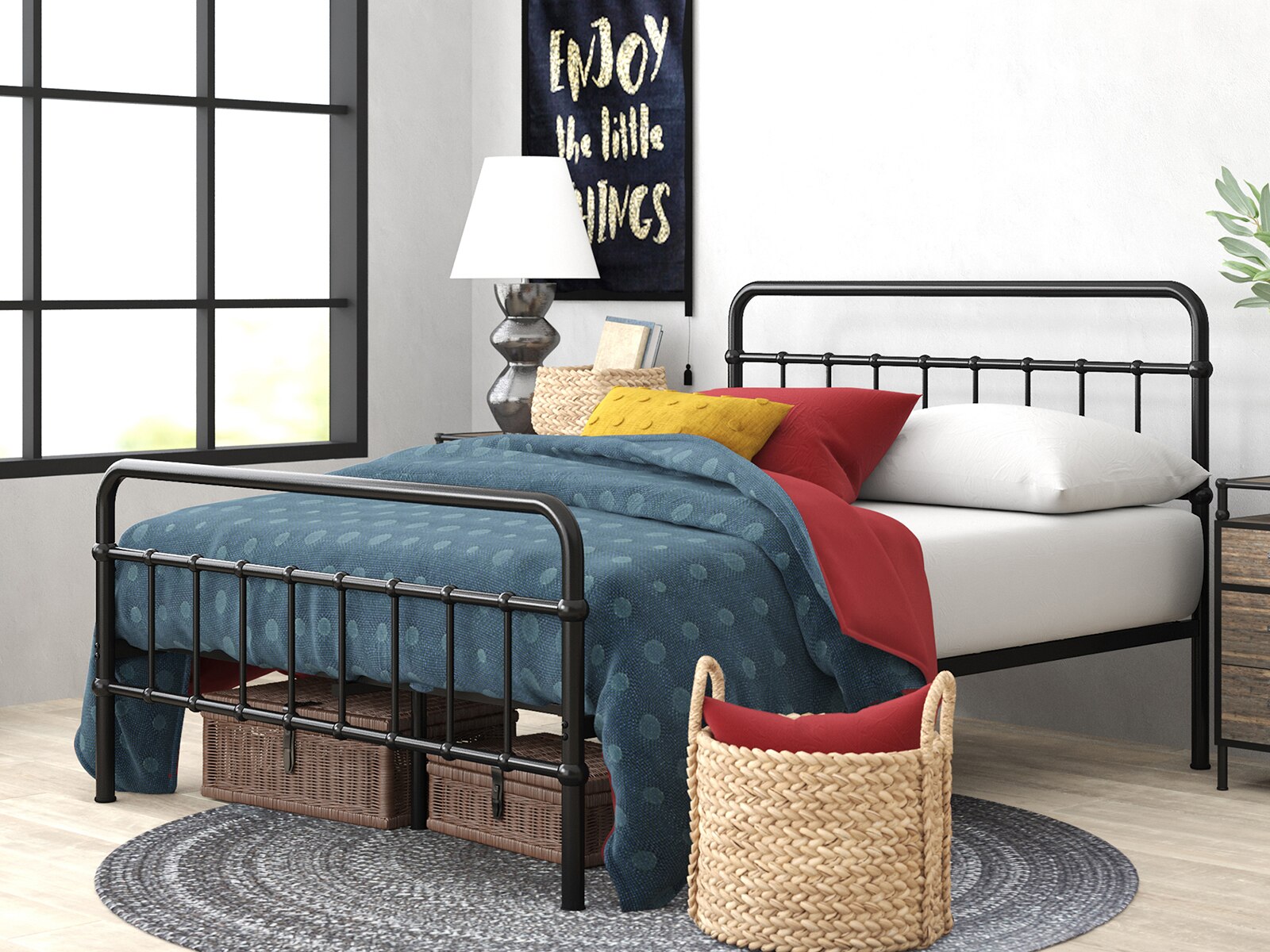
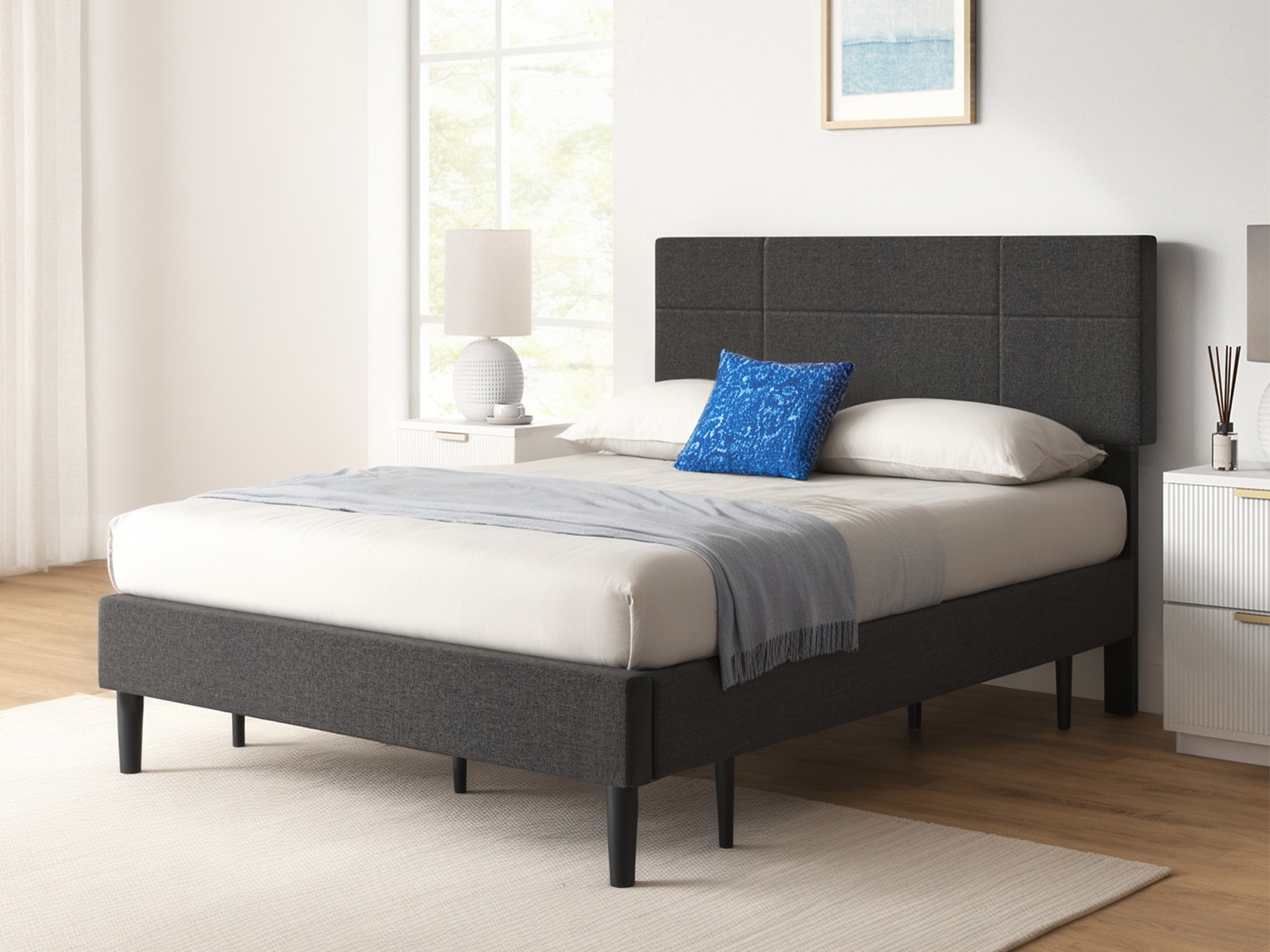
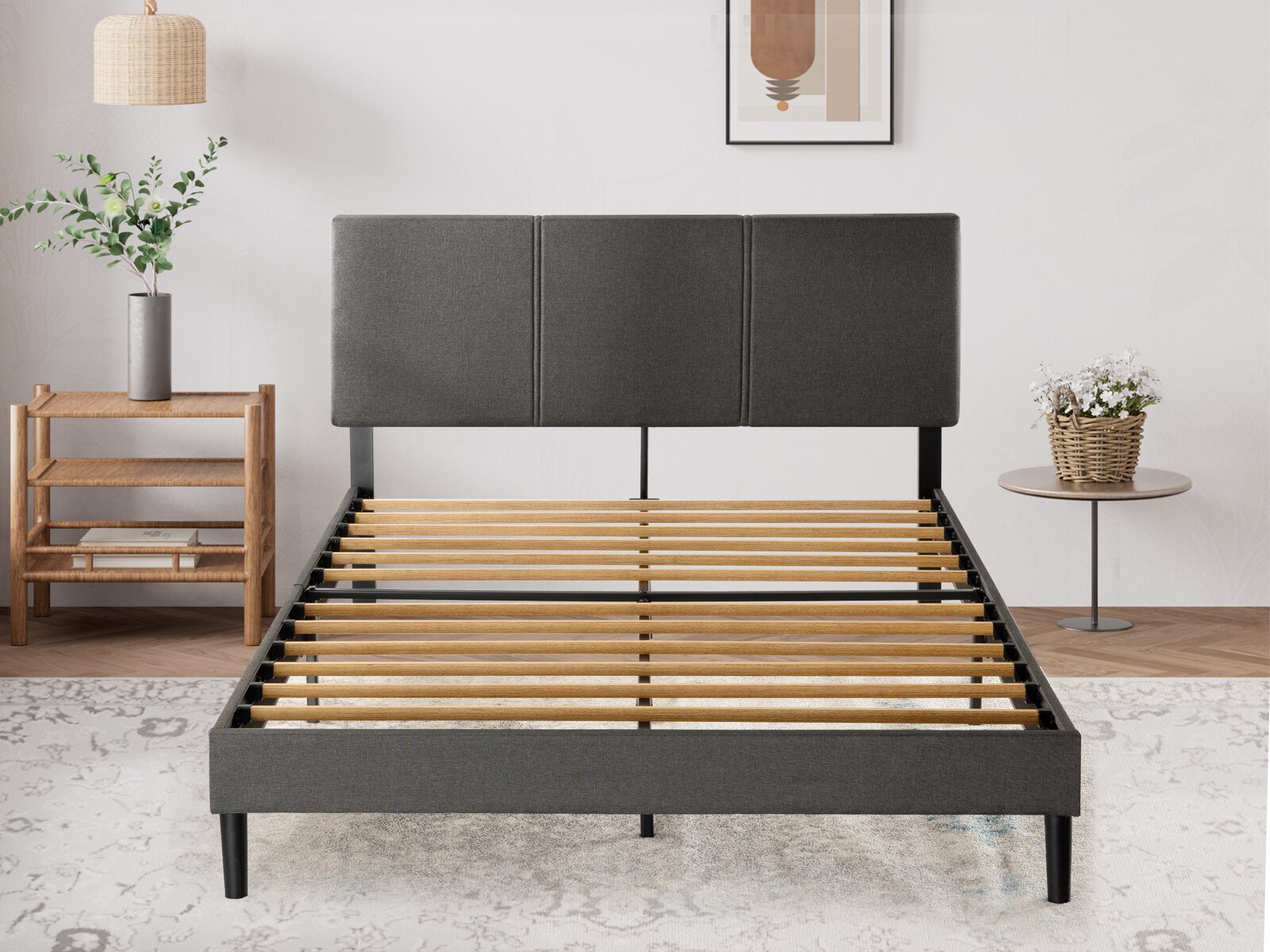
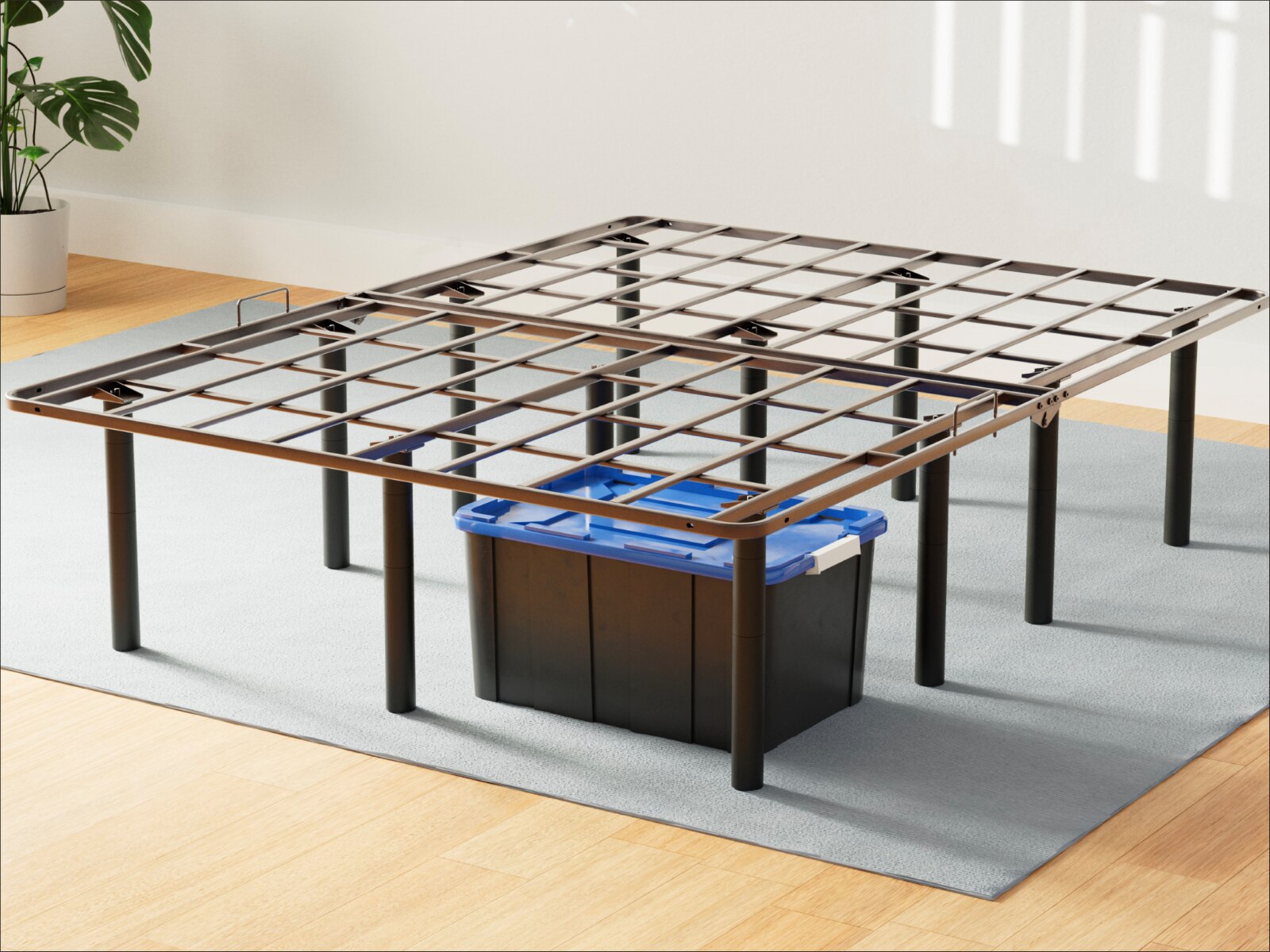
A queen-size metal bed frame provides a supportive base for a queen mattress, with designs ranging from simple perimeter rails to complete platform beds with headboards and footboards. A standard queen mattress measures 60 inches wide by 80 inches long, but the frame’s outside dimensions can be larger, particularly when decorative posts or an attached headboard are part of the design. Steel is a common material for load-bearing rails, legs and slats, while some decorative frames incorporate iron components. Reinforced connections and well-positioned supports matter as much as the material itself: a frame needs to hold the mattress evenly and remain stable when someone sits along the edge or changes position during the night. The distinction between a traditional rail frame and a metal platform frame is especially important. A rail frame generally holds a separate foundation or box spring, which supports the mattress above it. A platform frame may support the mattress directly on slats or a grid, eliminating the need for a separate foundation when the mattress manufacturer permits that setup. Foam, latex, hybrid and innerspring mattresses can have different support requirements, including limits on slat spacing and specifications for center support. A metal frame is not automatically compatible with every queen mattress simply because the dimensions match. Center rails and supporting legs can help distribute weight across the bed, but their arrangement needs to meet the mattress manufacturer’s requirements. Weight capacity also deserves attention because the stated limit may include the mattress, foundation and everyone using the bed, rather than occupants alone; the manufacturer’s definition determines how that figure should be interpreted. The category of
Queen Size Bed Support Frames includes structures intended for different support arrangements. Matching the frame’s construction to the mattress and foundation helps create a dependable setup without unnecessary layers or gaps in support.
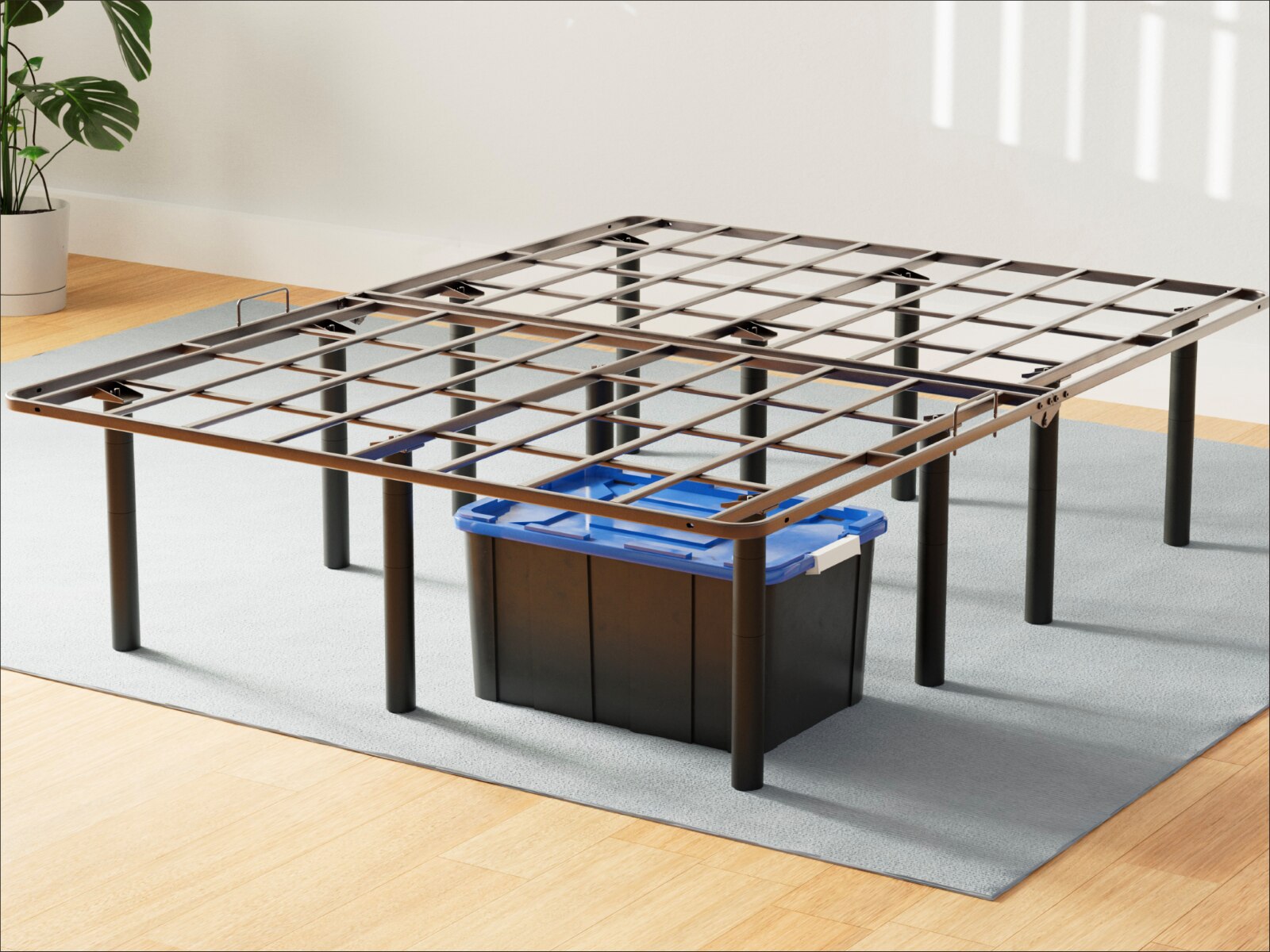
The right queen metal bed frame fits the room as well as the mattress. In a primary bedroom, a queen bed can provide space for two sleepers without taking up as much floor area as a king. In a guest room, it offers a welcoming sleep surface for visiting couples or an individual who appreciates room to stretch out. The frame’s full footprint affects whether a nightstand drawer opens freely, a closet door clears the footboard or there is a comfortable path between the bed and a dresser. A slim metal profile can keep those sight lines open, while a substantial headboard gives the bed a stronger visual presence. Straight rails and simple geometric shapes suit a pared-back room; curved details and decorative posts can complement more traditional furnishings. Dark finishes create contrast against lighter bedding, while lighter or metallic finishes offer a different look without changing the basic support function. Powder-coated surfaces are common and can help protect the underlying metal, though finish quality and care still influence how well the surface holds up. Frame height changes both the appearance and the practical use of the bed. An elevated platform can leave space for storage bins, folded linens or luggage, but usable clearance is measured from the floor to the lowest obstruction beneath the frame, not necessarily to the top of its rails. Center legs and crossbars may divide that space, so a long storage container needs enough room to slide into position. The finished sleeping height includes the frame, any required foundation and the mattress. A thick mattress on a tall base can make the bed feel quite different from the same mattress on a low-profile frame. For someone who prefers to sit on the edge with feet resting comfortably on the floor, that combined height matters more than frame height alone. Headboard and footboard proportions also affect comfort: a taller mattress may cover decorative details, while a footboard can feel restrictive to a taller sleeper who extends beyond the mattress edge.
Everyday durability comes from the frame’s overall construction, careful assembly and appropriate use. Metal rails can provide lasting support, but loose connections, missing hardware or legs that do not sit firmly on the floor can undermine an otherwise sturdy design. Assembly may involve interlocking sections, bolts or a combination of both, and the amount of work varies with the frame’s structure. A straightforward rail base generally has fewer components than a complete platform bed with decorative panels. Clear hardware organization and enough space to position the sections make setup more manageable, especially when longer rails require a second person to hold them steady. Headboard compatibility is another practical detail: attachment brackets need to match the headboard’s mounting points, and a freestanding decorative panel does not necessarily attach to every frame. An adjustable base also requires its own compatibility check, since a fixed platform or center rail can interfere with the moving mechanism. Once assembled, all supporting legs should contact the floor as intended, with suitable floor protection that does not compromise stability. Rattling or squeaking can come from loose fasteners, contact between components or uneven support rather than from metal construction alone. Periodic checks following the manufacturer’s instructions can help identify those issues before they become persistent. Routine care is usually uncomplicated: dusting keeps rails and decorative details clean, and a soft cloth lightly dampened with an approved cleaner can address marks without soaking joints or damaging the finish. Drying the surface afterward helps limit moisture exposure, while abrasive cleaners can scratch protective coatings. Moving the bed is easier on its connections when the mattress and foundation are removed first and the frame is lifted rather than dragged. For a first apartment, a shared bedroom or a frequently used guest room, these practical details help a queen-size metal bed frame serve as a reliable part of the sleep setup while leaving room for bedding and furnishings to reflect personal style.