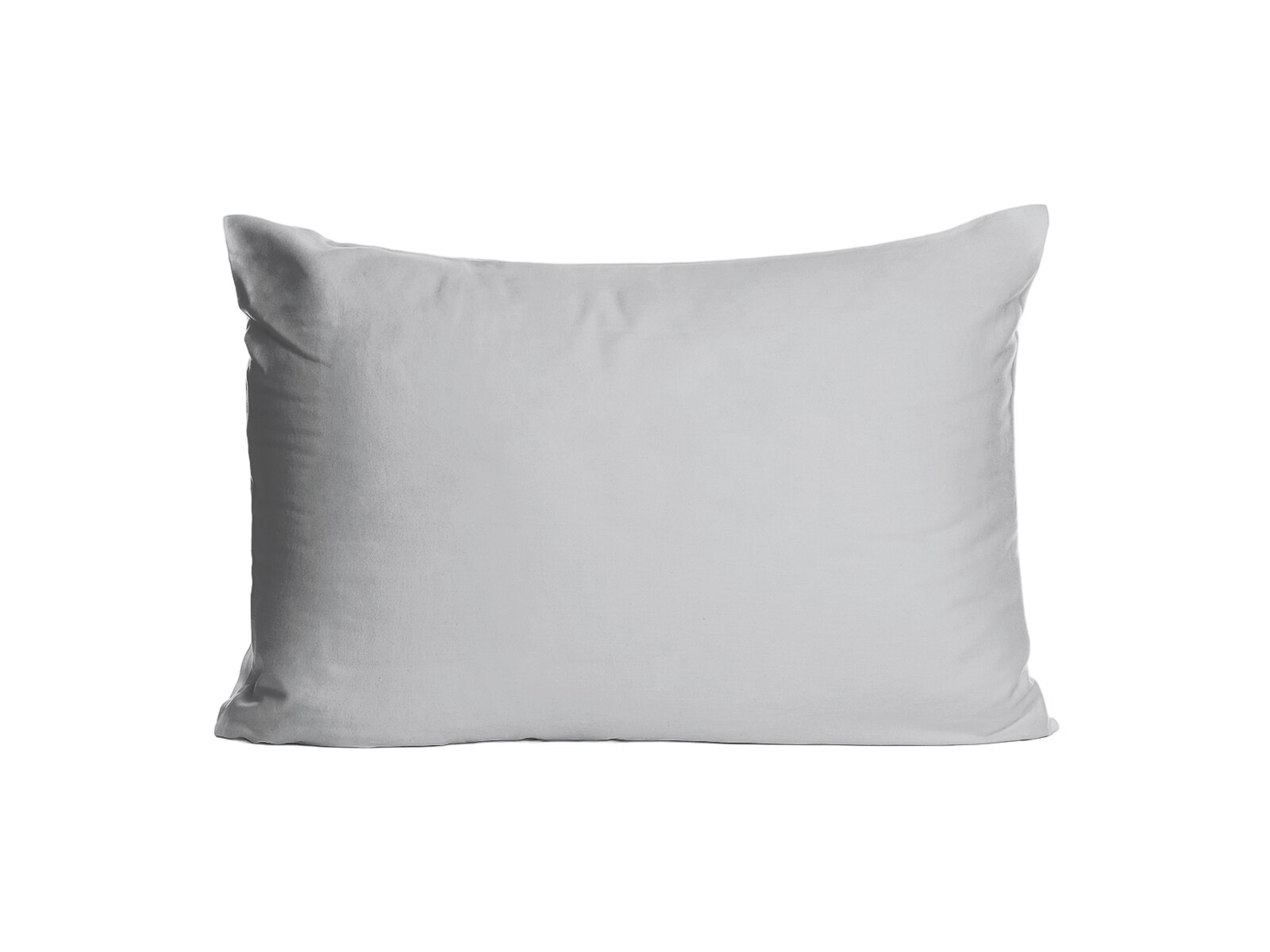
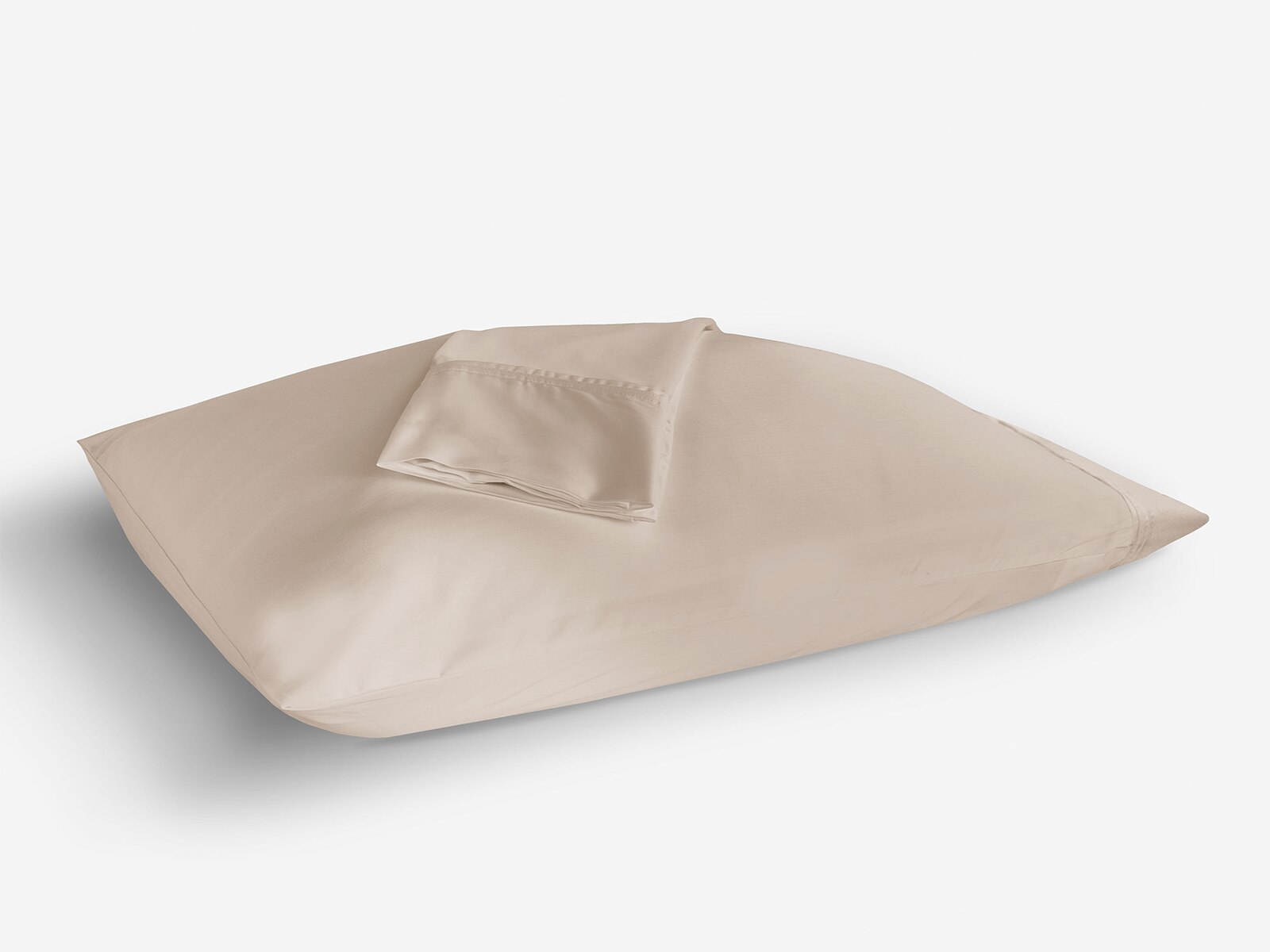
Queen size pillowcases for new homes help turn a newly furnished bedroom into a space that feels settled, personal and ready for rest. Even before every picture is hung or moving box is unpacked, clean bedding and neatly covered pillows give the room a sense of order. Pillowcases sit close to the face throughout the night, so their feel deserves as much attention as their color. A smooth surface, a comfortable fit and a closure that keeps the pillow covered all contribute to everyday ease. A queen pillow typically measures 20 by 30 inches, but pillowcase dimensions vary by construction and manufacturer. Check the measurements of both pieces rather than relying on the size name alone, especially when using a thick pillow or one with a structured shape. Labels such as standard/queen may cover more than one pillow size, making those measurements particularly useful. The case should slip on without forcing the pillow into a tight curve, with enough room for its fill to settle naturally. Too much extra fabric can gather beneath the cheek, while a case that is too snug may compress the pillow and change its feel. An open-ended case offers a familiar shape that is easy to remove on laundry day. An envelope closure has an interior flap that helps tuck the pillow out of sight, creating a tidy finish without a separate decorative cover. Zippered styles can provide a more enclosed fit, though the zipper placement matters for comfort. In a new home, these small details become part of the daily routine: straightening the bed before work, changing linens after a guest leaves or reaching for a fresh case at the end of a busy day. Choosing with those moments in mind makes the bedding feel useful as well as thoughtfully coordinated.
Material and fabric construction shape how queen size pillowcases feel, look and hold up to regular use. Cotton is a familiar choice for everyday bedding because it is absorbent and can offer a range of textures. A percale weave generally has a crisp, matte finish, while cotton sateen tends to feel smoother and has a subtle sheen. These are weave differences rather than separate fiber types, and neither is automatically the better choice; the right match depends on whether a sleeper prefers a freshly pressed feel or a softer drape. Linen has a more textured surface and a relaxed appearance, with natural variation that suits a less formal bed. It often becomes softer with repeated laundering, although its visible creasing is part of its character. Microfiber can have a soft, lightweight feel and may resist noticeable wrinkles, but its performance depends on the fiber blend and construction. Silk offers a smooth surface and distinctive luster, with care requirements that may call for more attention than an everyday cotton case. For a household still finding its rhythm after a move, choosing a material that fits the laundry routine can be just as important as choosing a favorite texture. Read the care label before washing, and follow any directions for detergent, drying and ironing. Some fabrics tolerate routine machine care, while others need a gentler approach. Thread count is only one detail: fiber quality, weave and finishing also affect how a case feels and wears. Examine seam quality, neatly finished openings and fabric that feels consistent across the surface. Those construction details can help a frequently washed pillowcase maintain its shape. A pillow protector beneath the case adds a separate layer between the pillow and everyday use, but it does not replace regular pillowcase changes.
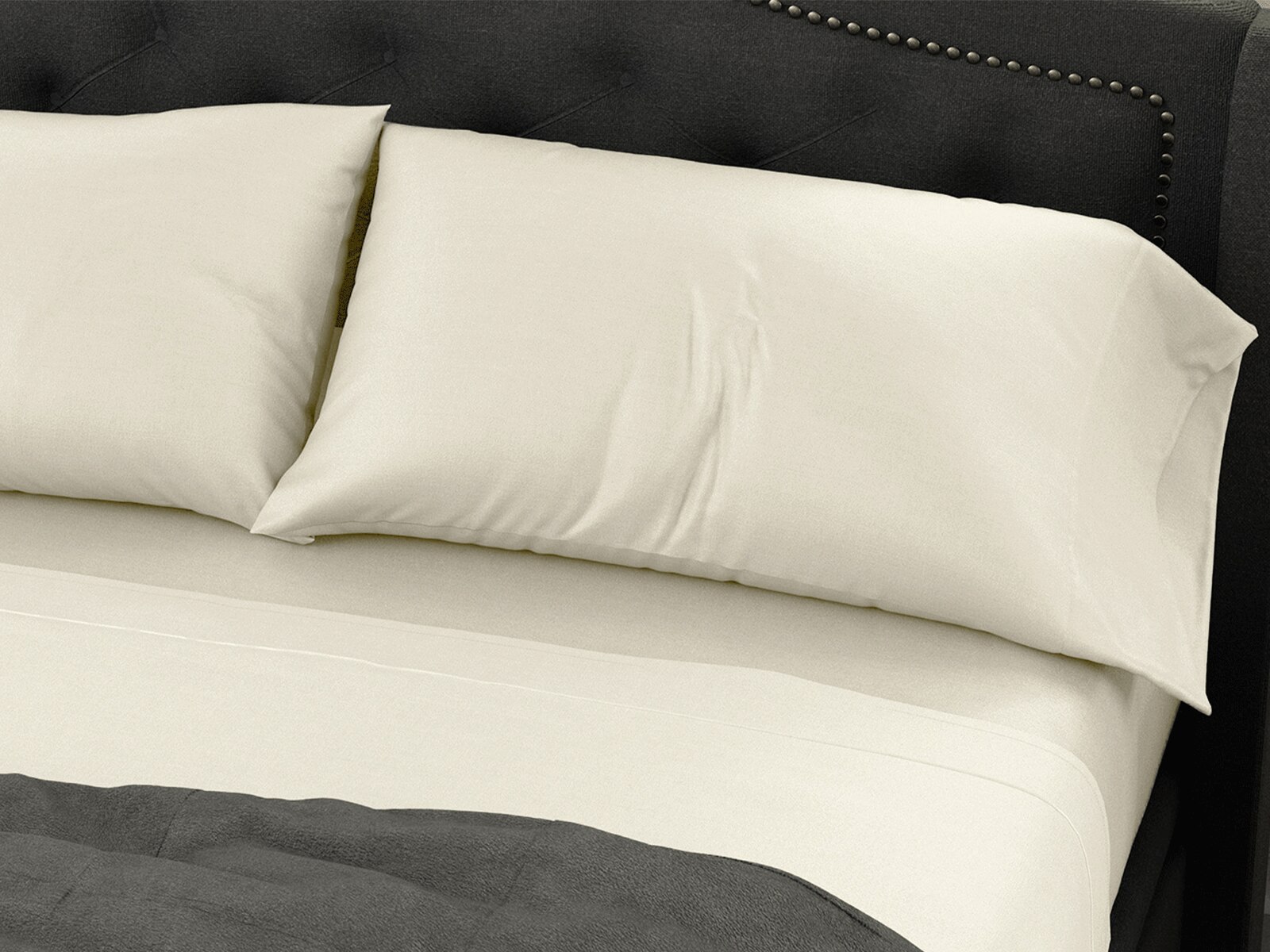
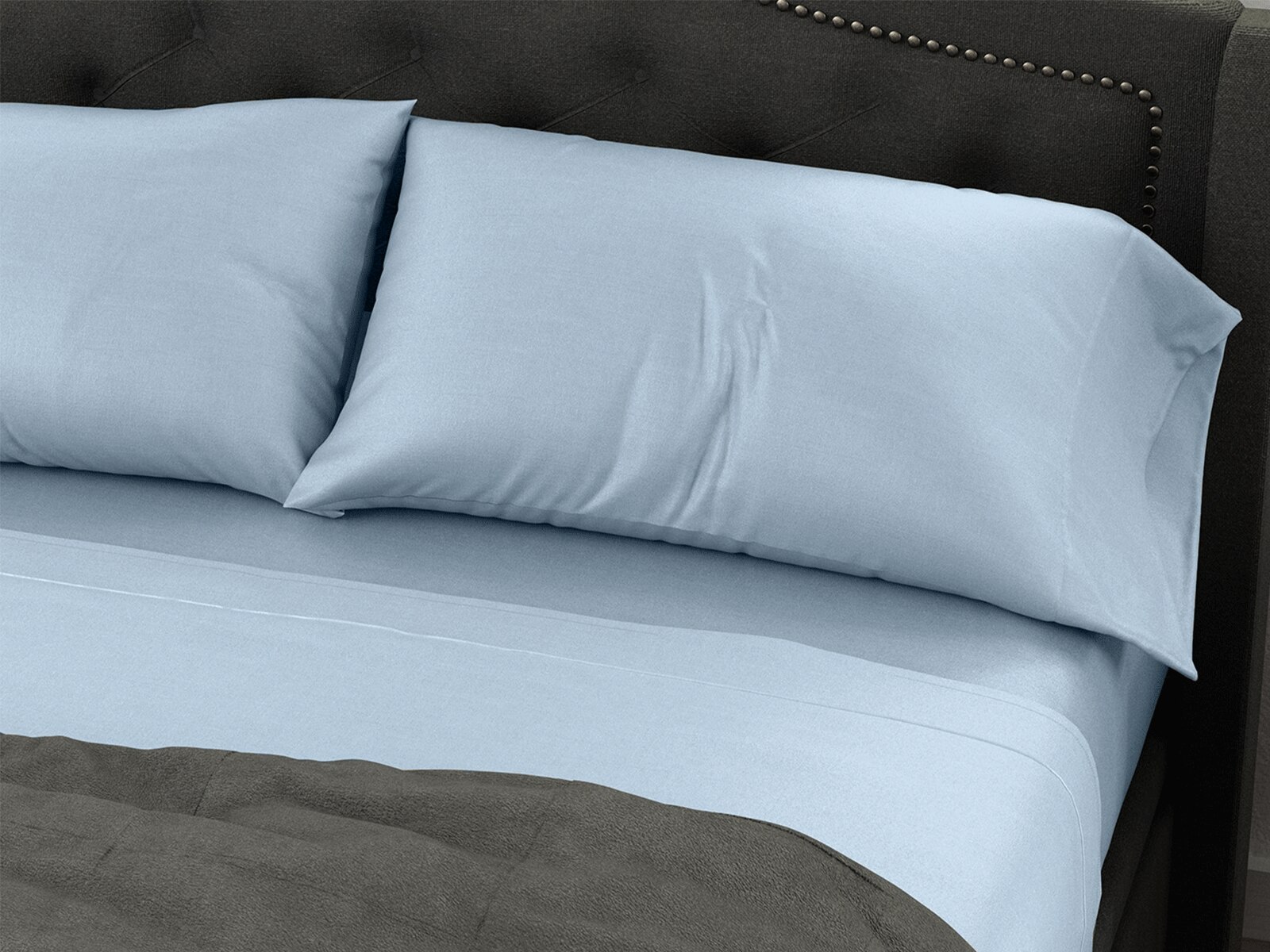
A new home also offers the chance to decide how each bedroom should look and function, rather than carrying every bedding choice forward by habit. White and ivory pillowcases create a clean backdrop for patterned sheets, while charcoal, taupe or soft blue can add definition to a quieter palette. Matching every piece is not necessary. A repeated color, a similar fabric finish or a shared pattern detail can connect pillowcases with the rest of the bed without making the room feel overly coordinated. When furnishing the main sleeping space,
queen size pillowcases for master bedrooms can help tie together the bedding used every night. In a shared bedroom, each sleeper may prefer a different fabric texture, and coordinating colors can create a unified look without requiring identical choices. In a guest room, straightforward care and a comfortable, familiar feel may matter more than decorative detailing. Keep an extra clean pair with the guest sheets so the bed can be refreshed without searching through several closets. For households using similar linens in multiple rooms, storing complete sets together makes it easier to find the correct size. Queen size pillowcases can also make a thoughtful housewarming gift when the recipient’s pillow dimensions and preferences are known. A simple color is often easier to coordinate than a bold print, particularly when someone is still choosing furniture, curtains or wall colors. For a first apartment, a newly shared home or a move into a larger space, useful bedding supports routines that are still taking shape. Consider whether the recipient prefers low-maintenance laundering, a crisp finish or a particularly smooth surface. Thoughtful selection is less about creating a picture-perfect bedroom and more about making the room comfortable to use. Well-fitting pillowcases that suit the sleeper, coordinate with existing linens and stand up to the household’s care routine can become an easy, dependable part of feeling at home.