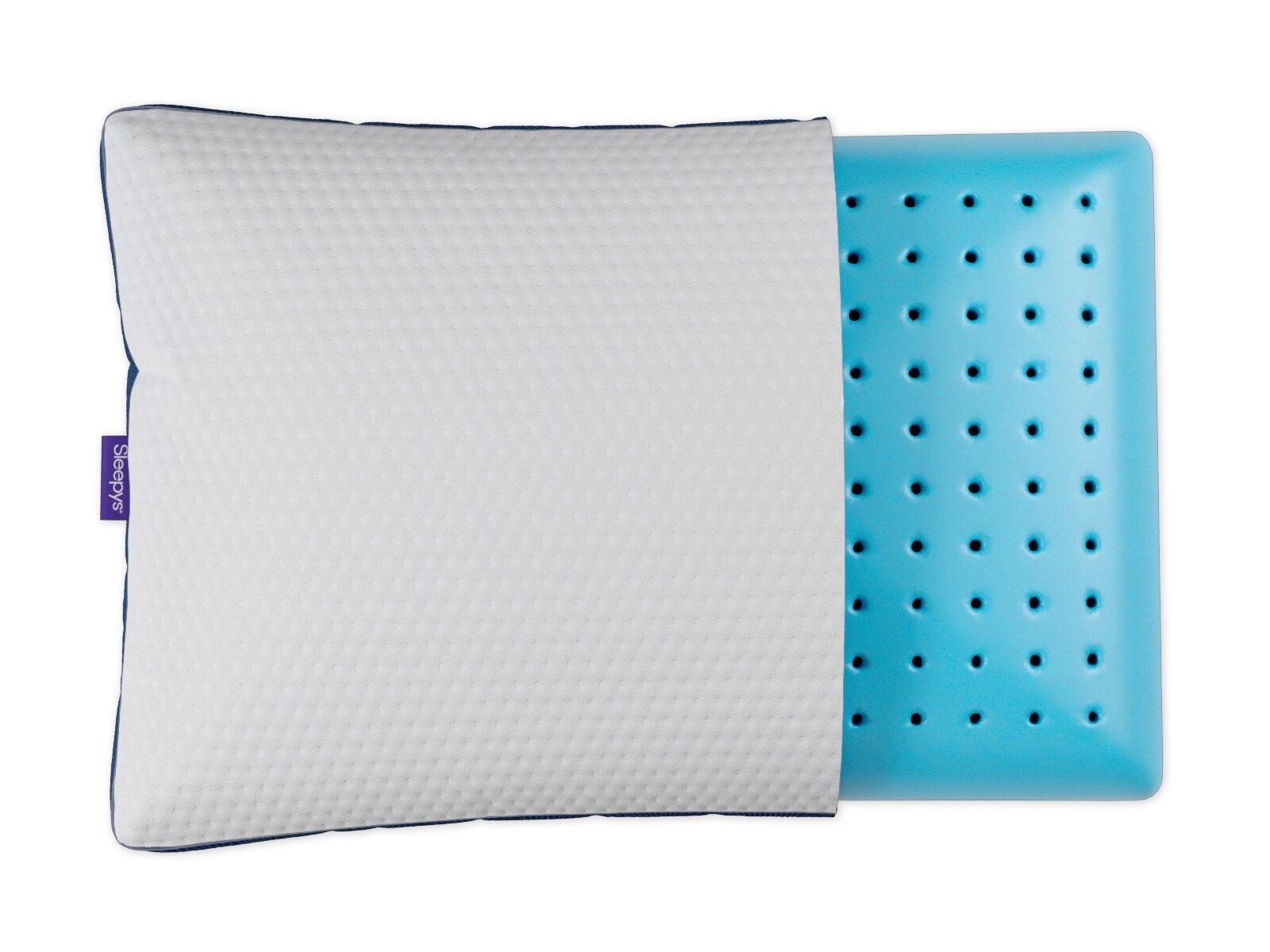
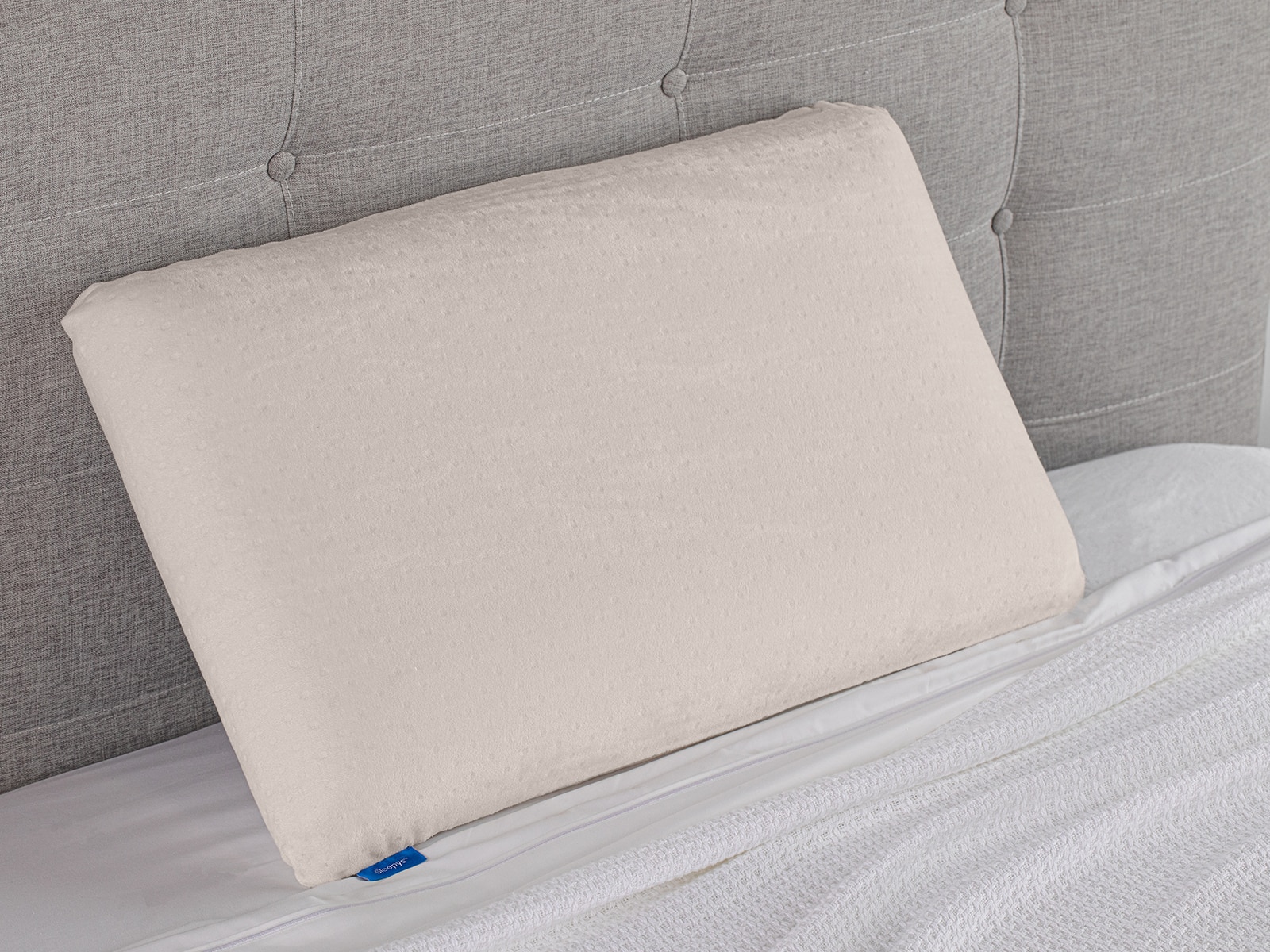
Refreshing rest pillows bring together comfortable head and neck support with features designed to help reduce heat buildup, including breathable fabrics, ventilated construction and cooling materials. The goal is a comfortable place to settle in, without the stuffy feeling that can develop where a pillow meets the face. These pillows may appeal to people who often turn their pillow over to find a cooler surface, prefer an airy feel against their cheek or want support that stays comfortable as they change positions. Cooling pillow features work in different ways, so the cover and the interior both matter. A cool-to-the-touch fabric can create an immediately refreshing sensation, while a breathable cover allows air and moisture vapor to move through the material. That initial cool feeling is not a promise that the surface will remain cold throughout the night. Ventilation holes, open spaces between pieces of fill and mesh panels can provide pathways for airflow, although the surrounding pillowcase and bedding also affect how freely air moves. Memory foam typically contours beneath the head and neck, creating a close, cushioned feel. Gel-infused foam may be designed to help manage surface warmth, but its performance depends on the full pillow construction rather than the gel alone. Latex often has a more buoyant response, with less of the slow-sinking sensation associated with memory foam. Fiber fills can offer a softer, more compressible feel, while shredded foam combines cushioning with a shape that can be redistributed. For someone who likes to tuck a hand beneath the pillow or gather an edge under the neck, that flexibility can be especially comfortable. Smooth covers, securely finished seams and fill that stays evenly distributed contribute to everyday comfort, too. A refreshing rest pillow is ultimately more than a cool surface: its materials need to work together to provide a feel that suits the sleeper throughout the night.
The right pillow fit depends on sleeping position, shoulder width, mattress feel and personal preference. Loft describes a pillow’s height, but the height after the head settles into it matters more than how tall it looks on the bed. Side sleepers generally need enough loft and support to fill the space between the head and mattress without tipping the neck upward. A person with broader shoulders on a firmer mattress may need a fuller pillow than someone whose shoulder sinks more deeply into a softer sleep surface. Back sleepers often feel comfortable with moderate loft that supports the natural curve of the neck without pushing the chin toward the chest. Stomach sleepers typically need a thinner, softer pillow to limit how far the head is lifted, though comfort varies from person to person. Someone who starts on their side and rolls onto their back may appreciate a responsive fill that adapts as they move. Adjustable fill can provide another way to fine-tune height and firmness when the pillow’s construction allows it. Firmness and loft are separate qualities: a tall pillow can compress easily, while a lower pillow can feel quite supportive. The practical test is whether the head feels comfortably supported and the neck rests in a natural position, rather than being held at an angle. Pillow size also shapes the experience. A standard pillow offers a familiar footprint, while queen and king pillows provide more room for movement across the bed. Matching the pillow to its pillowcase helps prevent bunching or tight compression that changes the intended feel. Refreshing rest pillows can suit a primary bedroom, a guest room or a new apartment where comfortable bedding makes the space feel more settled. They can also make a thoughtful housewarming gift when the recipient’s preferred sleeping position and pillow feel are known. For a guest bed used by different people, a balanced, adaptable feel may be more practical than an especially high or firm pillow.
Care and durability deserve as much attention as the first impression of softness or coolness. A removable cover can make routine cleaning simpler, but a washable cover does not necessarily mean the entire pillow can go into the washing machine. Care labels should distinguish between the outer fabric and the interior fill, with washing and drying methods suited to each material. Many solid foam interiors require spot cleaning rather than immersion, while some fiber-filled or other washable constructions allow more thorough cleaning according to their instructions. Any pillow that is washed needs to dry completely before returning to the bed; trapped moisture can leave the interior damp even when the surface feels dry. A well-fitting pillowcase and a breathable protector can help keep everyday moisture, hair products and body oils away from the pillow itself. These extra layers should complement the pillow’s design, since heavy or tightly woven coverings may change the surface feel or restrict airflow. Routine care may include gently redistributing loose fill, letting the pillow air out as directed and checking that seams and closures remain secure. Durability depends on the materials, frequency of use and care, so a single replacement schedule does not suit every pillow. Noticeable flattening, persistent clumps or a shape that no longer rebounds can signal that the pillow is no longer providing its original support. A pillow that needs repeated folding to feel comfortable may also have lost useful loft. When comparing refreshing rest pillows with
Deep Rest Pillows, the most useful distinctions are the support, surface feel, adjustability and upkeep that fit everyday habits. A breathable cover may matter most to someone who dislikes warmth against their face, while resilient fill may be the priority for someone who changes positions often. The strongest choice brings those preferences together in a pillow that fits the bed, feels comfortable beneath the head and remains manageable to care for over time.