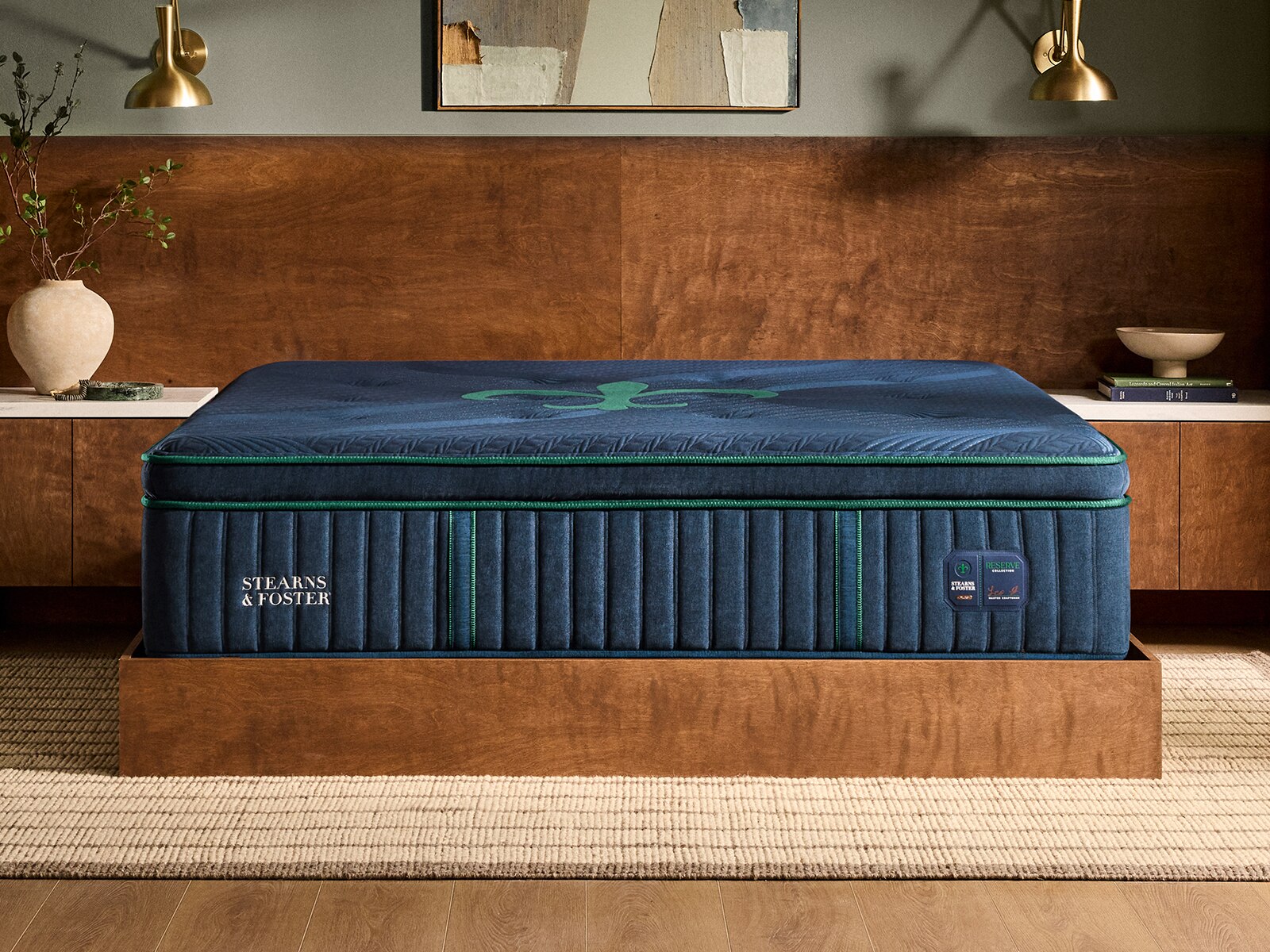
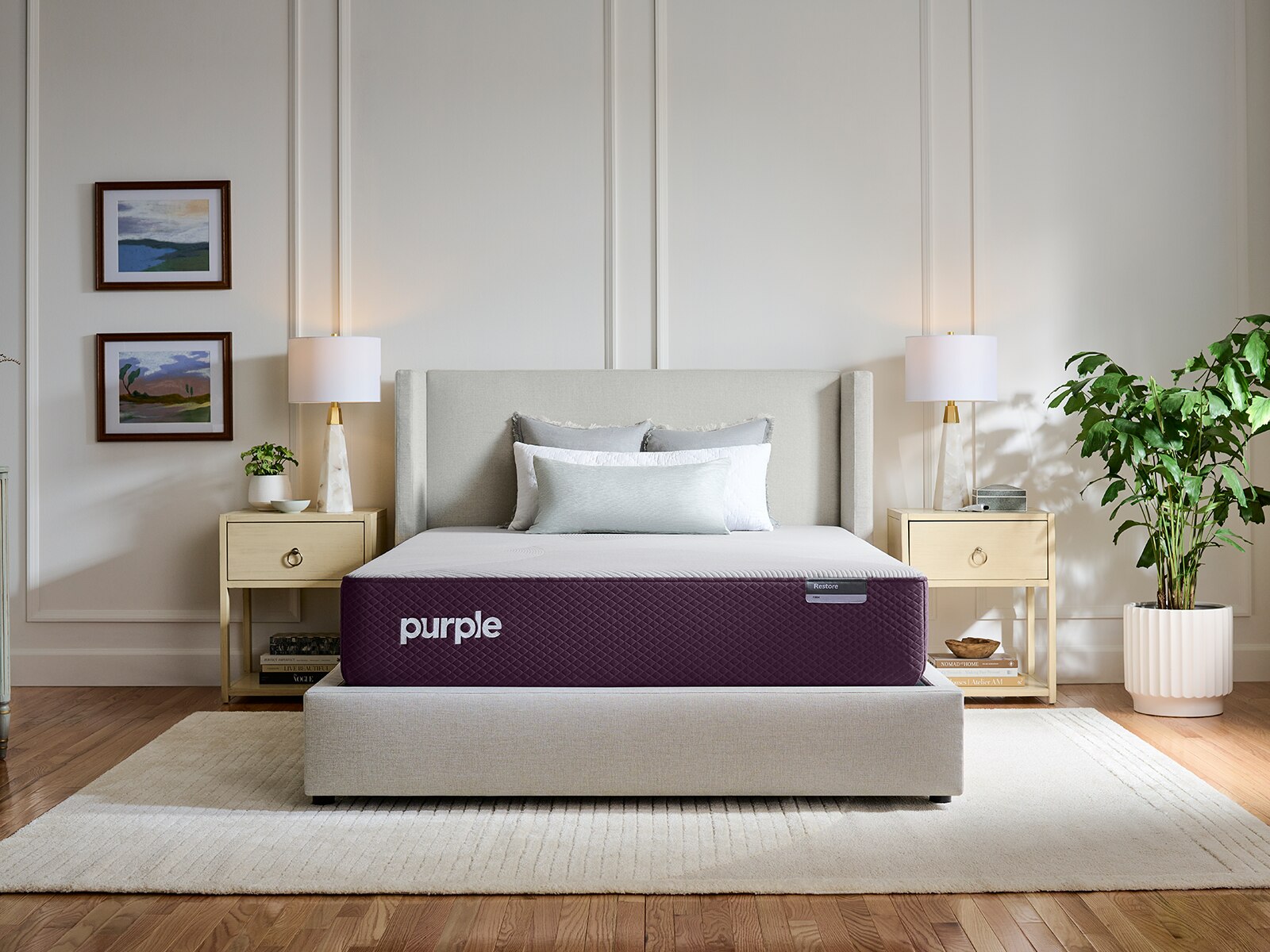
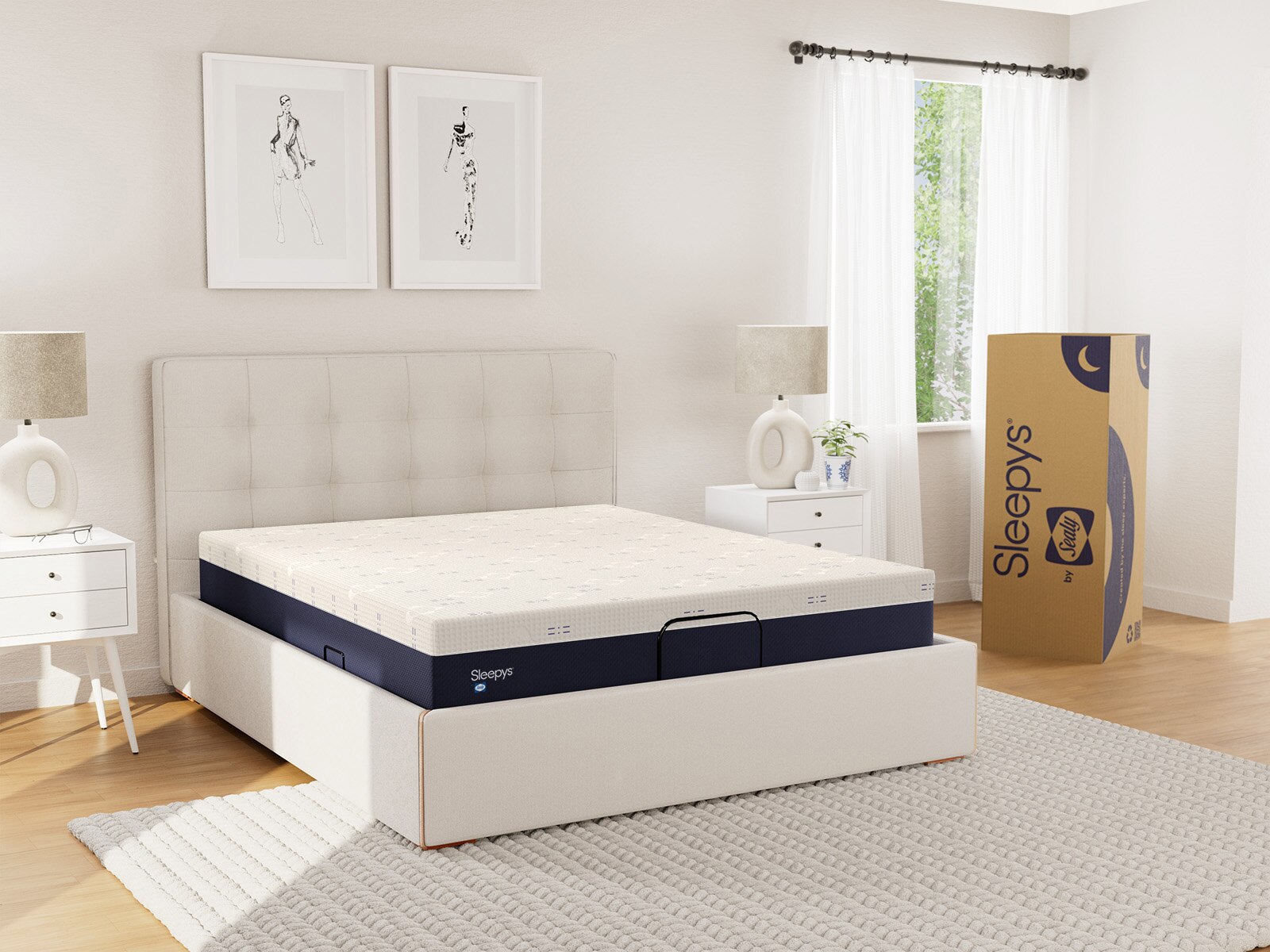
Restful sleep mattresses are designed to balance cushioning, support and comfort so the body can settle into a relaxed sleeping position. The most suitable feel depends on how a person sleeps, how much cushioning feels comfortable and whether the bed is shared. A mattress that feels plush to one sleeper may feel too soft to another, making personal fit more meaningful than a firmness label alone. Memory foam typically responds gradually to body weight, creating a close, contouring feel around the shoulders and hips. Latex generally feels more buoyant, with a quicker response when a sleeper changes position. Innerspring constructions use coils for support and often have a more lifted, responsive feel, while hybrid mattresses pair a coil support system with substantial comfort layers of foam, latex or other cushioning materials. Each construction can work well for restful sleep when its overall feel suits the person using it. Comfort layers help distribute pressure at the surface, while the support core helps keep the body from sinking unevenly. Those functions work together: a thick, soft top does not necessarily mean a mattress lacks support, and a firm surface does not automatically make it a better fit. For someone who spends most of the night on one side, enough cushioning for the shoulder and hip can make the difference between settling comfortably and repeatedly shifting position. A back sleeper may prefer gentle contouring through the lower back without excessive sinking at the pelvis. A stomach sleeper often benefits from a more supportive feel that limits deep sinking through the midsection. Combination sleepers may appreciate a responsive surface that makes rolling over feel natural rather than effortful. These are useful starting points, not fixed rules. Body size, personal preference and the way a mattress interacts with a pillow all influence comfort, so the goal is a balanced sleep surface rather than the softest or firmest mattress possible. Descriptions such as plush, medium and firm help narrow the field, but construction details give those labels their practical meaning.
The right fit also includes the space around the sleeper. A person who curls up in one position may have different space needs from someone who stretches out, changes sides frequently or shares the bed with a partner. Queen mattresses measure approximately 60 inches wide by 80 inches long, while king mattresses measure approximately 76 inches wide by 80 inches long. That additional width can give two sleepers more room to adjust positions without crowding each other. Explore
Restful Sleep King Mattresses for a closer look at this spacious size. A California King is generally narrower and longer than a standard king, measuring approximately 72 inches wide by 84 inches long, which may suit taller sleepers. Bedroom dimensions matter alongside mattress dimensions: space to open drawers, move around the bed and reach a nightstand helps the room remain comfortable to use. Mattress height deserves attention, too, especially when paired with a tall foundation or a low platform frame. The combined height affects how easily someone can sit on the edge and get into or out of bed. For shared beds, motion isolation can help reduce the movement felt when a partner turns over or gets up. Foam comfort layers and individually wrapped coils may contribute to that separation, though performance varies by construction. Edge support is another consideration for people who sit at the bedside to put on socks or tend to sleep near the perimeter. A stable edge can make more of the surface feel usable. Couples with different comfort preferences may find a balanced feel that suits both, while compatible split configurations can allow separate adjustments in some setups. For a primary bedroom, nightly comfort and long-term support tend to carry the most weight. In a guest room, a broadly comfortable feel and a practical size can help accommodate visitors with different sleeping habits without making the room difficult to navigate.
Materials, construction and everyday care all influence how a mattress feels over time. Foam density, coil design, layer thickness and the way components are assembled can affect durability, but no single specification tells the whole story. Higher-density foam is not automatically firmer, just as a taller mattress is not automatically more supportive. A well-matched support system beneath the mattress is equally important. Some mattresses require closely spaced slats, a solid platform or a particular type of foundation, so the manufacturer’s requirements should guide the setup. An adjustable base also requires a mattress designed to flex with it; compatibility should be confirmed rather than assumed. Once the bed is in use, a properly fitted mattress protector helps shield the surface from spills and everyday moisture without replacing regular care. Sheets should fit the mattress depth without pulling tightly across the corners, which can compress the surface or make the bed harder to keep neatly covered. Cleaning methods vary by material, but soaking a mattress can damage its internal layers. Following the care label, addressing small spills promptly and allowing any cleaned area to dry fully helps protect the construction. Rotation may help distribute wear when recommended, while flipping is appropriate only for mattresses specifically designed for use on both sides. Normal settling can occur as comfort materials respond to repeated use; persistent sagging or a noticeable loss of support deserves closer attention. A mattress may also stop feeling suitable because a sleeper’s needs have changed, even when its surface still looks tidy. A new sleeping position, a different bed partner or a change in mobility can alter what feels comfortable. Pillows and bedding contribute to the finished setup, but they cannot fully correct a mattress that consistently feels unsupportive. Restful sleep depends on several habits and conditions beyond the bed itself, yet a thoughtfully matched mattress provides a foundation for settling in, changing position comfortably and waking without the feeling of having spent the night searching for a better spot.