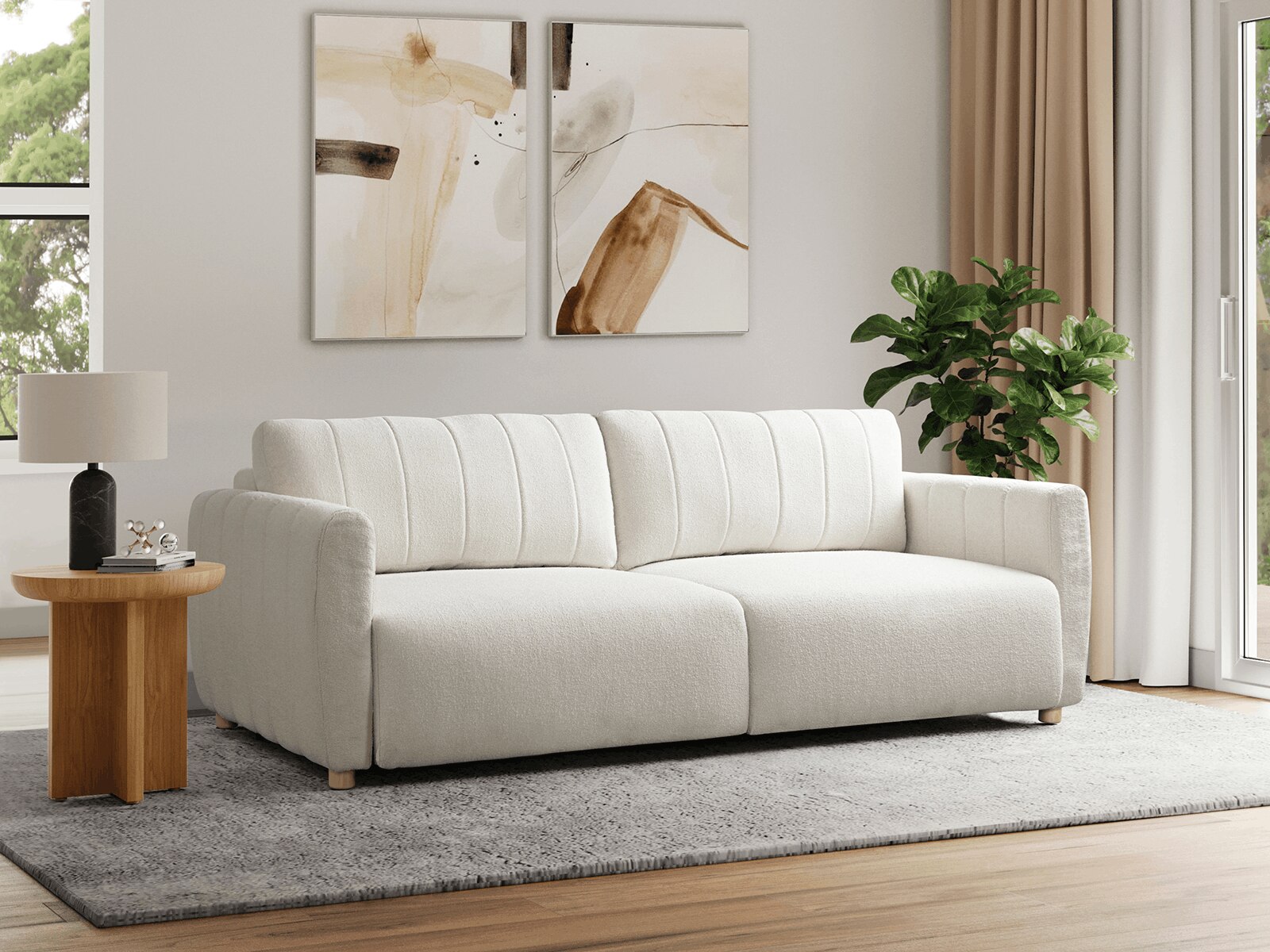
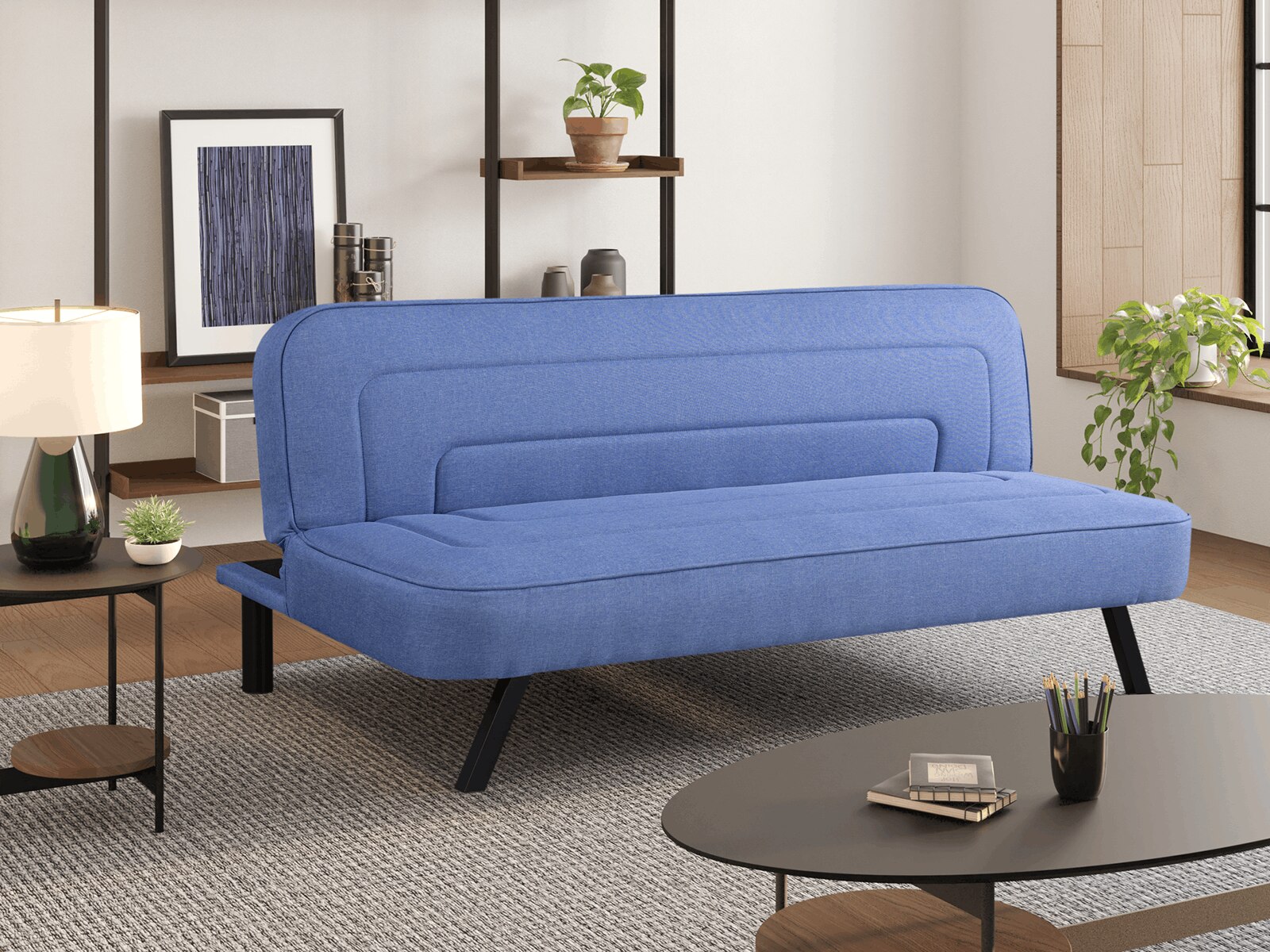
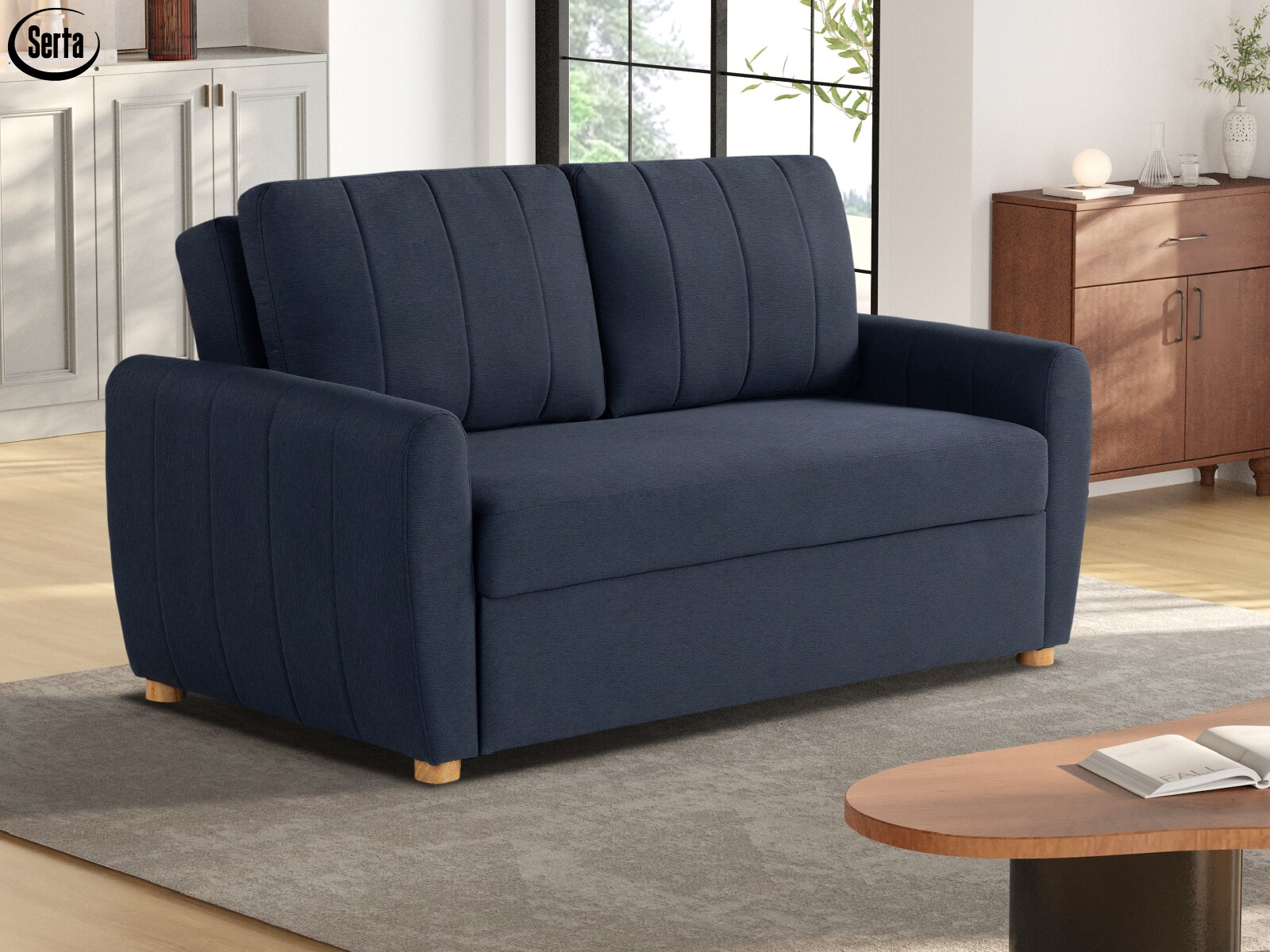
Seating for basements works best when it suits the room’s purpose, fits the route downstairs and accommodates the space’s moisture conditions. A basement used for movies calls for a different arrangement than a room shared by board games, homework and conversation. Sofas and sectionals create a central gathering spot, while loveseats and individual chairs can divide a larger room into smaller areas without building permanent partitions. Modular seating can be useful around support columns or an irregular floor plan, provided the individual sections fit through the entry and connect securely once assembled. In a media area, seat depth, back height and viewing distance all affect comfort: a deep cushion invites stretching out, while a more upright seat can feel better for conversation or getting up between activities. A pair of chairs near a game table gives guests somewhere to sit without occupying the main sofa, and lightweight accent seating can move between those areas as needed. For a basement bar or counter, stool seat height needs to correspond with the underside of the surface, leaving comfortable room for legs. The furniture’s footprint matters beyond its listed width. Recliners need space when fully extended, and sectional corners should not interrupt the path between the stairs, seating area and exits. Delivery access deserves the same attention as the finished layout. Stair width, landings, door openings, handrails and ceiling clearance can determine whether a piece reaches its intended spot. Removable legs or backs may help with access, but that capability should be confirmed rather than assumed. Low-profile seating can make a room with limited ceiling height feel less crowded, while furniture raised on legs leaves more of the floor visible. A balanced arrangement also preserves access to utility panels, vents and windows, so a comfortable lounge remains a functional part of the home. Where several people share the room, a mix of seat sizes often feels more accommodating than one oversized piece that fills every usable corner.
Materials and construction deserve particular attention in a basement because upholstery and furniture frames need a consistently dry, well-maintained environment. Persistent dampness, water intrusion or a musty smell should be addressed before upholstered seating is placed in the room; no fabric treatment or frame material substitutes for correcting a moisture problem. Leaving appropriate space between furniture and exterior walls can make inspection and cleaning easier, especially where masonry is present. Within a dry, finished space, tightly woven upholstery can be practical for everyday family use, though durability depends on the fabric’s construction and care requirements rather than appearance alone. Smooth fabrics may be easier to vacuum than deep textures that hold crumbs, while pronounced weaves can catch pet claws. Performance upholstery may help with certain spills or stains, but the label should explain what protection applies and how the surface should be cleaned. Leather and leather-look materials have different maintenance needs, so their care directions are not interchangeable. Frame construction, secure joints and well-supported seating surfaces contribute to a sturdy feel. Metal components should be checked for appropriate assembly and maintenance, while wood-based frames should be protected from prolonged moisture exposure. Cushion fill changes the experience, too. Resilient foam tends to provide a more structured seat, while fiber-filled cushions often feel softer and may need regular fluffing to keep their shape. A cushion that feels inviting for a short movie preview may feel different after a full feature, making sustained support worth considering alongside initial softness. Removable covers can simplify care when the manufacturer permits washing, but a zippered cover is not automatically machine washable. Routine vacuuming, prompt attention to spills and cleaning methods matched to the upholstery help preserve its appearance. Underneath, stable legs and floor-appropriate protective pads can reduce scuffing without compromising balance. Easy access around and beneath the furniture also makes regular floor cleaning less of a chore.
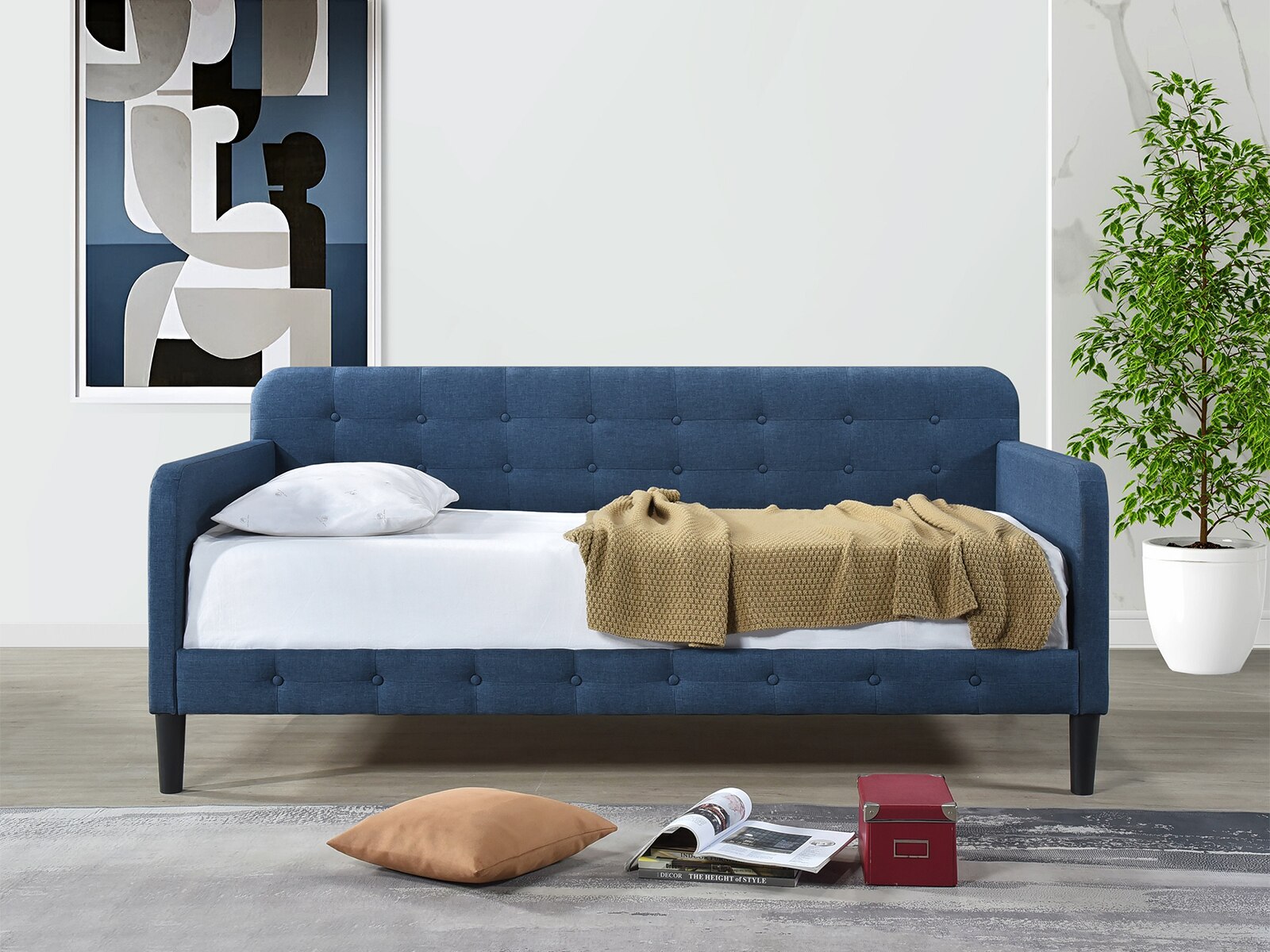
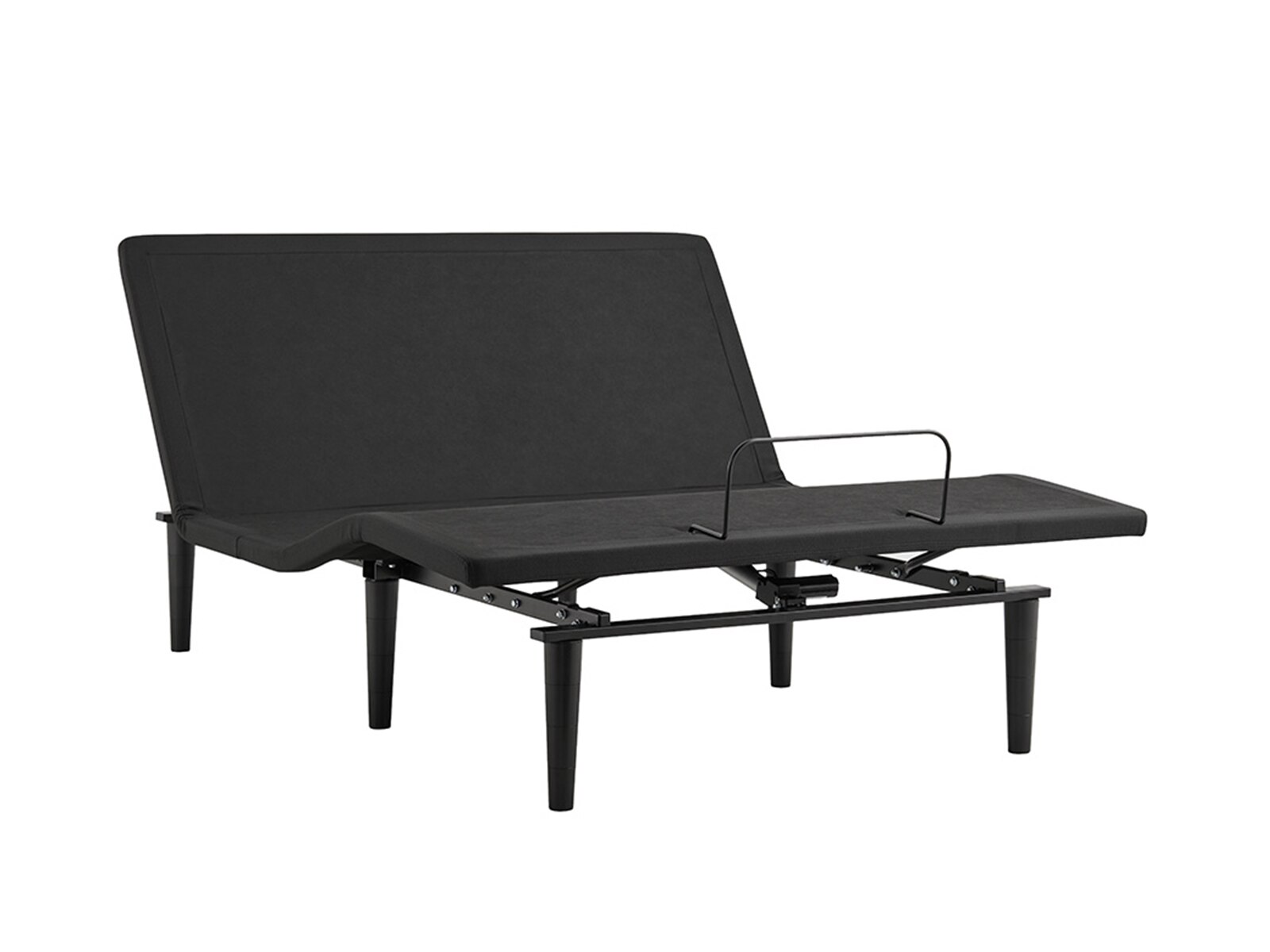
Flexible basement seating is especially useful when one room needs to support both everyday life and occasional guests. A sofa can anchor a television area, but a daybed adds a different kind of versatility by providing a mattress-based surface for sitting and resting. For spaces that also accommodate overnight visitors,
Daybeds For Basements can combine daytime lounging with a dedicated place to sleep. Back cushions and supportive pillows help create a seated setup, while mattress dimensions and the frame’s requirements determine the sleeping surface. A daybed still needs enough surrounding room for someone to get in and out comfortably, and any pullout component requires additional clear floor space. Convertible seating brings similar considerations: the open dimensions matter just as much as the closed footprint, and nearby tables may need to move when the furniture changes function. For a household that hosts game nights, a mix of upright chairs and relaxed seating lets people settle into different activities without everyone facing the television. An ottoman can provide a footrest or a place for a tray when designed for that use, though not every ottoman is intended to serve as an extra seat. Storage compartments can help contain throws and games, with lid design and manufacturer guidance especially important in homes with children. Comfort also varies by person. A lower, deeper seat may appeal to someone who likes to curl up, while a firmer cushion, supportive arms and a seat height that allows feet to rest on the floor may make sitting down and standing up easier for others. Families with pets may place greater value on washable accessories and upholstery that releases hair easily. Reading corners benefit from supportive backs and enough room for a nearby light, while shared hobby spaces need seating that does not crowd work surfaces. The most useful arrangement leaves room for these everyday habits, bringing together comfortable support, manageable care and a layout that feels welcoming without making the basement difficult to move through.