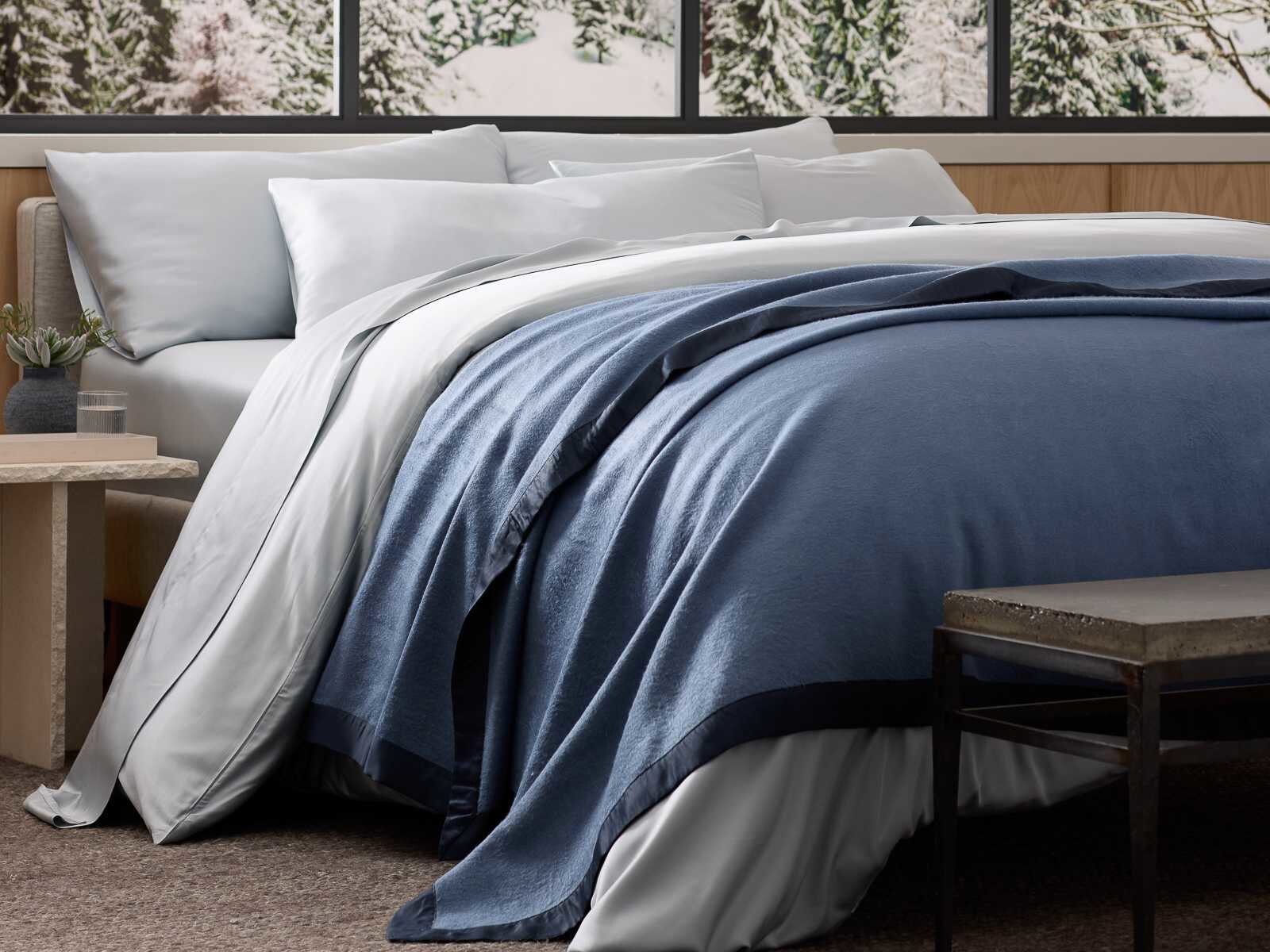
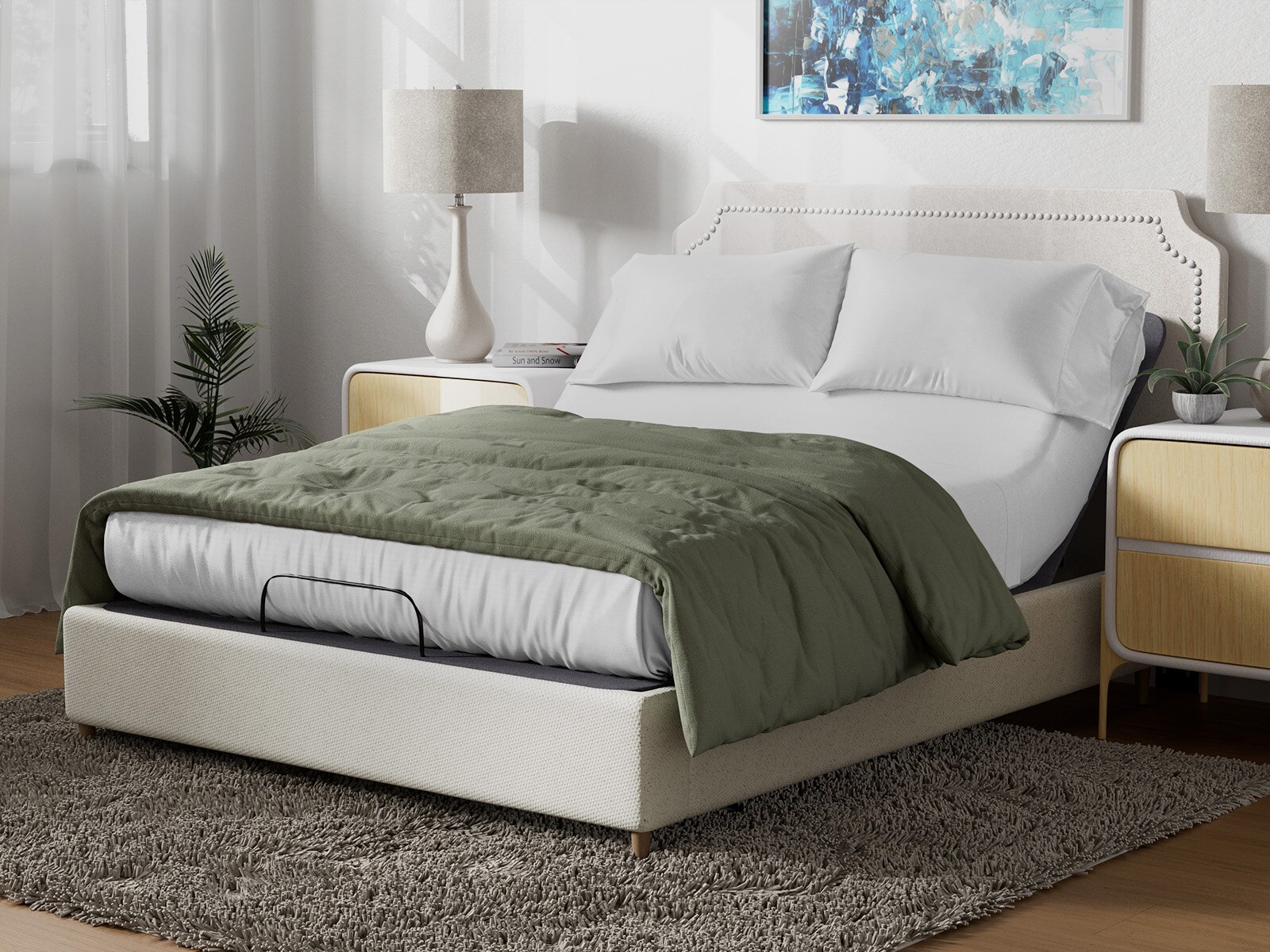
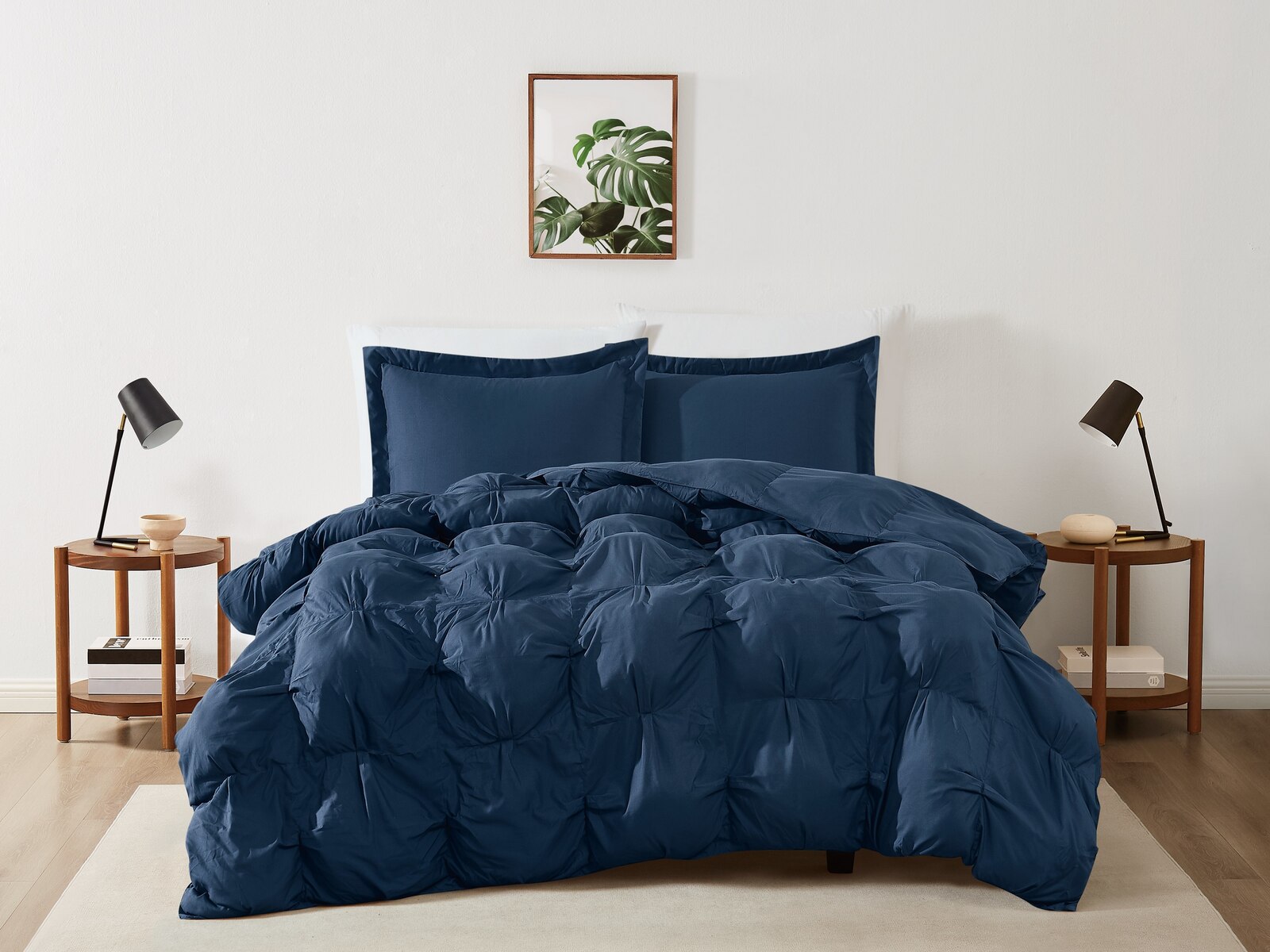
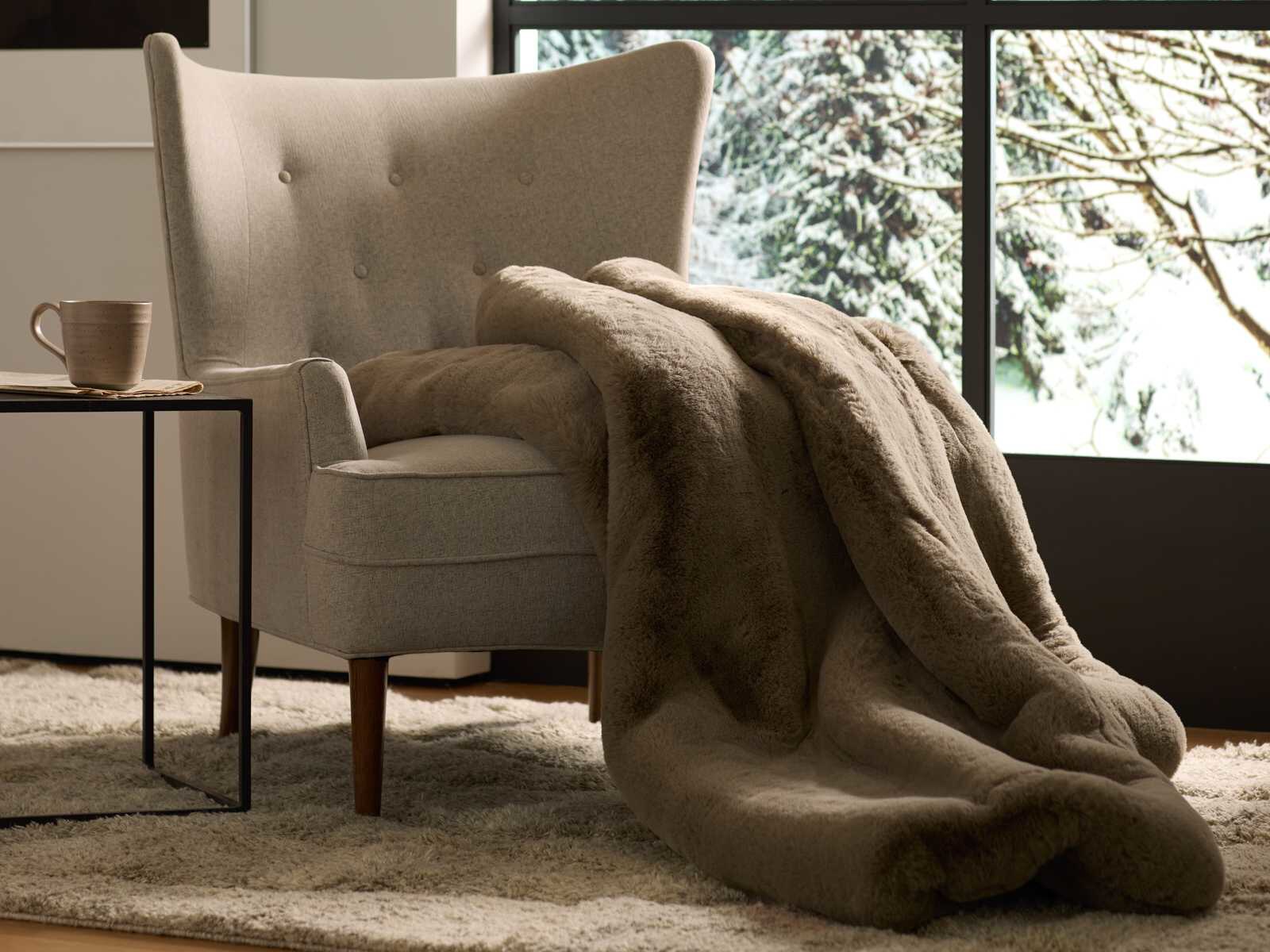
Soft touch throws are smaller blankets chosen for their pleasant feel, easy drape and everyday versatility. They add a comfortable layer to a sofa, reading chair or bed without the bulk of full-size bedding. The term “soft touch” describes the feel of the surface rather than one particular material, so throws in this category can have noticeably different textures. Fleece often has a lightly raised surface that feels smooth and cushioned, while plush microfiber can have a finer, velvety finish. Faux fur offers a deeper pile with a more pronounced texture, and brushed cotton provides softness with a familiar fabric feel. A knit throw may feel supple and relaxed, with its texture coming from the yarn and stitch pattern rather than a brushed finish. These differences matter when a blanket rests against bare arms, lies across a lap or gets tucked around the shoulders during a quiet evening at home. Someone who prefers a sleek surface may enjoy a closely finished fleece, while someone drawn to a fuller texture may favor a longer pile. Microfiber refers to very fine fibers, often made from polyester, rather than a single construction or level of softness. Polyester throws can be lightweight and easy to care for, although washing requirements depend on the fabric and finish. Cotton absorbs moisture readily and can feel substantial without a deep pile, but its weight and drape vary with the weave. Blended fabrics combine characteristics of different fibers, making the fiber-content label useful alongside the texture description. Fabric weight, sometimes expressed in grams per square meter, helps describe how substantial a throw may feel; it does not establish softness, durability or quality by itself. A dense throw may feel enveloping, while a lighter one may fold neatly over an armrest and settle easily around the body. The most useful comparison considers surface feel, flexibility and weight together rather than treating thickness as the only sign of comfort.
The fit of a soft touch throw depends on where and how it will be used. A common throw size is approximately 50 by 60 inches, though dimensions vary, and the right coverage is personal. That size may work well across a seated person’s lap or over the back of a compact sofa, but a taller person may prefer extra length for coverage from shoulders to feet. For two people sharing a blanket during a movie, width matters as much as length. On a bed, a throw usually serves as an accent or an additional personal layer rather than a replacement for bedding sized to the mattress. A neatly folded throw across the foot of a queen or king bed creates a different look from one loosely draped over a corner, and the dimensions determine how much fabric extends beyond the edges. In a living room, a flexible fabric follows the shape of a chair, while a denser construction can create a more structured fold. Color and texture also influence how naturally the throw fits into the space. A solid shade lets a raised pile or knit pattern take the lead, while a subtle pattern can add interest beside smooth upholstery. Reversible designs may offer two surface textures or contrasting finishes, though the feel of each side depends on its construction. Everyday routines give these details a practical purpose: a compact throw can stay beside a reading chair, an extra-long style can cover someone reclining on a sofa, and a lightweight fabric can be folded into a travel bag for familiar comfort away from home. Soft touch throws also make thoughtful gifts for a housewarming, a birthday or someone settling into a dorm room. For a recipient whose preferences are less familiar, an understated color, manageable size and straightforward care requirements can make the gift easier to incorporate into daily life. Households with pets may also appreciate a tightly constructed surface that is less likely to catch claws than a loose, open knit, although no fabric is immune to snagging.
Care and construction help determine whether a soft touch throw keeps its appealing feel after repeated use. A soft finish should be considered alongside secure stitching, neatly finished edges and a fabric structure suited to its intended setting. Bound or stitched edges can help a throw maintain its shape, while loose threads or an easily stretched border may need gentler handling. Longer-pile fabrics have more surface fibers to groom, and loosely knitted styles can catch on jewelry, furniture hardware or pet claws. Pilling occurs when fibers loosen and gather into small balls through friction; it can develop on different fabric types and does not necessarily mean the whole blanket has worn out. Repeated rubbing against a sofa cushion or washing with rough fabrics can contribute to surface wear. The care label remains the most reliable source for cleaning instructions because similar-looking throws may require different treatment. Machine washable does not automatically mean suitable for every wash cycle or drying method. Some fabrics tolerate tumble drying under specified settings, while others need to air-dry or receive professional care. Fabric softener is not always necessary and may leave a coating that changes the feel of certain finishes. Keeping a plush throw separate from hook-and-loop fasteners, exposed zippers and lint-producing fabrics during washing can help protect its surface. A throw also needs enough room to move during cleaning and should be fully dry before it is folded for storage. Dense pile and layered constructions may take longer to dry than lightweight woven fabrics. Between uses, a loose fold over a chair or placement in a clean basket keeps the blanket within reach without compressing it into a crowded space. For the bedroom, pairing a throw with
soft touch comforters creates complementary layers with different roles: the comforter provides bed-sized coverage, while the throw adds a movable layer for lounging or a finishing touch at the foot of the bed. Thoughtful sizing, a pleasing texture and care requirements that fit the household make a soft touch throw an easy part of everyday comfort.