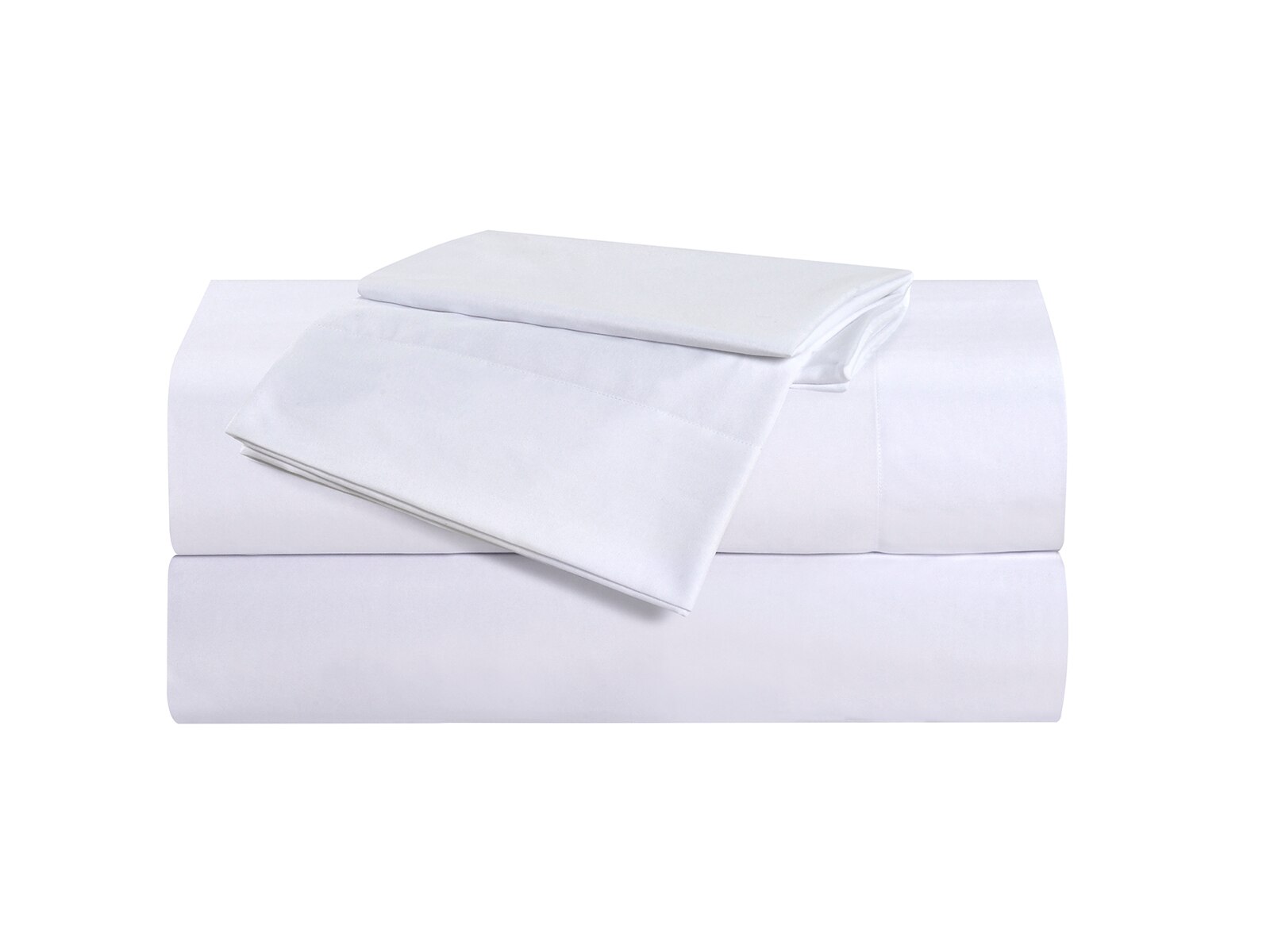
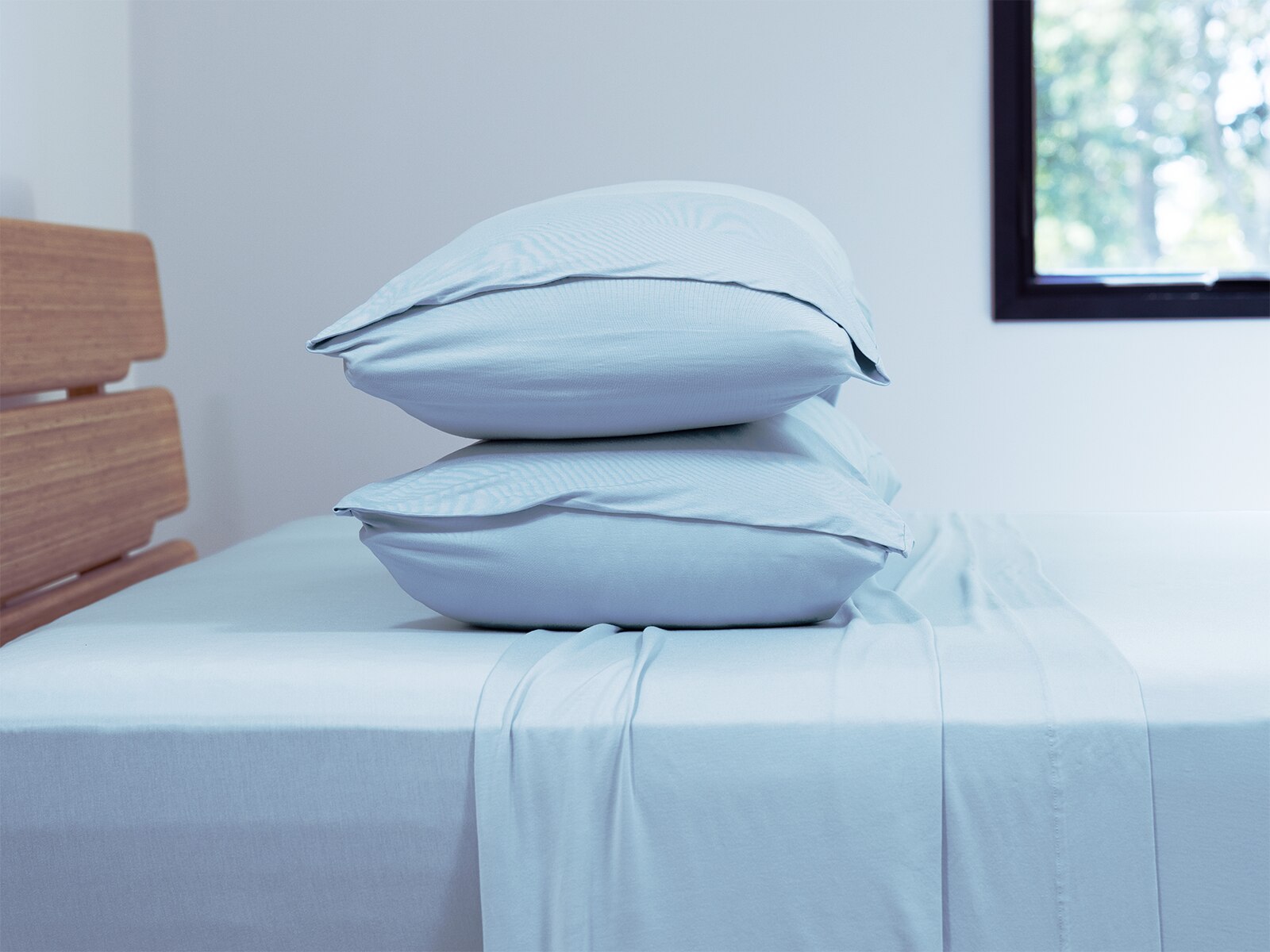
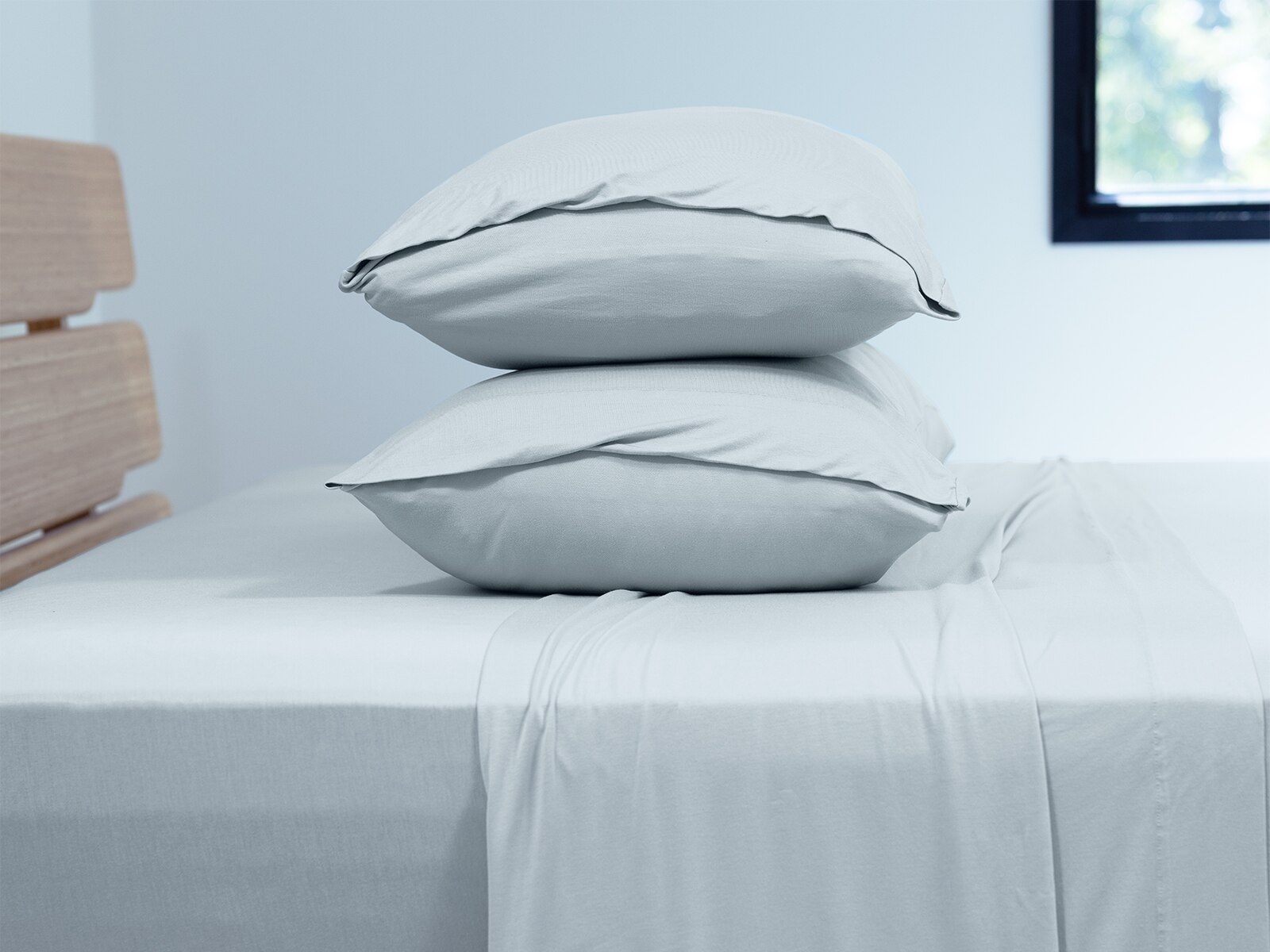
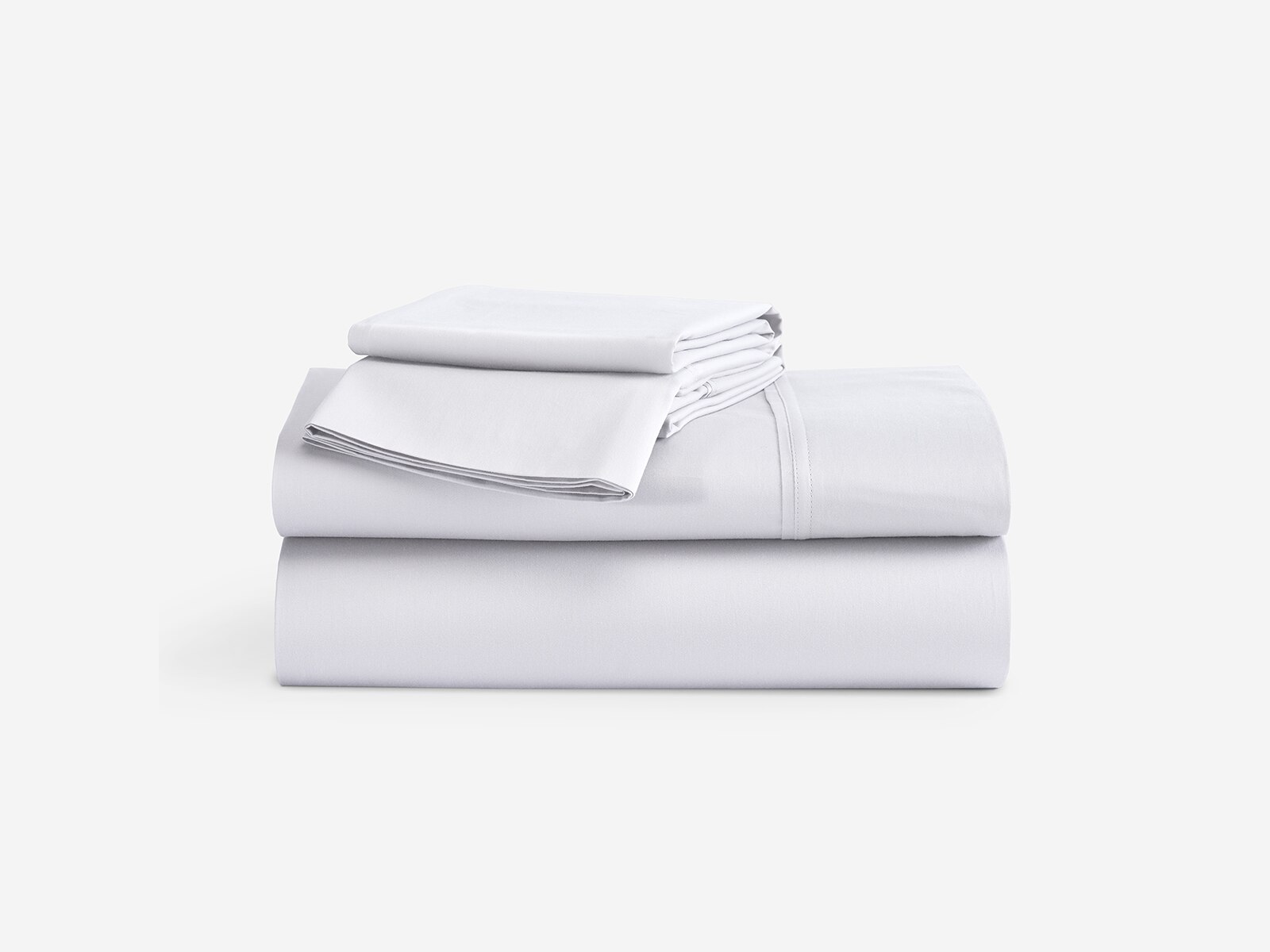
Soft wrinkle-free sheet sets combine a comfortable feel with a smoother, more finished look, making them a practical choice for beds that get used every day. In bedding, “wrinkle-free” generally describes fabric designed to resist creasing rather than a guarantee that every fold will disappear. Fiber content, weave, finishing treatments and laundry habits all influence how smooth sheets look after washing and how they feel against the skin. Microfiber sheets, commonly made from finely spun polyester fibers, often have a soft, brushed surface and resist wrinkles because of the fibers’ natural resilience. Their texture can feel velvety rather than crisp, though breathability varies with fabric weight and construction. Cotton-polyester blends offer another approach, pairing cotton’s familiar feel with polyester’s resistance to creasing and shrinking. Cotton sheets may also have wrinkle-resistant finishes that help them maintain a neater appearance, but untreated cotton typically develops more visible folds. Rayon made from bamboo can create a fluid, silky texture; however, that softness alone does not make a sheet wrinkle-resistant. Blending it with polyester may improve resistance to creasing, depending on the fabric. Weave matters, too: sateen often feels smooth and drapes closely over the mattress, while percale usually has a crisper feel. Neither weave automatically makes sheets wrinkle-free. A brushed finish can add softness, while a smoother finish may appeal to someone who prefers sheets that glide easily beneath a blanket. Thread count is only part of the picture for woven sheets, not a dependable shortcut to softness, durability or wrinkle resistance. Fiber quality, yarn construction and finishing can matter more than a large number on the package, and microfiber is often described by fabric weight instead. The most useful distinction is how the complete fabric feels and performs: supple rather than stiff, comfortable rather than scratchy and easy to straighten without requiring a perfectly pressed appearance. That balance suits anyone who appreciates a tidy bed but prefers a simple bedding routine over regular ironing.
A well-fitting sheet set contributes as much to a smooth-looking bed as the fabric itself. A fitted sheet that is too shallow can pull away from the corners, while one with more depth than the mattress needs may leave loose fabric that bunches beneath the sleeper. Mattress size and mattress depth are separate measurements, so both deserve attention. A topper or thick mattress protector adds to the height the fitted sheet must cover, and pocket-depth descriptions should be checked against the total sleeping surface rather than the mattress alone. For a standard full mattress, which measures approximately 54 by 75 inches,
wrinkle-free sheet sets in full size offer the corresponding size category, with individual dimensions and pocket depth still worth checking. Stretch in the fitted sheet and elastic around its perimeter can help keep the fabric anchored, but neither substitutes for the correct measurements. The flat sheet needs enough width and length to drape comfortably or tuck beneath the mattress without pulling tight across the bed. Pillowcase dimensions also matter, especially when pairing a new sheet set with pillows already in use. Set contents vary, so the number of pillowcases and inclusion of a flat sheet should be confirmed rather than assumed. These details are especially useful for a shared bed, where shifting fabric can interrupt an otherwise comfortable surface, or a child’s room, where secure corners make daily straightening easier. Color and texture influence the finished look as well. A subtle solid color can provide a quiet backdrop for patterned bedding, while a gentle sheen gives a neatly made bed a more polished appearance. Matte, brushed fabrics tend to create a softer visual effect. Neither look determines performance, but each can complement the way the bedroom is used. For a guest room, a smooth sheet set helps create an inviting bed without requiring elaborate styling; for everyday use, a comfortable fit keeps the focus on rest rather than readjusting loose corners.
Easy care is part of the appeal of soft wrinkle-free sheet sets, but the care label remains the best reference for protecting the fabric and any applied finish. Recommended washing and drying settings vary by material, and excessive dryer heat can affect fibers, elastic or finishing treatments. Giving sheets enough room to move in the washer helps them rinse thoroughly, while separating them from towels and garments with hooks or zippers can reduce lint and abrasion. Prompt removal from the dryer is particularly helpful for wrinkle resistance: sheets left compressed in a basket can develop folds even when the fabric is designed to stay smooth. A gentle shake before making the bed, followed by smoothing the fitted sheet across the mattress, often improves the appearance without extra steps. Sheets should be completely dry before they are folded or stored, and a loosely organized linen shelf helps prevent tightly packed sets from taking on deep creases. Fabric softener is not necessary for every material and may affect absorbency or surface feel, so any laundry additives should be compatible with the care instructions. Durability depends on more than softness at the first touch. Secure seams, neatly finished hems and resilient elastic help a set withstand repeated use, while pilling resistance depends on fiber quality, construction and handling. Certain wrinkle-resistant finishes can change with repeated laundering, making consistent care more useful than expecting the original appearance to remain unchanged indefinitely. Rotating between sheet sets gives each one time between uses and makes bedding changes easier to manage. These qualities make smooth, easy-care sheets a thoughtful choice for someone furnishing a first apartment, refreshing a bedroom or setting up a welcoming guest space. They can also be a useful housewarming or wedding gift when the mattress size, depth and preferred fabric feel are known. Someone who enjoys a silky surface may appreciate a different construction than someone who favors a soft, brushed touch. Matching those everyday preferences with reliable fit and manageable care creates a sheet set that feels personal, practical and comfortable long after the bed is first made.