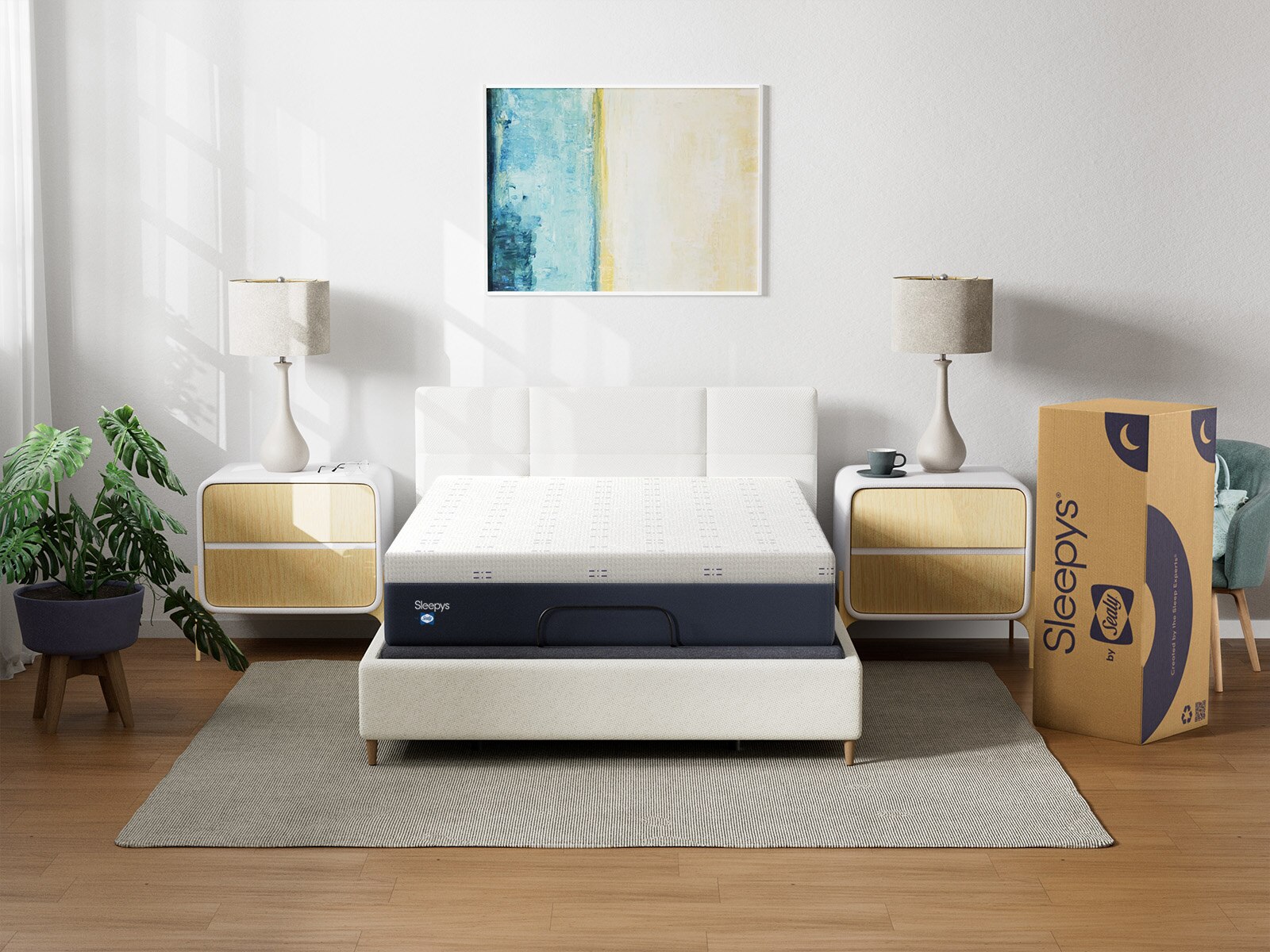
Stretch knit cover mattresses have a flexible knitted fabric at the sleep surface, designed to move with the cushioning beneath it rather than hold that cushioning rigidly in place. Unlike woven fabrics, which are made from intersecting threads, knit fabrics are formed from interconnected loops that allow varying degrees of stretch. That flexibility can help preserve the contouring feel of memory foam, latex or other comfort materials as they respond to the shoulders, hips and curves of the body. Picture settling onto a mattress on your side: the cover needs to accommodate the surface dipping beneath your shoulder without feeling pulled taut across it. A stretch knit can contribute to that close, responsive feel, although the mattress’s firmness and pressure relief depend on the full construction, not the cover alone. Fabric blends vary and may include polyester, cotton, rayon or other fibers selected for softness, resilience or moisture management. Fiber content, yarn thickness and knit density all influence how the surface feels against a sheet. Some covers have a smooth, lightly textured finish, while others feature a more substantial pattern or quilting with additional cushioning underneath. A smooth stretch knit may let the comfort layers feel more immediate; a quilted version can add a distinct layer between the sleeper and the core. Neither construction is automatically softer or more supportive. Breathability also varies: a knit structure can allow air movement, but backing materials, quilting, foam layers and bedding affect how readily heat and moisture move through the sleep surface. A soft, flexible cover is not necessarily waterproof, removable or machine washable. Those are separate features to confirm in the mattress specifications. The most useful comparison considers the cover as one part of the mattress, alongside the comfort layers and support system that shape the overall sleeping experience.
Choosing among stretch knit cover mattresses starts with how the entire bed feels in a familiar sleeping position. A side sleeper may appreciate a surface that lets the shoulder and hip settle into the comfort layers, while a back sleeper may prefer gentler contouring with steady support beneath the lower back. Someone who sleeps on their stomach may need a firmer overall construction that limits excessive sinking around the midsection. These are starting points rather than fixed rules, since body size, personal preference and the depth of the cushioning change the experience. When comparing mattresses in person, spend several minutes in the position used most often at home instead of judging the surface with a quick press of the hand. Notice whether turning over feels easy, whether the cover pulls or bunches beneath the body and whether the edge feels secure when sitting down. For partners, the cover’s flexibility is only one consideration; motion transfer, usable surface area and edge support depend largely on the layers underneath. For a spacious shared bed, explore
King Soft Knit Cover Mattresses while considering bedroom dimensions, walking space and the size of the existing foundation. A standard king mattress typically measures 76 by 80 inches, though listed dimensions should always be checked before choosing a frame or bedding. Mattress height matters, too. A fitted sheet or protector with pockets that are too shallow can tug at the corners and compress the surface, while an excessively loose fit can leave folds beneath the sleeper. Measure the mattress’s full depth, including any topper intended for use, and check the bedding’s stated fit range. For an adjustable base, confirm that the complete mattress is compatible; a stretchy cover alone does not establish that suitability. The same attention to fit and support applies whether the mattress is intended for a primary bedroom or a guest room used by visitors with different comfort preferences.
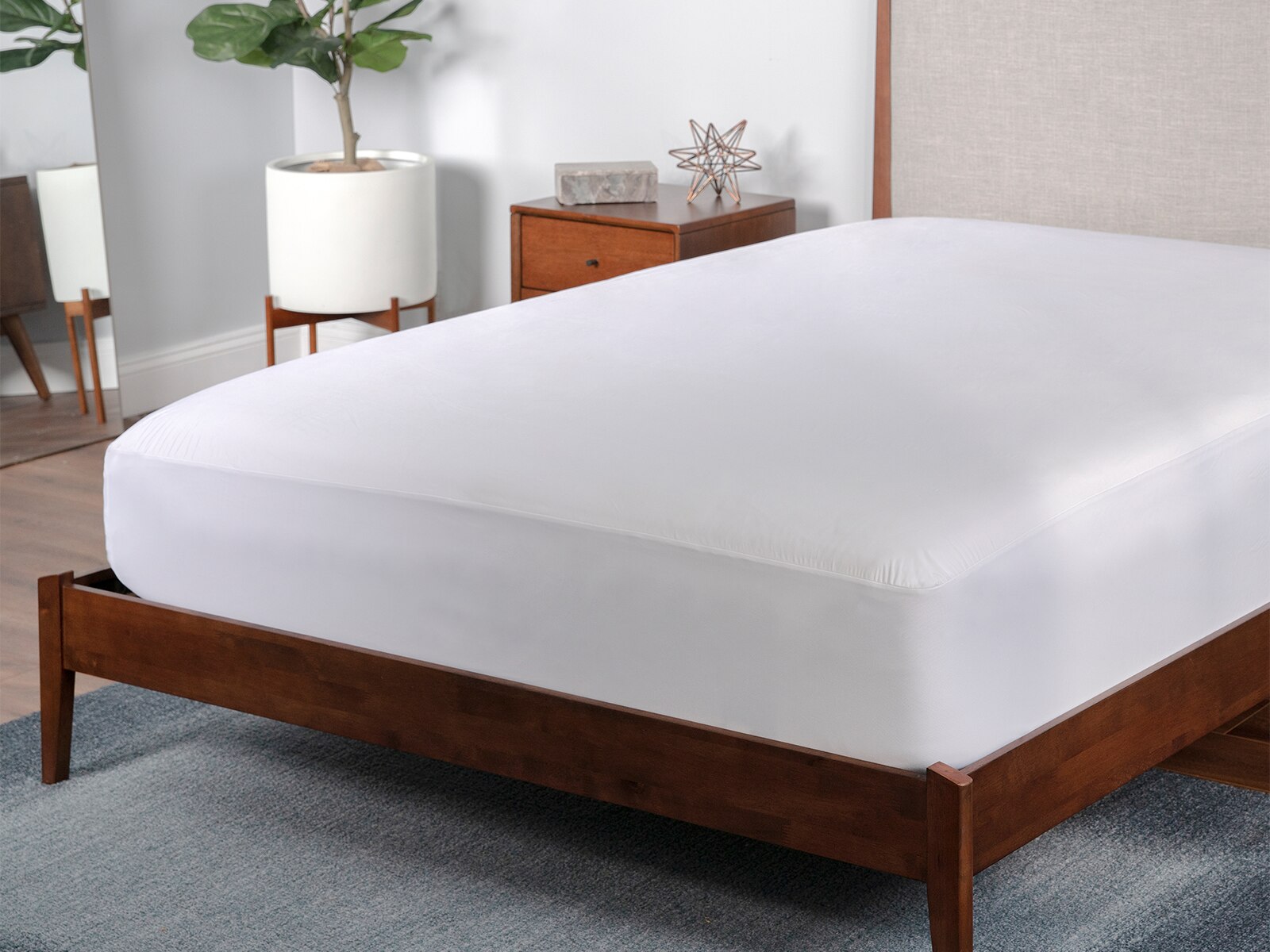
Care and durability deserve attention because the cover is the mattress component closest to everyday friction, perspiration and accidental spills. A properly fitted mattress protector can provide a separate, more easily maintained barrier while allowing the original cover to stay in place. Choose protection according to the household’s needs: a waterproof layer may be useful where spills are a concern, but its fabric, backing and fit can change the feel of the mattress. A thin, flexible protector is generally less intrusive than a heavily padded one, although performance varies by construction. Stretch knit fabric itself should never be assumed to block liquids. Before cleaning the mattress cover, read the manufacturer’s care instructions, even if a zipper is visible. A zippered cover may be intended for assembly or servicing rather than routine removal, and removing it could expose internal materials or disturb protective components. If spot cleaning is permitted, use only the recommended method, avoid saturating the fabric and let the surface dry fully before replacing bedding. Regularly washing sheets and a washable protector can reduce the need to clean the mattress itself. To help preserve the surface, keep rough fasteners and sharp objects away from the knit, and avoid dragging the mattress across abrasive flooring. Pets’ claws can catch loops in some fabrics, while repeated rubbing may cause pilling; surface texture changes do not necessarily mean the support system has worn out. Rotate the mattress only as directed, and do not flip a one-sided design unless the manufacturer specifically allows it. The right foundation also matters, since inadequate support beneath the mattress can affect its shape and performance regardless of the cover material. Over time, assess comfort by more than the fabric’s appearance: persistent impressions, uneven support or a noticeable change in how the bed feels warrant checking the care and warranty information. A well-chosen stretch knit cover complements the mattress beneath it, offering a flexible surface that works with suitable bedding and consistent care.