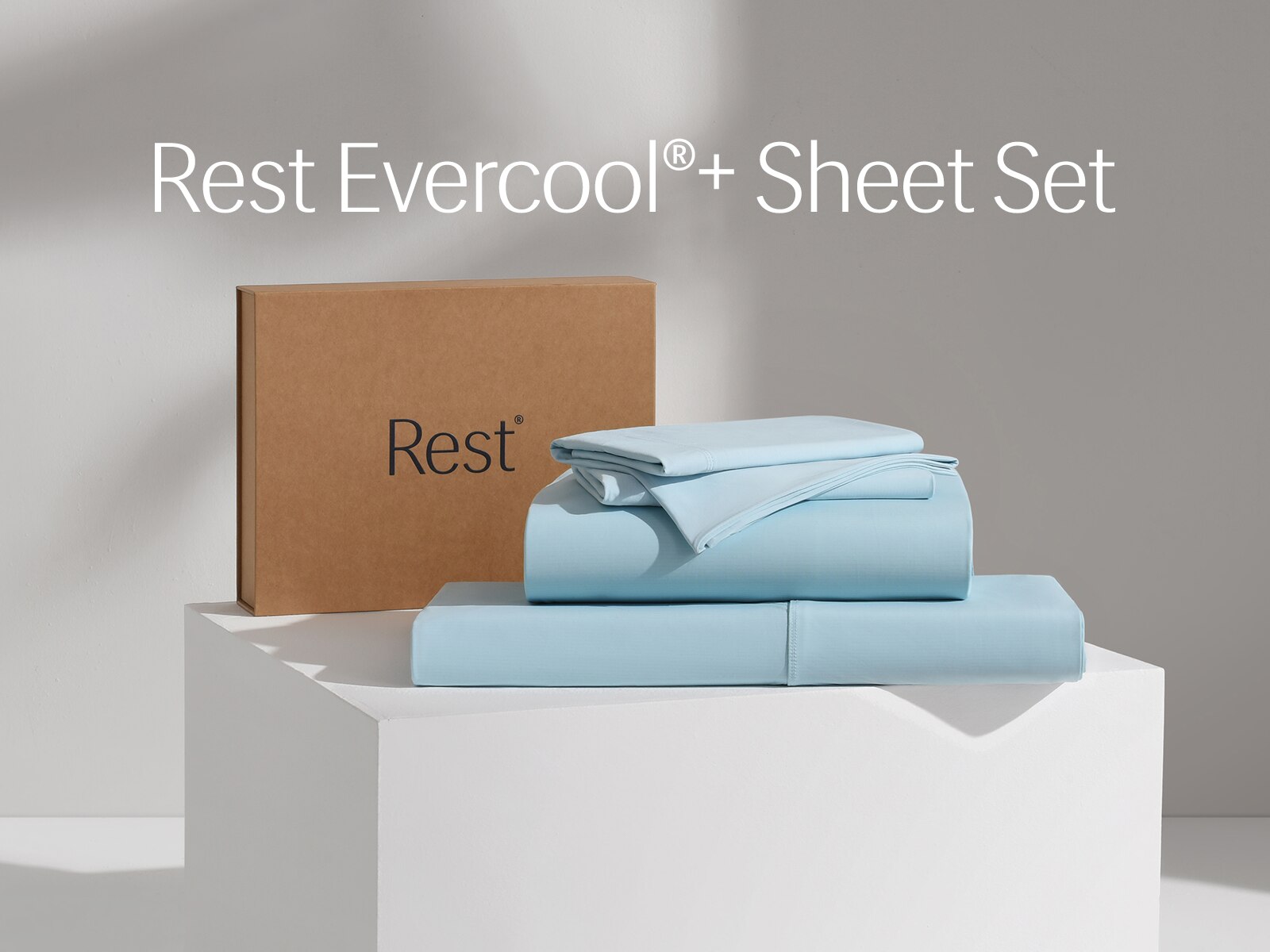
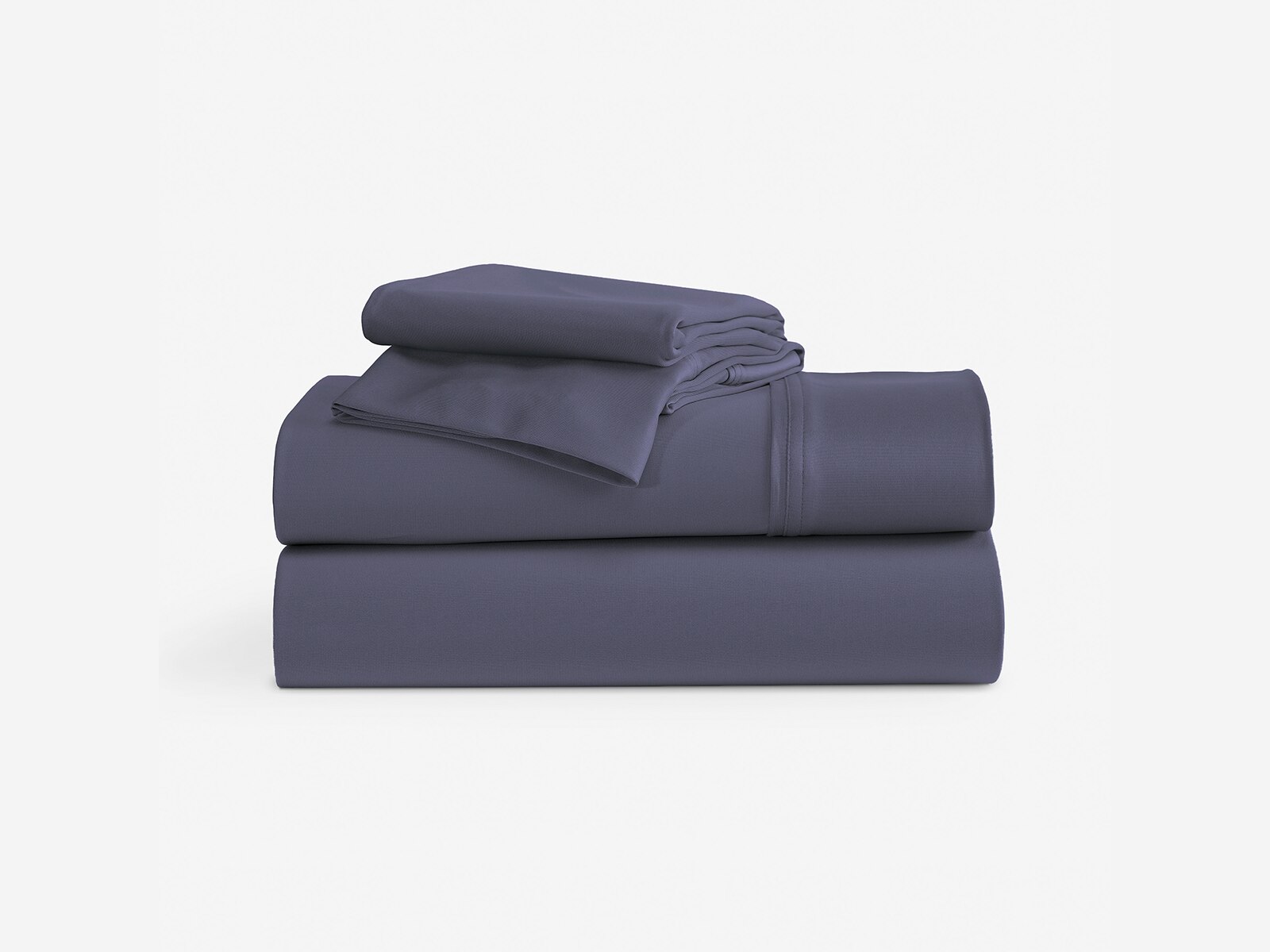
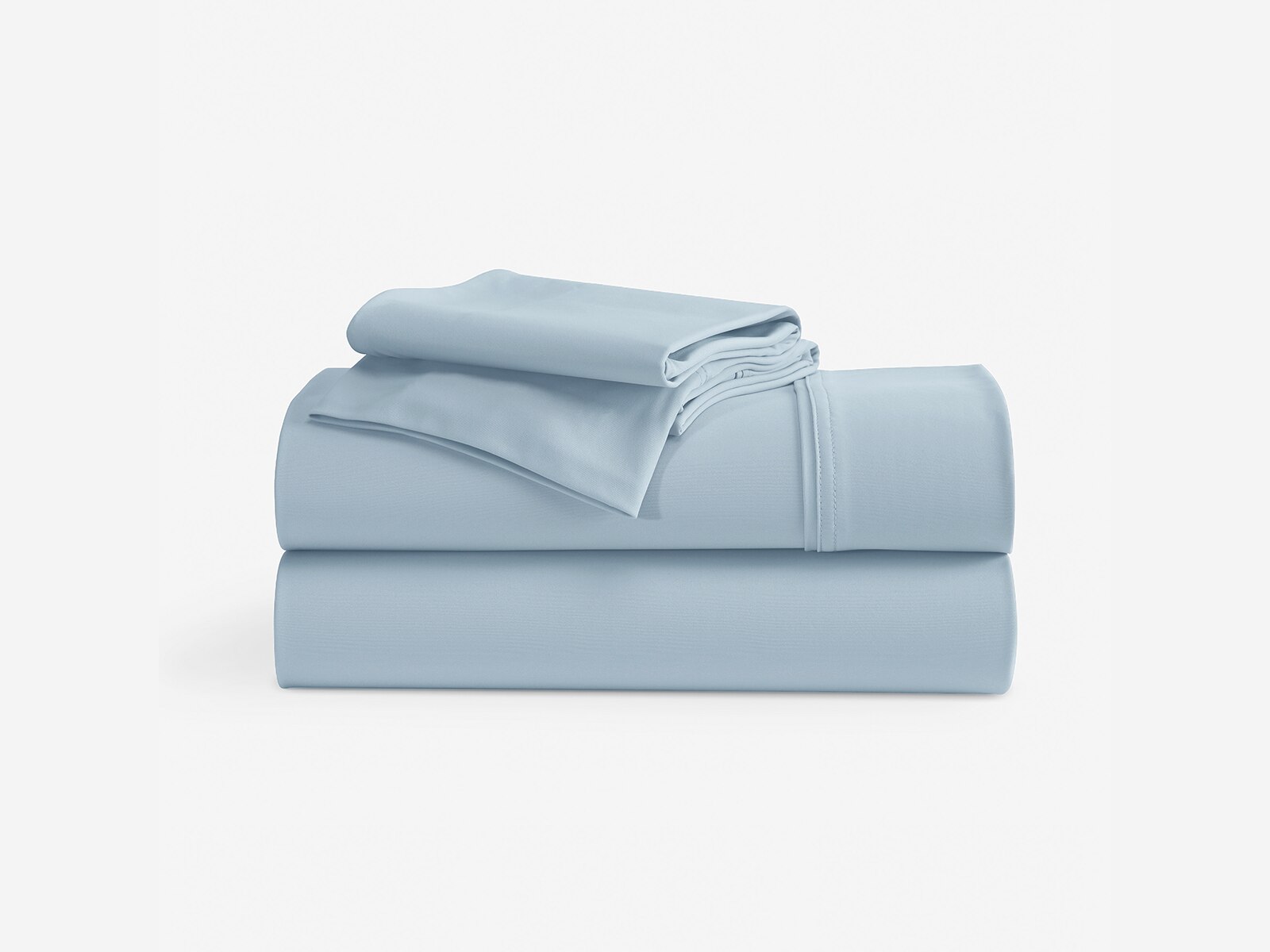
Sweat-wicking summer sheet sets are designed to move perspiration away from the skin and spread it across the fabric, where it can evaporate more readily. Paired with a breathable construction, that moisture management can help reduce the damp, clingy feeling that sometimes interrupts sleep on warm nights. Wicking, absorbency and breathability describe different qualities: wicking moves moisture through a fabric, absorbency describes how much moisture it takes in, and breathability refers to how easily air passes through it. A sheet can feel airy without being especially effective at moving sweat, just as an absorbent fabric can hold moisture longer than expected. Fiber content, yarn structure, weave and any fabric treatments all influence how a set performs. Cotton is familiar for its softness and ability to absorb moisture, although a heavier cotton sheet may take longer to dry once damp. Linen often has an airy feel and a lightly textured surface, with softness that develops through repeated washing. Lyocell fabrics commonly have a smooth hand and absorb moisture, while some performance polyester fabrics are engineered to move perspiration and dry quickly. Blends can bring several characteristics together, but fiber names alone do not establish how well a finished sheet will wick. Product descriptions that explain moisture management, drying characteristics and construction offer more useful context than a cooling label by itself. For someone who wakes with a damp neckline or finds the fitted sheet uncomfortable beneath their back, the goal is bedding that manages moisture without feeling heavy or restrictive. These sheets do not actively refrigerate a bed, and a cool first touch does not necessarily mean lasting temperature control. Room humidity, airflow, sleepwear and the layers above the sheets also affect evaporation. A lightweight sheet set can be part of a more comfortable summer bed, especially when its texture and moisture-handling properties match the sleeper’s preferences.
The feel of summer bedding depends as much on construction as it does on fiber content. Percale has a simple weave that often feels crisp and light, making it appealing to sleepers who prefer a fresh, less drapey surface. Sateen generally feels smoother and falls more closely around the body, though its weight and airflow vary with the fabric. Knit sheets have stretch and a relaxed feel, but their warmth and drying behavior also depend on thickness and composition. A high thread count is not, by itself, proof of better moisture management; a dense fabric may feel substantial while allowing less air to pass through. Fabric weight, weave and stated performance features provide a fuller picture. For a related emphasis on airflow,
Breathable Summer Sheet Sets offers another way to explore lightweight bedding suited to warm-night comfort. Fit matters just as much as fabric when a sleeper turns over or adjusts position. A fitted sheet should match the mattress size and accommodate its full depth, including a topper if one stays on the bed. Pocket depth and secure elastic help the corners remain in place without pulling the sleep surface excessively tight. Excess fabric can bunch beneath the body, while a sheet stretched beyond its intended depth may slip loose at the corners. On an adjustable base, enough depth and appropriate flexibility help the fabric move with the mattress. Set contents also deserve attention: pillowcase quantities and dimensions vary, and a standard pillowcase will not provide the same fit as one intended for a king pillow. A flat sheet adds a washable layer between the sleeper and a blanket, while sleepers who prefer fewer layers may focus more closely on the fitted sheet and pillowcases. Softness, crispness, stretch and drape are personal preferences rather than a single measure of quality, particularly for partners who experience the same bedroom differently.
Care and construction influence how well sweat-wicking summer sheet sets hold up to regular use. Because sheets collect perspiration, body oils and residue from skin care, consistent washing helps keep the surface feeling fresh. The care label should determine water temperature, wash cycle and drying method, since fibers and performance finishes do not all respond the same way. Using more detergent than needed can leave residue, and fabric softener may interfere with moisture management on some performance fabrics. When the care instructions advise against it, skipping softener helps preserve the intended finish. Giving sheets room to move in the washer allows a more thorough rinse, while following the recommended dryer setting helps limit unnecessary wear. Sheets should be fully dry before folding or returning them to the bed; storing them damp can create odors and undermine that clean-sheet feeling. Removing them promptly after drying can also reduce deep creases without requiring a perfectly pressed finish. Durability is worth considering alongside the initial touch. Even stitching, securely finished seams and resilient fitted-sheet elastic support repeated changes and laundering. Some fibers naturally wrinkle or soften with use, so a relaxed appearance does not necessarily indicate poor quality. Keeping another set in rotation makes laundry day easier and gives each set a break between washes. These bedding options can suit people who tend to perspire at night, couples balancing different comfort preferences or anyone who prefers a lighter sleeping surface for summer use. They can also help make a guest room feel thoughtfully prepared, with a smooth pillowcase and a fitted sheet that stays neatly tucked around the mattress. As a housewarming or wedding gift, sheets are most useful when the mattress dimensions, pillow sizes and recipient’s preferred fabric feel are known. A breathable blanket or lighter top layer can complement the set without trapping unnecessary warmth. The most suitable choice combines dependable fit, manageable care and a comfortable feel against the skin, with moisture-handling features that support the way the bed is actually used.