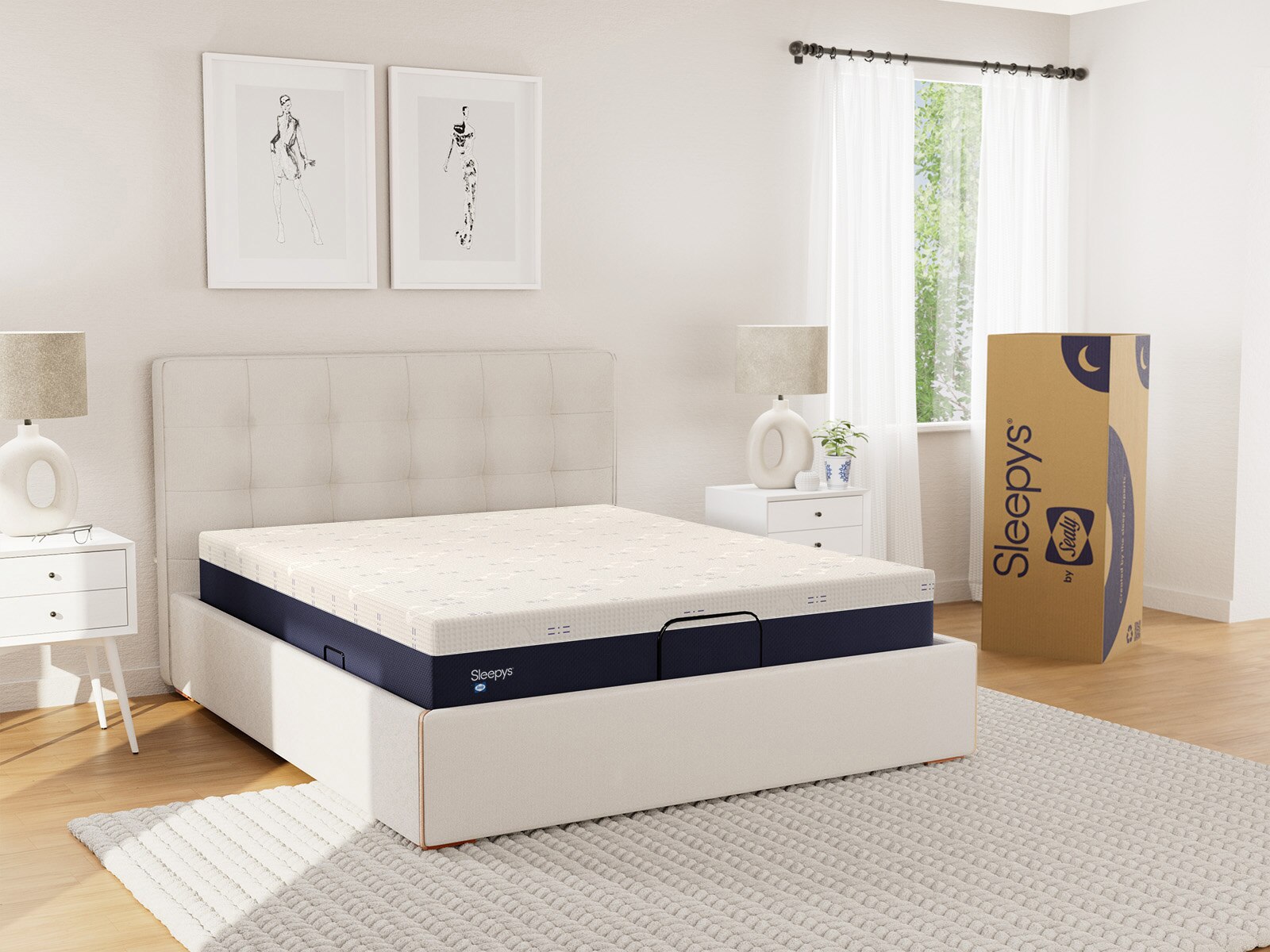
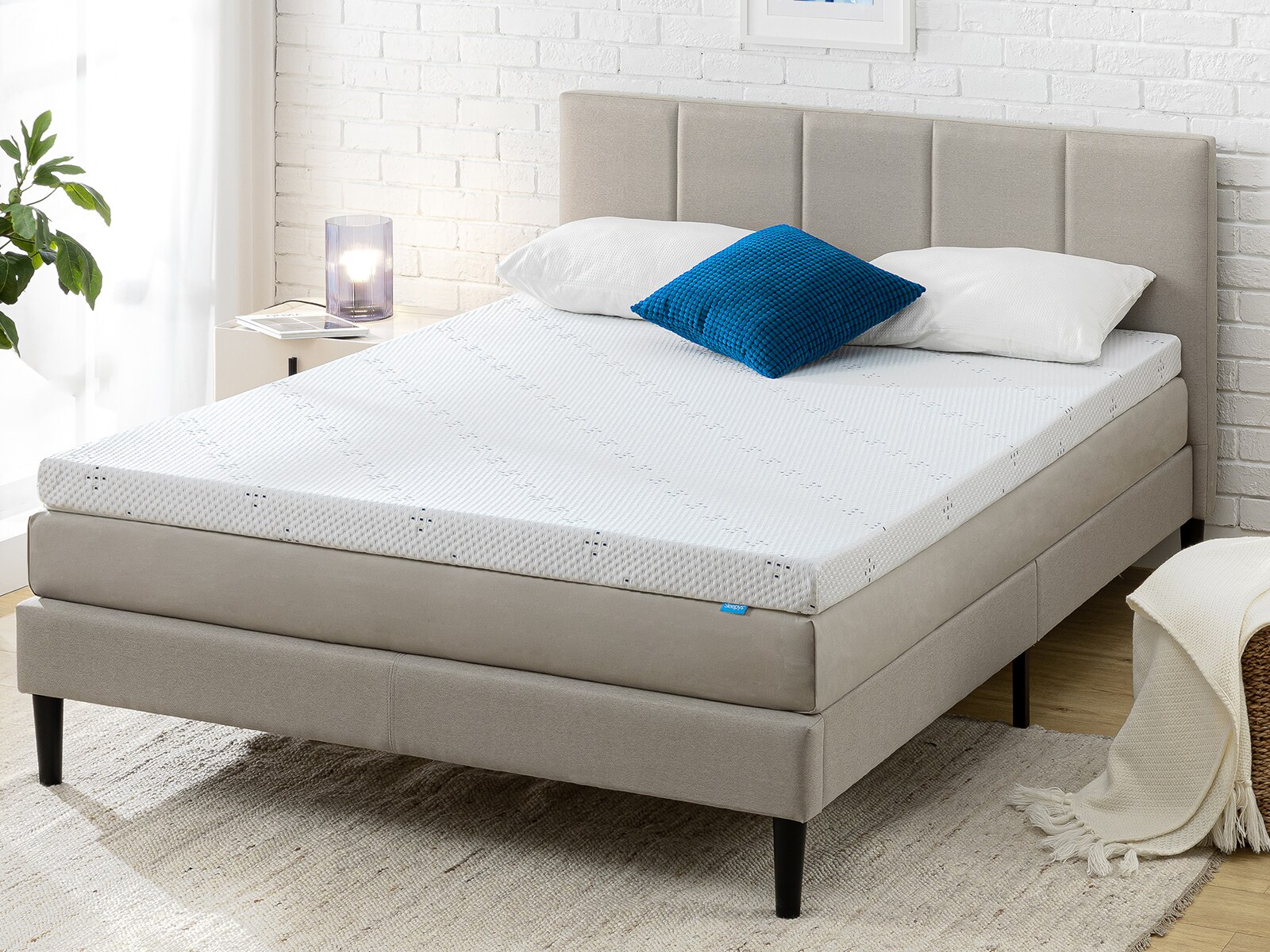
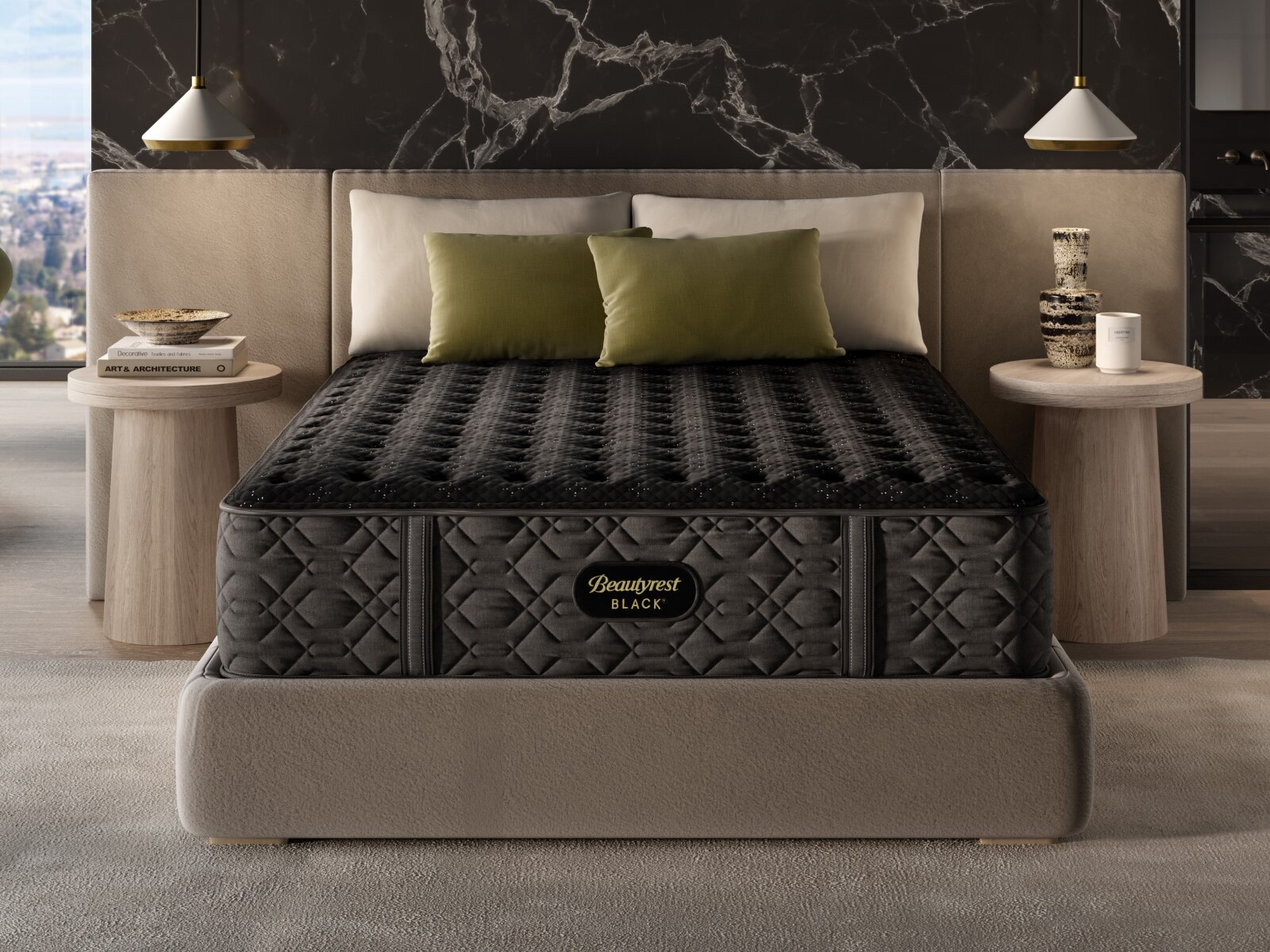
Temperature-regulating king mattresses pair a spacious sleep surface with materials designed to manage heat near the body. Their cooling features may help move warmth away from the surface, create pathways for airflow or absorb and release heat as conditions change. These features can be especially appealing to people who feel warm against their mattress, couples who share body heat or sleepers who frequently move to find a more comfortable spot. Most temperature-regulating mattresses manage existing heat rather than actively refrigerating the bed, so the overall feel also depends on bedding, sleepwear and bedroom conditions. Cooling technology can take several forms, and each serves a slightly different purpose. Phase-change materials absorb heat as they transition between physical states and release it as the surrounding temperature drops; their capacity to absorb warmth is not unlimited. Gel or other conductive materials may help transfer heat through a foam layer, although an infusion alone does not establish how cool a complete mattress will feel. Ventilated foam contains openings that allow air to move through its structure, while spaces between coils can support airflow within an innerspring or hybrid design. A breathable cover helps connect those internal features with the sleep surface. Some covers also use moisture-wicking fibers to move perspiration away from the body, which is a separate function from removing heat. For sleepers who enjoy a close-contouring feel,
temperature-regulating memory foam mattresses combine pressure-relieving cushioning with features intended to reduce heat buildup. Hybrids pair foam or latex comfort layers with a coil support system, offering another way to balance cushioning, responsiveness and ventilation. Latex often has a more buoyant feel than memory foam, and its airflow characteristics depend on the material and construction. The complete combination of cover, comfort layers and support core matters more than a single cooling ingredient or an initially cool touch.
A standard king mattress measures approximately 76 inches wide by 80 inches long, giving two adults room to spread out without immediately reaching the edge. That extra width can be useful when one partner sleeps curled on a side and the other stretches out, or when each person prefers a separate blanket. More space can reduce crowding, but size alone does not determine temperature performance. Firmness, contouring and the way the mattress responds to movement all influence comfort. A deeply cushioning surface surrounds more of the body, while a more buoyant surface can make repositioning easier. Neither feel is automatically cooler; the materials and airflow pathways still matter. Side sleepers often appreciate cushioning around the shoulders and hips, while back and stomach sleepers may prefer a balance that keeps the torso supported without excessive sinking. Body size also changes how a mattress feels, since the same comfort layers can compress differently under different sleepers. Couples may value motion isolation when one person turns over or gets up before the other. Reinforced edges can provide a steadier surface for sitting and make more of the mattress feel usable, though edge performance varies by construction. A split king configuration typically uses two Twin XL mattresses placed side by side within an overall king footprint. With compatible equipment, this arrangement can allow independent positioning and separate firmness choices, but a split design does not automatically include independent temperature controls. Bedroom fit deserves equal attention: the mattress, frame and headboard should leave practical space for walking, opening drawers and making the bed. Delivery access also matters, particularly around narrow stairs or tight hallway turns. Mattress height affects both the finished bed height and fitted-sheet requirements, so a thick comfort profile is best considered alongside the foundation, frame and bedding rather than on its own.
The layers placed above and beneath a temperature-regulating king mattress help determine how well its features work in everyday use. Lightweight, breathable sheets generally allow more airflow than heavily insulating bedding, while a dense topper can change both the feel and heat transfer at the surface. Cotton percale and linen are common choices for sleepers who prefer an airy fabric, though weave, fabric weight and personal preference all influence comfort. A protector remains useful for limiting exposure to spills and body moisture, but its construction matters: a breathable protector may interfere less with the mattress surface than a thick, heavily padded layer. Waterproof and breathable describe different properties, so care and performance details are worth checking together. The support beneath the mattress is equally important. A compatible platform, foundation or adjustable base helps distribute weight as intended; slat spacing, center support and base requirements depend on the mattress construction. A king mattress needs adequate support across its broad footprint, not just around the perimeter. For ongoing care, follow the mattress instructions for rotation, cleaning and cover removal. A zippered cover is not necessarily washable or intended to be removed. Spot-cleaning methods also vary, and saturating foam can leave moisture trapped inside. Regularly washing sheets and the protector helps keep the sleep surface fresh without exposing the mattress itself to unnecessary moisture. Durability comes from the overall quality of the comfort layers, support system, stitching and foundation compatibility, rather than from a cooling label alone. Foam density and firmness are different characteristics, so a firmer feel does not by itself establish a longer useful life. Over time, changes such as persistent impressions, uneven support or reduced comfort deserve attention even if the cover still feels cool to the touch. A well-matched temperature-regulating king mattress brings together enough space, suitable support and thoughtful heat-management features, creating a comfortable foundation for both shared sleep and an individual preference for room to stretch.