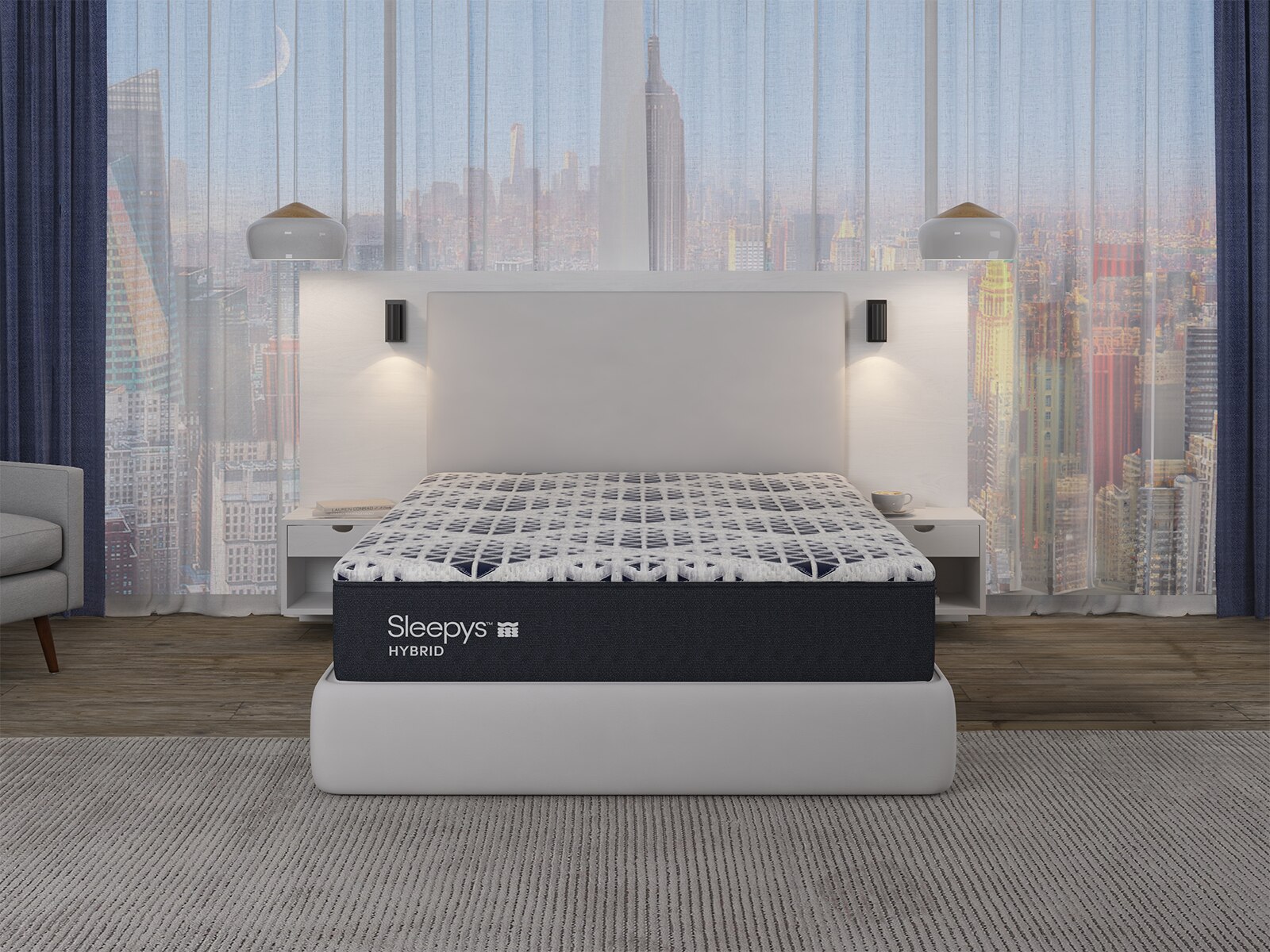
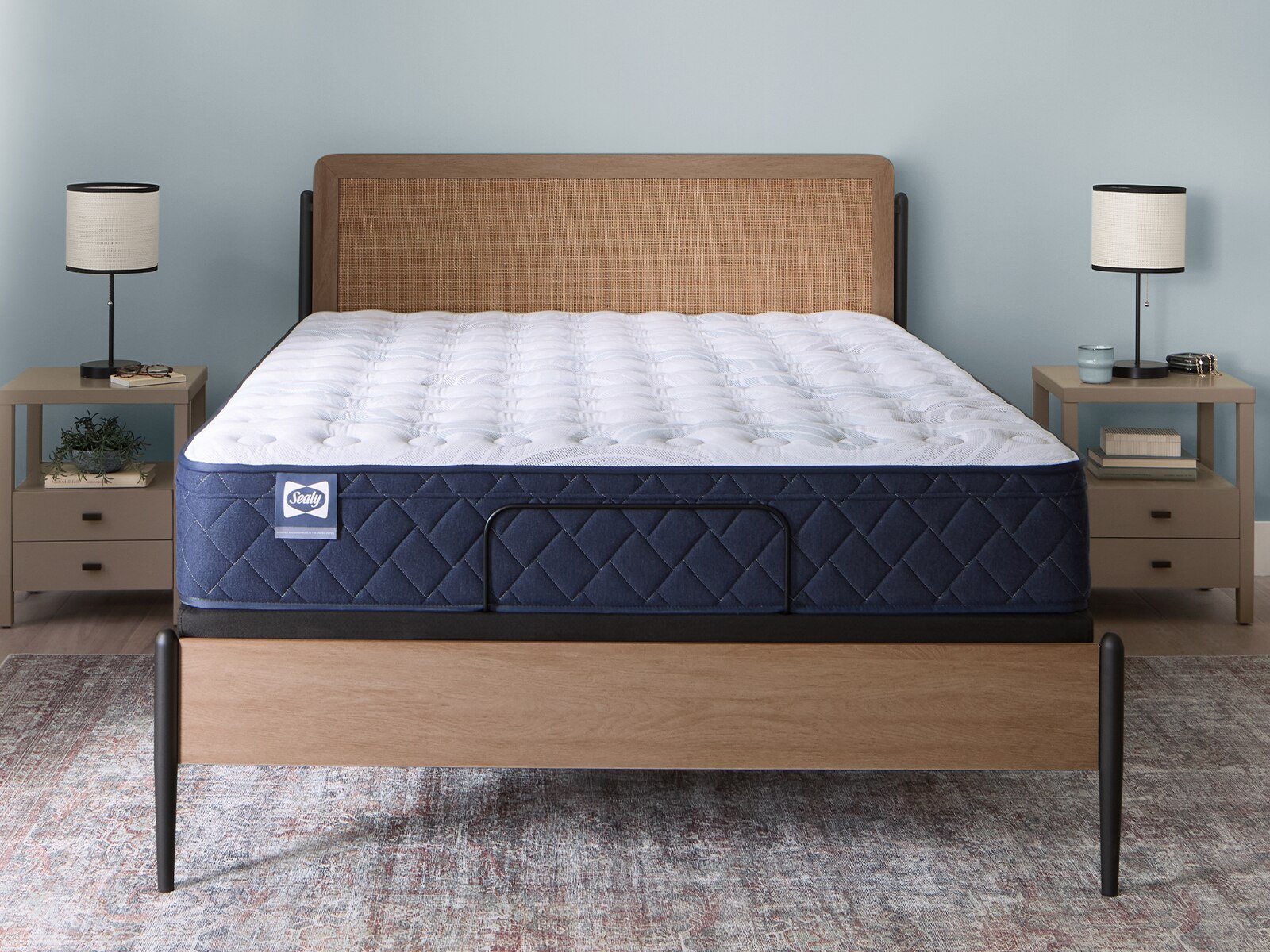
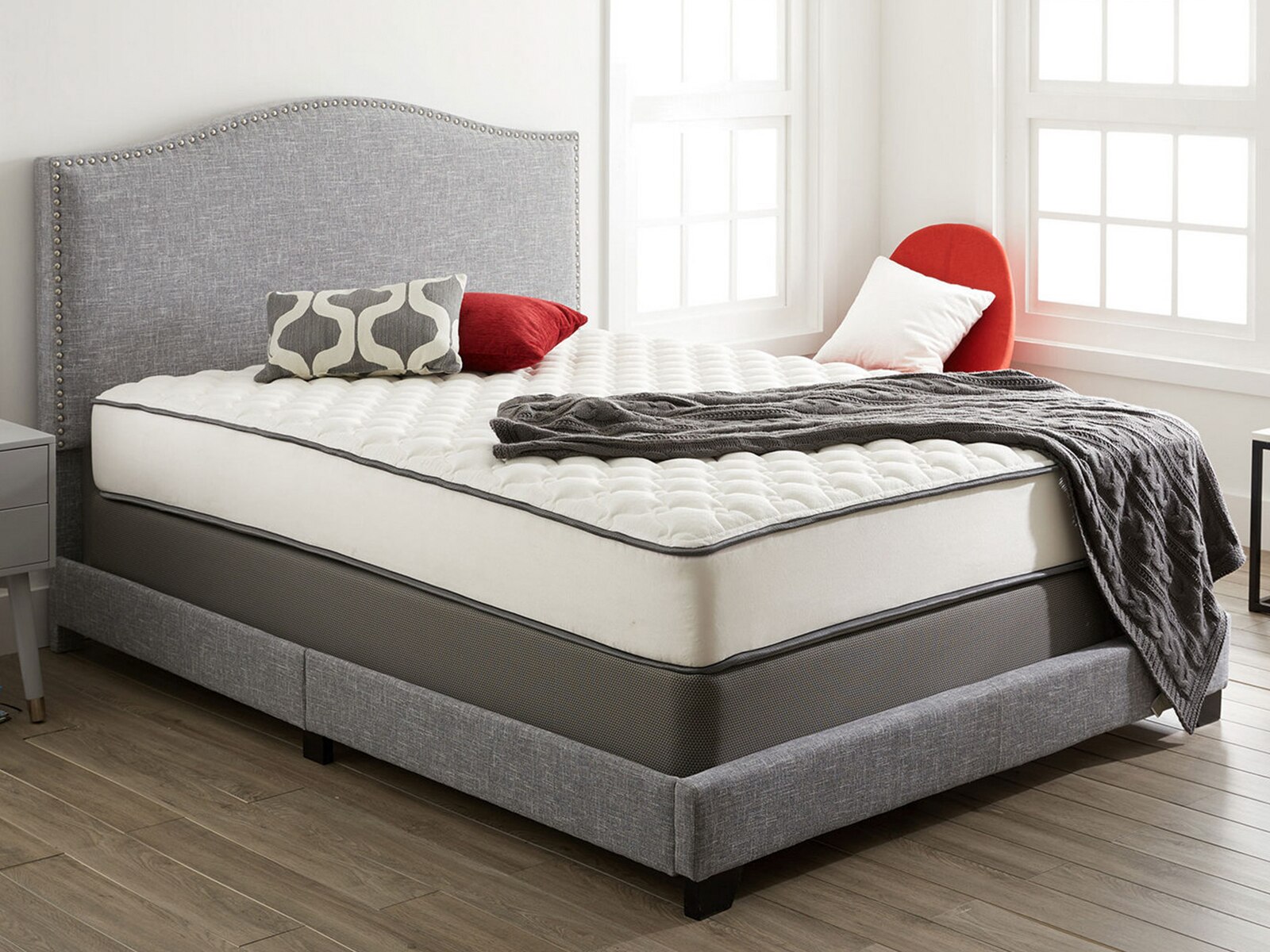
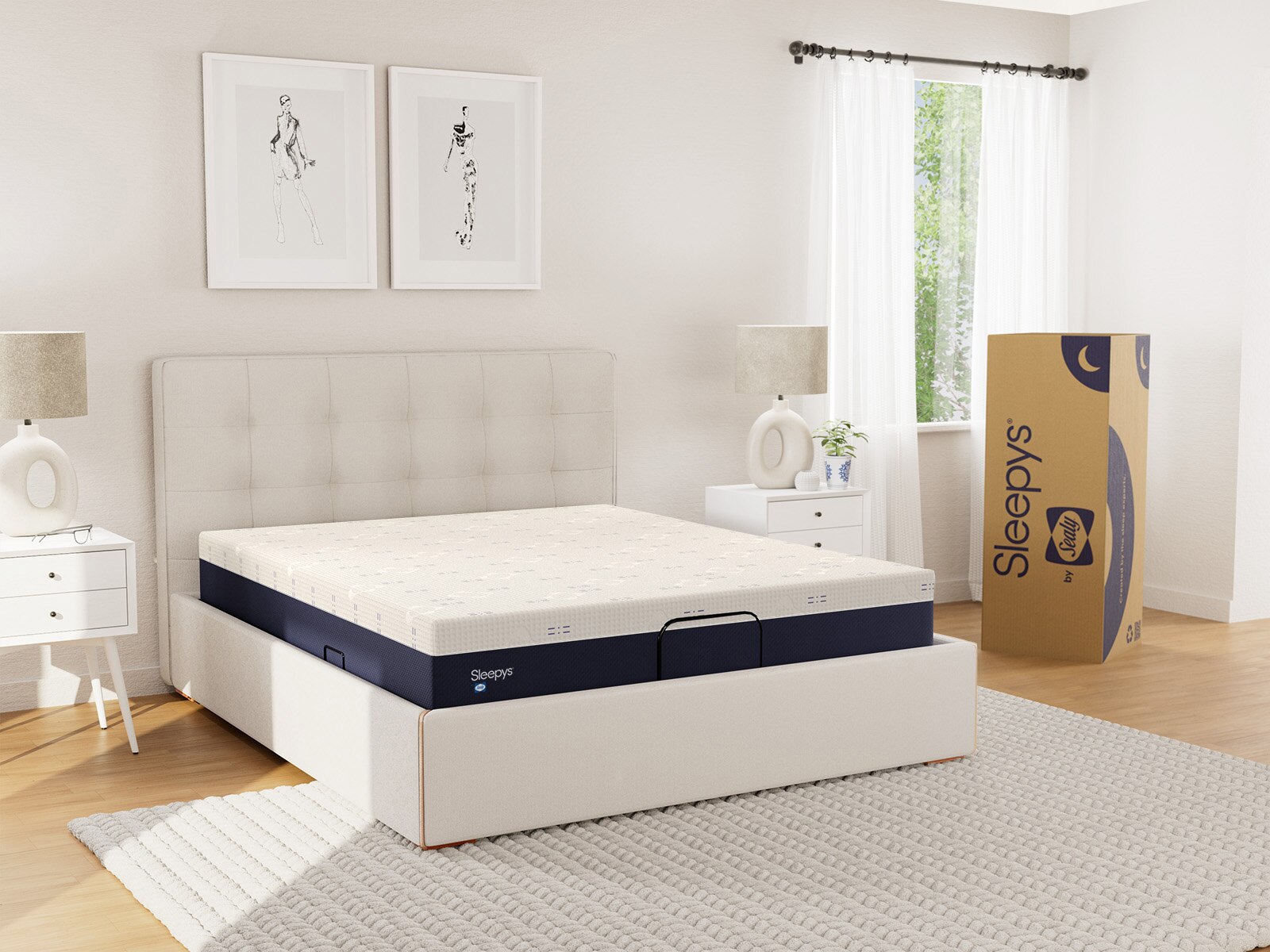
Breathable memory foam mattresses combine body-contouring comfort with materials and construction designed to help manage heat and moisture near the sleep surface. That balance matters for anyone who enjoys the close cushioning of foam but dislikes waking up with a warm spot beneath the shoulders or hips. As foam conforms to the body, it creates more surface contact, which can make heat management an important part of overall comfort. Breathability describes how readily air and moisture vapor can move through materials; cooling describes a broader range of features intended to influence how warm the bed feels. The two can work together, but they are not interchangeable. A cool-to-the-touch cover may feel refreshing at bedtime without necessarily maintaining that same sensation throughout the night. Moisture-wicking fabric helps move perspiration across the fabric so it can evaporate, while ventilated foam or open spaces within the mattress can provide pathways for air movement. Some constructions also use materials designed to absorb and release heat as conditions change. These features serve different purposes, so a mattress is best understood as a complete system rather than a single cooling layer. All-foam designs use foam layers for cushioning and underlying support, while hybrid designs combine comfort materials with a coil support system. The space around coils can contribute to airflow, although the layers above them still influence how the surface feels. Neither construction automatically guarantees a cooler night. Cover fabric, foam structure, layer thickness and bedding all play a role. Passive cooling features work through the properties of the materials themselves, while powered airflow systems use equipment to move air and may require compatible components and access to an electrical outlet. For a sleeper who often turns a pillow over to find a cooler patch, these distinctions help explain why an initially cool surface and sustained overnight comfort are separate considerations.
Comfort also depends on how a breathable mattress fits the person sleeping on it. Firmness describes the initial feel of the surface, while support concerns how well the mattress accommodates body weight without allowing excessive sinking. A softer surface is not necessarily less supportive, and a firmer one is not automatically more breathable. Side sleepers often appreciate enough cushioning for the shoulder and hip to settle into the comfort layers without feeling pressed against the surface. Back sleepers may prefer a balance that supports the lower back while allowing the hips to rest comfortably, while stomach sleepers commonly need a steadier feel beneath the midsection. Body size changes these impressions: the same mattress can feel firmer to a lighter person and softer to someone who places more weight on its layers. For combination sleepers, ease of movement matters alongside pressure relief. Deep contouring may feel comfortably cradling when lying still, but a person who changes positions frequently may prefer a surface that responds more readily as weight shifts. Couples have another set of considerations. Foam can help absorb movement when one person turns over or gets out of bed, while the support system and construction influence how stable the edges feel when sitting or sleeping near them. A queen mattress may suit many shared bedrooms, while a king offers more room for partners who prefer extra space between them. Size alone does not create airflow, but room to change position can make the sleep experience more comfortable. Mattress height also affects everyday use, including how easily someone gets into bed and whether fitted sheets stay secure. Compatibility with a platform, foundation or adjustable base depends on the mattress specifications. An appropriate support surface helps the mattress perform as intended, while an unsuitable or damaged base can change its feel. A mattress protector and sheets should fit the full mattress depth without pulling tightly across the surface or restricting its ability to contour.
The
Best Breathable Mattresses collection offers another place to explore breathable constructions alongside preferences for cushioning, support and surface feel. Long-term comfort also depends on how the mattress is used and maintained. Breathable sheets and a lightweight, compatible protector can complement the sleep surface, while thick padding placed over the mattress may alter both its contouring and the sensation of its cooling features. A waterproof protector can be useful for everyday spills, but its materials influence how readily moisture vapor passes through it. Washable bedding provides a practical first layer of care, especially in a frequently used primary bedroom. Mattress covers require closer attention: a zipper does not necessarily mean a cover is intended to be removed or washed. Manufacturer care instructions should determine whether a cover can be cleaned separately and which methods are appropriate. Foam should not be saturated, and any permitted spot cleaning should use minimal moisture with enough drying time before bedding goes back on. Routine care also includes maintaining the recommended foundation and rotating the mattress only when the manufacturer advises it; many layered mattresses are designed with a distinct top and bottom and should not be flipped. Durability reflects the quality of the comfort layers, support core, cover and construction, as well as the amount of use the mattress receives. Thickness alone does not establish how well a mattress will hold its shape, and initial softness does not explain its expected lifespan. Some settling can occur as materials respond to regular use, but lasting changes in comfort deserve attention to the mattress condition and its underlying support. For a primary bed used every night, consistent cushioning and stable support matter just as much as the first impression of the cover. In a guest room, a balanced feel may accommodate a wider range of sleeping preferences. Across either setting, the most useful combination is a breathable surface, pressure-relieving comfort and support suited to the people who will actually sleep there.