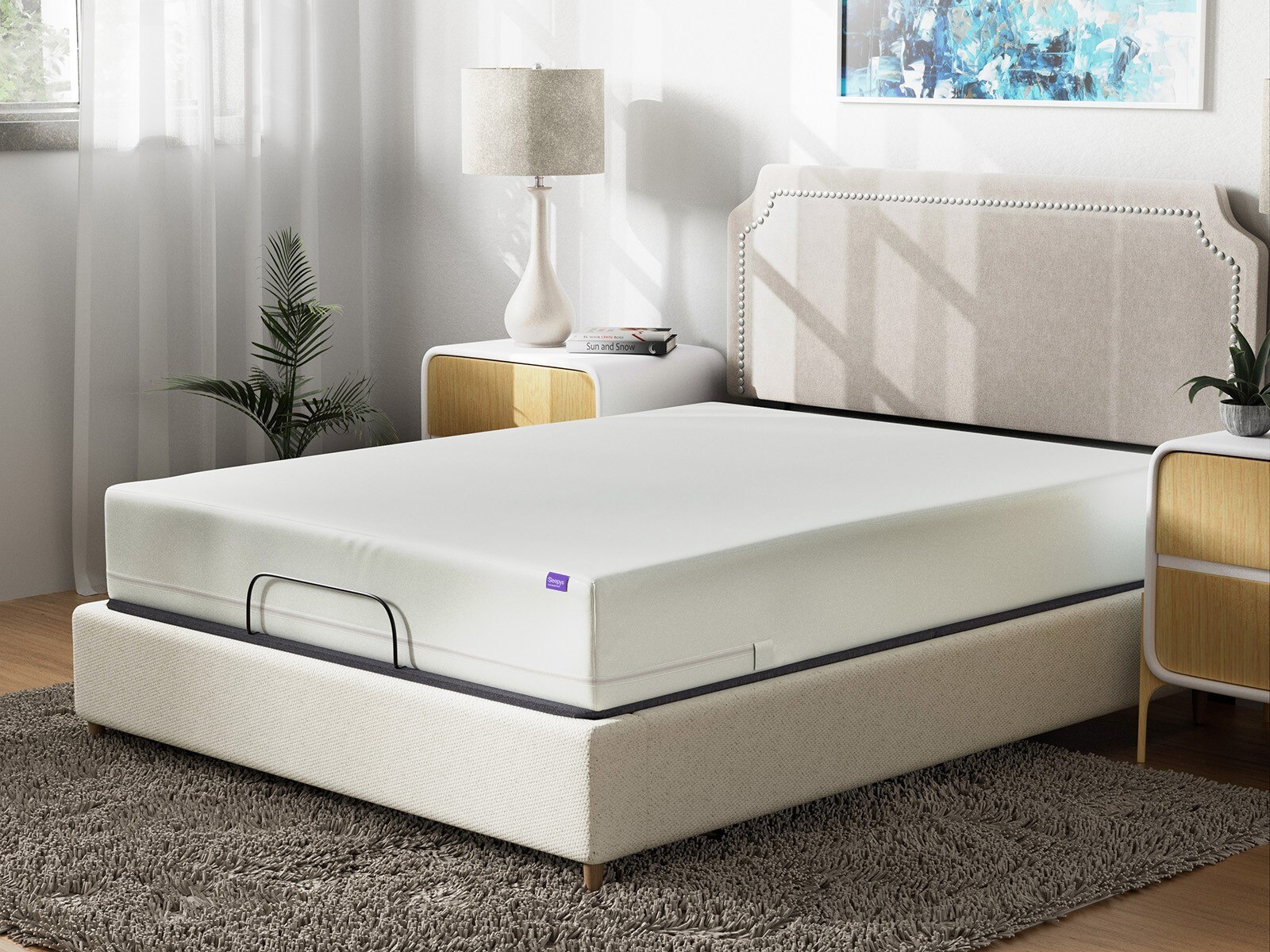
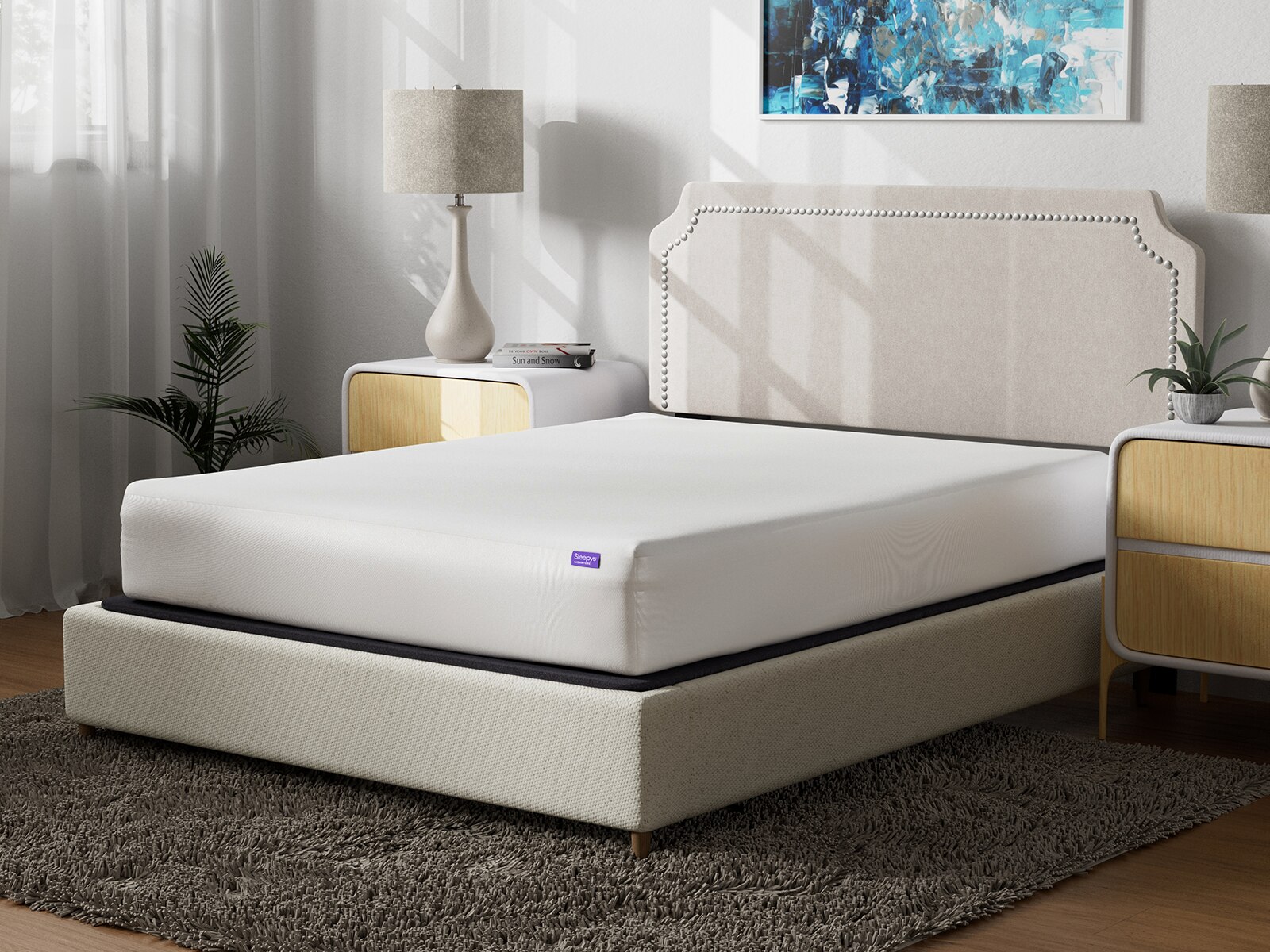
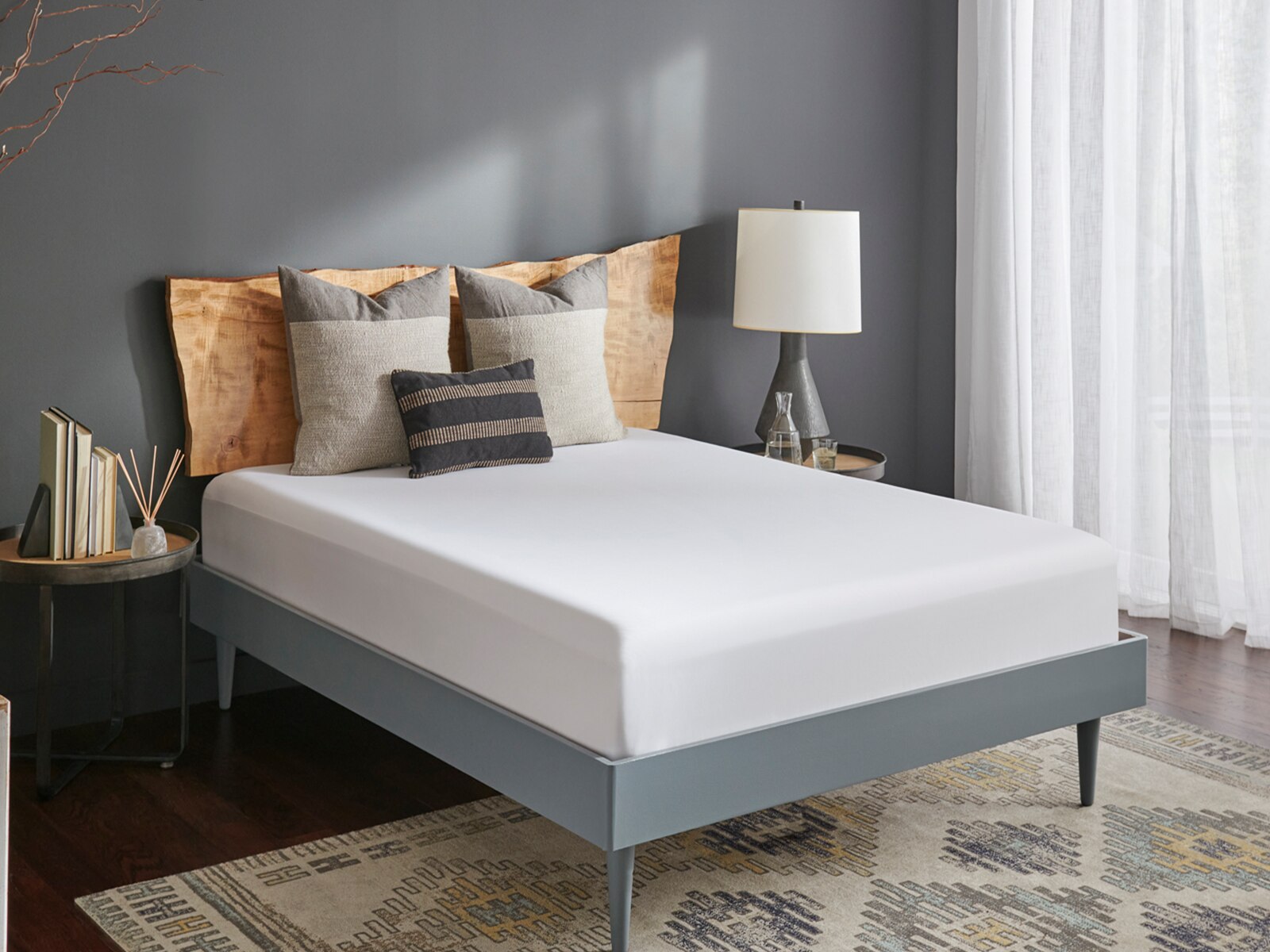
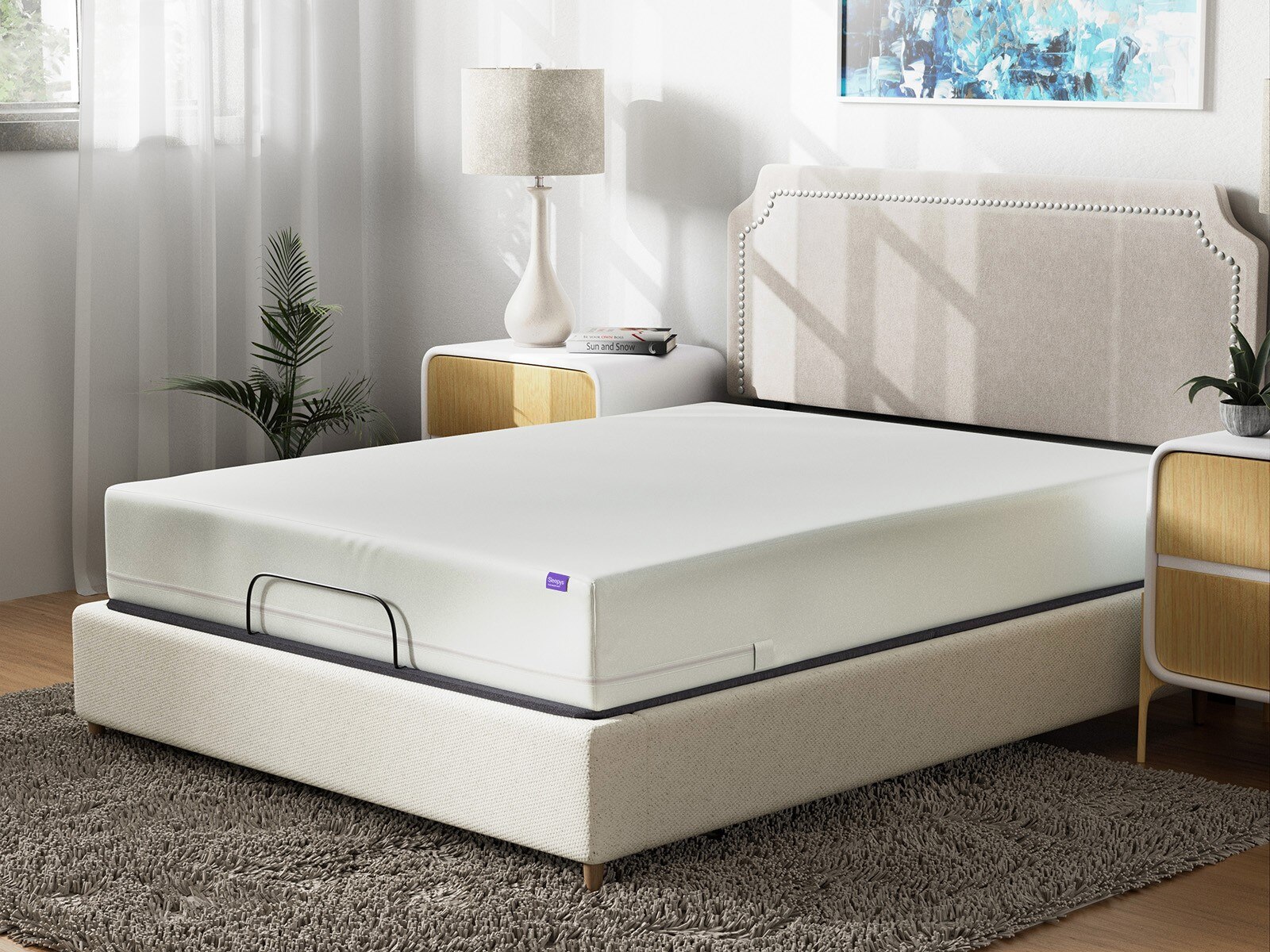
Twin bed bug protectors are mattress encasements designed to surround a twin mattress on all six sides, creating a physical barrier against bed bugs when the fabric, seams and closure are designed and tested for that purpose. Unlike a fitted mattress protector that covers the top and sides, a full encasement also covers the underside and closes with a zipper. That distinction matters because an open bottom leaves part of the mattress exposed. A secure zipper closure, reinforced seams and a protected zipper end help support the barrier, while a smooth fit keeps the encasement from bunching beneath the fitted sheet. These protectors can be useful on children’s beds, adult twin beds, guest beds and other single-sleeper setups where protecting the mattress is a priority. A standard twin mattress typically measures about 38 inches wide by 75 inches long, while a Twin XL is generally about 38 inches wide by 80 inches long. Those extra five inches make the sizes different enough that the names should not be treated as interchangeable, particularly when preparing a dorm room or furnishing a longer single bed. Mattress height matters just as much as length and width. A shallow mattress and a thick pillow-top mattress may share the same footprint but need different encasement depths. Measuring from the bottom edge to the highest point of the mattress helps identify the appropriate fit without forcing the zipper or leaving excessive loose fabric. For adjustable bases, the encasement should also accommodate normal mattress movement without pulling tightly at the corners. If a separate topper is part of the bed, the encasement’s instructions should determine whether it belongs inside or outside the cover. A snug fit is helpful, but a strained closure is not. The best match allows the zipper to close completely while keeping the mattress’s shape and everyday comfort intact.
Materials and construction influence how a twin bed bug mattress protector feels beneath the bedding and how it performs over time. Some encasements use tightly woven fabric, while others combine a soft knit or woven outer surface with a protective membrane. Polyester, cotton blends and other textile constructions can offer different surface textures, stretch and care requirements, so fiber content alone does not establish bed bug resistance. The complete design matters, including the fabric barrier, stitching and zipper assembly. Descriptions that identify testing specifically for bed bug resistance are more informative than broad claims about general mattress protection. Waterproofing is a separate feature rather than something every bed bug encasement automatically provides. A waterproof barrier can help protect against spilled drinks, perspiration and nighttime accidents, making it a useful consideration for a child’s first twin mattress or a frequently used guest bed. Coverage can vary, however, so it is worth distinguishing a waterproof sleep surface from waterproof protection around the entire encasement. Water resistance and waterproofing are not interchangeable claims, either. A soft surface and breathable construction may make a protector more comfortable for nightly use, while a flexible backing can help reduce the crinkling sometimes associated with protective covers. Anyone sensitive to bedding noise may appreciate descriptions that address quietness as well as barrier performance. Protection against dust mites or certain allergens is another separate consideration and should be supported by the encasement’s stated features rather than assumed from its bed bug designation. A mattress encasement does not remove allergens already present elsewhere in the room. It also serves a different purpose from a padded mattress pad or topper: its primary role is protection, not changing firmness or adding cushioning. Beneath a fitted sheet, a well-fitting protector should sit relatively flat, allowing the mattress surface to remain familiar. That balance is especially helpful for a sleeper who notices every wrinkle or dislikes a bulky layer between the sheet and mattress.
Everyday care and durable construction help make a twin mattress encasement practical beyond its initial installation. Reinforced corners, neatly finished seams and a zipper that moves smoothly are useful details on beds that receive regular use. The closure deserves particular attention because a small opening, damaged seam or torn section can compromise the barrier. Installation is generally easier when there is enough space to support the mattress and ease the cover over its corners without tugging hard on the fabric. For a heavy or awkward mattress, another person can help keep the encasement from catching on the bed frame. Once installed, the protector belongs beneath the fitted sheet, where it can remain in place according to its care directions and any pest-management recommendations. Machine-washable construction can be convenient, but wash settings, drying instructions and cleaning frequency vary. Excessive heat, bleach or other treatments may damage certain membranes or closures, so the care label should take priority over a general bedding routine. A protector should be completely dry before the bed is made again, and checking seams and the zipper after cleaning can help identify wear. Where bed bugs are already suspected or confirmed, an encasement is one part of a broader response, not a stand-alone treatment. It may contain bugs already inside the mattress when properly installed, but it does not eliminate bugs hiding in the frame, nearby furniture or other areas. Removing it too soon can also undermine that containment, making guidance from a qualified pest-management professional important. A separate, appropriately designed box spring encasement may be relevant when the bed includes a box spring. For households protecting different mattress sizes,
Queen Bed Bug Protectors are another size-specific option to consider, with each mattress measured separately. Whether the twin bed belongs to a child, a college student or an overnight guest, the most useful protector is one that combines verified barrier features, an accurate fit and care requirements that work with the household’s routine.