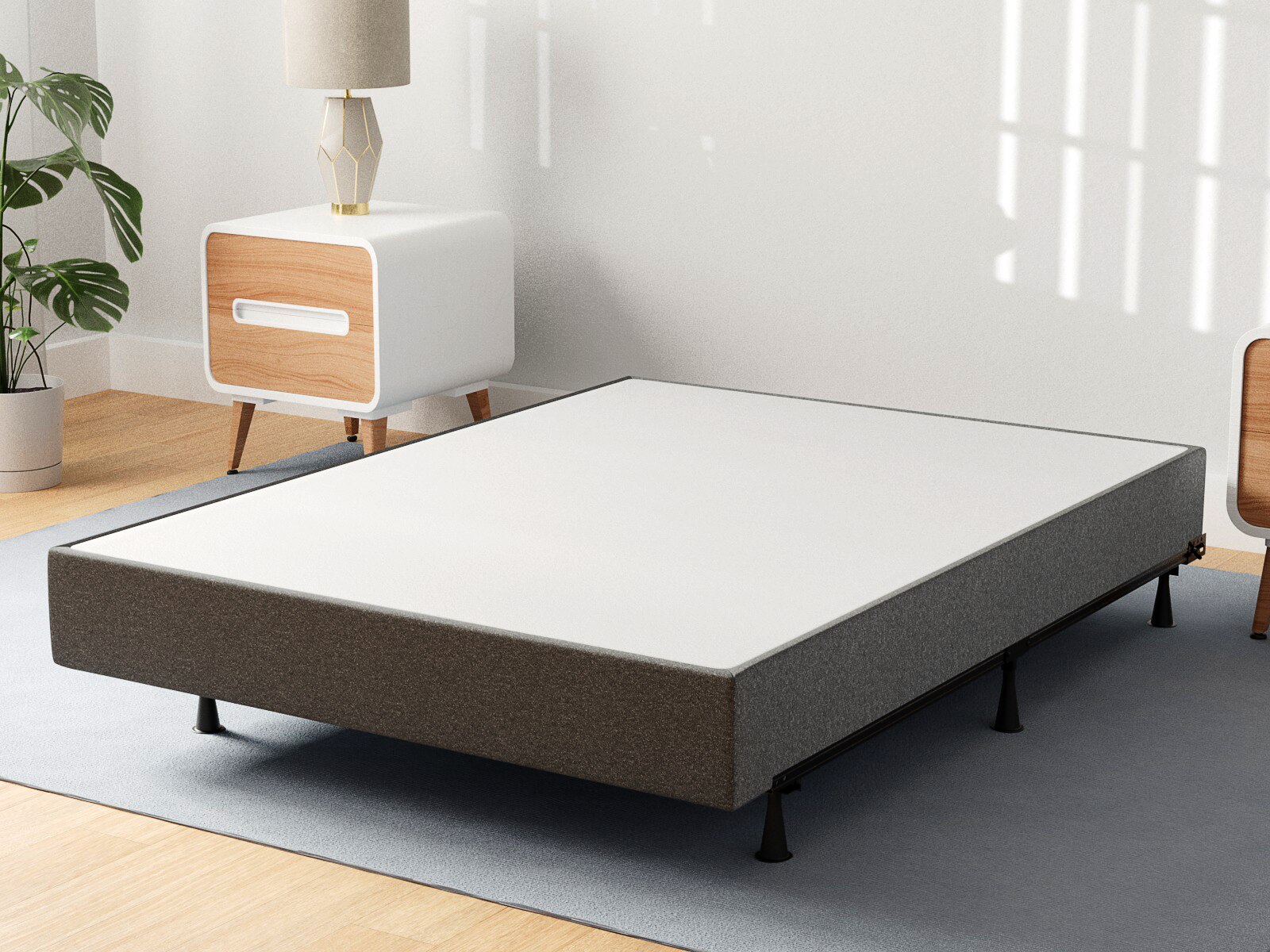
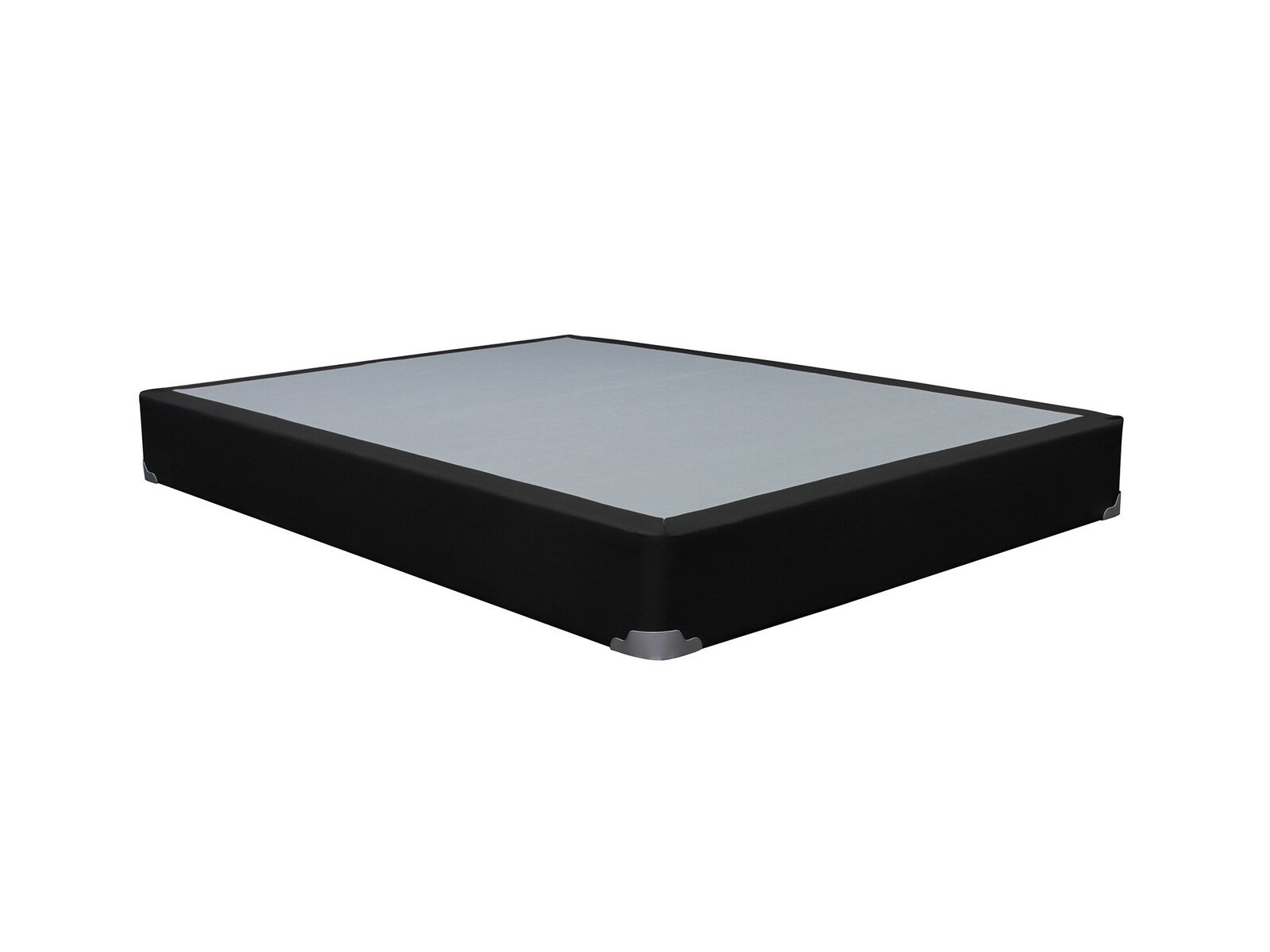
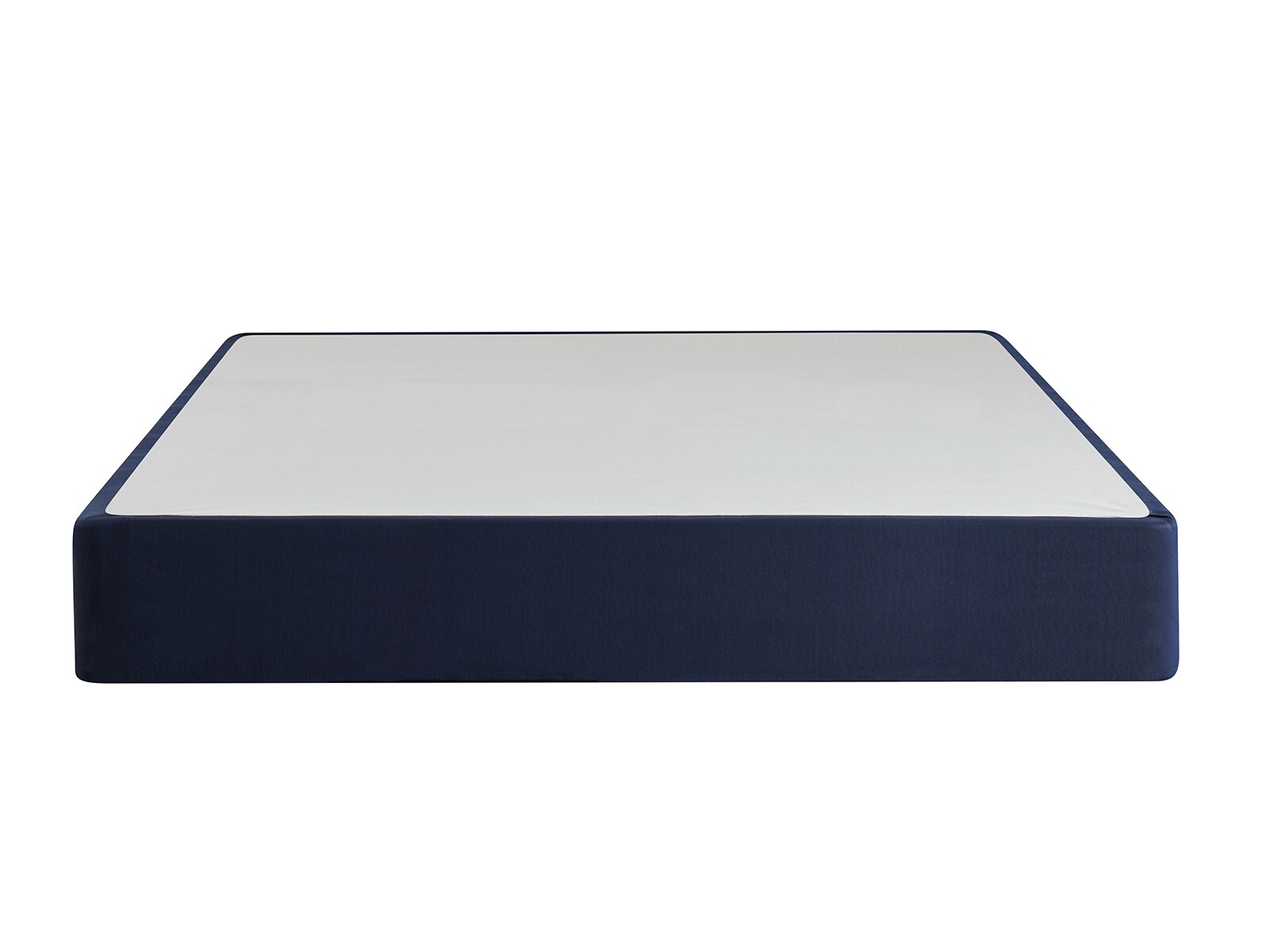
Twin size box springs for vacation homes should provide durable, stable mattress support while fitting the bed frame and the mattress manufacturer’s requirements. In guest rooms where separate beds make sharing a space more comfortable, a twin setup offers each sleeper a defined place to settle in without taking up the floor space of a larger bed. That makes this size useful for siblings visiting with family, friends sharing a room or adults staying in compact accommodations. A standard twin mattress typically measures approximately 38 by 75 inches, although exact dimensions can vary by manufacturer. The support underneath should match the mattress size and fit securely within the frame, without overhanging edges or gaps that leave part of the mattress unsupported. Twin and Twin XL are not interchangeable: Twin XL mattresses are typically five inches longer and need a corresponding support system. The distinction between a box spring and a foundation also matters. A traditional box spring contains springs designed to flex, while a foundation generally uses a more rigid structure made from wood, metal or a combination of materials. Although these terms sometimes appear together, the right choice depends on the mattress above it. Many foam and hybrid mattresses require a rigid foundation or another approved support surface rather than a traditional spring-based box spring. Manufacturer instructions establish the appropriate support type, any required slat spacing and the conditions needed to maintain warranty coverage. In a vacation property, that compatibility is especially important because the same bed may accommodate different sleepers throughout the year. A support system cannot change a mattress’s firmness or make an unsuitable mattress comfortable for everyone, but it can provide the stable base the mattress was designed to rest on. For hosts furnishing several rooms, consistent sizing and compatible components also make routine bed care less complicated, particularly when linens are changed and mattresses are inspected between guest visits.
Materials and construction influence how a twin box spring or foundation holds up to repeated use. Wood frameworks can provide sturdy support when their joints, rails and internal supports are well constructed, while steel designs may offer a rigid structure with bolted or interlocking connections. Neither material alone determines durability; the quality of the complete assembly, its stated weight capacity and the bed frame beneath it all matter. A fabric cover gives the support a finished appearance, but the internal structure does the supporting. Secure connections are particularly valuable in a shared guest room, where a loose joint or shifting frame can become noticeable whenever someone turns over. Noise may come from the foundation, the frame, the headboard or contact between components, so a quiet setup depends on more than the box spring itself. Overall bed height deserves equal attention. A thick mattress placed on a tall support can create a much higher sleeping surface than expected, while a low-profile foundation can reduce height without changing the mattress thickness. The most practical combination lets the intended guests sit on the edge and get into bed comfortably, with nearby furniture at a useful height. A nightstand that sits far below the mattress can make a glass of water or a reading lamp awkward to reach. In smaller rooms, the proportions of the bed can also affect how open the space feels, even though the twin footprint remains the same. Some platform beds already provide the support a mattress needs and do not require a separate box spring. Bunk beds, trundle beds and daybeds can have their own support and mattress-height requirements, so a conventional twin box spring should not be assumed suitable simply because its length and width fit. For these arrangements, the bed manufacturer’s specifications determine whether an additional support layer belongs in the setup at all.
Practical details become especially noticeable when a bed must travel through a narrow hallway, around a stair landing or into an upstairs guest room. A one-piece twin foundation may be straightforward to place in an open room, while an assembly-required design may be easier to carry through tighter access points before it is put together. The finished dimensions, package dimensions and assembly requirements serve different purposes, and all can affect how smoothly furnishing a property goes. Once installed, the support should sit squarely in the frame with the required rails, legs and attachment points properly secured. Weight limits also need careful attention because the mattress, sleepers and other bedding contribute to the load carried by the overall bed system; each component may have its own capacity requirements. Routine care is generally simple, but it should follow the manufacturer’s directions. Exposed fabric can often be vacuumed gently with an upholstery attachment when permitted, while spills should be addressed without saturating the cover or the structure beneath it. Dry, well-maintained components are preferable to damp materials that remain hidden under bedding. Between guest stays, a quick look beneath the mattress can reveal loose hardware, damaged fabric, bent metal or cracked wood before a small problem becomes a disruption. Persistent creaking, uneven support or a mattress that no longer sits level deserves attention rather than an extra layer of bedding to disguise it. Where a property includes rooms with larger beds, a
full size box spring for summer homes offers a related size category to consider with a matching full mattress and frame. Each room still benefits from the same careful fit and construction choices. For twin beds, the goal is a dependable foundation for everyday guest comfort: a well-supported mattress, a stable frame and a sleeping surface that feels thoughtfully put together from the first evening of a stay to the last.