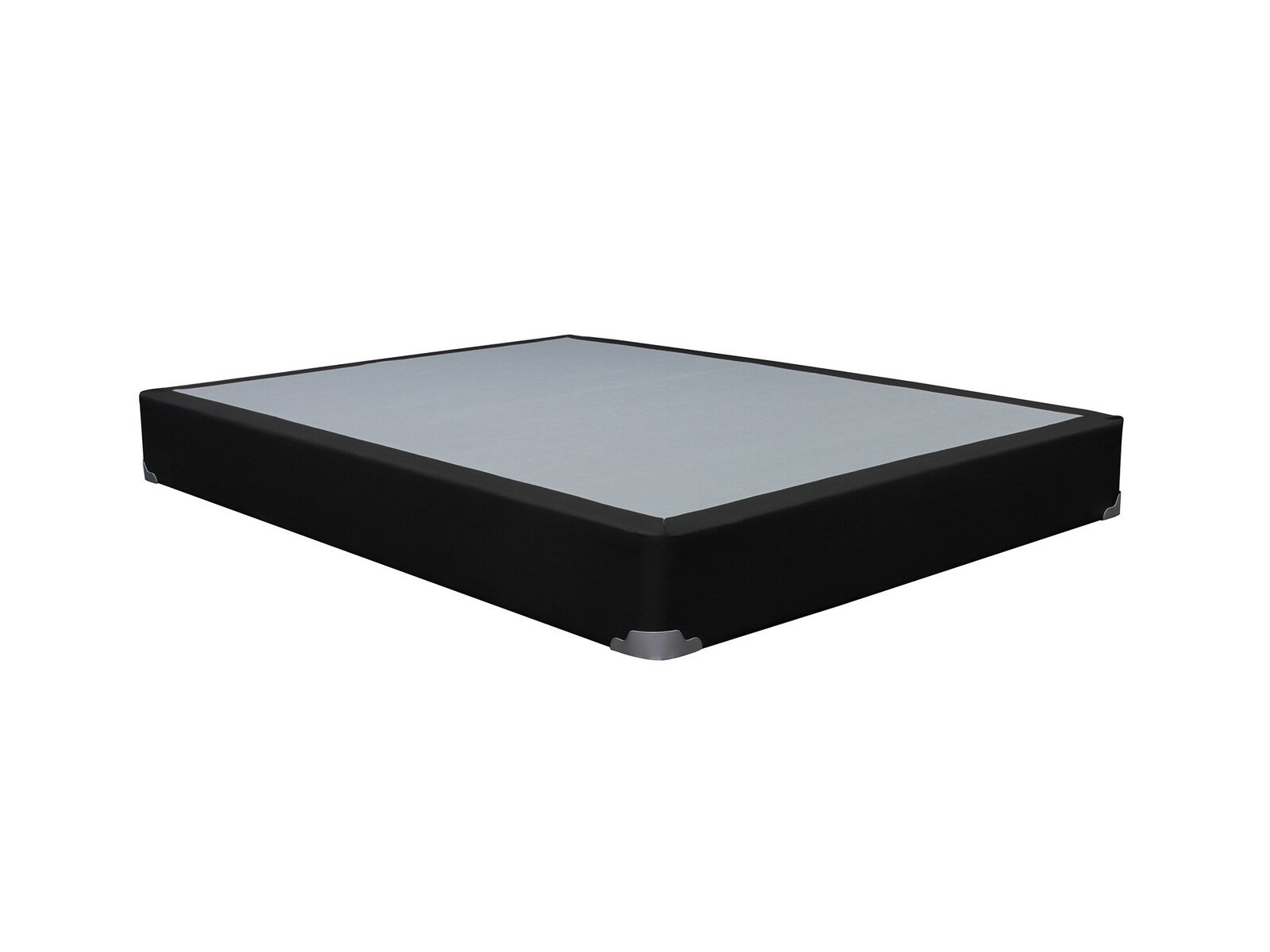
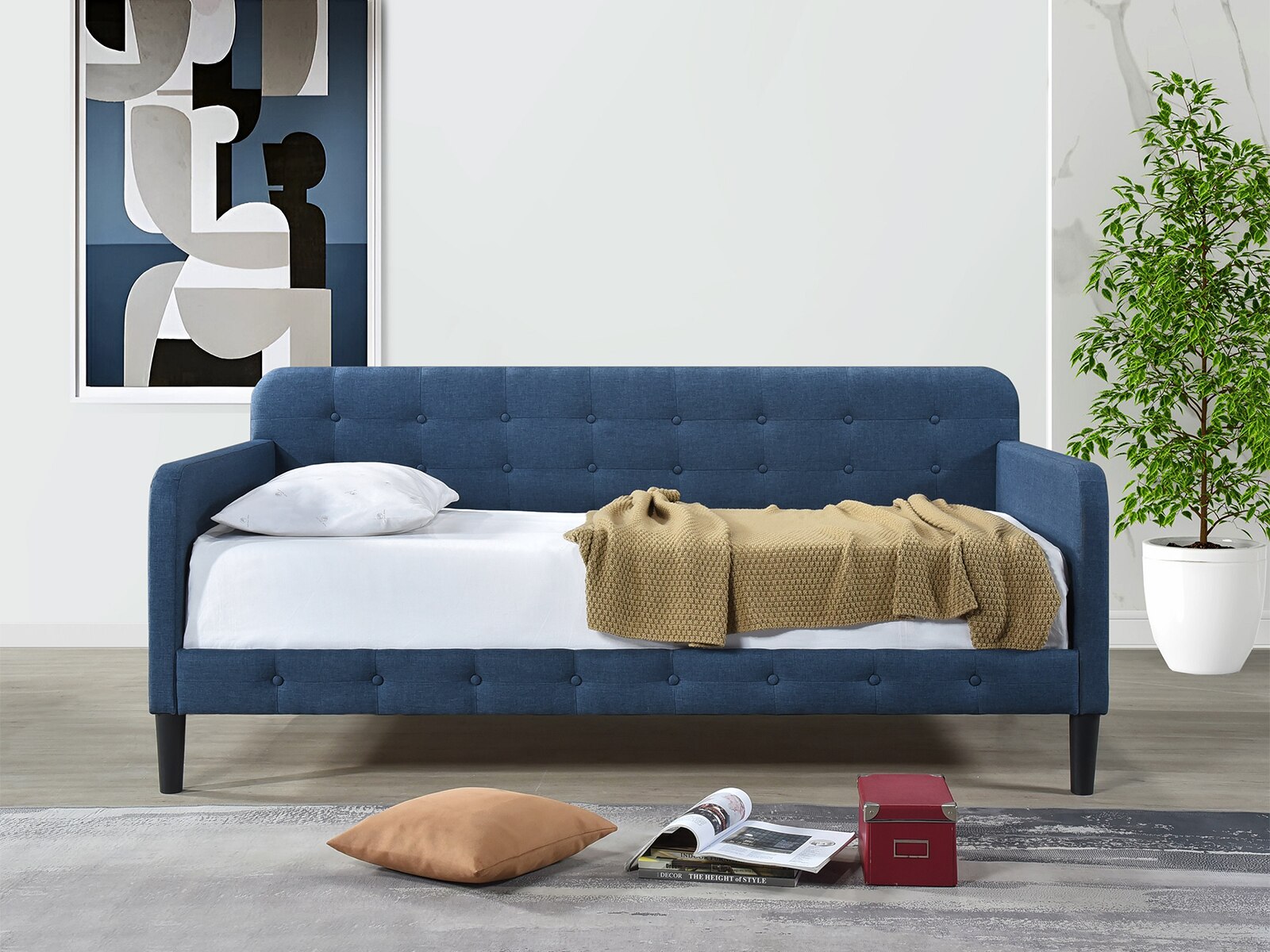
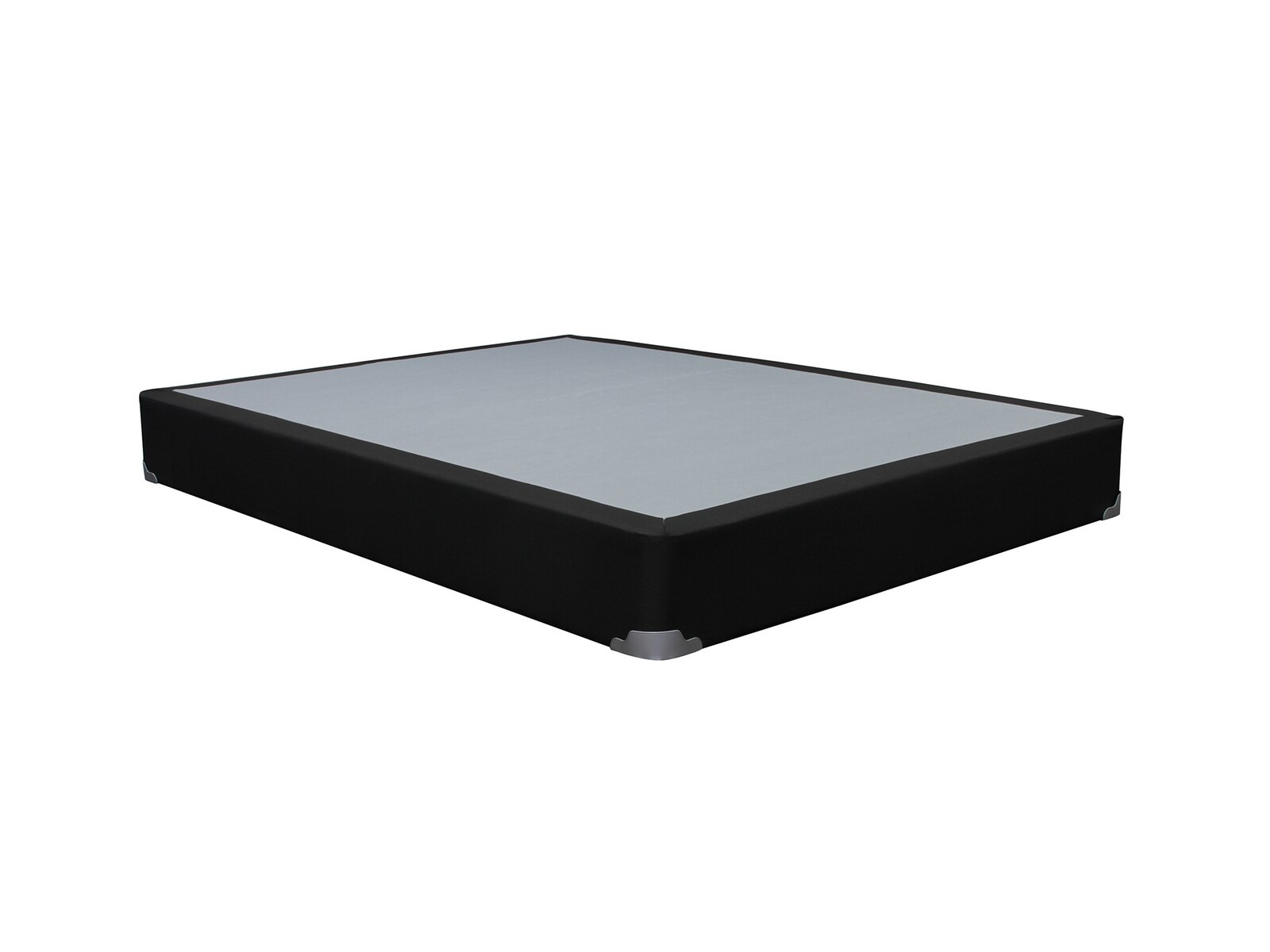
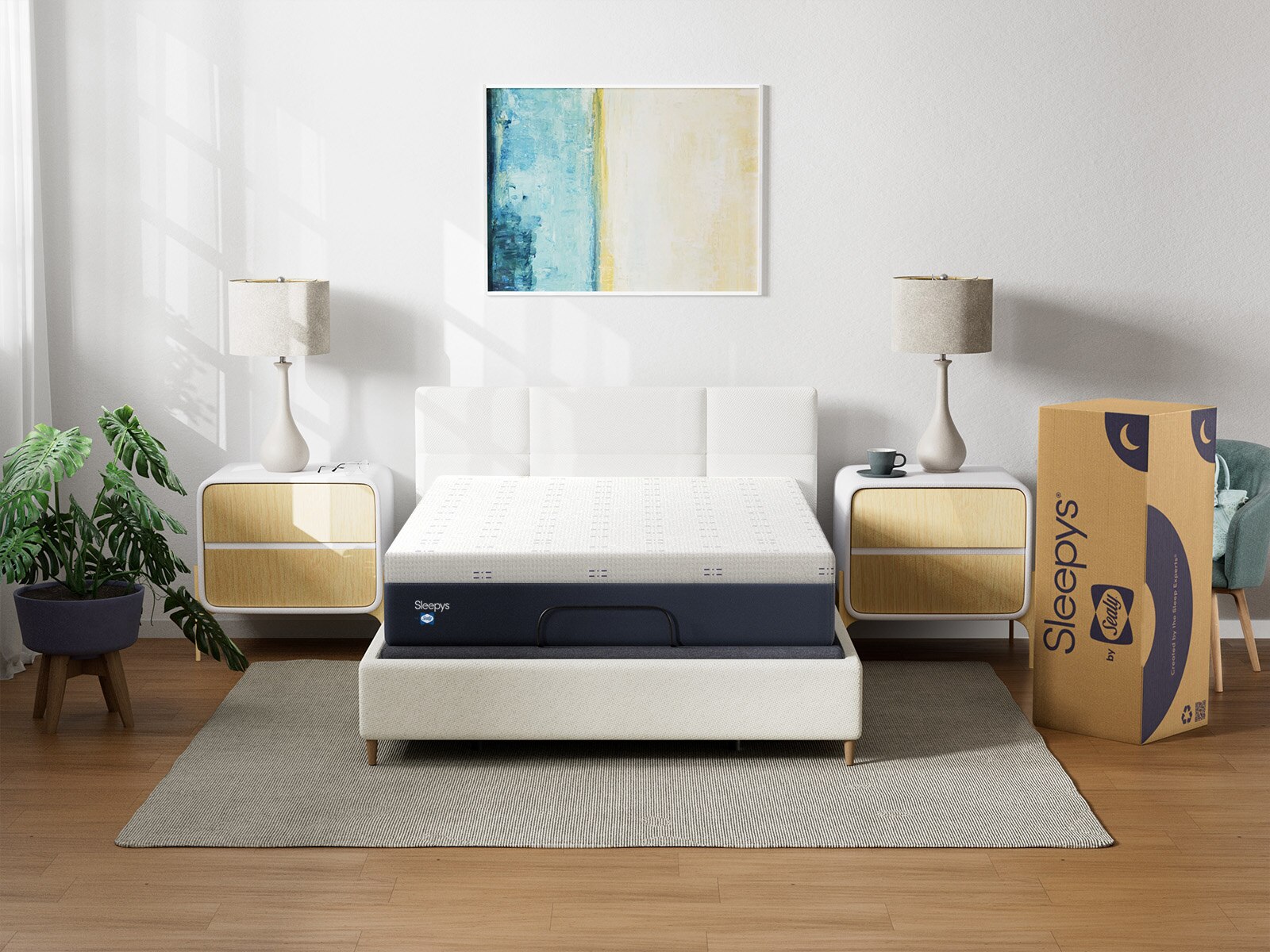
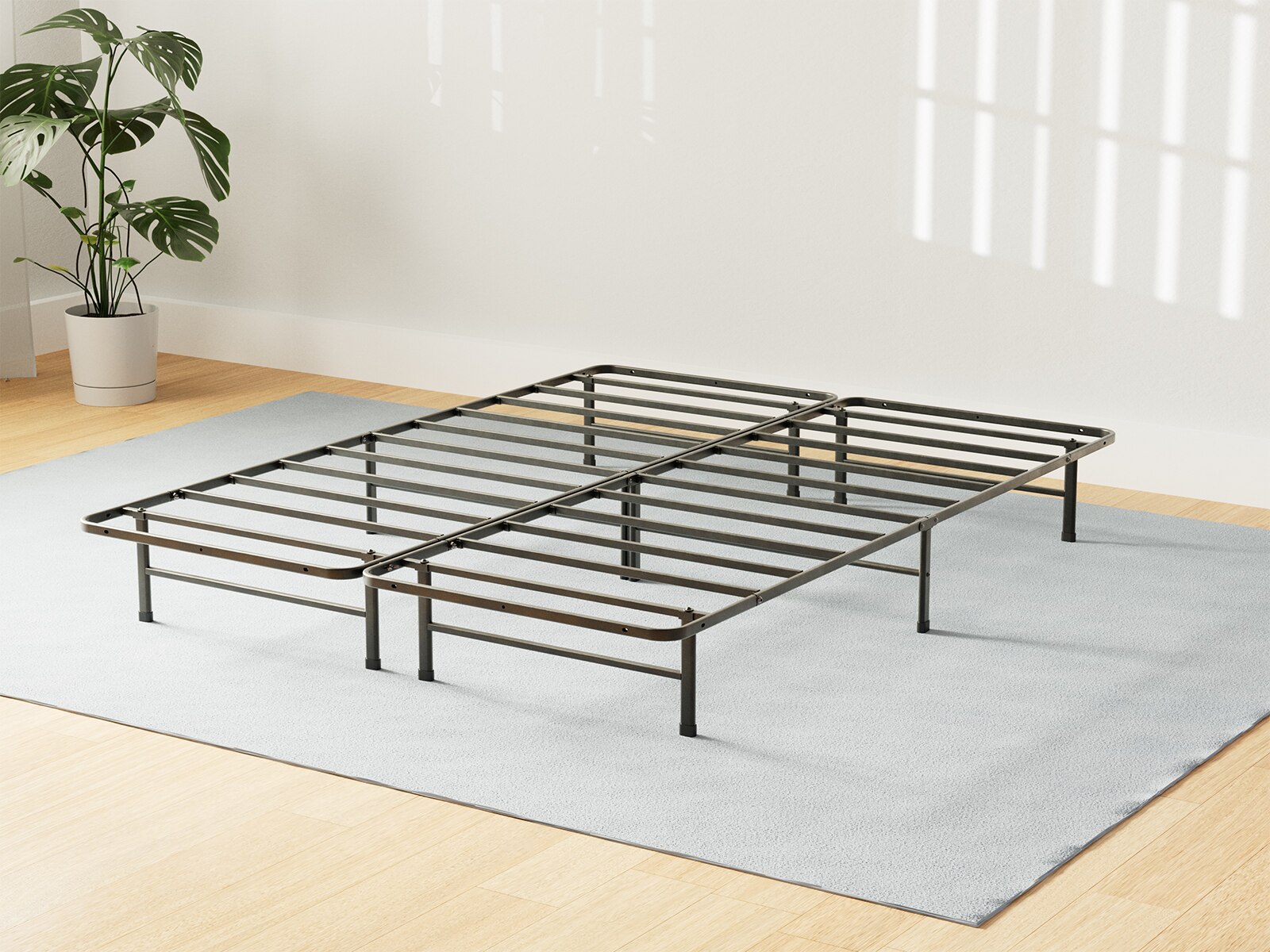
Twin XL bed frame supports create the base beneath a longer single-sleeper mattress, helping distribute weight through a structure designed for the bed’s size and construction. A standard Twin XL mattress measures approximately 38 inches wide by 80 inches long, making it five inches longer than a standard twin mattress without adding width. That extra length can suit taller sleepers, growing teens, college students and adults furnishing a compact bedroom. The support beneath the mattress may take several forms: a metal frame that holds a separate foundation, a platform with integrated slats, a compatible support board or a motorized adjustable base. These categories serve different purposes, so the distinction matters more than their similar footprint. A traditional open metal frame generally needs a compatible foundation between its rails and the mattress, while a platform may support the mattress directly when its surface meets the mattress manufacturer’s requirements. A support board can provide a more continuous surface over an existing structure, but it should not be assumed to replace a foundation or repair an unstable frame. Some boards have fabric coverings or gripping surfaces that help limit movement, although secure fit and the condition of the underlying structure remain important. Adjustable bases add powered positioning for activities such as reading or watching television in bed and require a mattress approved for that movement. Steel supports often have a relatively slim profile, while wood and engineered wood structures can bring a more furniture-like appearance to the room. Construction quality depends on the complete design, including connections, slats, rails and legs, rather than the material name alone. For a narrow guest room, a student’s bedroom or a first apartment, Twin XL supports offer a way to accommodate a longer mattress while preserving space alongside the bed for a nightstand, desk or clear walking path.
Fit involves more than matching the words Twin XL on the mattress and support labels. The mattress dimensions describe the sleeping surface; the assembled frame’s outside dimensions may be larger, particularly when it includes a headboard, footboard or upholstered surround. In a compact room, those additional inches can affect whether a drawer opens fully or a door swings clear of the bed. Compatibility also depends on how the support connects to the rest of the bed. Bolt-on brackets, hook-on attachments and freestanding structures are not automatically interchangeable, and a decorative bed frame may need a separate support system inside it. Slat spacing is another important detail because foam, latex and innerspring mattresses can have different support requirements. The mattress manufacturer’s instructions should determine the permitted gaps and whether a foundation, closely spaced slats or another surface is appropriate. A broad, evenly supported surface helps prevent portions of the mattress from extending into unsupported spaces, but adding a board can change ventilation beneath the mattress and should be consistent with those instructions. Weight ratings also need context: the support may have a limit for the combined weight of sleepers, the mattress and bedding, and that limit does not necessarily describe how much weight one rail or corner can hold. Center rails and additional legs contribute to some designs, while other Twin XL structures are engineered differently. The useful comparison is the complete support system, not simply the number of legs visible in a photo. Height deserves equal attention. Frame height, foundation thickness and mattress depth together determine the finished bed height. A low-profile setup can keep a small room feeling open, while a taller structure may leave space beneath for storage bins. For someone who prefers to sit at the edge before standing, a comfortable finished height is one that allows stable foot placement without a deep drop or an awkward climb. Underbed clearance, usable storage space and overall bed height are separate measurements, and each influences how the setup works in daily life.
Durability becomes most apparent in the small details of everyday use: whether the mattress stays centered, whether connections remain secure and whether the structure sits evenly on the floor. Metal supports benefit from properly seated fasteners and intact finishes, while wood supports need sound joints and slats without cracks or noticeable distortion. On hard flooring, compatible protective pads can help limit scuffs; on carpeting, all legs still need stable contact rather than resting unevenly against a wall or baseboard. A shifting mattress or a new creaking sound can be a reason to check assembly and alignment, not an invitation to keep tightening hardware beyond the manufacturer’s guidance. Routine care is usually straightforward: remove dust, use cleaning methods suited to the finish and avoid soaking wood, upholstered panels or electrical components. Adjustable bases have additional requirements for cord placement, moving-part clearance and access to power. Their mechanisms should remain clear of stored belongings, and children and pets should be kept away from moving components during operation. Twin XL supports can also be part of a split king arrangement, where two Twin XL mattresses sit side by side to create an approximately 76-inch-wide by 80-inch-long sleeping surface. Separate adjustable bases can allow independent positioning when the mattresses and bases are designed for that configuration, but ordinary Twin XL frames should not be assumed to connect securely without approved hardware. For anyone comparing previously used options,
Used Twin XL Supports is a related category to explore, with condition, dimensions and completeness remaining important considerations. A support passed along from another bedroom still needs compatible hardware and a structure suited to its next mattress. Whether furnishing a teen’s room, updating a guest space or preparing a longer bed for an adult sleeper, a well-matched support provides a practical foundation for the whole setup. The strongest match brings together the correct footprint, appropriate mattress support, dependable construction and a height that feels comfortable in the room.