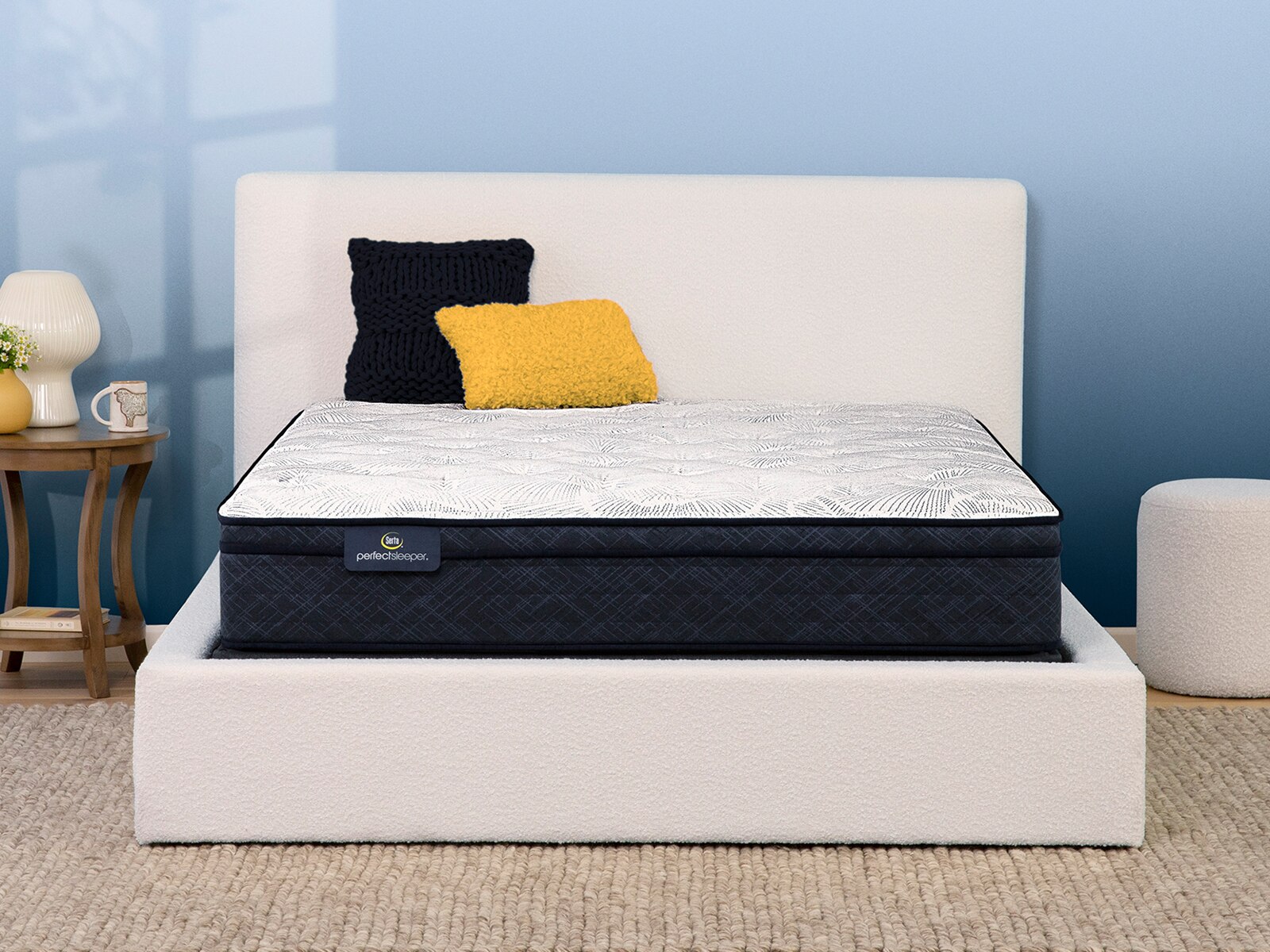
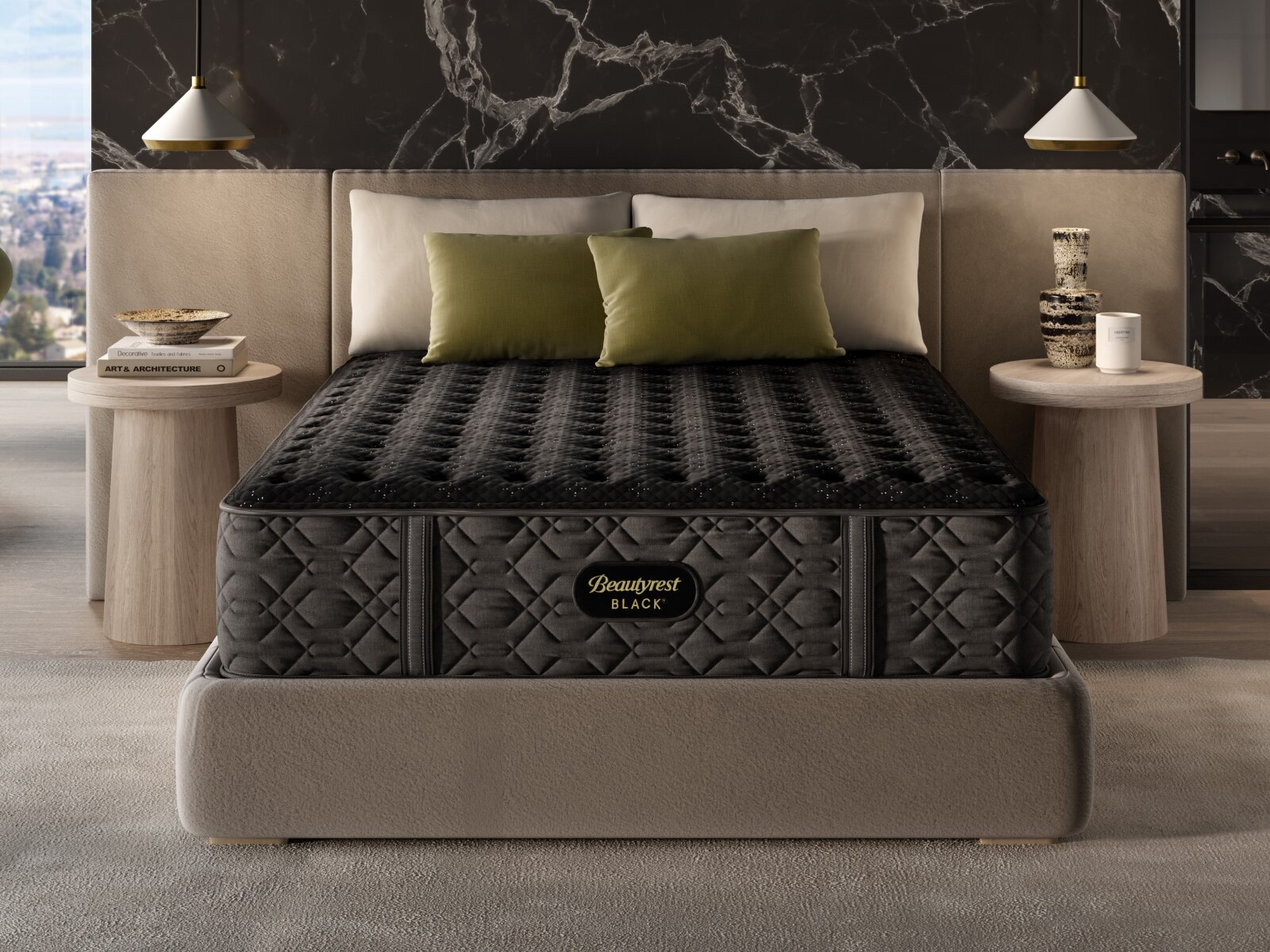
An 11-inch king mattress typically measures 76 inches wide by 80 inches long, with a nominal mattress height of 11 inches. That height describes the mattress itself, not the combined height of the mattress, foundation and bed frame. It offers a mid-profile option for a spacious sleeping surface without an especially tall mattress silhouette. Within that profile, construction can vary considerably: an all-foam mattress may pair a contouring comfort layer with a denser foam support core, while a hybrid combines foam or latex comfort layers with coils. Innerspring designs generally emphasize a coil support system, sometimes topped with cushioning foam and quilted upholstery. Memory foam tends to respond gradually and conform around the body, while latex generally has a more buoyant, responsive feel. Coil-based constructions can make changing positions feel easier, although the finished feel depends on the entire design rather than any single material. An 11-inch height does not establish firmness, support quality or durability on its own. Two mattresses with the same dimensions can feel quite different because of their layer thicknesses, material properties and support systems. For side sleepers, enough cushioning at the shoulders and hips can help distribute pressure without allowing the midsection to sink excessively. Back sleepers often benefit from a balance of contouring and support, while stomach sleepers generally need enough resistance beneath the hips to limit excessive sinking. Body weight also affects how deeply a person settles into the surface, so a firmness description is a starting point rather than a universal prediction. Someone who changes positions frequently may prefer a surface that responds readily to movement. For partners, motion isolation and edge support are separate considerations: reducing movement across the bed is different from maintaining a stable feel near its perimeter. The most useful comparison looks at how these characteristics work together, not simply whether the mattress reaches a particular height.
The generous width of a king mattress can be especially useful for couples who prefer room to stretch out or maintain some space between sleeping positions. At 76 inches across, a standard king provides 16 inches more width than a standard queen while keeping the same 80-inch length. Comparing those dimensions with
11 Inch Queen Mattresses can help clarify whether a wider sleeping surface or more open floor space matters most in the bedroom. Measure the full bed frame rather than the mattress alone, since upholstered rails, footboards and headboards can extend beyond the sleeping surface. Leave practical room for opening dresser drawers, walking beside the bed and reaching nightstands without turning sideways. A paper outline or painter’s tape on the floor can make the footprint easier to picture before rearranging furniture. The route into the bedroom matters, too, particularly around narrow stair landings or tight hallway turns. Once the footprint is settled, consider how an 11-inch mattress will work with the existing bed. A tall foundation can still create a high sleeping surface beneath a moderate-profile mattress, while a low platform produces a different seated height. For everyday comfort, consider whether getting into bed and standing up from the edge feels manageable for the person using it. Support underneath is just as important as room fit. Follow the mattress manufacturer’s requirements for foundation type, slat spacing and center support, especially across the width of a king. An older box spring is not automatically suitable for a newer mattress, and adjustable-base compatibility should be confirmed rather than assumed. Bedding fit deserves a similar check. Compare the fitted sheet’s stated pocket depth with the mattress height, including any topper or thick pad. An 11-inch mattress may fit many standard sheet sets, but pocket dimensions vary, and added cushioning changes the total depth. A secure fit should keep the corners in place without pulling the mattress edges upward or leaving large folds beneath the sleeper.
Everyday care helps preserve the comfort and condition of an 11-inch king mattress, regardless of its construction. A properly fitted mattress protector adds a washable barrier against spills, perspiration and everyday debris without requiring frequent cleaning of the mattress cover itself. Choose one that lies smoothly beneath the fitted sheet, and follow its laundering directions to maintain its fit and protective performance. Mattress covers are not necessarily removable or washable, even when a zipper is visible, so check the care instructions before opening or cleaning anything. For an accidental spill, prompt blotting and the manufacturer’s recommended cleaning method are generally safer than saturating the surface. Allow any cleaned area to dry fully before replacing bedding. Rotation can help distribute use on some mattresses, but the recommended schedule varies; flipping is appropriate only when the mattress is specifically designed for use on both sides. The underlying frame also needs occasional attention. Loose hardware, shifted slats or inadequate center support can affect how the bed feels and may contribute to uneven wear. When moving a king mattress, get enough help to control its size and weight, protect the cover from rough surfaces and avoid folding or sharply bending it unless the manufacturer permits that handling. Durability depends on material quality, construction, body weight, frequency of use and the support beneath the mattress, not height alone. A bed used every night by two people has a different pattern of wear from one used occasionally in a guest room. Lasting impressions, a noticeable loss of support or a change in comfort are reasons to assess both the mattress and its foundation. For a primary bedroom, prioritize the needs of the people who sleep there regularly. In a guest space, a balanced feel may accommodate a broader range of preferences, but enough floor space and easy access still matter. The right 11-inch king mattress brings together a comfortable surface, dependable underlying support and dimensions that suit the room and its everyday use.