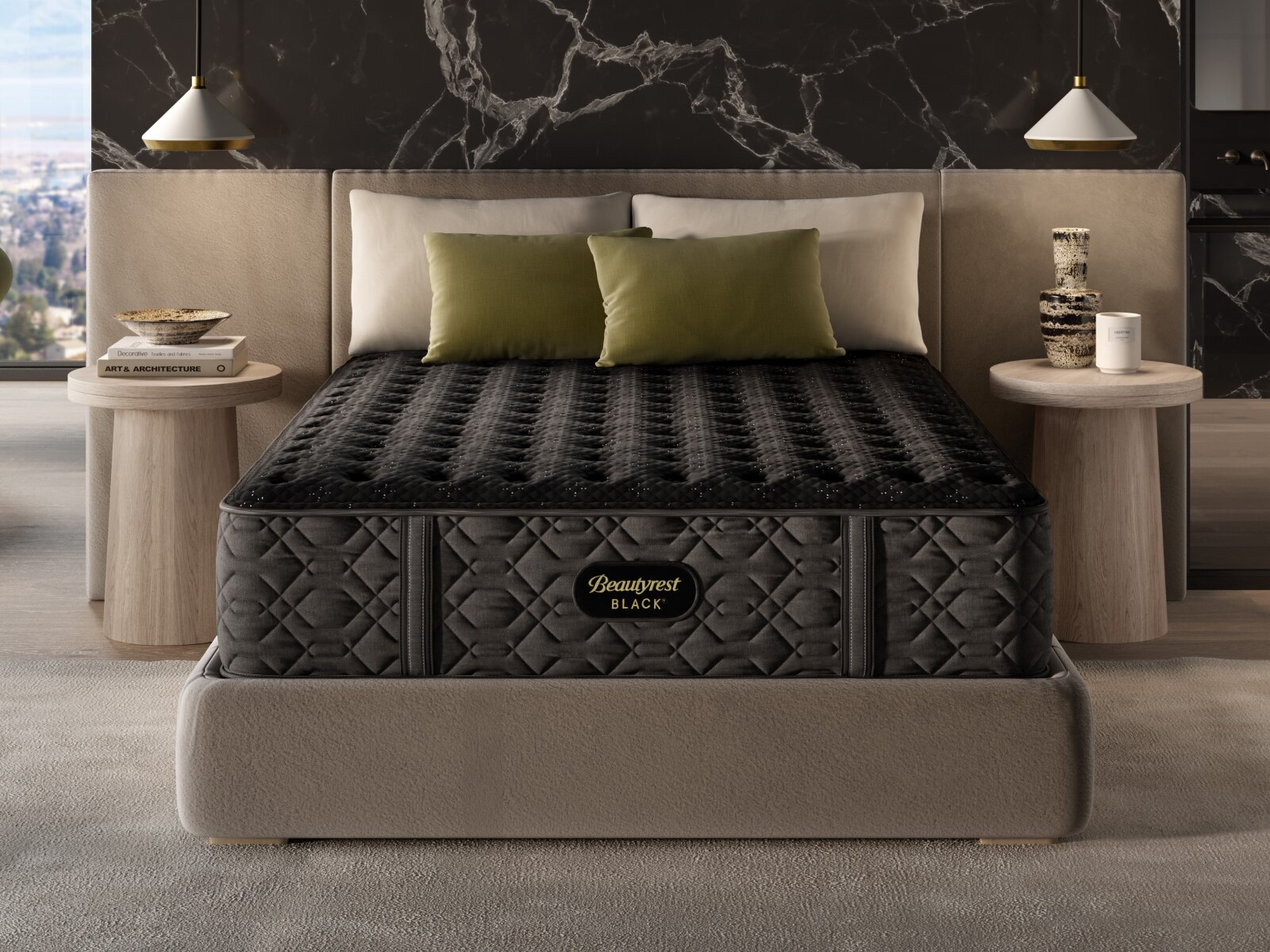
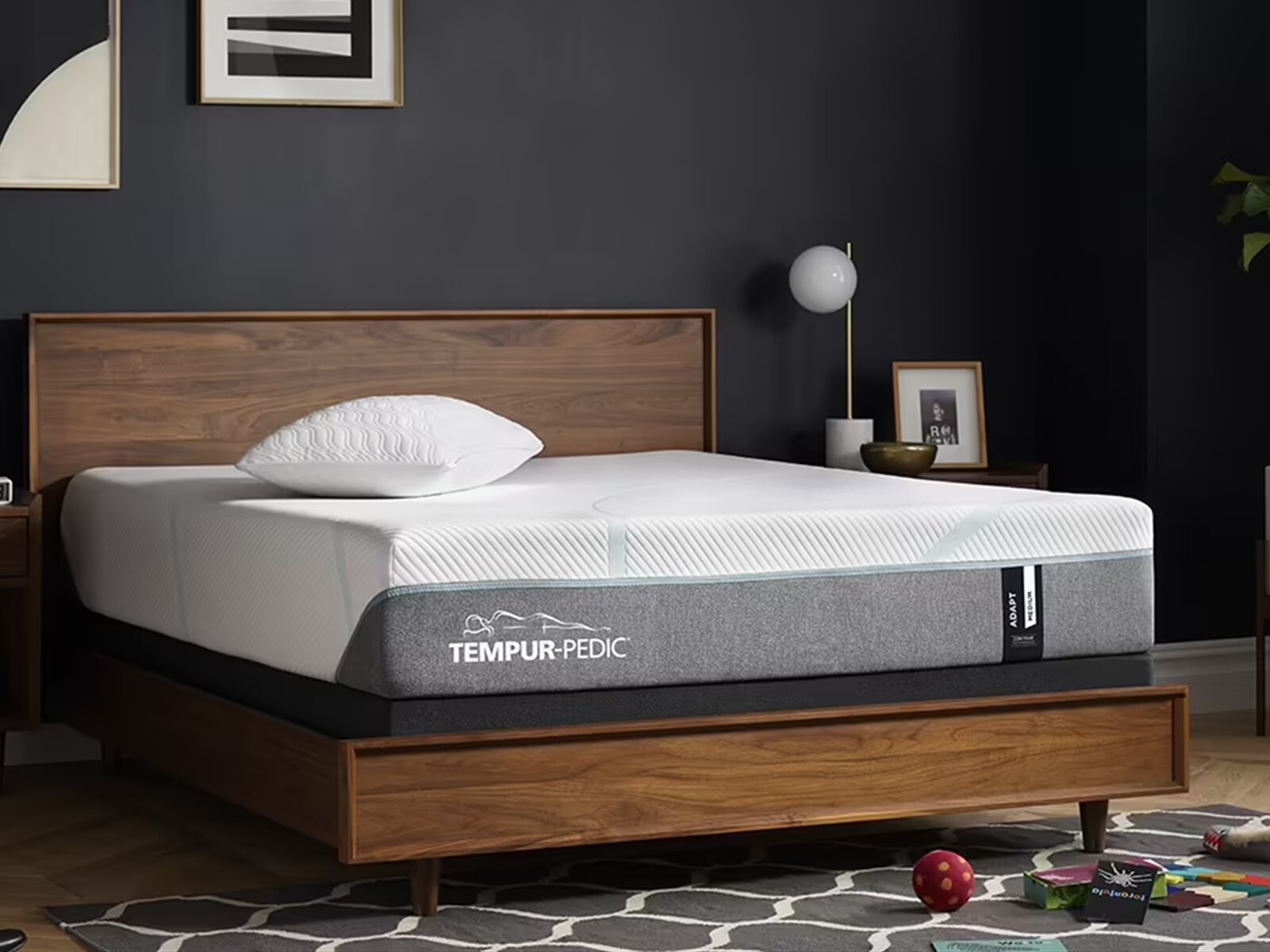
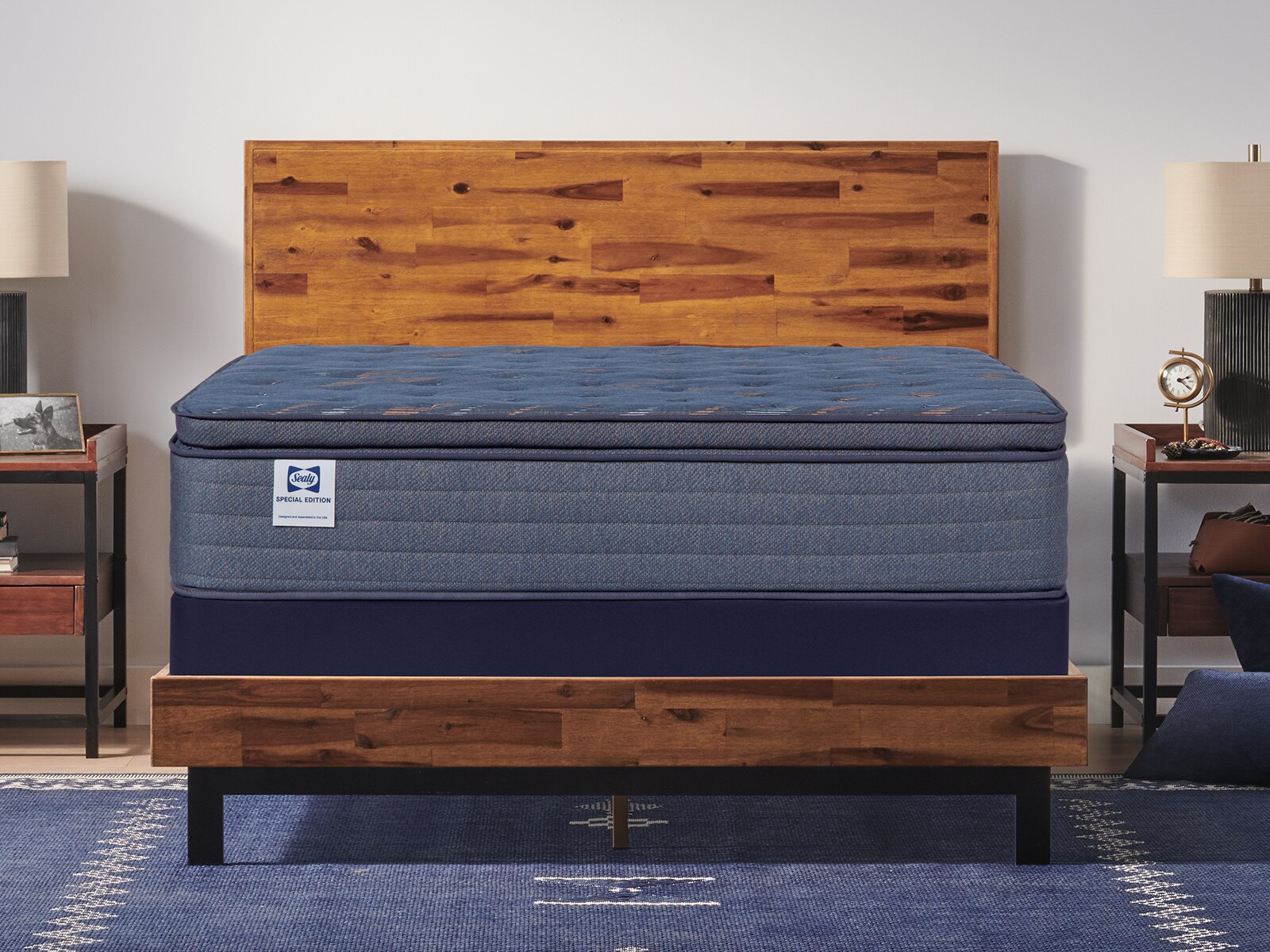
A 14-inch king-size mattress typically measures 76 inches wide by 80 inches long, with an overall thickness of approximately 14 inches. The king designation describes the sleeping surface, while the 14-inch measurement describes the mattress profile from bottom to top. That distinction matters: a taller mattress is not automatically firmer, more supportive or more durable than a thinner one. Feel depends on the materials, how the layers work together and how they respond to the person lying on them. In a shared bedroom, a king gives two sleepers about 38 inches of width each, making it useful for partners who prefer room to stretch or change positions. The deeper profile can accommodate a combination of cushioning and support layers, although construction varies. Memory foam generally contours gradually around the body, while latex tends to feel more responsive and springy. A hybrid combines coils with comfort materials such as foam or latex, and individually wrapped coils can help limit the spread of movement across the bed. Neither height nor material category alone tells the whole story. A side sleeper may appreciate cushioning at the shoulders and hips, while a stomach sleeper may need a firmer surface that keeps the midsection from sinking too deeply. Back sleepers often look for a balance of contouring and steady support beneath the lower back. Body size and personal preference influence each of those needs, so firmness descriptions are most useful when considered alongside construction. Partners with different preferences may place particular importance on motion isolation, responsiveness and edge support. A surface that absorbs movement can make a partner’s position changes less noticeable; a more responsive feel can make turning over easier. When trying a mattress, spending time in a usual sleeping position gives a clearer impression than pressing a hand into the top or sitting briefly on the edge.
Bedroom fit involves more than finding space for a 76-by-80-inch rectangle. A bed frame may extend beyond the mattress on every side, and a substantial headboard or footboard can add to the overall footprint. Comfortable clearance beside the bed helps leave room for nightstands, open drawers and everyday movement. A standard king has the same 80-inch length as a queen, so its main space advantage is width rather than additional legroom. Comparing
14 Inch Mattresses across sizes also helps distinguish mattress depth from the width and length that determine bedroom fit. For a king, the finished bed height deserves particular attention. A 14-inch mattress on a 12-inch platform creates a sleeping surface approximately 26 inches from the floor before bedding, while adding a separate foundation raises it further. The most comfortable height allows the sleeper to sit near the edge and get into or out of bed without an awkward climb or drop. Edge support can be especially noticeable during that daily routine, although even a reinforced edge may feel different from the center of the mattress. Beneath the mattress, the support system needs to meet the manufacturer’s requirements for slat spacing, center support and weight capacity. A separate box spring is not necessary for every construction, and an adjustable base requires a mattress specifically designed for that use. These details affect performance and may also affect warranty coverage. Access to the bedroom matters, too: narrow stairways, tight hallway turns and low doorways can complicate moving a king-size mattress. Whether a mattress arrives flat or compressed changes the handling requirements, but thickness alone does not indicate its weight or flexibility. Product dimensions, handling instructions and the route into the room help establish whether the setup will work as intended.
Bedding fit is another practical part of choosing a 14-inch king mattress. A fitted sheet labeled king may match the width and length yet still have pockets that are too shallow for the mattress profile. Pocket-depth specifications are more useful than a general deep-pocket label, especially when a mattress protector or topper adds height. A sheet with an appropriate fit should reach beneath the corners without pulling tightly across the surface or leaving large folds under the sleeper. A thick topper can also change the feel of the mattress, so the original comfort level should be considered before adding another cushioning layer. For everyday care, a properly fitted protector helps shield the surface from spills, perspiration and routine wear. Cleaning methods depend on the cover and internal materials; a removable cover is not necessarily machine washable. Gentle spot cleaning according to the manufacturer’s instructions, with minimal moisture and complete drying before replacing bedding, helps avoid saturating the layers beneath. Rotation may encourage more even wear when recommended, but most mattresses with a designated comfort surface should not be flipped unless their construction specifically allows it. The materials inside matter as much over time as the care routine. Foam density, coil design, edge construction and the support beneath the bed can influence how well a mattress maintains its shape. A plush quilted top may develop slight body impressions, while persistent deep sagging or a noticeable loss of support calls for closer attention to the mattress and its foundation. Greater thickness alone does not establish a longer useful life. For a primary bedroom or a spacious guest room, the lasting appeal of a 14-inch king-size mattress comes from matching its generous dimensions and substantial profile with a comfortable feel, suitable support and bedding that fits securely. Those details make the difference between a bed that simply looks inviting and one that works comfortably through nightly use.