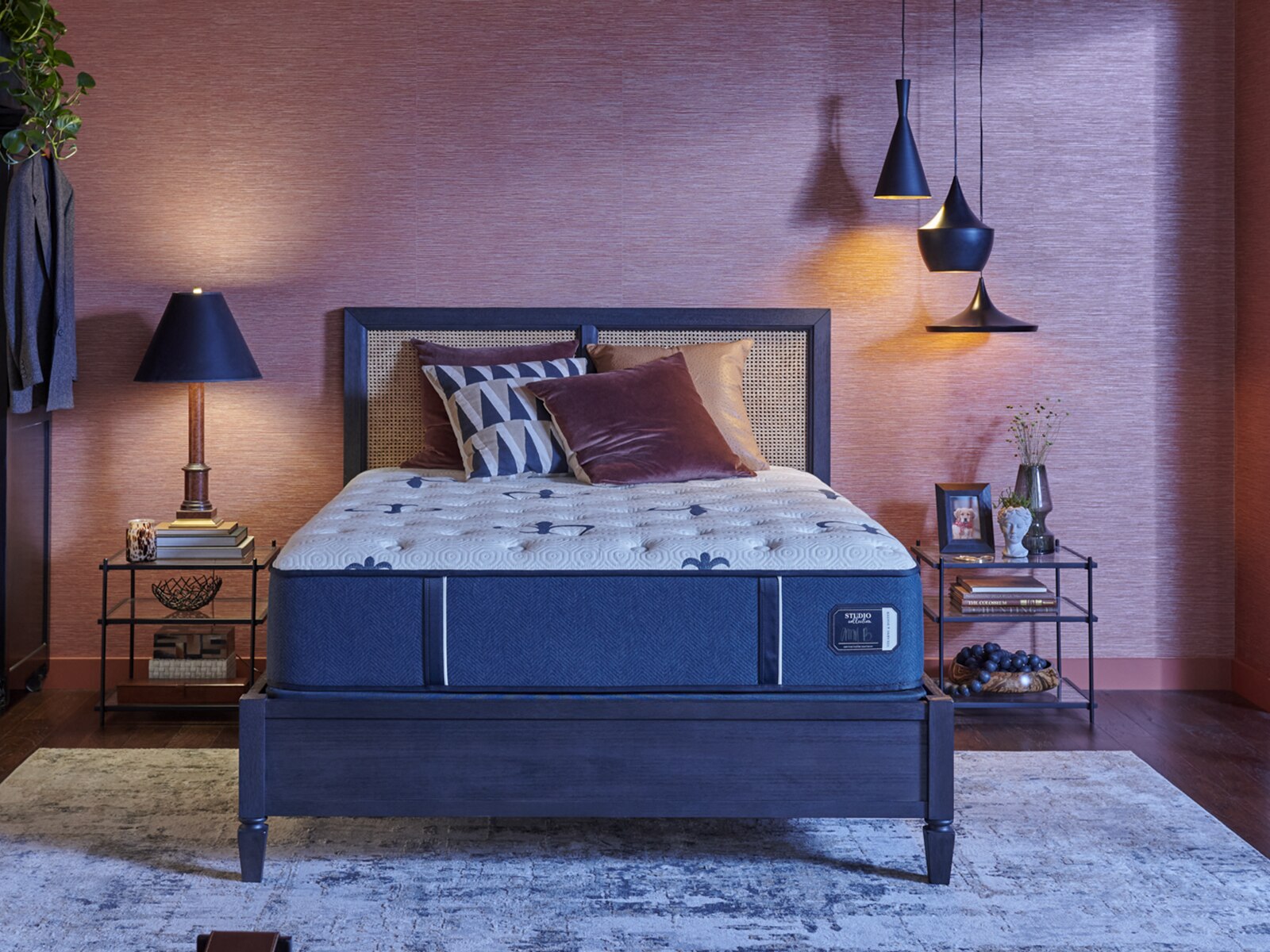
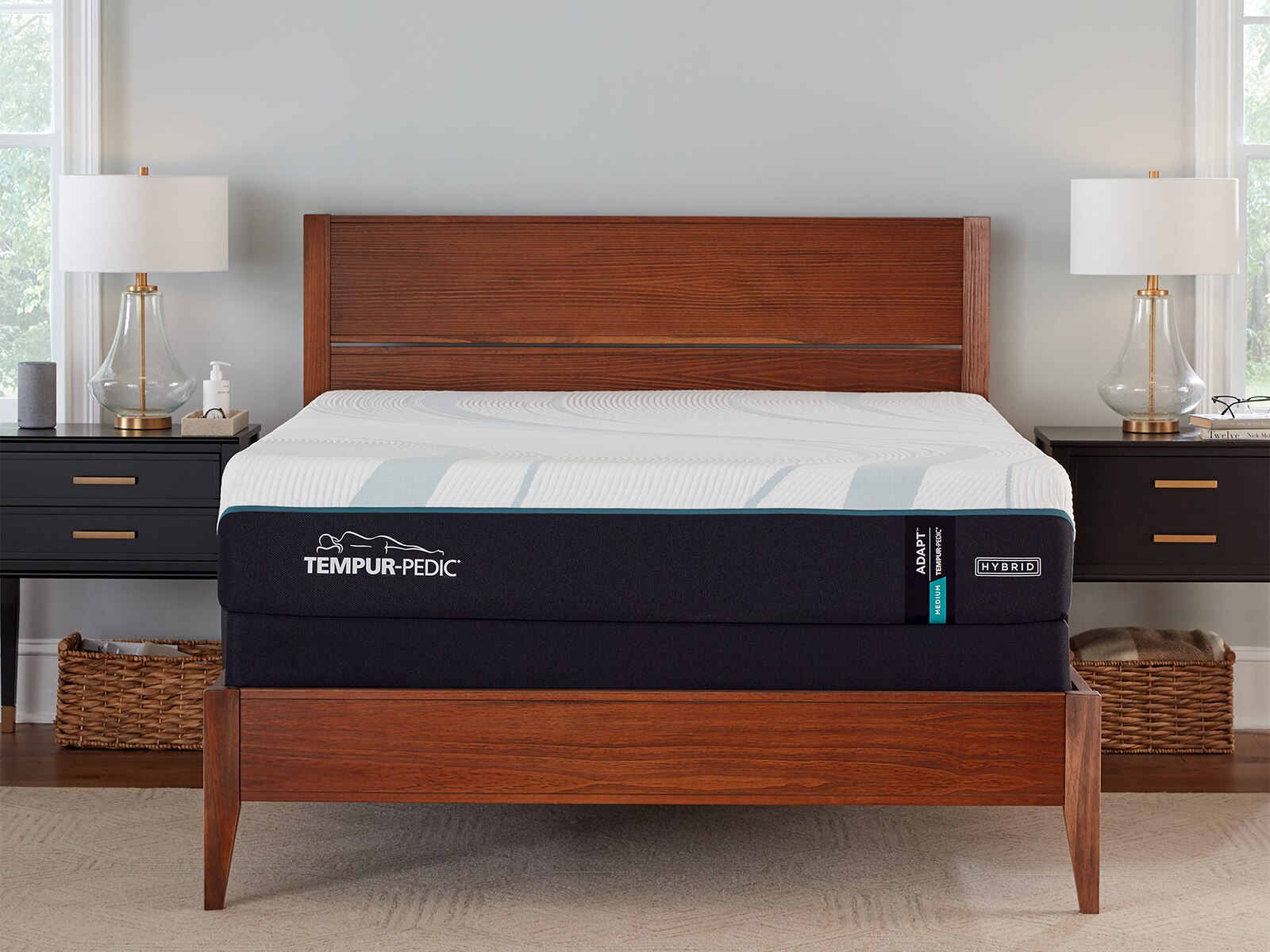
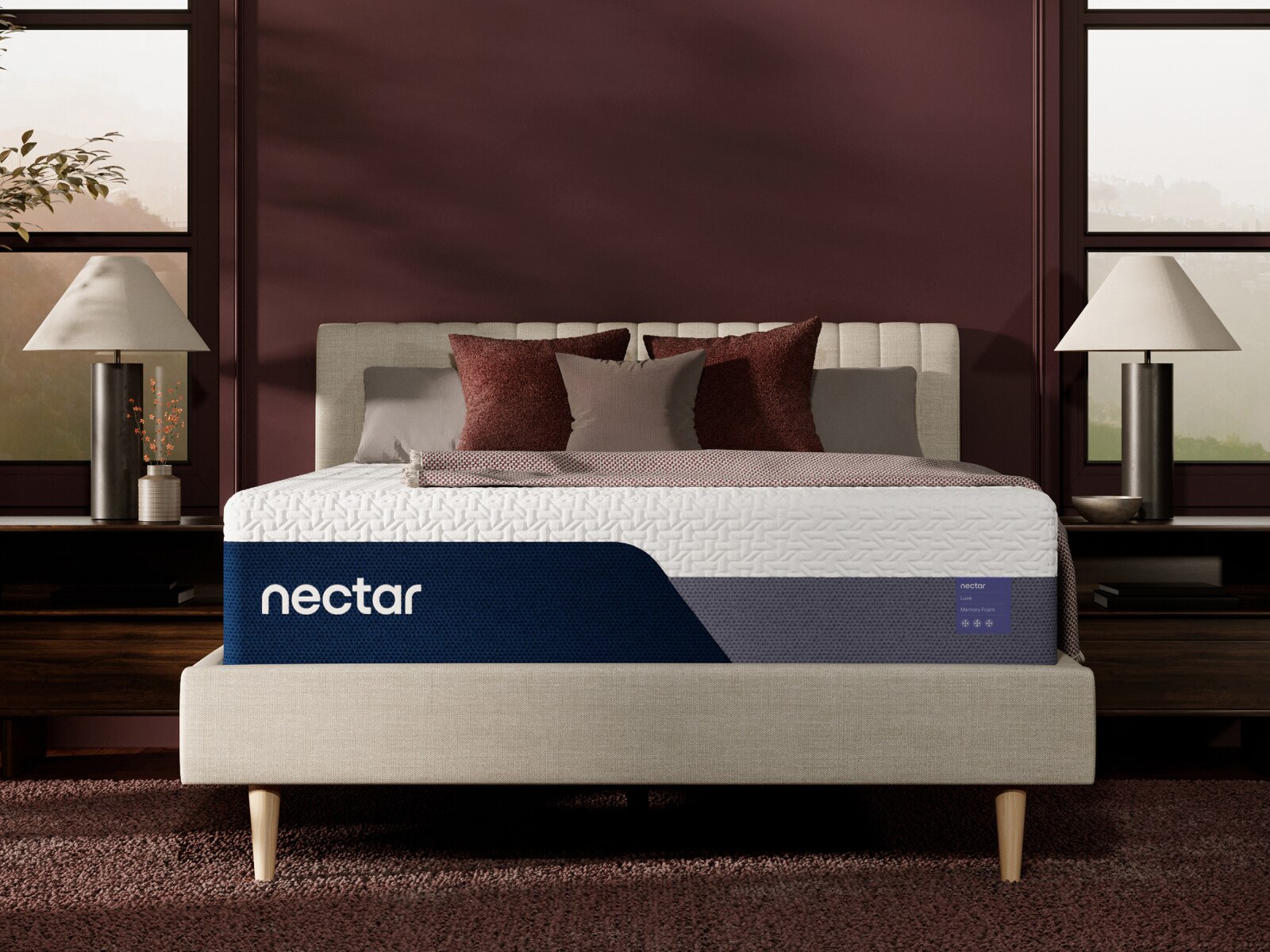
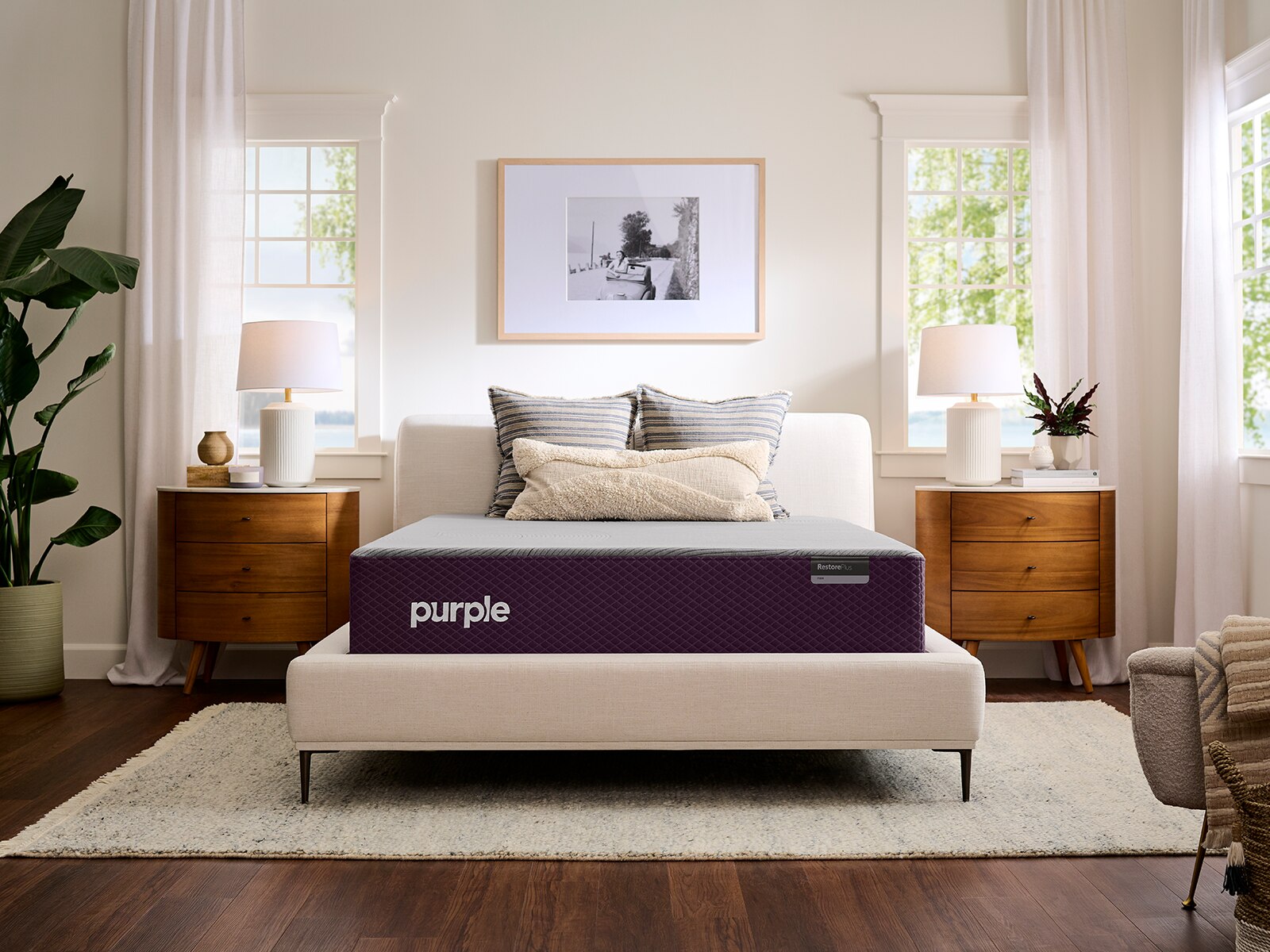
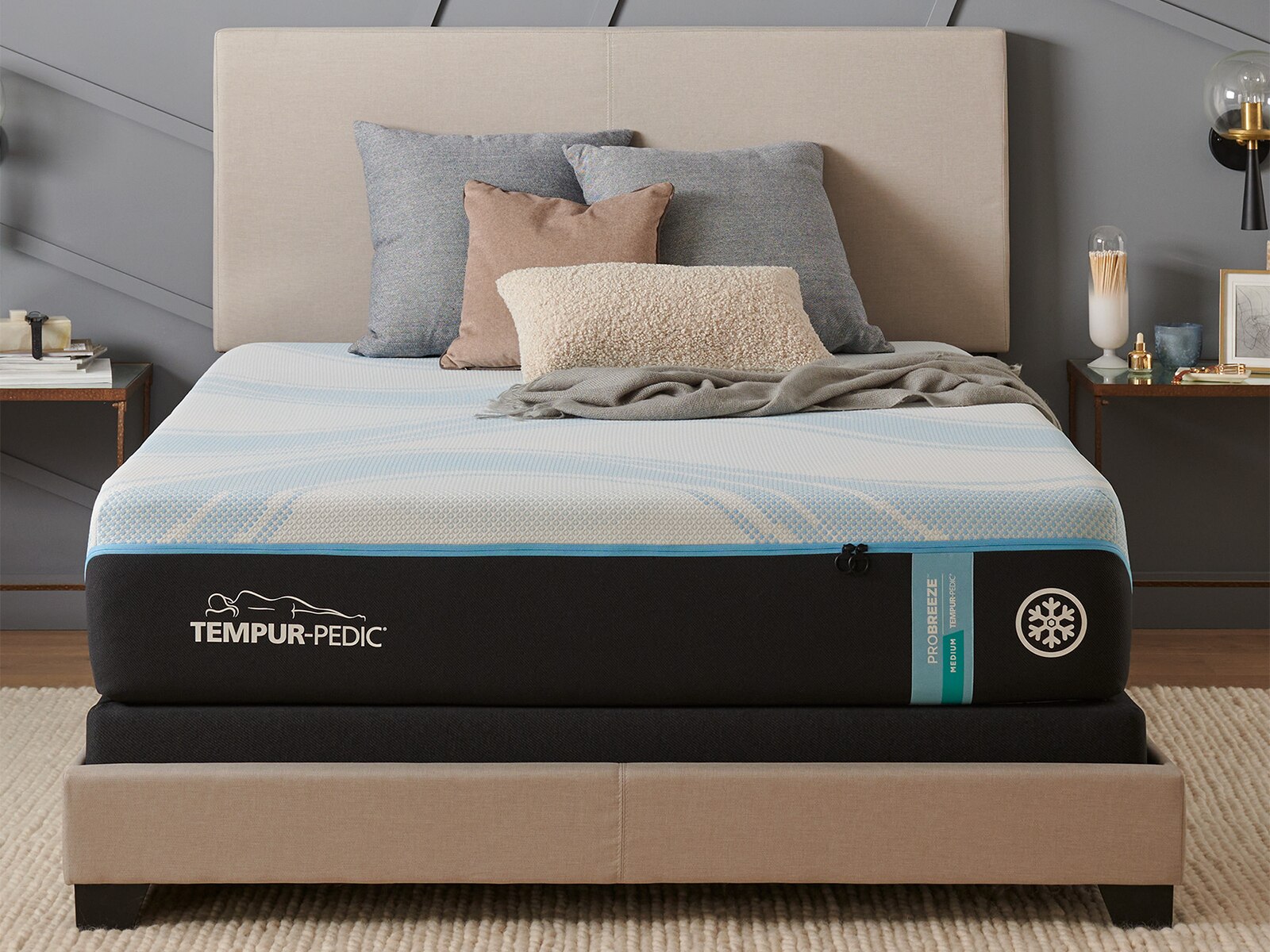
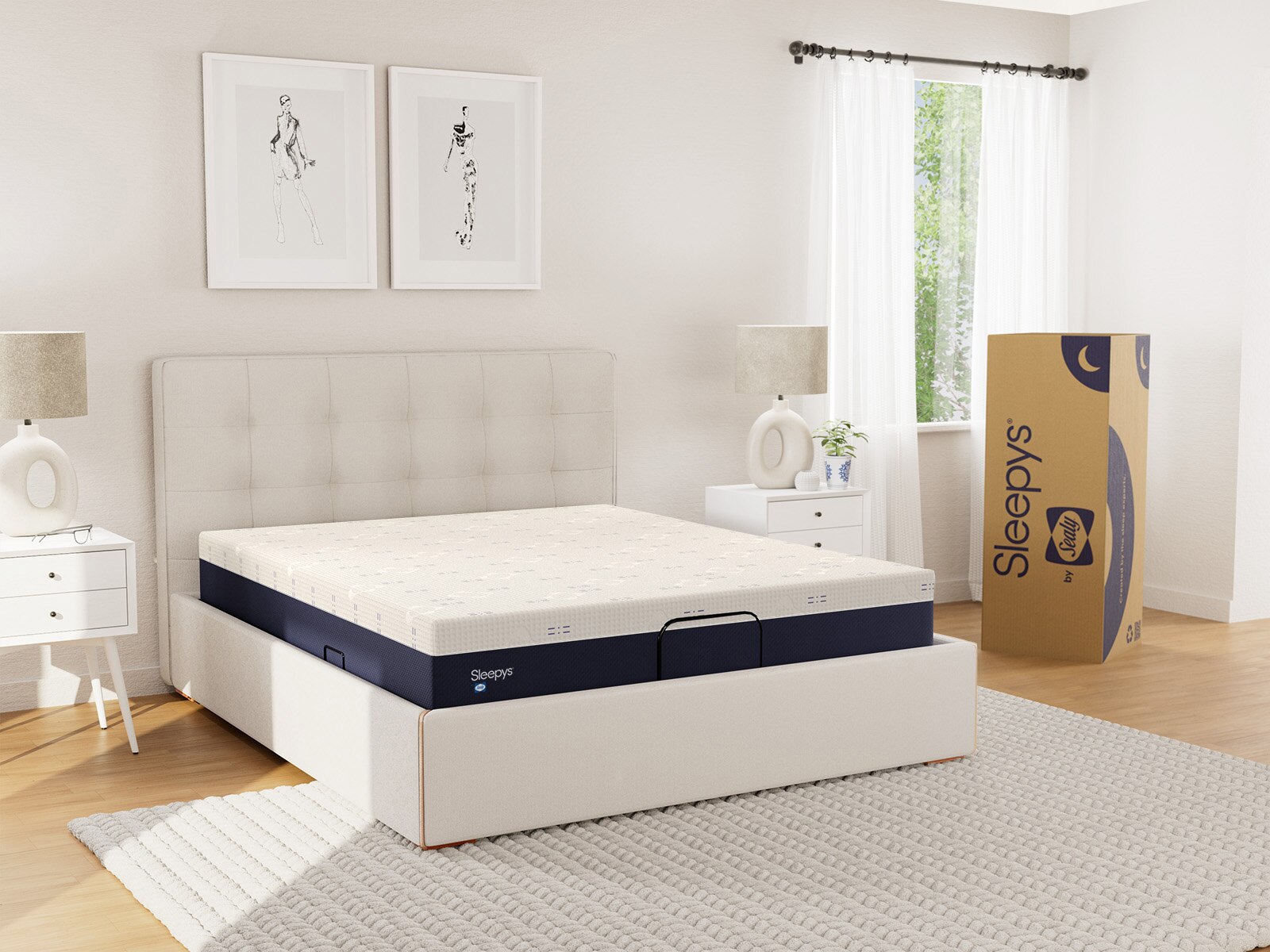
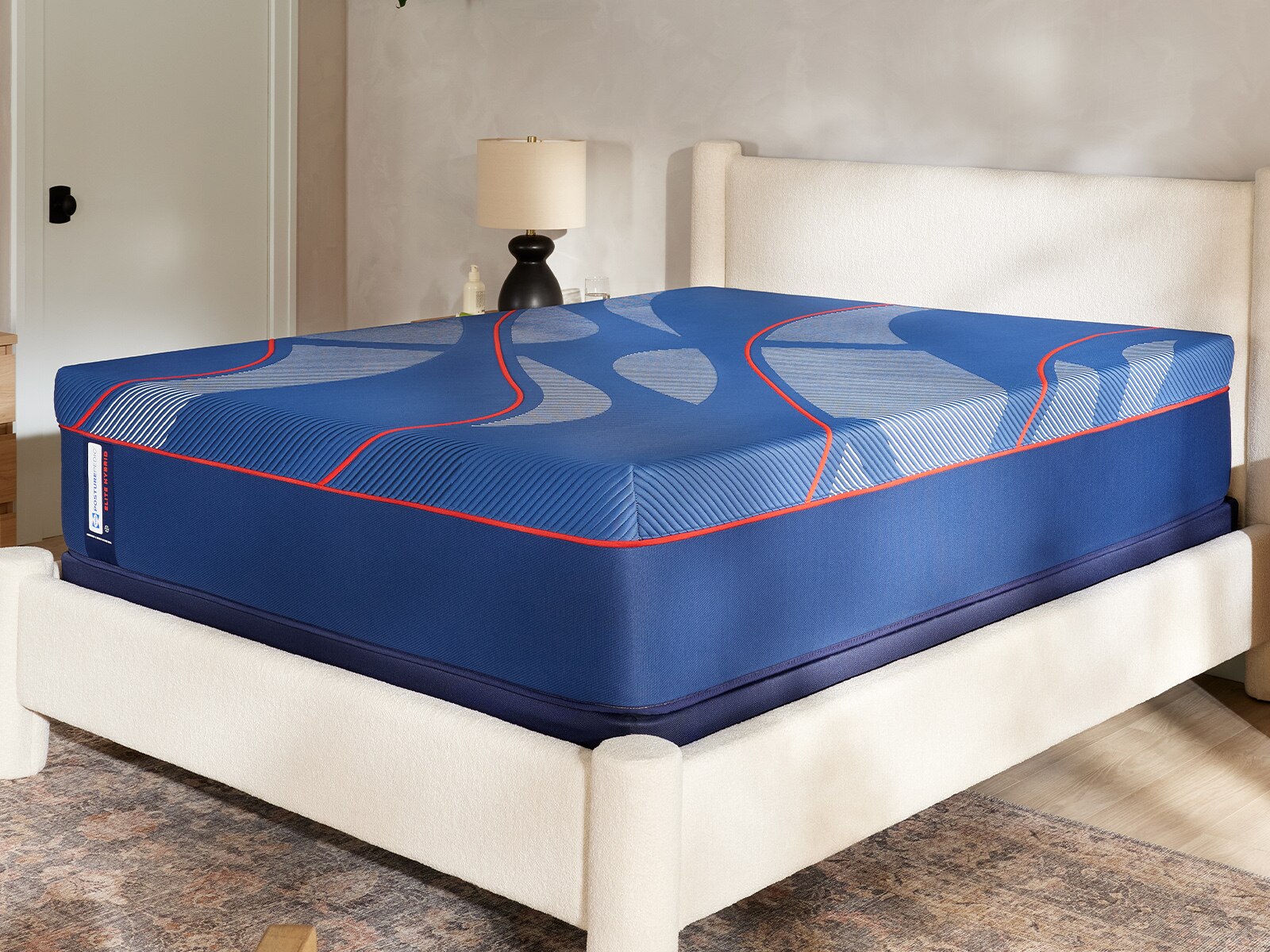
A 14-inch memory foam mattress with cooling technology combines a substantial mattress profile with contouring comfort and features designed to help manage heat near the sleep surface. Memory foam responds to pressure and body warmth, gradually cushioning areas such as the shoulders and hips instead of pushing back with the bounce of a traditional spring surface. Cooling features address a separate part of the sleep experience: how heat and moisture move through the cover and comfort layers. Depending on the construction, those features may include gel-infused foam, copper or graphite infusions, perforated layers, airflow channels or breathable knit covers. Some covers feel cool at first contact, while other materials are designed to encourage airflow or help distribute absorbed heat. These approaches are not interchangeable, and a cool initial touch does not necessarily mean the surface will maintain the same sensation throughout the night. Passive cooling materials also do not actively refrigerate a bed. Sheets, mattress protectors, blankets and the surrounding sleep environment all influence the result. Within a 14-inch profile, the overall height typically includes a cover, cushioning layers, transitional foam and a supportive base rather than 14 inches of memory foam alone. The upper layers shape the surface feel, while the deeper layers help control how far the body settles. A transitional layer can make the change from soft cushioning to firmer support feel more gradual, which may be noticeable when turning over or shifting from the back to the side. Thickness alone does not determine firmness, cooling performance or suitability for a particular body weight. Two mattresses with the same height can feel quite different because of their foam formulations, layer proportions and support structures. That makes the relationship between surface cushioning and underlying support more useful than height alone when considering everyday comfort.
Sleep position and body shape help explain which comfort characteristics matter most. Side sleepers often appreciate enough contouring for the shoulder and hip to settle without feeling pressed against a hard surface. Back sleepers may prefer cushioning that follows the lower back while keeping the pelvis from sinking too deeply. Stomach sleepers generally need a more restrained surface feel around the midsection, although individual comfort depends on body proportions and personal preference. A taller mattress can accommodate multiple comfort layers, but extra height does not automatically provide stronger support for a heavier sleeper or make a mattress softer for a lighter sleeper. Someone with a smaller frame may experience less contouring because less weight presses into the foam, while someone with a larger frame may engage the deeper layers more readily. Foam density, firmness and the complete support design deserve separate consideration; denser foam is not necessarily firmer, and a firm surface is not automatically more durable. For couples, memory foam’s ability to absorb movement can help reduce the disturbance of a partner changing positions. The amount of motion transfer still varies with the construction, and the same close contouring that feels comforting to one sleeper may feel restrictive to another. People who change positions frequently may prefer a more responsive surface that regains its shape more quickly. Edge support matters, too, especially for someone who sleeps close to the side or sits at the edge while getting dressed. Reinforcement varies, so a deep profile should not be taken as proof of a sturdy perimeter. For sleepers who tend to feel warm, breathable bedding can help cooling features work as intended. A thick, insulating topper or heavily padded protector adds another layer between the body and the mattress, potentially changing both the cooling sensation and the pressure-relieving feel underneath.
The additional height of a 14-inch mattress also affects how the entire bed fits into daily life. Mattress height and foundation height together determine how far the sleep surface sits above the floor. On a tall frame, a deep mattress may make getting into bed less comfortable; on a lower platform, it can create a more accessible surface for some sleepers. A comfortable bed height generally allows a person to sit near the edge with feet supported rather than dangling or feeling crowded toward the chest. Existing furniture deserves attention as well, since a thicker mattress can cover more of a headboard or sit noticeably higher than a bedside table. Fitted sheets need enough pocket depth for the mattress and any added protector or pad, with room for the fabric to stay secured around the corners. The support beneath the mattress is equally important. A compatible platform, foundation or slatted frame helps distribute weight, while gaps or insufficient center support can affect performance and may conflict with warranty requirements. Adjustable-base compatibility should be confirmed rather than assumed. For a different profile,
11 Inch Mattresses With Cooling Features offer another height to consider alongside frame dimensions and personal comfort preferences. Everyday care helps preserve the materials: use a breathable protector, address spills promptly and follow the care label for any cover cleaning. A removable cover is not necessarily machine washable, and foam should not be saturated with water. Rotate the mattress only as directed, and do not flip a layered design unless its instructions specifically allow it. Over time, durability depends on material quality, appropriate support, use and maintenance rather than thickness alone. A well-matched 14-inch cooling memory foam mattress brings these details together: cushioning that suits the sleeper, support appropriate to the body and a sleep surface that works with the rest of the bed.