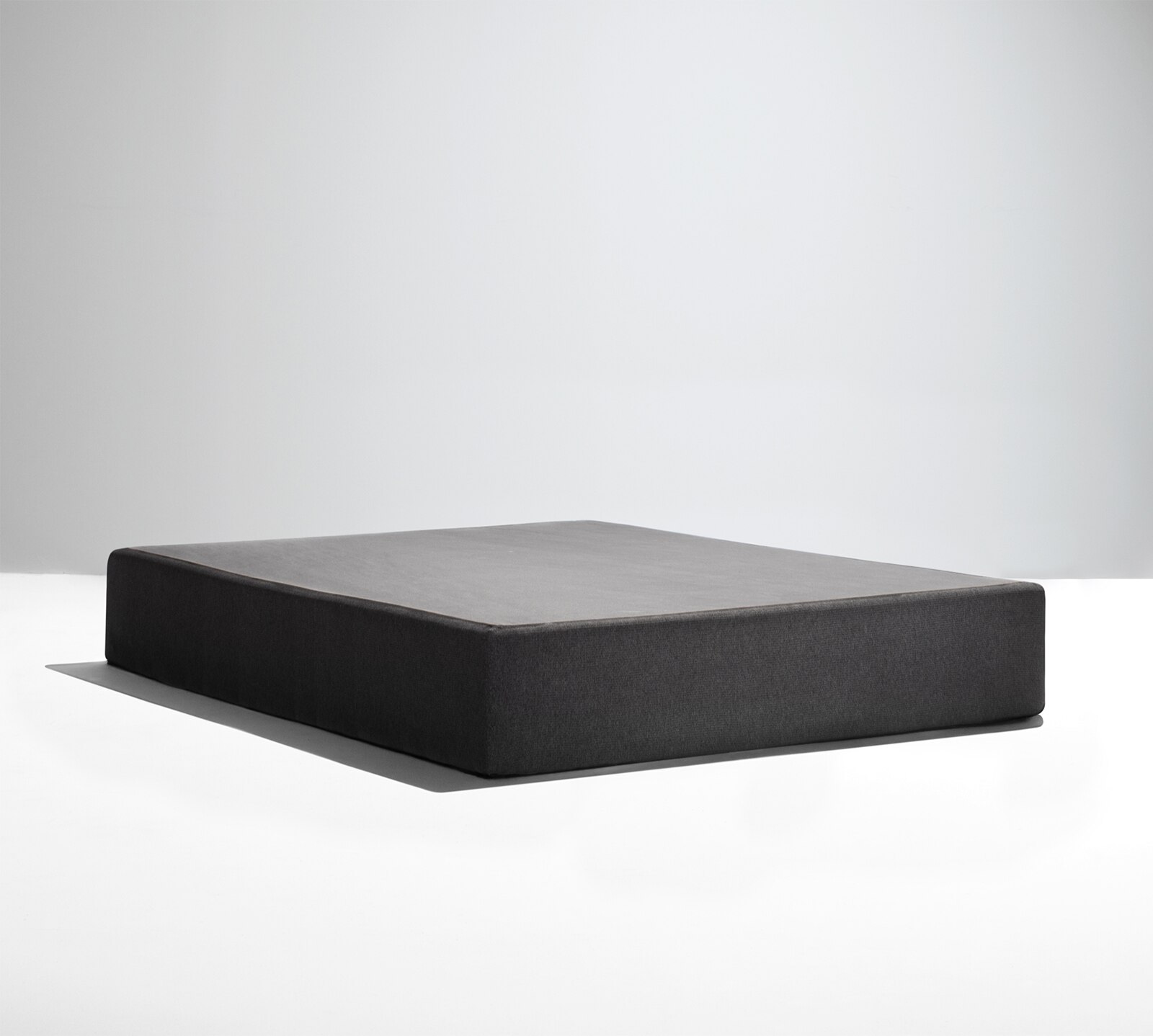
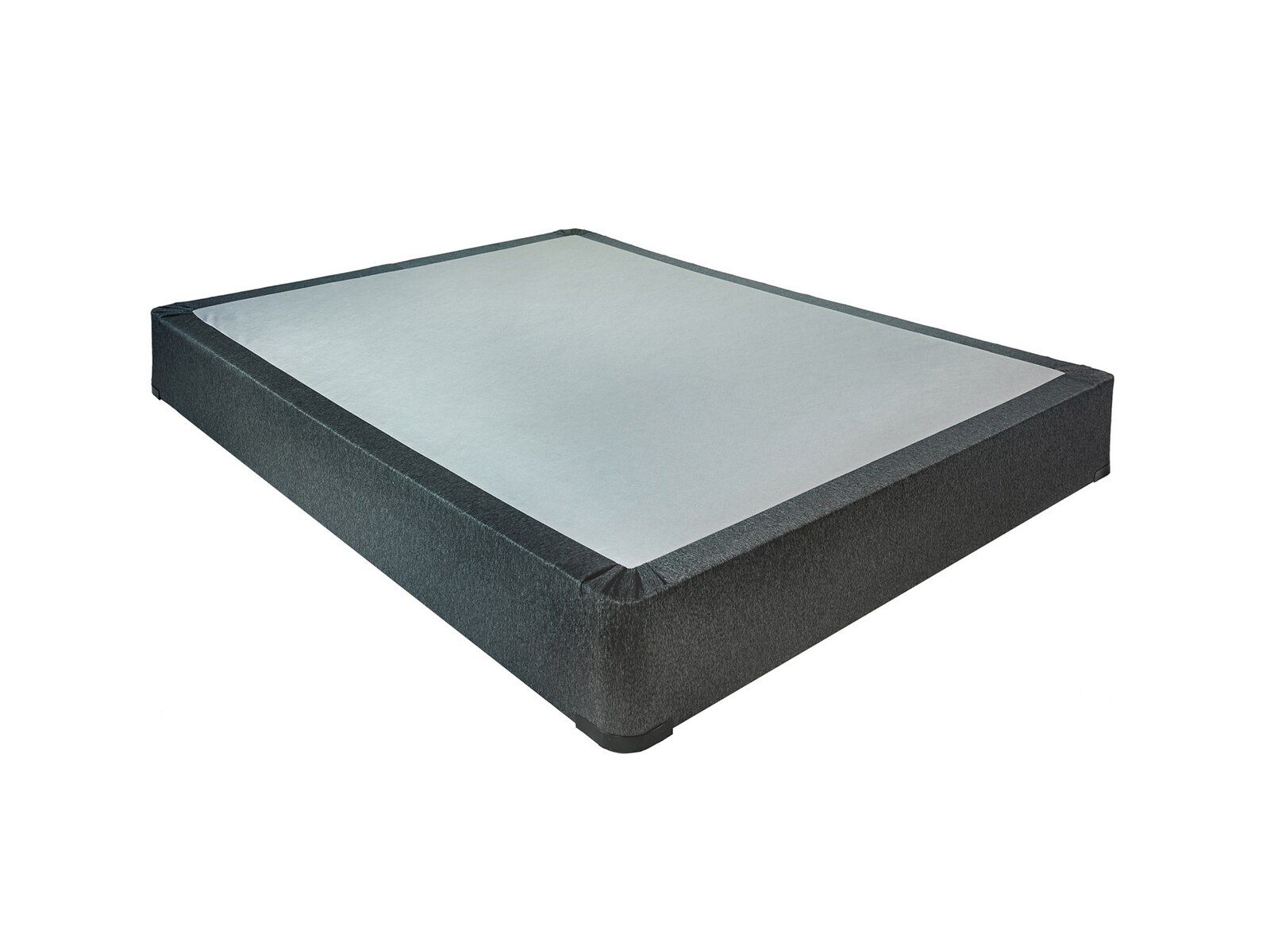
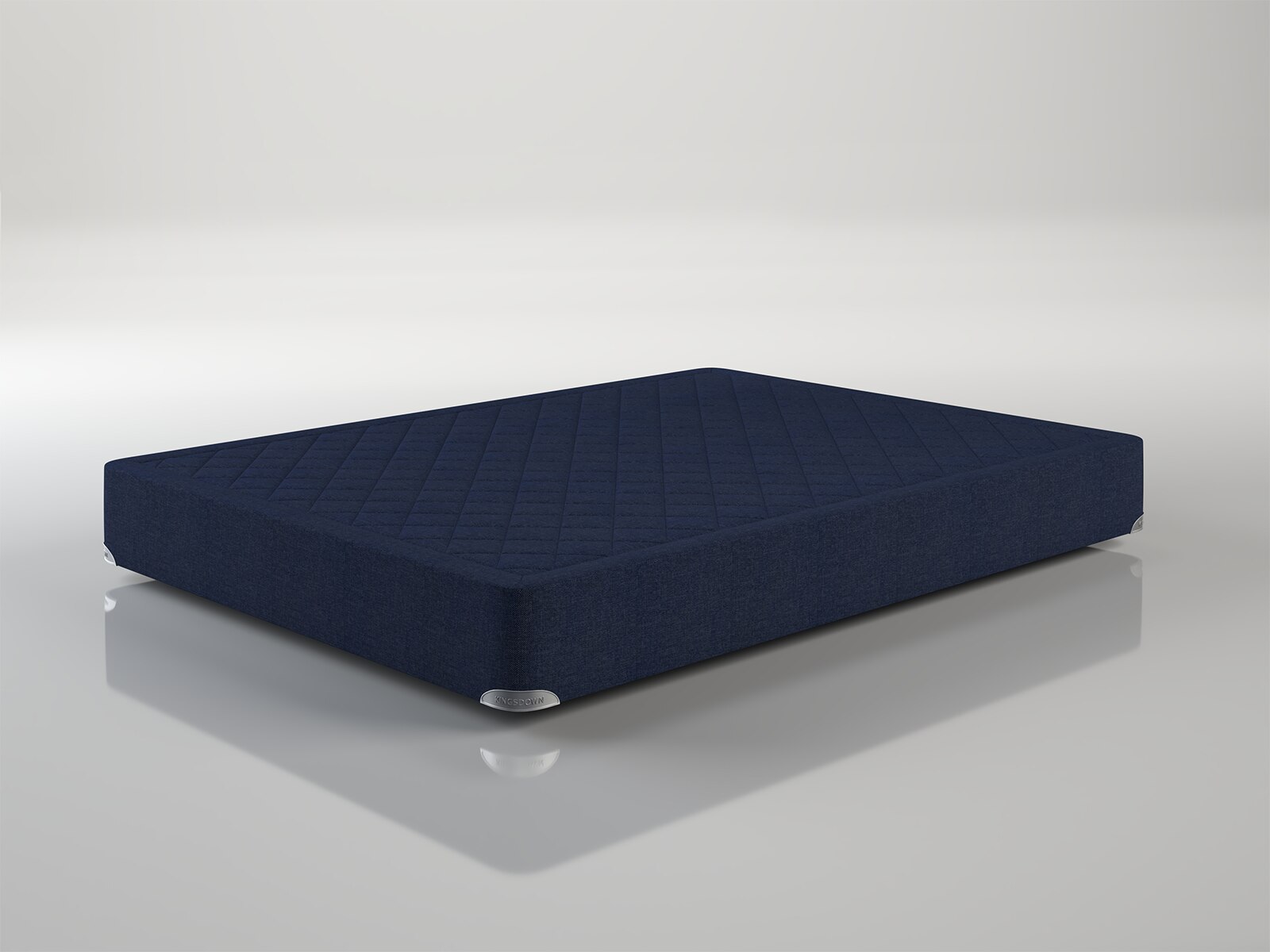
A two-inch Twin XL bed foundation is an ultra-low-profile support layer that sits between a compatible bed frame and mattress, adding approximately two inches to the bed’s overall height. Often called a bunkie board, this type of foundation supports the mattress without the taller profile of a traditional foundation. Its purpose is structural support, not extra cushioning, and it still needs a frame or base suited to its construction. A Twin XL mattress typically measures 38 inches wide by 80 inches long, giving taller sleepers more legroom than a standard twin while keeping a narrow footprint. The foundation should match that mattress size and fit securely within the frame’s interior dimensions. A standard twin foundation is generally too short, even if its width looks correct at first glance. Checking the frame’s inside length, width and support ledges helps prevent gaps, shifting or an uneven fit. The listed foundation height also deserves a closer look because upholstery, frame recesses and construction details can affect the finished bed height. For someone with a thick mattress, a slim foundation can help keep the sleeping surface at a more practical level than a taller foundation would. It can also preserve the proportions of a headboard, leaving more of its design visible above the mattress. In a compact guest room or a student bedroom, that lower profile can make a substantial mattress look less bulky without changing its comfort layers. Two Twin XL foundations may also support a split king arrangement when the frame and mattresses are designed for that setup. Matching the height and support characteristics on both sides helps create a consistent overall surface. Whether the bed is used every night or reserved for overnight guests, the right fit starts with the mattress, foundation and frame working together rather than any one layer doing all the work.
Construction matters just as much as the slim profile. Low-profile foundations may use wood slats, engineered wood panels, metal framing or a combination of materials, sometimes finished with a fabric cover. Each design transfers weight differently, so a two-inch height alone does not indicate how much support a foundation provides or how far it can span between frame supports. Wood components should be sound and securely joined, while metal connections should remain stable under normal use. A fabric covering can give the foundation a finished appearance and help protect the mattress from direct contact with structural components, but the support comes from the construction beneath it. For memory foam, latex and hybrid mattresses, review the mattress manufacturer’s requirements for the support surface, slat spacing and center support. Some mattresses need closely spaced slats or a continuous surface; others have different requirements. A thin foundation should not be assumed to correct wide gaps unless its design is intended to bridge them. Likewise, a platform bed that already provides suitable support may not need another foundation at all. Adding an unnecessary layer can change the bed height without improving the setup. Adjustable bases need separate consideration because a rigid bunkie board generally should not be placed over an articulating surface unless the manufacturers expressly approve that combination. Weight capacity is another important detail, especially when the bed supports a substantial mattress or is shared. Check how the stated capacity is defined and account for all loads the frame and foundation are expected to carry. For a loft or bunk configuration, follow the bed manufacturer’s foundation and mattress-height limits so required guardrail clearance remains intact. A low-profile foundation can be useful in a height-sensitive setup, but its dimensions do not replace those safety requirements. Once assembled, the support should sit level, remain properly seated on the frame and show no rocking or unsupported edges.
Everyday comfort depends partly on keeping that support system in good condition. Before placing the mattress, check that the foundation is oriented correctly, any required hardware is secure and the frame has the specified center legs or cross supports. A mattress that dips, slides or feels uneven may be responding to a problem underneath it, so inspecting the whole setup is more useful than assuming a new support layer will solve the issue. A two-inch Twin XL bed foundation cannot restore a worn mattress or compensate for a bent frame. During routine cleaning, remove surface dust with a vacuum attachment or a soft brush, following the care instructions for the covering. Spot-clean only as directed and avoid soaking upholstered surfaces or wood components. Allow any cleaned area to dry fully before replacing the mattress. Keeping the space beneath the bed accessible makes it easier to notice a loose leg, a shifted support or an object pressing against the underside. When moving the bed, remove the mattress first and handle the foundation according to its instructions rather than dragging the assembled setup across the floor. Do not bend a rigid foundation or assume it folds because it is thin. Condition deserves particular attention when considering
used Twin XL foundations; inspect for damaged slats, loose connections, moisture marks and signs of pests, and confirm that the dimensions and construction meet the mattress requirements. For any foundation, occasional checks for cracks, sagging or persistent movement can help identify support problems before they affect the sleeping surface. The best match is not simply the thinnest layer beneath the mattress. It is a foundation that fits the frame, supports the mattress as intended and creates a finished bed height that feels comfortable when sitting down, getting up or settling in for the night.