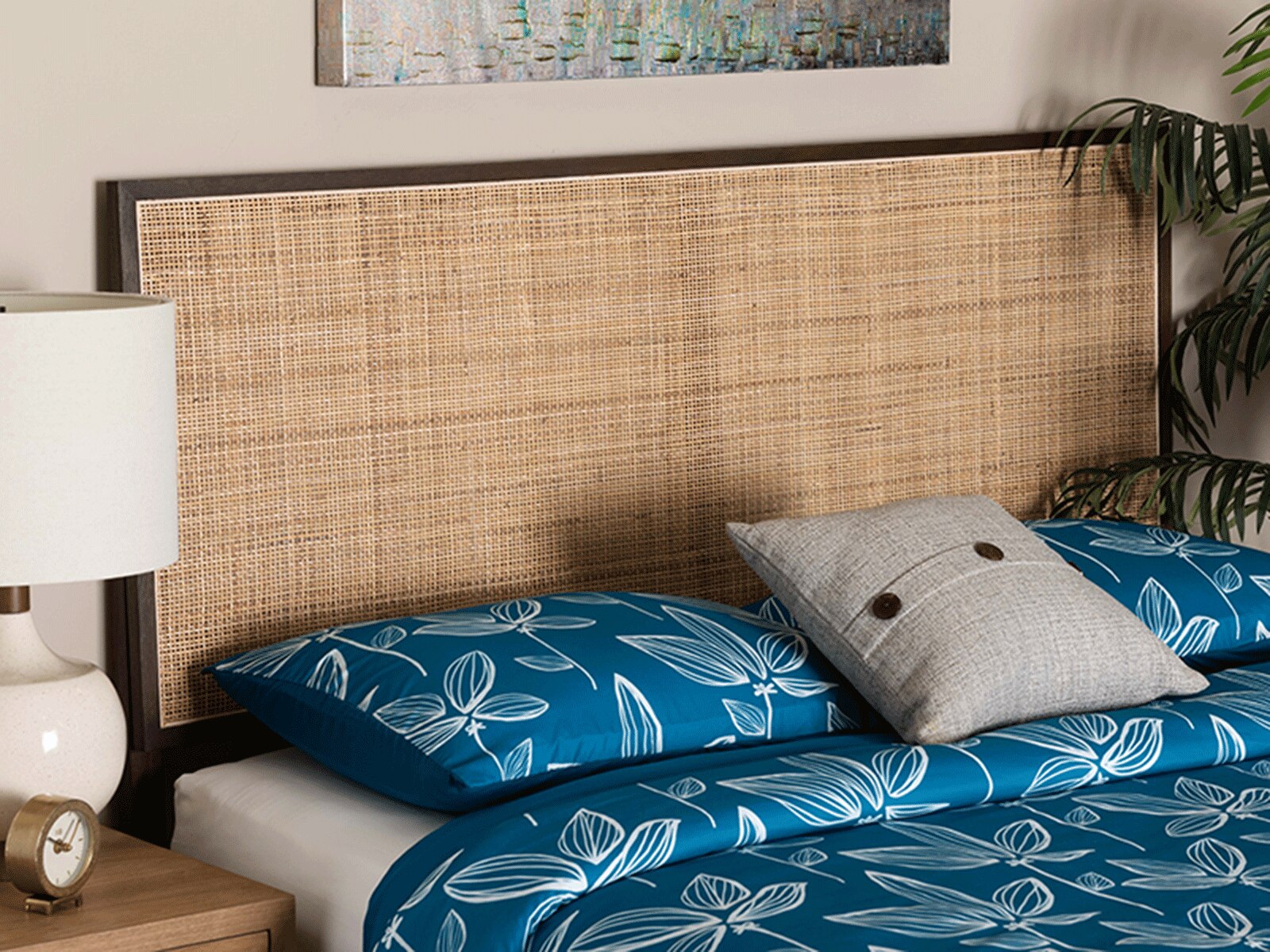
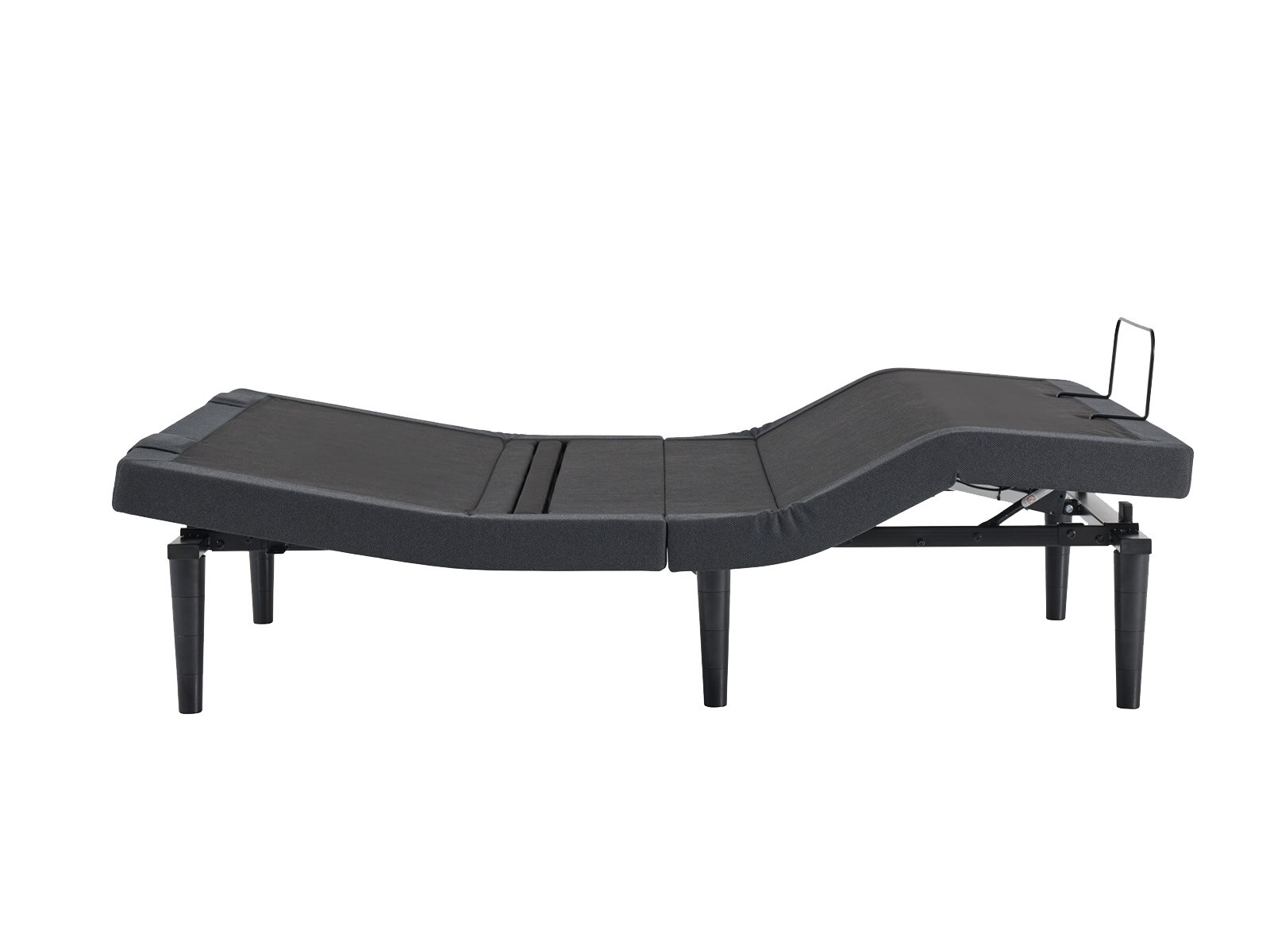
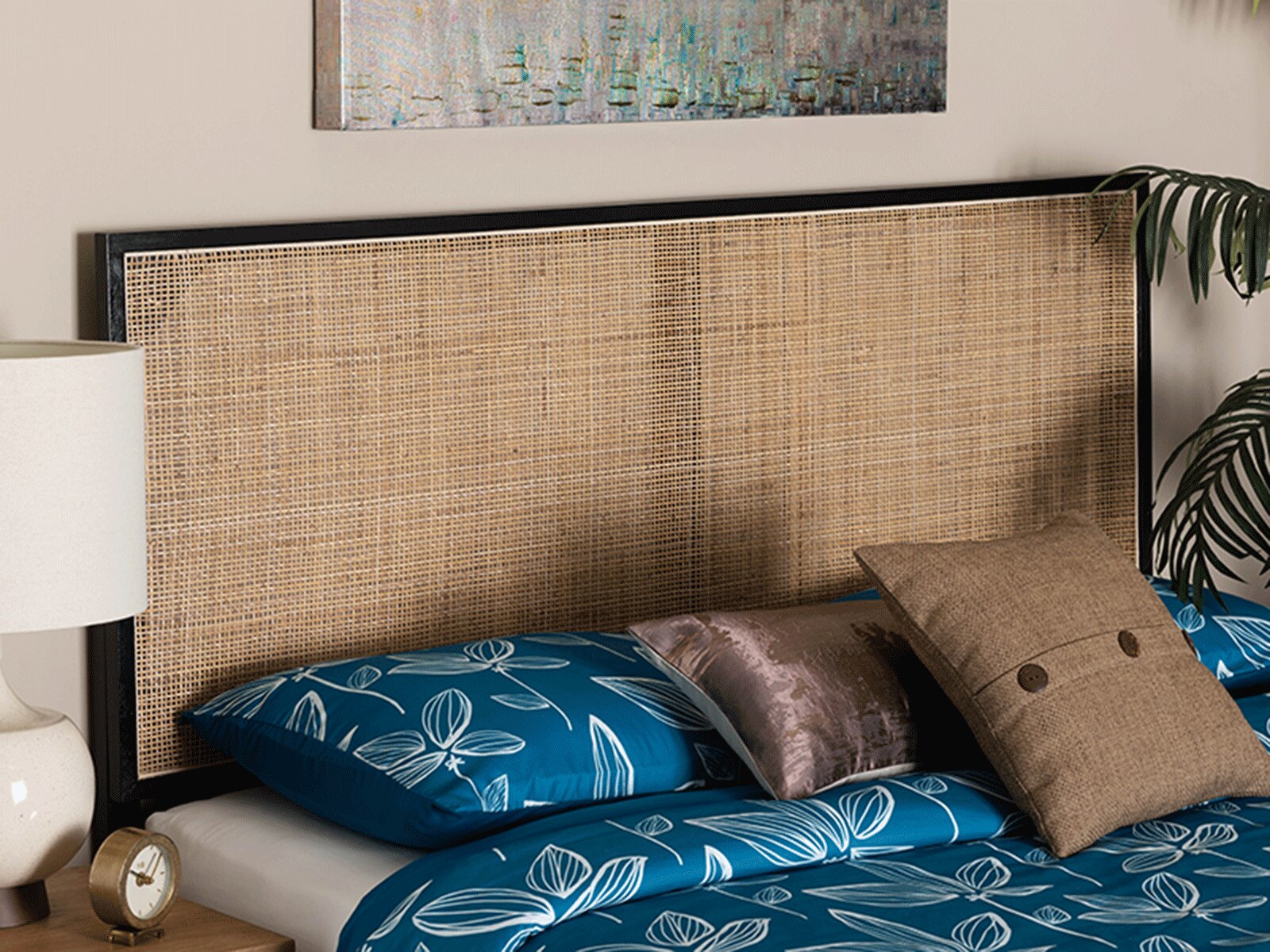
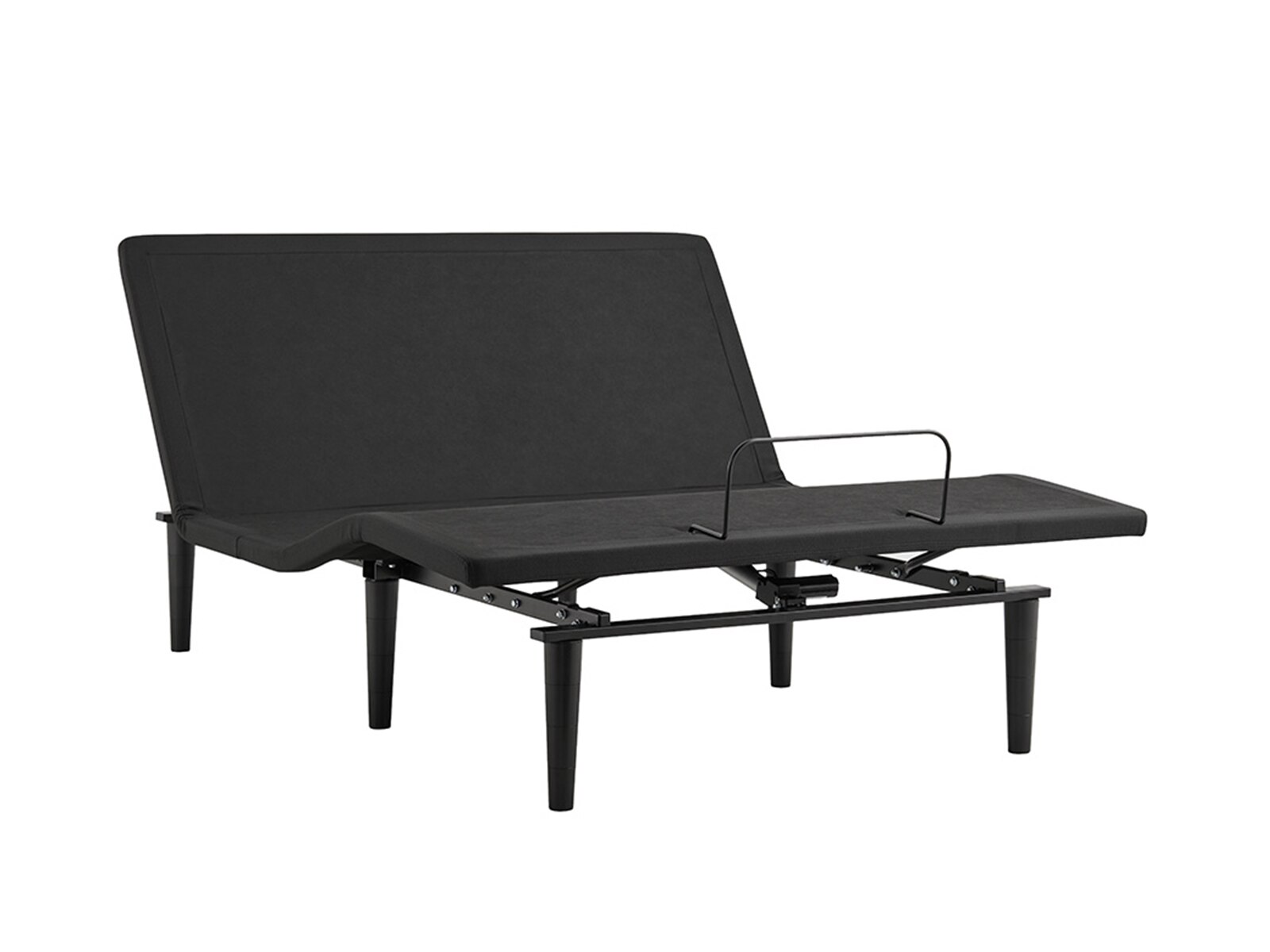
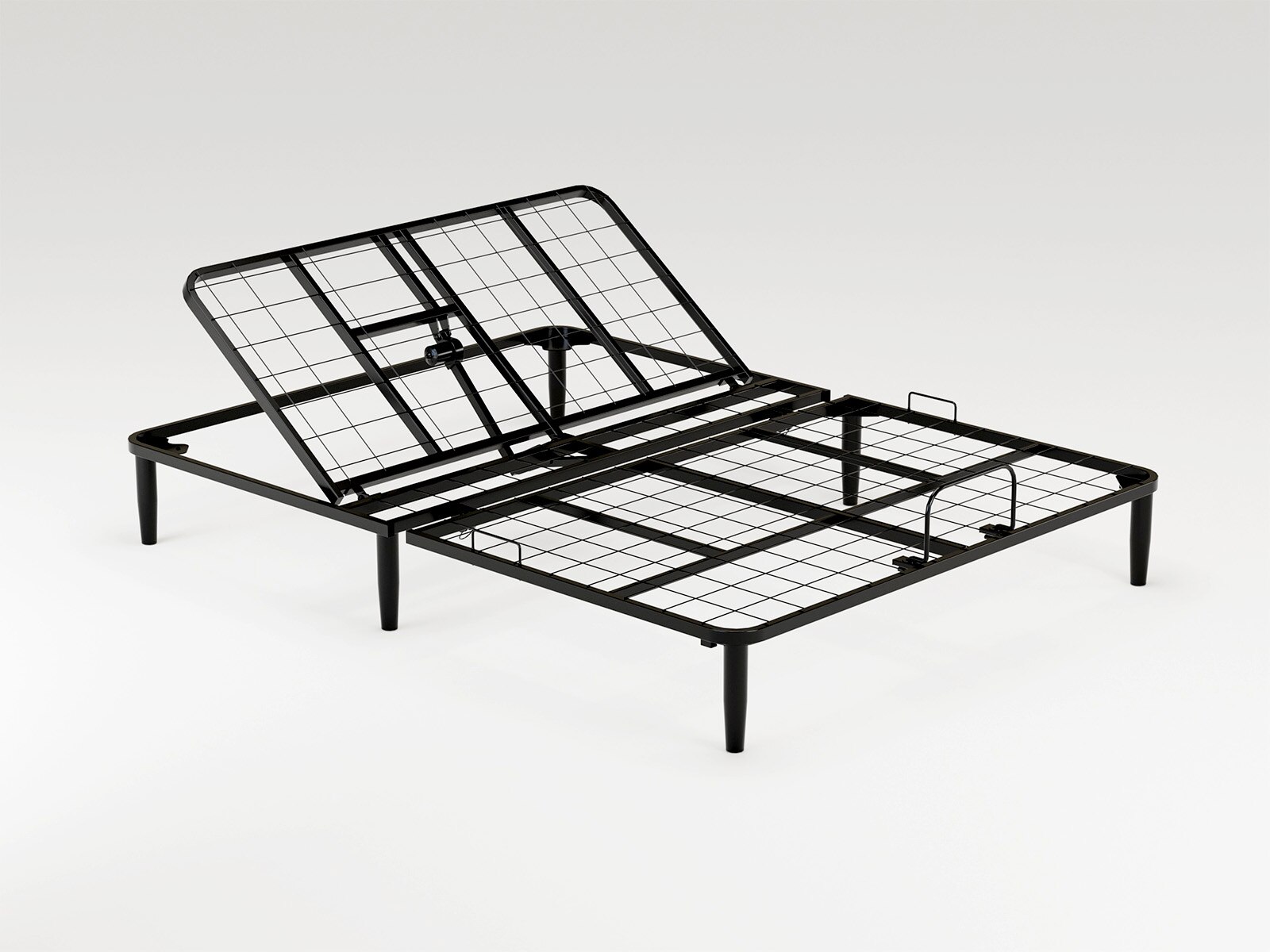
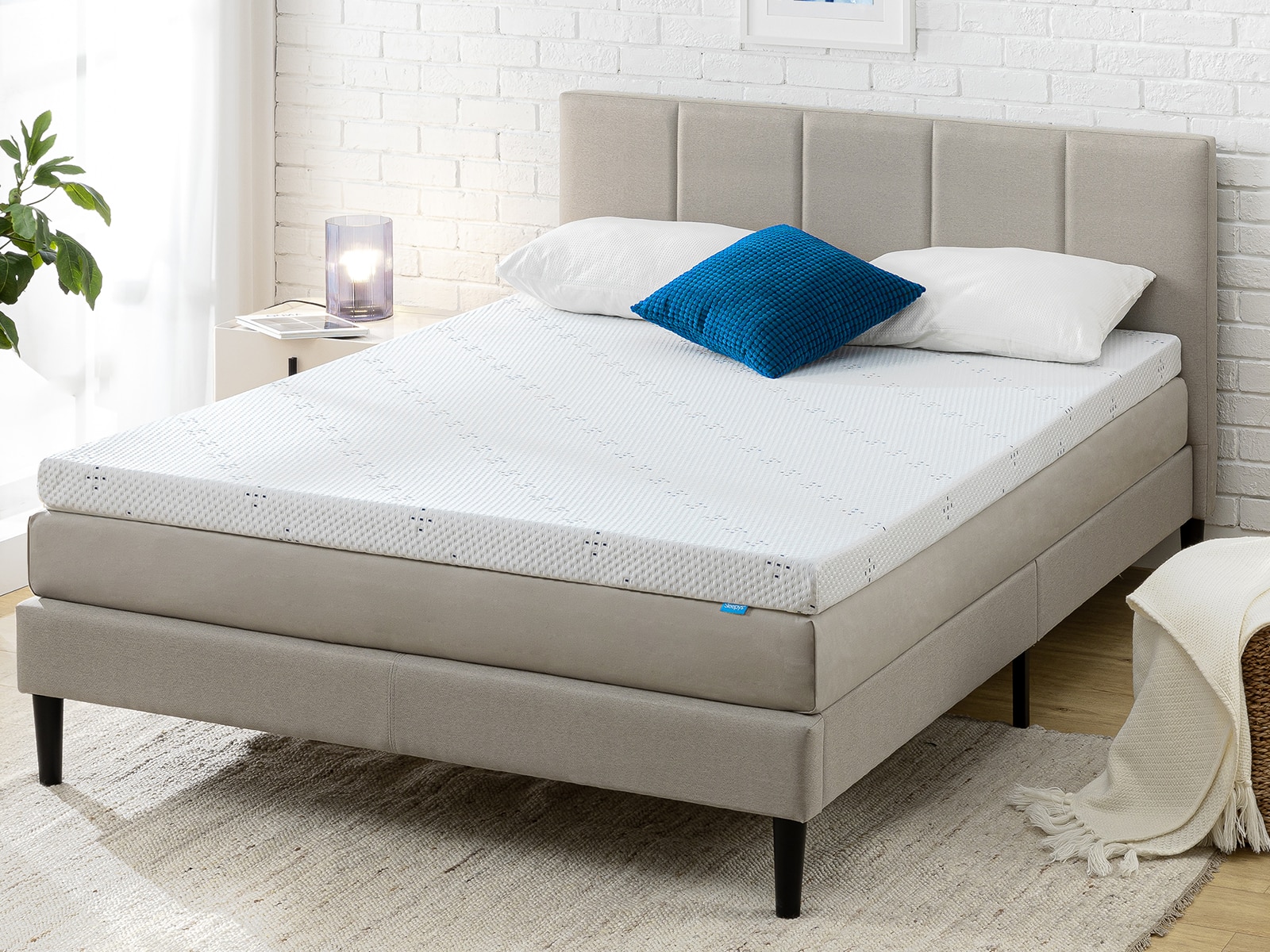
Adjustable base headboards bring a finished look to a bed while allowing the mattress platform to raise and lower independently. Many standard headboards can work with an adjustable bed base when the base accepts compatible headboard brackets and the mounting points align. A headboard does not necessarily need to be designed exclusively for an adjustable bed, but compatibility depends on more than matching the mattress size. Bracket requirements, attachment height, bolt spacing and clearance around the moving platform all matter. Headboard brackets generally connect to designated mounting points on the stationary base structure, with the headboard remaining upright as the mattress changes position. Some bases require a separate bracket kit, and a headboard’s included hardware may not be sufficient for that connection. Wall-mounted headboards provide another approach because they attach to the wall rather than the bed base. Freestanding designs sit independently behind the bed, although anchoring or other stabilization may still be required according to the manufacturer’s instructions. The relationship between a headboard and an
adjustable base for a mattress is therefore determined by the mounting system, dimensions and operating clearance, not appearance alone. A queen headboard may match the width of a queen mattress yet still have attachment points that require compatible hardware. With split configurations, the headboard arrangement also needs to accommodate the full bed width while allowing each side to operate as intended. Headboard height changes the finished proportions, too: a thicker mattress can conceal more of a low headboard, while a taller design remains visible above pillows. Overall width deserves equal attention, especially when a headboard extends beyond the mattress edges. In a bedroom with closely placed nightstands, those extra inches can affect drawer access and the space beside the bed. Manufacturer measurements and compatibility information help distinguish a visually coordinated pairing from one that also fits and functions properly.
Materials give adjustable base headboards much of their character, from the quiet texture of woven upholstery to the defined lines of wood or metal. Upholstered headboards soften the appearance of a bed and can create a comfortable surface behind pillows for reading or watching television when the design is intended for that use. Smooth fabric offers a simpler look, while tufting, channel stitching and shaped edges add dimension. Deep seams and decorative folds can collect dust, so their appearance comes with a little more attention during routine cleaning. Tightly woven fabrics may be easier to maintain in a frequently used bedroom, though performance depends on the fiber, finish and care instructions rather than texture alone. Light upholstery can make a large headboard feel less visually prominent, while darker fabric may disguise some everyday marks but show lint more clearly. Wood headboards offer visible grain, painted finishes or a combination of solid wood and engineered wood components. Their durability depends on construction, joinery, finish quality and proper support, not simply the material name. Metal designs can create an open, streamlined outline, with narrow rails allowing more of the wall to remain visible. Secure connections are especially important with these styles because loose hardware can contribute to movement or noise. Across materials, regular care is usually straightforward: gentle dusting for hard surfaces and fabric cleaning that follows the care label. Upholstery should only be vacuumed or spot-cleaned using methods approved for that fabric, and cleaning solutions should be tested in an inconspicuous area when the instructions recommend it. Excess moisture can damage some finishes, padding and wood-based components. For households with pets, visible weave, exposed edges and the ease of removing hair are practical considerations. Rounded corners, well-finished surfaces and firmly attached trim also contribute to how a headboard holds up through daily use.
The right headboard makes an adjustable bed feel like an intentional part of the room rather than a separate piece of equipment. A low-profile design can keep the bed visually understated beneath artwork, while a tall upholstered silhouette can serve as the room’s main focal point. Winged sides add an enclosed appearance but require particular attention to clearance as the mattress platform moves. A shared bedroom may call for a broad, balanced design that complements two nightstands; a smaller room may benefit from a simpler outline that leaves more wall space visible. For someone who reads in bed each evening, a padded design can provide a welcoming backdrop without replacing the support supplied by the adjustable base and pillows. In a guest bedroom, an easy-care surface and a straightforward shape can make routine upkeep more manageable. A headboard can also be a thoughtful housewarming or wedding gift when the recipient’s preferred style, bed dimensions and mounting requirements are already known. Because fit is so specific, a coordinated choice is more useful than a surprise based on appearance alone. Everyday convenience matters after installation as well. Outlets, cords, base controls and any under-bed features should remain accessible, with nothing trapped between the headboard and moving parts. Nearby walls and nightstands need enough separation to prevent rubbing or contact throughout the base’s range of motion. The headboard should not be used to stop or support the moving mattress platform, and any decorative frame surrounding the base must meet the base manufacturer’s requirements. Periodic checks for loose fasteners, shifting brackets or contact with the wall can help preserve a secure, quiet setup. Together, compatible mounting, appropriate proportions and durable materials allow a headboard to add personal style without compromising the bed’s intended movement. The result is a cohesive sleep space where the finished appearance and everyday function work comfortably together.