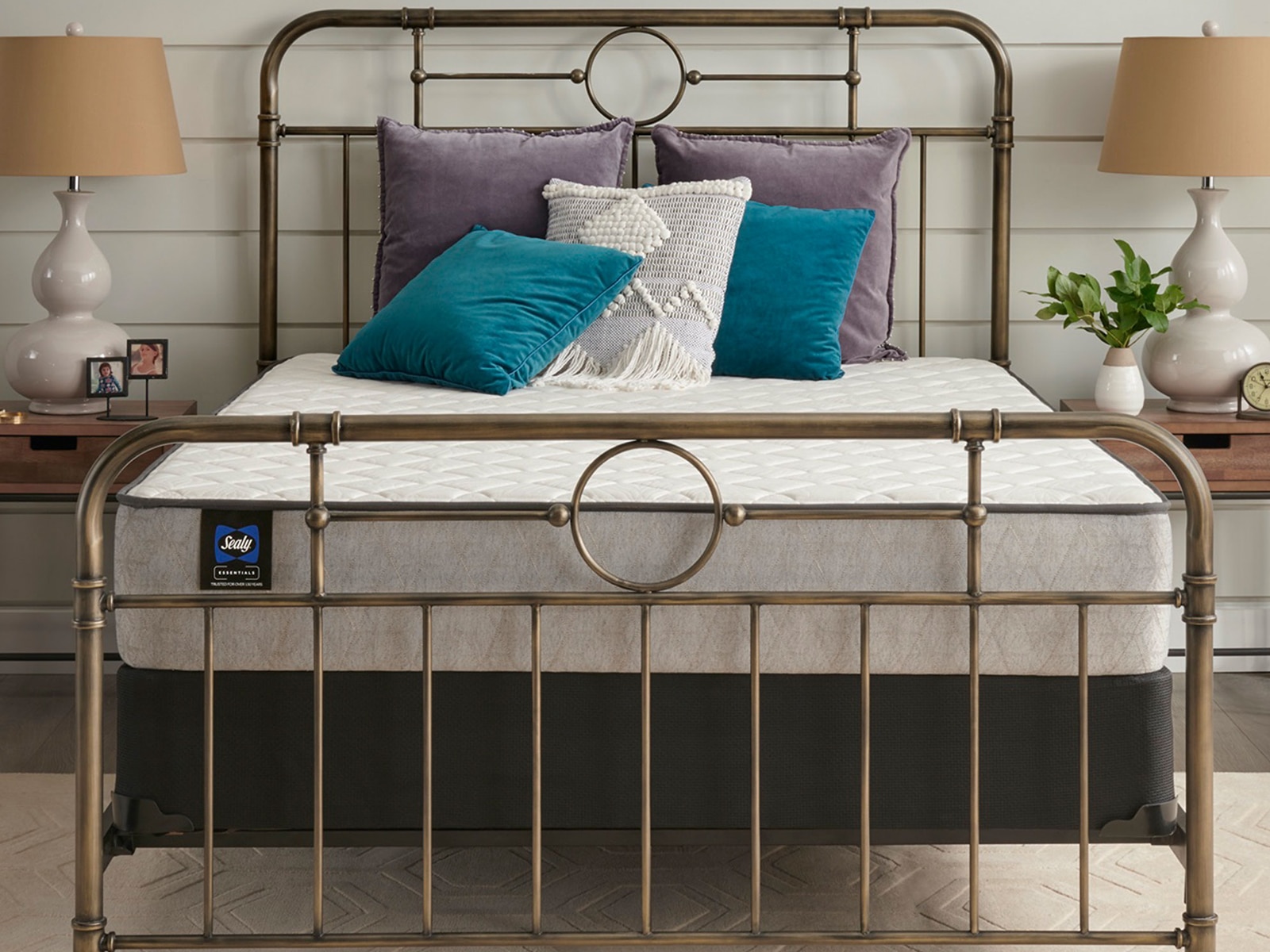
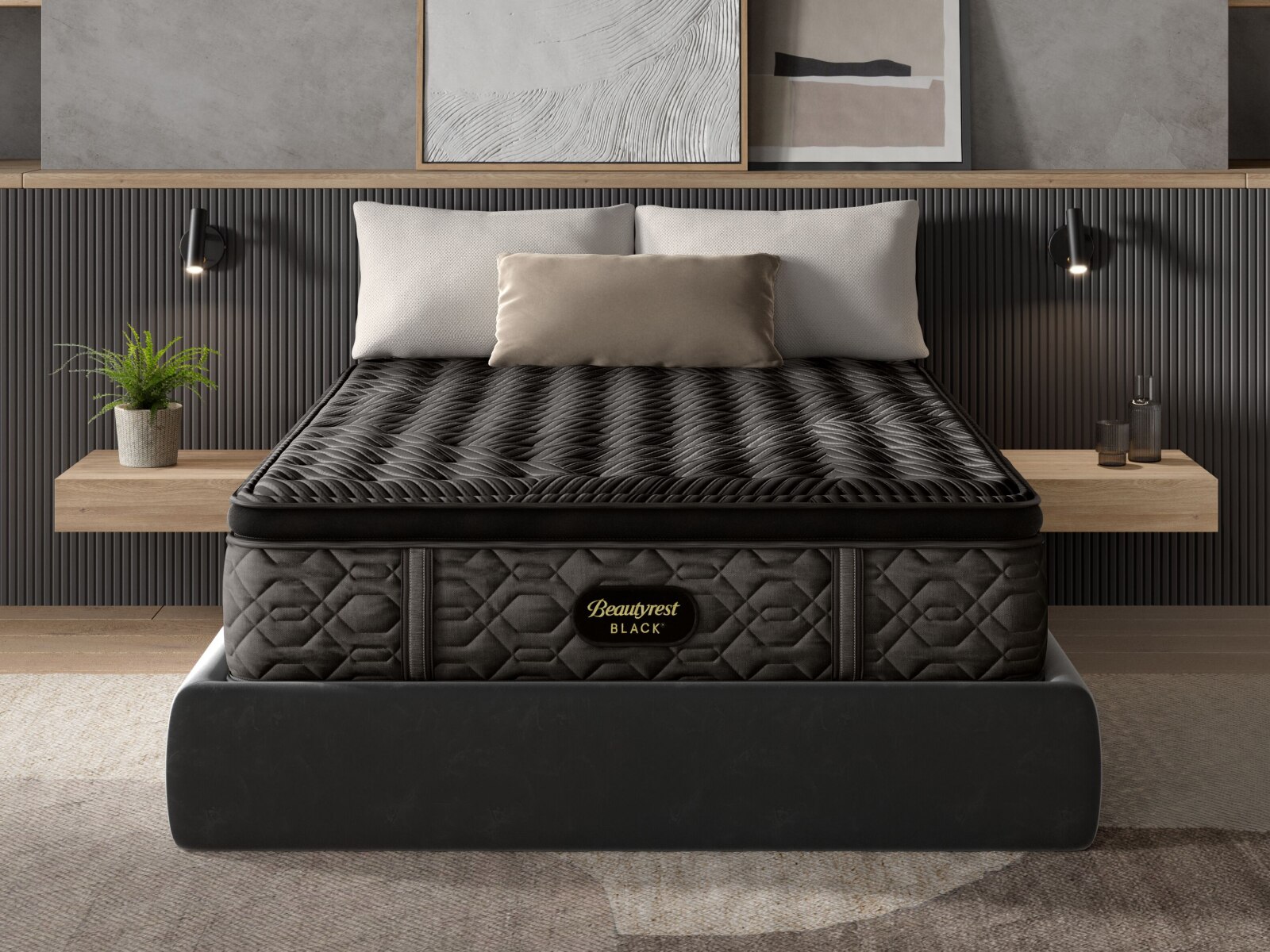
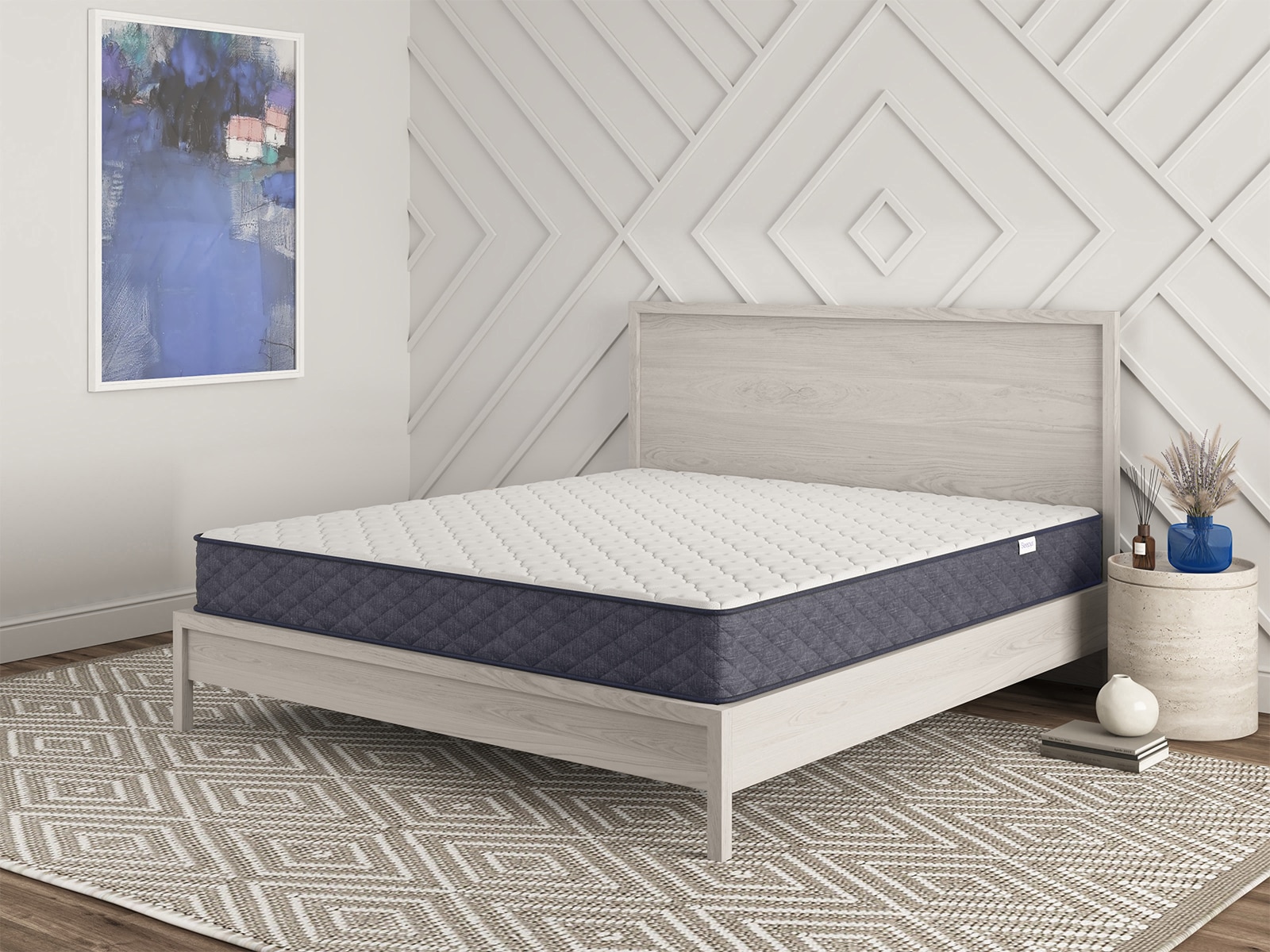
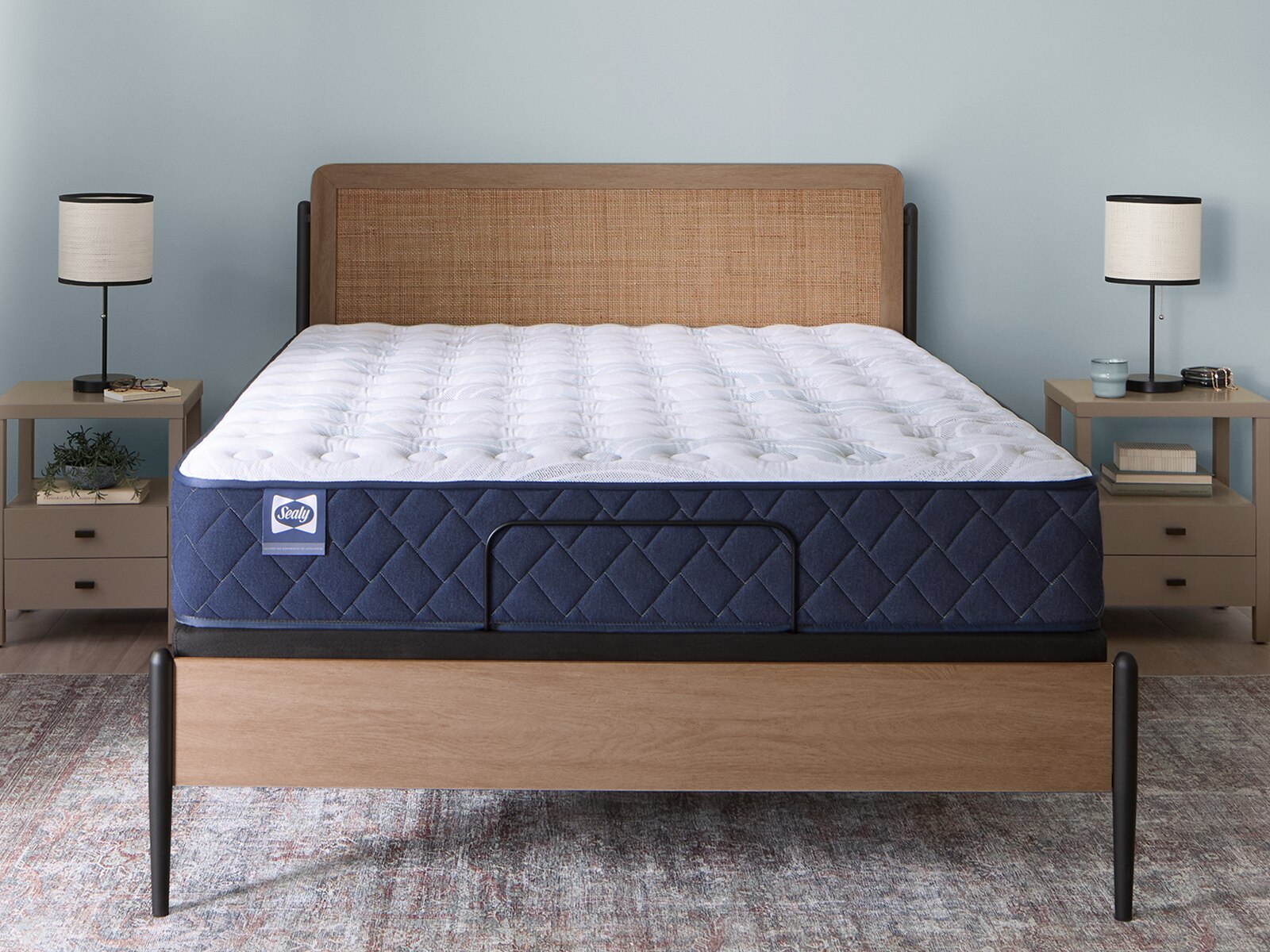
Affordable firm mattresses provide a sleep surface that resists deep sinkage, often creating more of an on-top feel than a softer mattress. Firmness describes how the surface feels when someone lies down, while support describes how well the mattress holds the body in a comfortable, balanced position. The two work together, but a harder surface is not automatically more supportive. A well-matched firm mattress can cushion the body without letting the hips settle too far into the bed. This feel often appeals to back sleepers who prefer steady support beneath the lower back and stomach sleepers who need to limit sinking around the midsection. Body weight and shape also influence the experience: The same mattress may feel quite firm to a lighter sleeper and more yielding to someone with a heavier build. Side sleepers usually need enough cushioning for the shoulders and hips, so an especially firm surface may create uncomfortable pressure even when the underlying support feels stable. For someone who changes positions throughout the night, a responsive surface can make rolling from back to side feel easier, with less of a stuck-in-place sensation. Firmness labels are useful starting points rather than universal measurements, since one mattress’s firm feel may differ from another’s. When trying a mattress, settling into the usual sleeping position for several minutes gives a more useful impression than pressing a hand against the surface or briefly sitting on the edge. Notice whether the hips feel supported, whether the shoulders can relax and whether changing position takes effort. A familiar pillow can also help reveal how the mattress works with the head and neck, although pillow height may need to change when moving to a firmer surface. Firm mattresses are not a treatment for ongoing pain; persistent discomfort deserves guidance from a qualified healthcare professional. The goal is a balanced feel that remains comfortable beyond the first few minutes of lying down.
Materials help explain why affordable firm mattresses can feel noticeably different even when they share a firmness label. Innerspring designs use a coil system for support, often paired with cushioning above it. They can have a buoyant feel, though bounce and motion transfer depend on the construction. Individually wrapped coils can respond more locally to movement, which may matter when a partner turns over or gets out of bed. Foam mattresses use layers with different functions: Firmer base foam provides structure, while upper layers shape the surface feel. Memory foam generally contours gradually around the body, while other comfort foams may respond more quickly when pressure shifts. Hybrid mattresses combine coils with foam or latex comfort layers, bringing together features of both constructions. Latex often has a springier response than memory foam, so it may appeal to sleepers who want cushioning without a slow-settling sensation. None of these materials guarantees a particular firmness on its own. Layer thickness, foam composition, coil design and the way the layers work together all influence the finished feel. A quilted top can add gentle cushioning to a firm mattress without changing the steadiness of its support system, while a smoother cover may make the surface feel more direct. Breathable covers and spaces within a coil system can encourage airflow, although protectors and bedding also affect how the bed feels. Couples may want to consider motion isolation alongside firmness, especially if their sleep schedules differ. Edge construction matters for someone who sleeps near the perimeter or sits on the side while getting dressed; some mattresses have reinforcement intended to reduce compression in those areas. Durability depends on the quality of the materials, suitable underlying support and everyday use, not simply on mattress height or how hard the surface feels at first. A taller mattress is not necessarily firmer or longer lasting, and an extremely rigid feel is not proof of better construction.
Size, room layout and routine care are equally important when choosing a firm mattress for everyday use. A mattress should provide enough room to stretch out without making it difficult to walk around the bed, open a dresser drawer or change the sheets. For a smaller primary bedroom or a guest room,
Affordable Firm Full-Size Mattresses can offer a practical balance of sleeping space and a manageable footprint. A standard full mattress measures approximately 54 by 75 inches, giving one sleeper more width than a twin, though it may feel restrictive for two adults sharing the bed regularly. A queen typically measures 60 by 80 inches, adding both width and length. Actual dimensions can vary slightly, and the frame may extend beyond the mattress, so measuring the entire setup helps prevent an awkward fit. Taller sleepers should pay particular attention to length rather than choosing by width alone. Mattress depth also affects fitted-sheet compatibility and the finished height of the bed. A thick mattress on a tall foundation can make getting in and out less comfortable, while a lower setup may be difficult for someone who prefers a higher sitting surface. Underneath, a compatible platform, foundation or frame helps the mattress perform as intended. Slat spacing, center support and adjustable-base compatibility should follow the mattress manufacturer’s requirements. For daily care, a washable protector helps keep perspiration and spills away from the mattress surface. Clean small marks only as directed, avoid soaking the materials and let any damp area dry fully before replacing bedding. Rotate the mattress if the care instructions recommend it, but do not assume it should be flipped; many designs have comfort layers on only one side. Keeping the base secure and checking it periodically for loose parts can also help prevent uneven support. With the right fit and consistent care, a firm mattress can provide a dependable place to settle in at the end of the day.