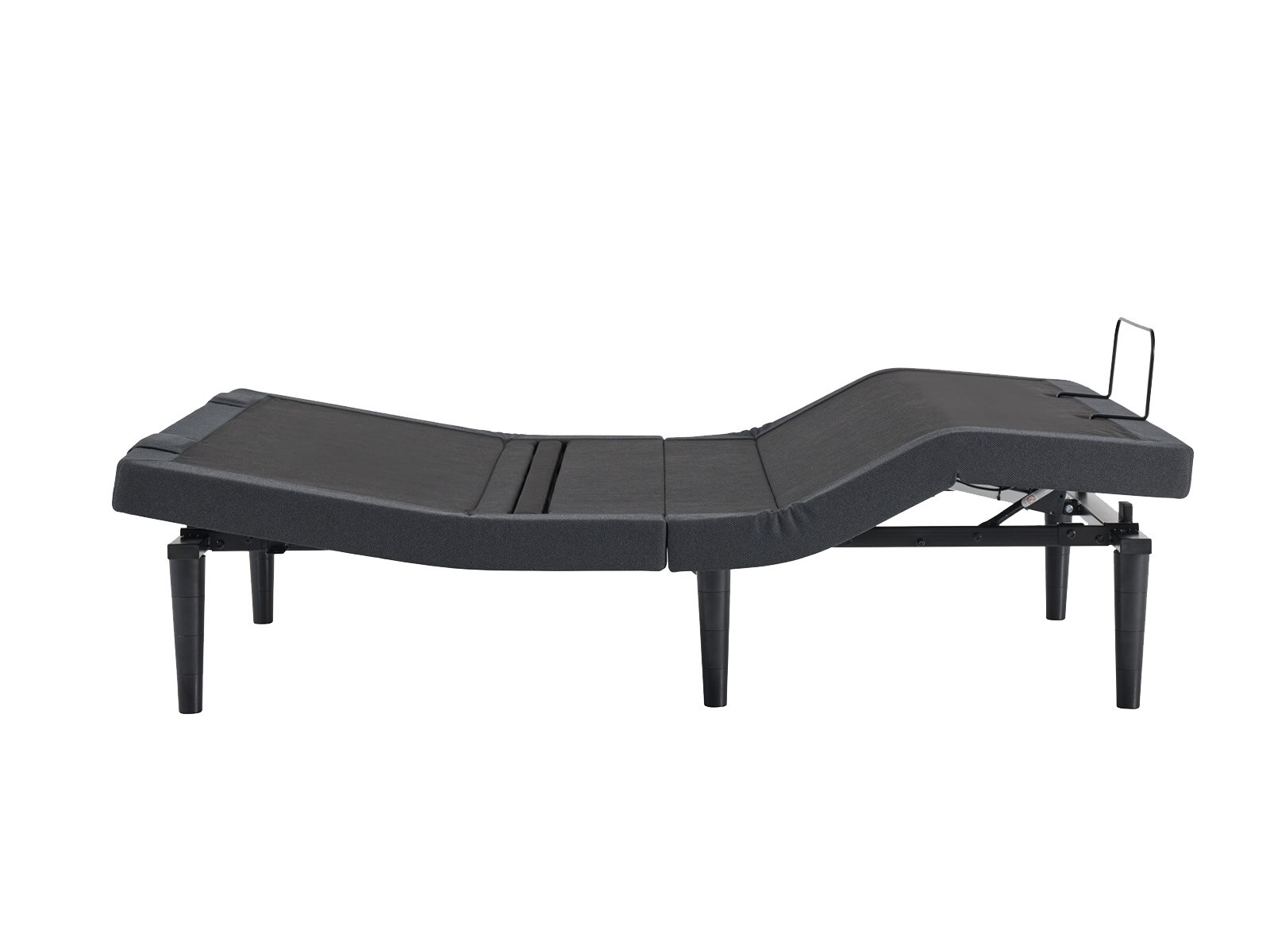
Automatic snoring responses are features in compatible sleep products that detect likely snoring and trigger an action without requiring someone to wake up and adjust the bed. Depending on the design, that action may be a small increase in upper-body elevation, a change in pillow support or another gentle adjustment intended to encourage a different sleeping position. The goal is to make a useful change while keeping disruption to a minimum, especially when a sleeping partner would otherwise need to reach for a remote or ask someone to turn over. Snoring happens when airflow causes tissues in the upper airway to vibrate during sleep, and its intensity can vary with sleeping position and individual anatomy. A position change may help some people whose snoring is worse when lying flat on their backs, but results differ from person to person. These features cannot determine the cause of snoring or guarantee quieter sleep. The distinction between detection and response matters:
Automatic Snoring Detection refers to recognizing patterns associated with snoring, while an automatic response adds a physical action after the system identifies those patterns. A feature that records sounds or displays a nightly summary does not necessarily adjust anything. In response-enabled designs, microphones or other sensors may supply information to software that decides whether and when to act. The sensing method, response timing and movement limits depend on the design, so the feature description should explain what actually happens after detection. For a couple sharing a bed, the difference between a quiet, gradual lift and a noticeable movement can be important. A useful response is not simply the largest adjustment; it is an adjustment that feels comfortable, works with the sleep surface and suits the person using it. Snoring-response technology is best understood as a comfort feature with potential benefits for certain sleepers, rather than a medical treatment or a promise of uninterrupted rest.
Fit involves more than choosing the same size label on a mattress and an adjustable base. A mattress must be approved for the base’s movement, flexible enough to follow its contours and properly supported throughout the adjustment. Some foam, latex and hybrid constructions can work with adjustable foundations, but compatibility depends on the complete mattress design and the manufacturer’s requirements. A mattress that resists bending may not follow a gentle lift as intended, while an unsuitable foundation can affect support or warranty coverage. Bed-frame dimensions, headboard connections, under-bed clearance and the space needed for movement also deserve attention. Weight limits should account for the mattress and sleepers, following the manufacturer’s definition of total supported weight. Shared-bed arrangements introduce another consideration: a single moving surface may change both sleepers’ positions, while a compatible split setup can allow each side to move independently. Independent movement does not automatically mean each side has separate snoring detection, so those functions need to be distinguished. Pillow height matters, too. Elevating the upper body while using a very tall pillow may leave the neck bent forward rather than comfortably supported. The intended result is a supported resting position, not simply a higher head position. Materials and construction influence how the setup feels over time. Sturdy frames, secure connections and well-supported moving sections contribute to stability, while upholstery and covers affect everyday cleaning. For designs that adjust support within a pillow, cover fabric, fill and internal components all influence comfort; a washable outer cover does not mean the entire pillow can be washed. Bedding should have enough give to follow movement without pulling tightly across the mattress or slipping away at the corners. Someone who prefers a smooth, tightly tucked bed may need to allow a little more fabric at moving sections. These details help automatic adjustments feel like part of the bed’s normal operation instead of an interruption that requires rearranging pillows and sheets.
Everyday usability can be just as important as the response mechanism. A person who wakes easily may value gradual movement and quiet operation, while someone who shares a room may need clear information about how the system distinguishes snoring from conversation, a television or another sleeper. Sensitivity controls, response limits and scheduling options can be useful where provided, but they should not be assumed to be standard. An easy way to pause automatic movement or return to a familiar position helps when reading in bed, settling a restless sleeper or making an adjustment that the system would not choose on its own. App-connected features also bring practical questions about wireless requirements, account access and whether basic controls remain usable without an internet connection. If sound information is collected, the privacy policy should explain whether recordings are stored, how information is used and what deletion controls are offered. Care generally centers on keeping moving parts unobstructed, routing cords away from pinch points and cleaning surfaces according to the manufacturer’s directions. Electronics, motors and internal sensing components should not be soaked or cleaned as though they were ordinary bedding. Durability also depends on respecting load limits and addressing unusual noises or uneven movement rather than continuing to operate a struggling mechanism. These products may interest adults with occasional, position-related snoring or couples seeking fewer nighttime interruptions, but a shared comfort decision is usually more useful than a surprise gift involving someone’s snoring. Most importantly, loud, persistent snoring, witnessed pauses in breathing, choking or gasping during sleep and significant daytime sleepiness warrant evaluation by a healthcare professional. Snoring can be a sign of obstructive sleep apnea, which requires appropriate assessment and treatment. A quieter room does not confirm that breathing is normal, and consumer snoring-response features should not replace prescribed therapy, including a CPAP machine. Their role is to support comfort within a suitable sleep setup, with realistic expectations about what automated movement can and cannot accomplish.