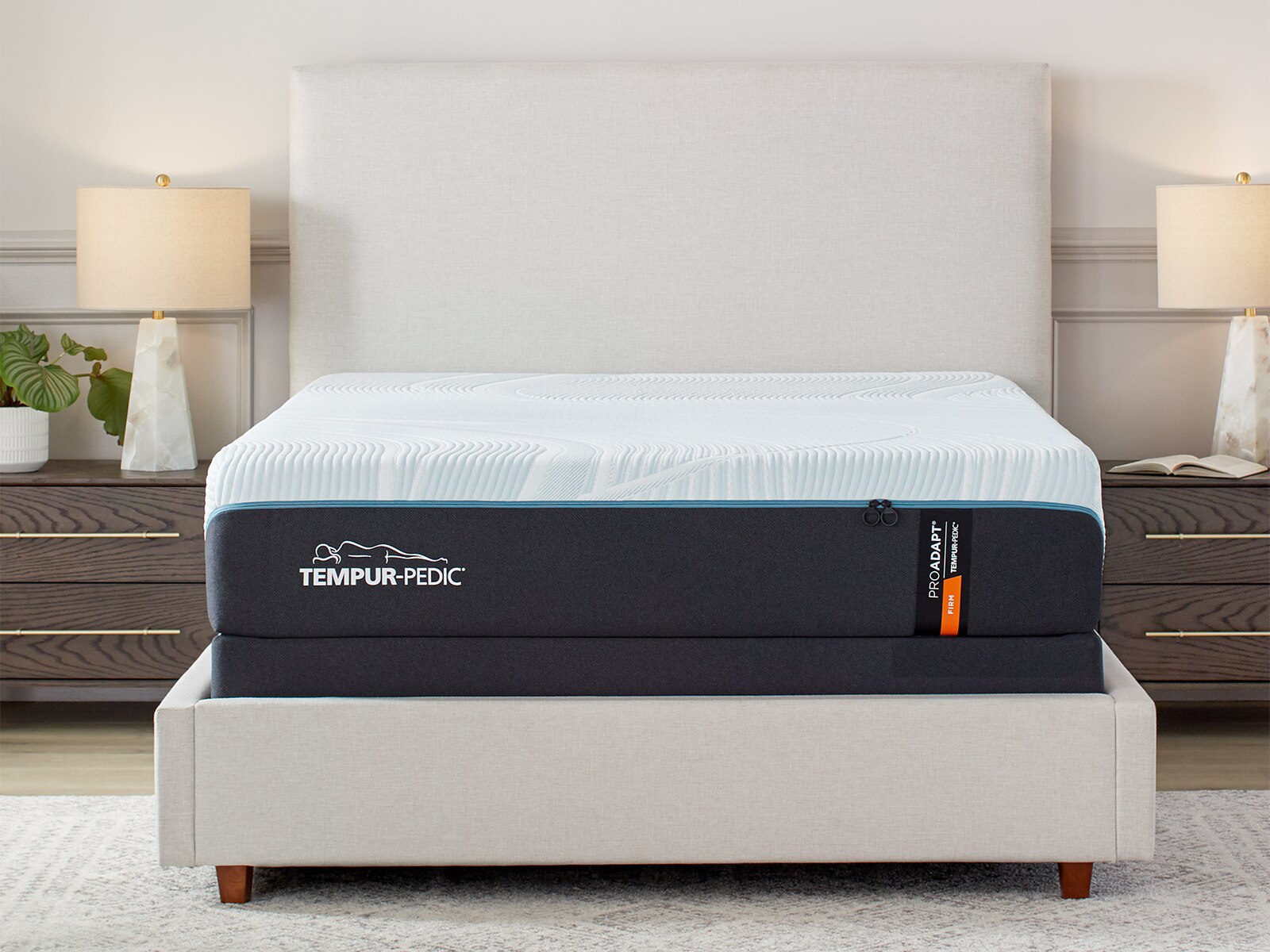
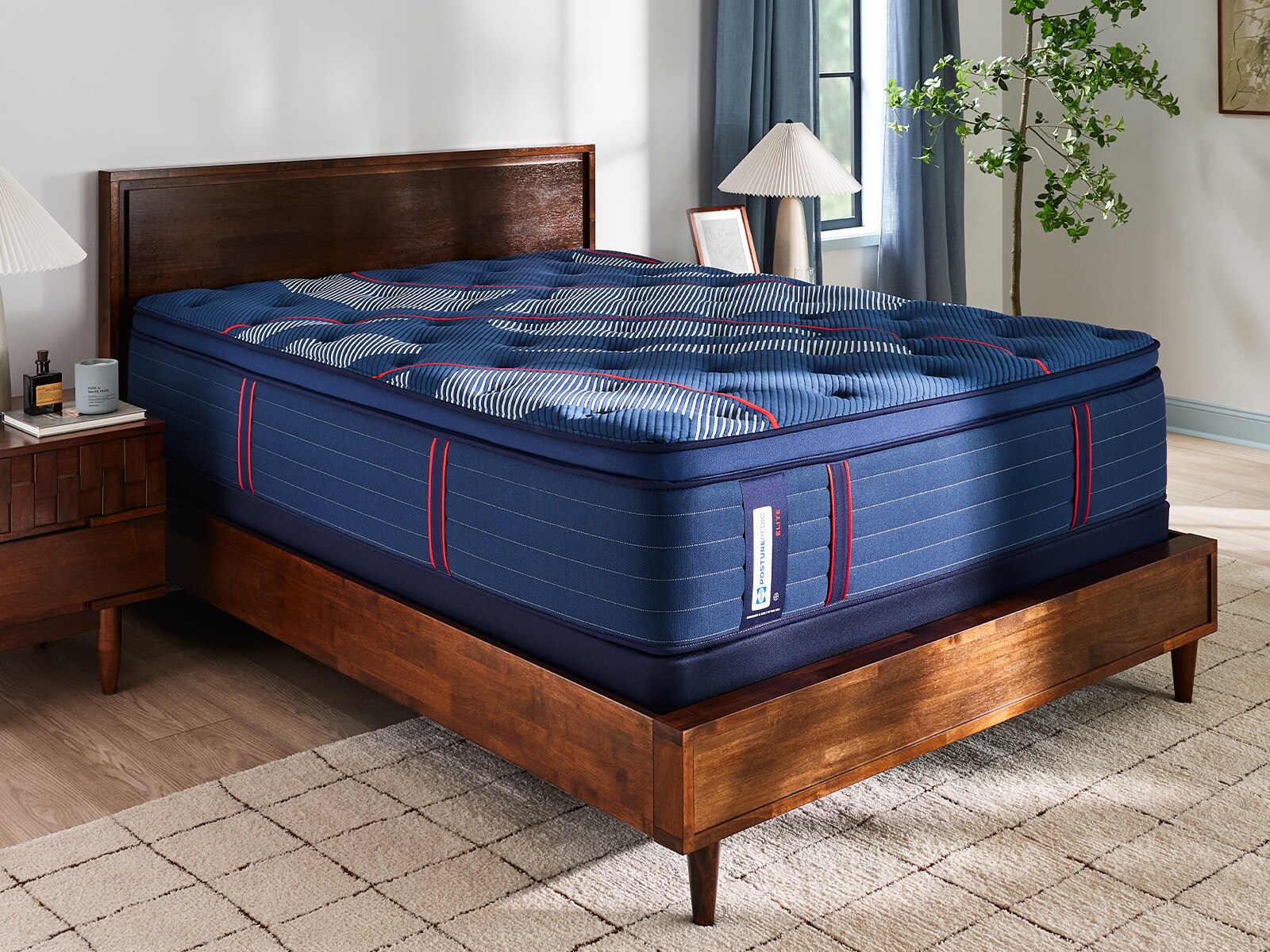
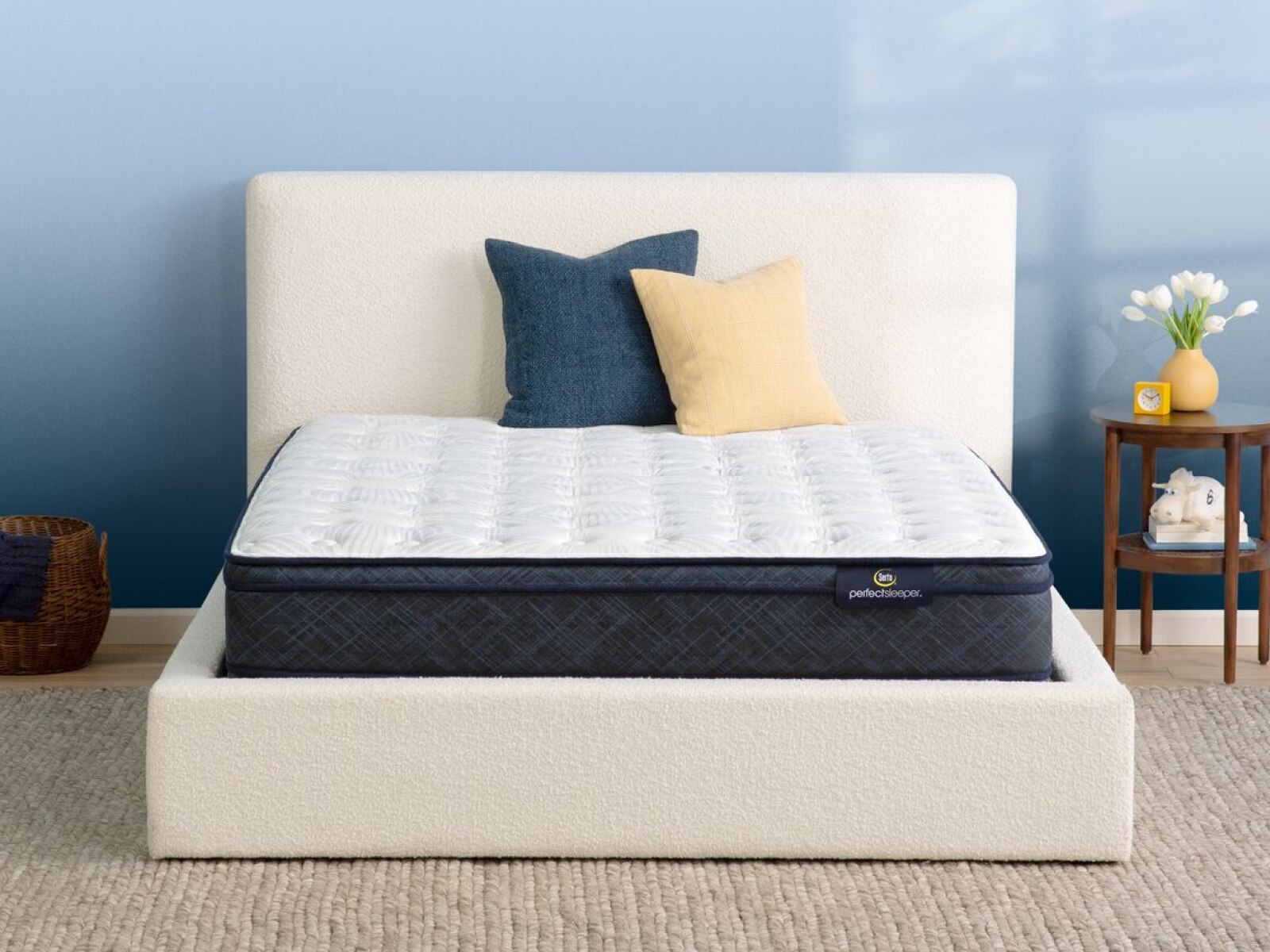
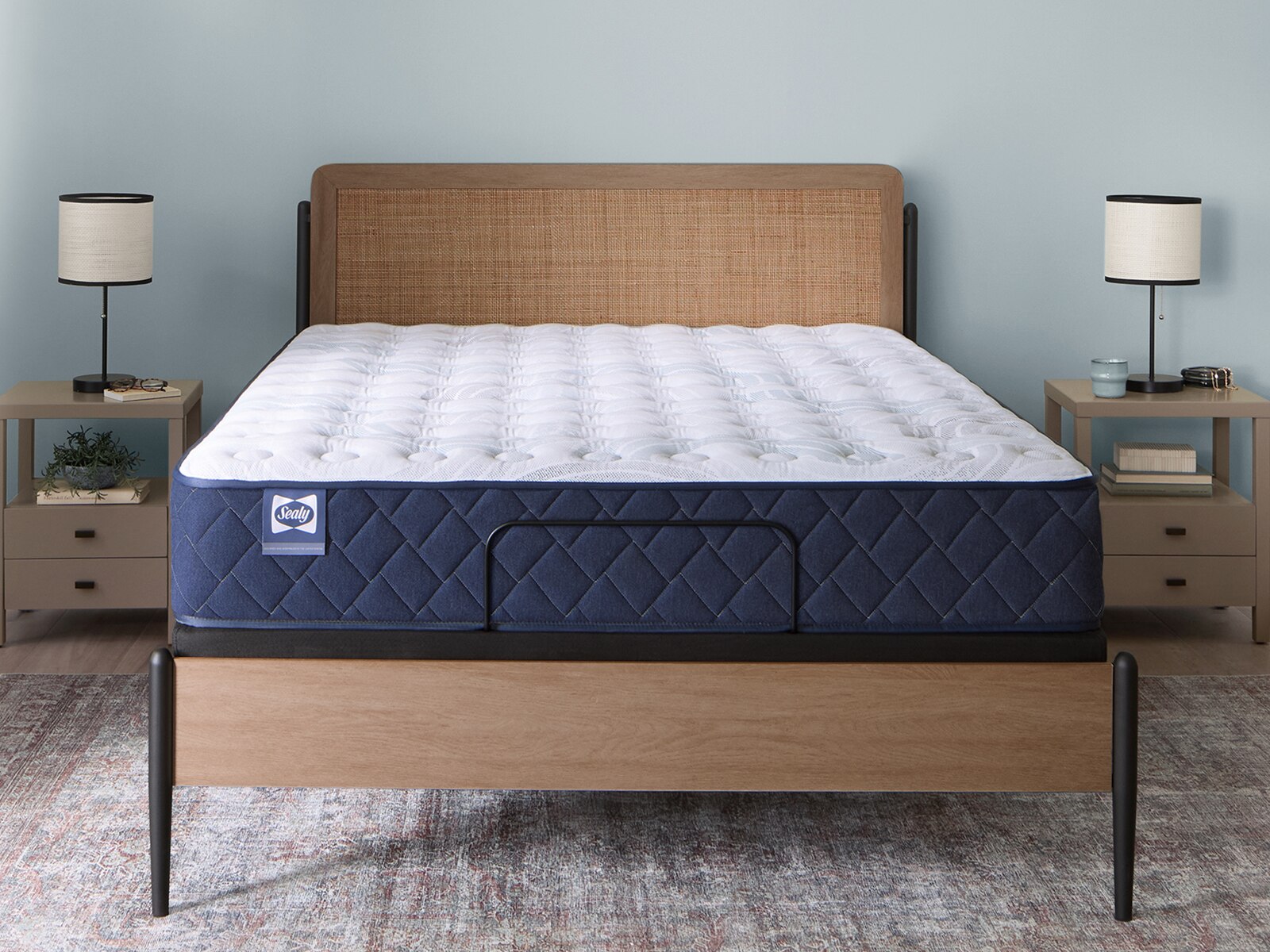
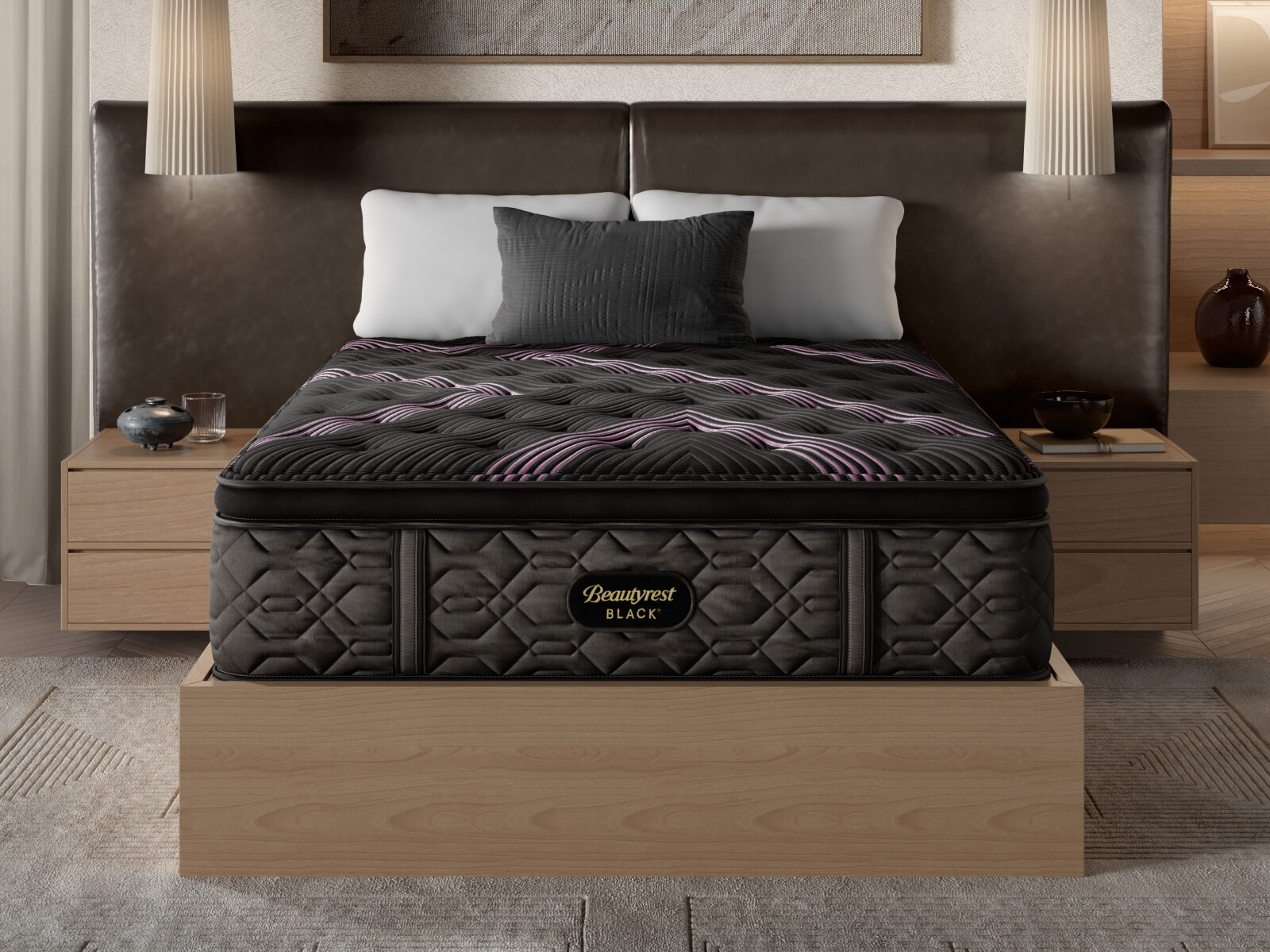
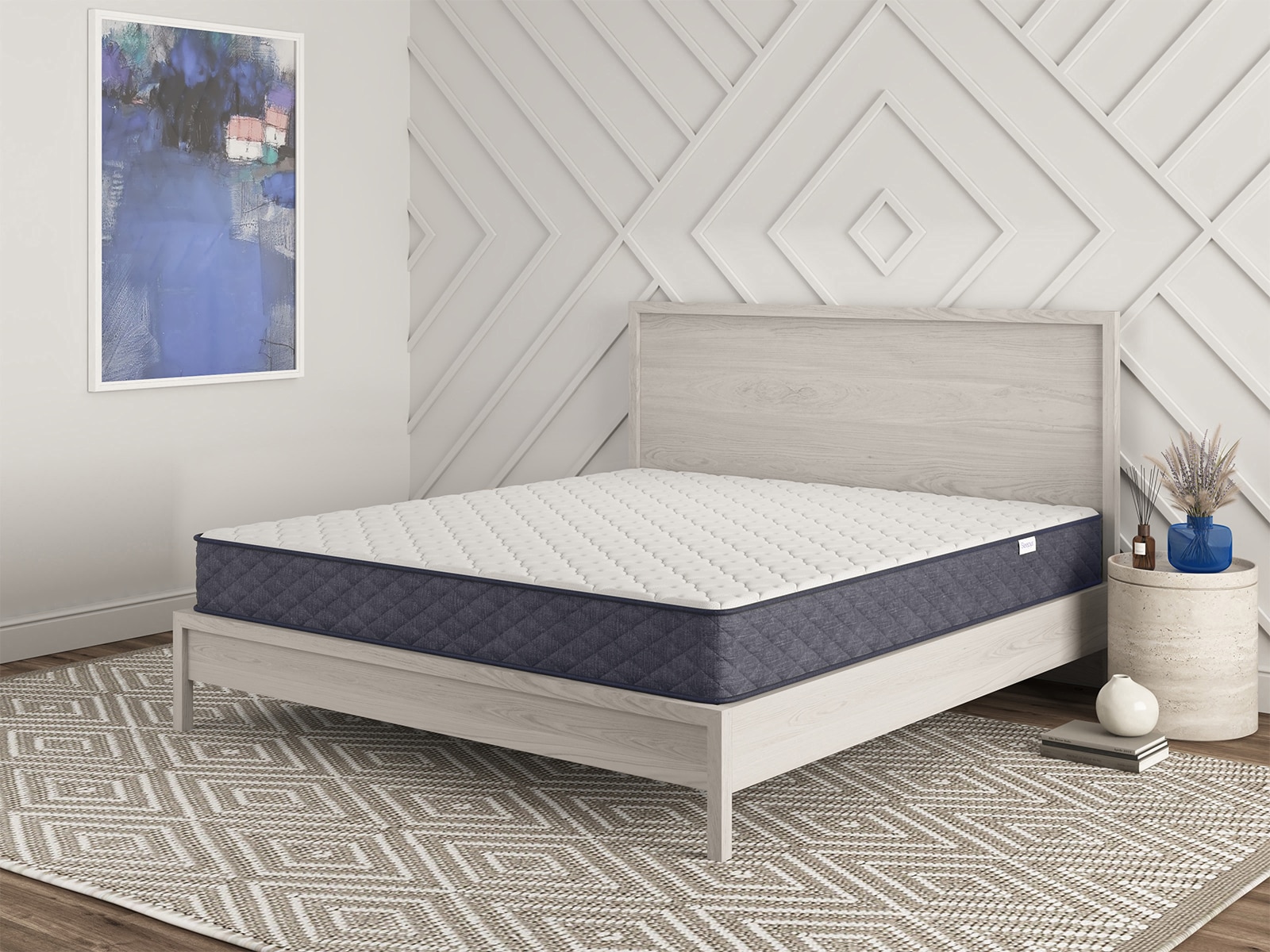
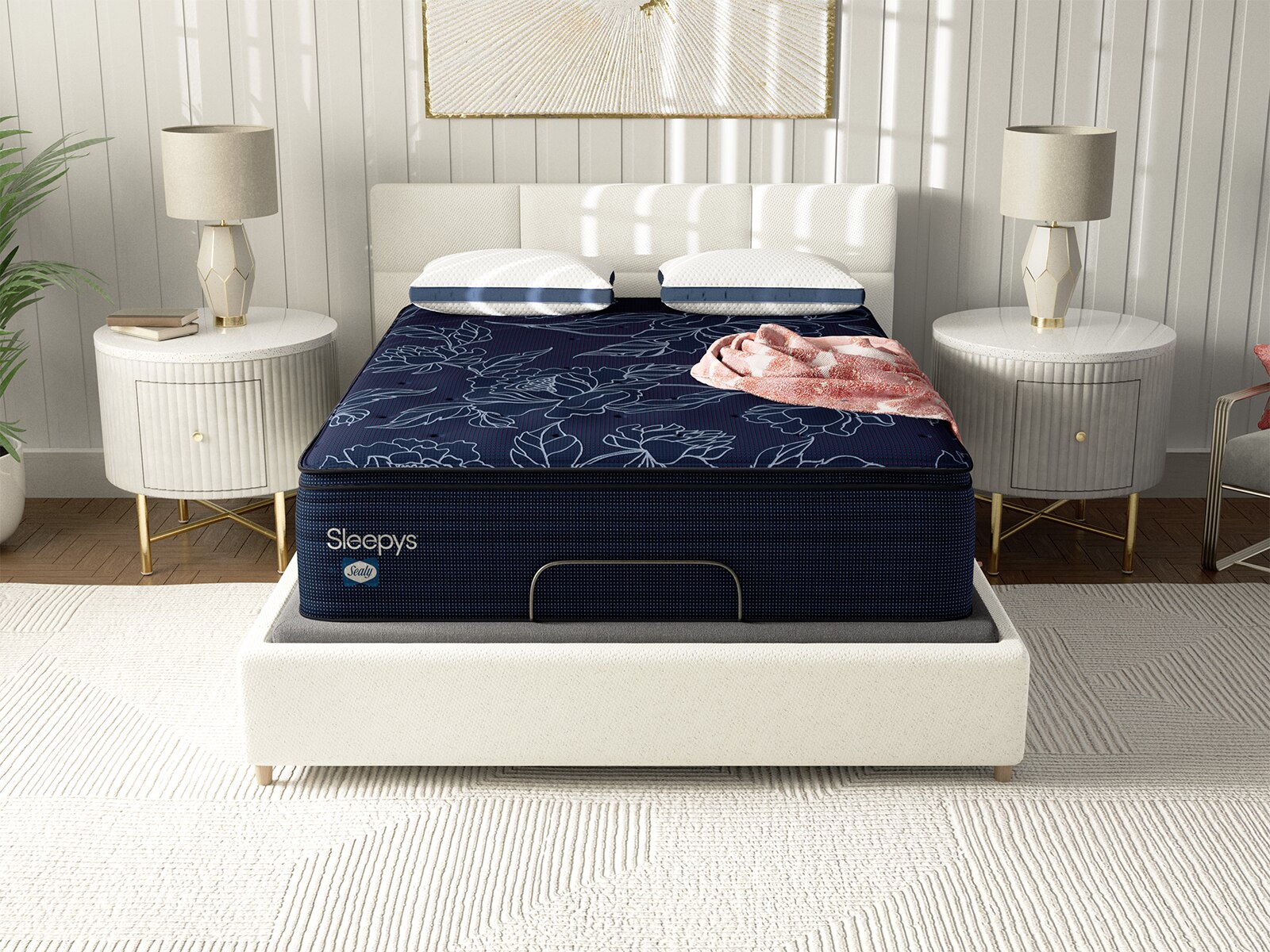
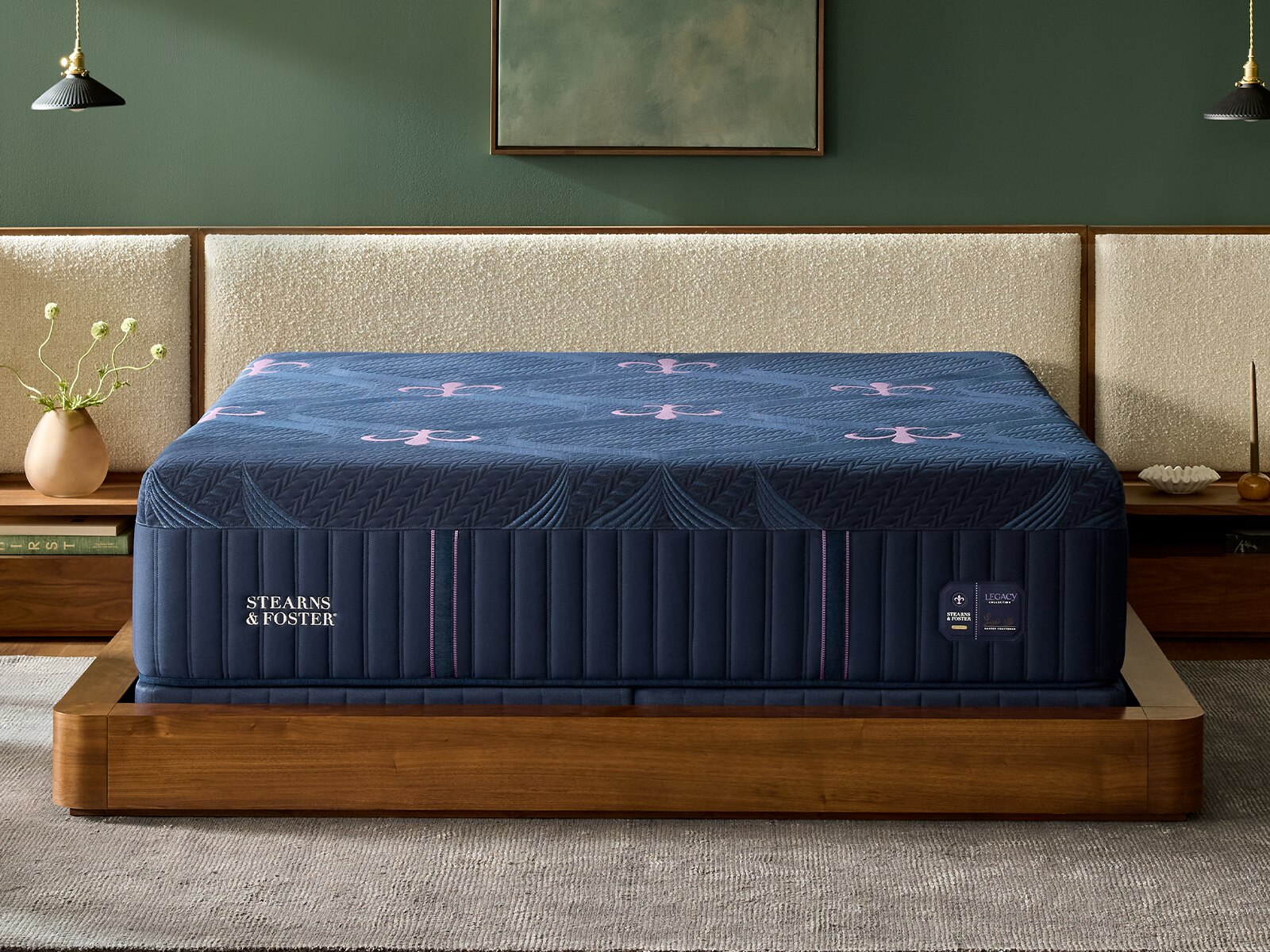
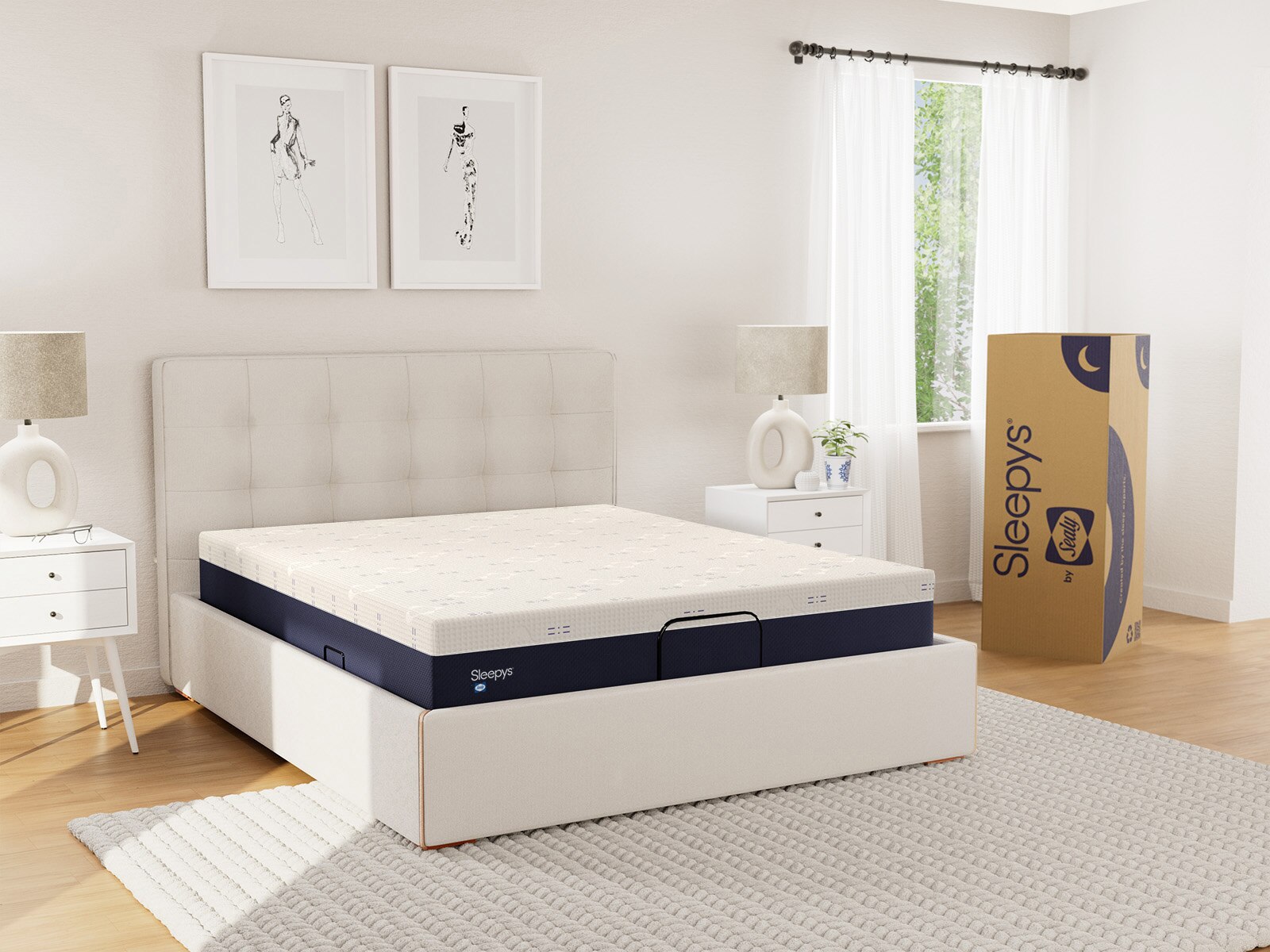
Award-winning mattresses are mattresses recognized by a publication, testing organization or design program for performance, construction or another defined quality. An award may highlight pressure relief, motion isolation, edge support, durability or suitability for a particular sleeping position rather than declare one mattress the best choice for everyone. That distinction matters: a mattress praised for its close, cushioning feel may appeal to a side sleeper, while recognition for a responsive surface may be more relevant to someone who changes positions throughout the night. Awards also differ in how they are earned. Some involve hands-on testing against stated criteria, while others reflect an editor’s assessment, consumer feedback or design evaluation. The organization behind the recognition, the award category, the evaluation method and the year awarded provide useful context for any claim. A clearly identified award with a published explanation is more informative than an unexplained badge. Recognition is most meaningful when it connects to a real sleeping need, such as reducing the movement felt when a partner turns over or keeping the perimeter steady while sitting to put on socks. It does not automatically mean that a mattress will relieve pain, remain comfortable for a particular length of time or suit every body type. Material specifications and the preferences of the intended sleeper still matter. Exploring the
Best Mattresses collection alongside award-winning mattresses provides a broader view of comfort styles without making an accolade the only deciding factor. For a primary bedroom, consistent nightly support may take priority; for a guest room, a balanced feel that accommodates different sleeping preferences may be more useful. A thoughtfully chosen mattress can also be a practical gift for someone setting up a new home, provided the recipient has a say in the firmness, size and overall feel. Recognition adds context to those personal considerations rather than replacing them.
The materials inside an award-winning mattress help explain how its feel is created. Memory foam contours under body weight and can cushion the shoulders and hips while absorbing movement. That close-contact sensation may appeal to someone who enjoys settling into the surface, although ease of movement depends on the foam formulation and the layers beneath it. Latex generally has a springier response, cushioning pressure points while recovering its shape quickly as a sleeper turns. Innerspring designs use coils as their main support structure, with upholstery layers above them influencing how plush or firm the mattress feels. Hybrid mattresses combine a coil support system with substantial comfort layers, bringing together cushioning and a responsive foundation. Individually wrapped coils can help limit motion transfer, but performance depends on the complete construction rather than a single component. Reinforced edges may make the perimeter feel steadier, especially for someone who sleeps near the side or regularly sits there before getting up. A quilted top adds surface cushioning, while a smoother cover may allow a more immediate connection with the comfort layers underneath. Neither appearance nor mattress height alone establishes quality. The balance between cushioning and support is what makes the construction relevant to the sleeper. Side sleepers often appreciate enough contouring to accommodate the shoulder and hip without leaving the waist unsupported. Back sleepers may prefer a surface that supports the lower back without allowing the pelvis to settle too deeply. Stomach sleepers generally need sufficient resistance beneath the midsection, while combination sleepers may favor a surface that makes turning less effortful. Body weight also changes how the same mattress feels: a lighter person may experience less compression than a heavier person. Firmness descriptions are useful starting points, but they are not identical across mattress designs. Two mattresses described as medium can feel noticeably different because of their materials, quilting and support systems. Award recognition becomes more helpful when these construction details align with the way someone actually sleeps.
Fit extends beyond firmness to the space a mattress occupies and the foundation beneath it. A queen may suit many shared bedrooms, while a king gives partners more room to change positions without crowding each other. Room layout still matters, including clearance around nightstands, access to drawers and enough space to walk comfortably beside the bed. Mattress depth affects the finished bed height, which can make sitting down and standing up feel easier or more awkward depending on the sleeper. It also determines whether existing fitted sheets and a mattress protector will fit securely. An adjustable base requires a compatible mattress, and a platform or slatted foundation must meet the mattress manufacturer’s support requirements. Even a well-made mattress can perform poorly on an unsuitable or damaged base. Durability depends on material quality, construction, use and care—not an award alone. Foam density, coil design, reinforced areas and the quality of seams and covers can all contribute to how a mattress holds up, although no single specification tells the whole story. A mattress used every night by two adults experiences different demands than one used occasionally by guests. A properly fitted protector helps guard against spills and everyday soiling, while cleaning according to the care label helps avoid damage to fabrics and cushioning. Excess moisture can be difficult to remove from deep layers, so spot cleaning should follow the manufacturer’s directions rather than saturating the surface. Rotation may help distribute wear when recommended; flipping is appropriate only for a mattress designed to be used on both sides. Over time, persistent sagging, uneven support or a noticeable decline in comfort deserves attention even if the mattress once earned recognition. An award offers a useful reason to look more closely, but lasting satisfaction comes from the combination of suitable materials, comfortable support, an appropriate foundation and care that matches the construction.