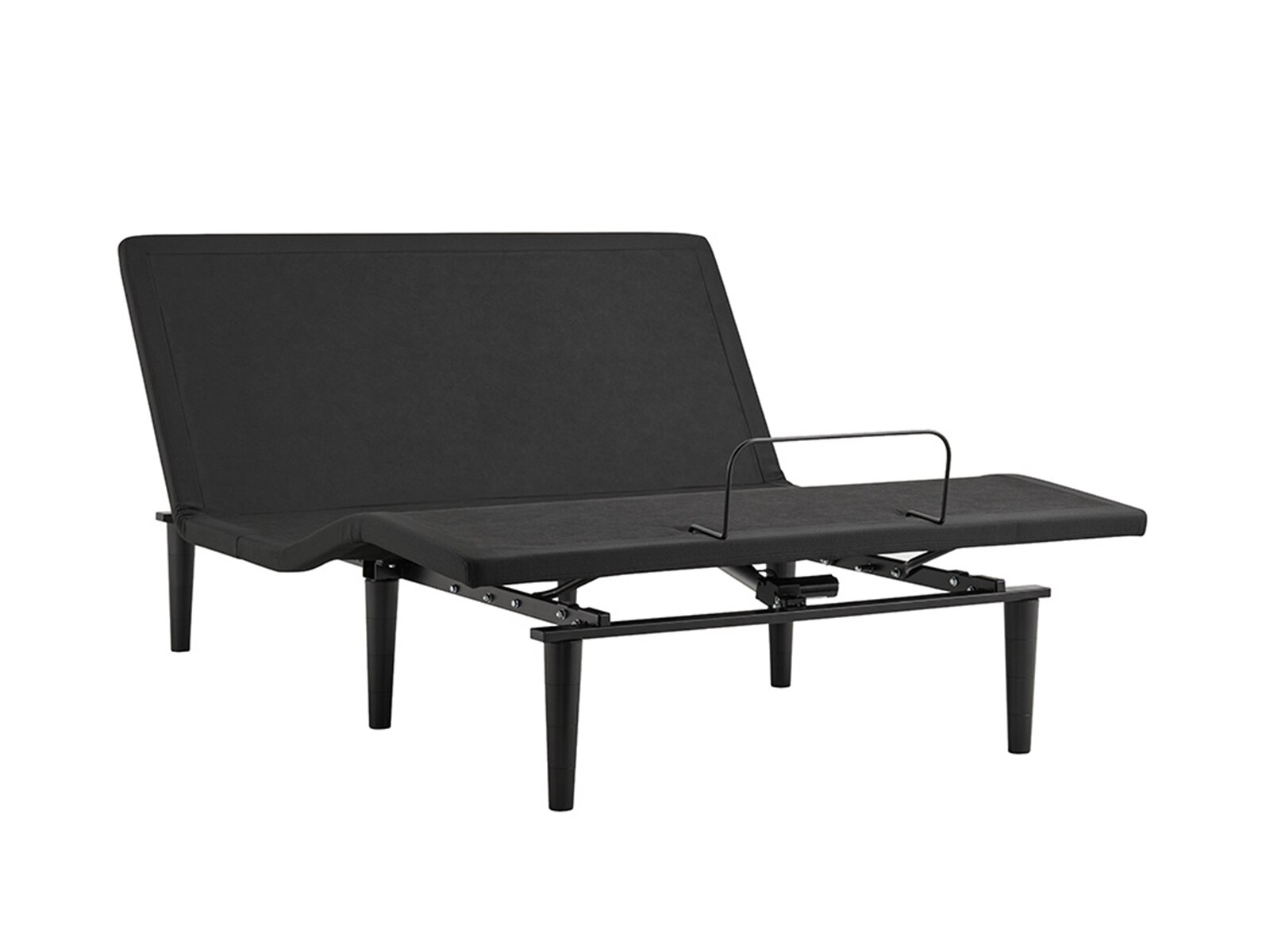
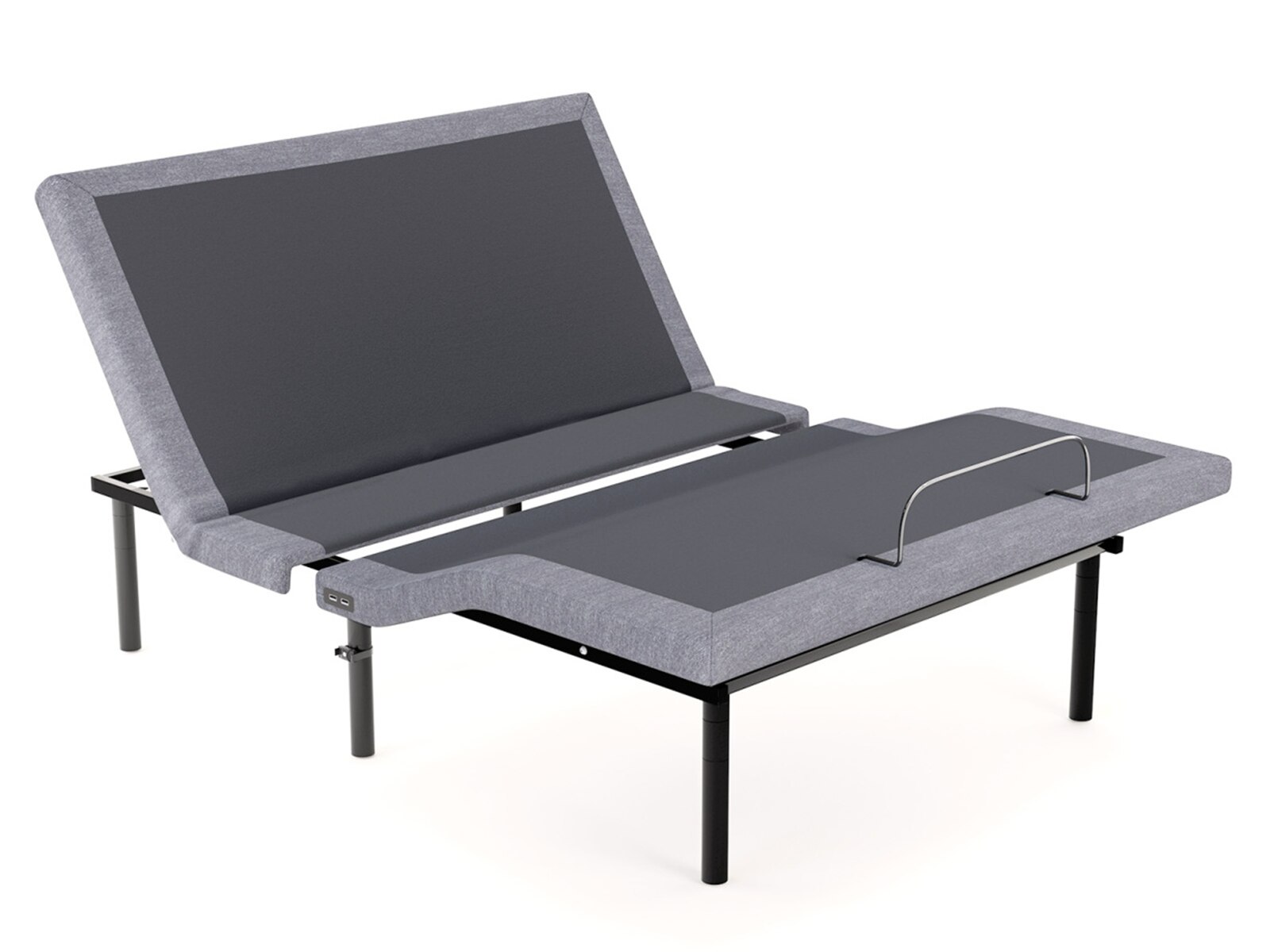
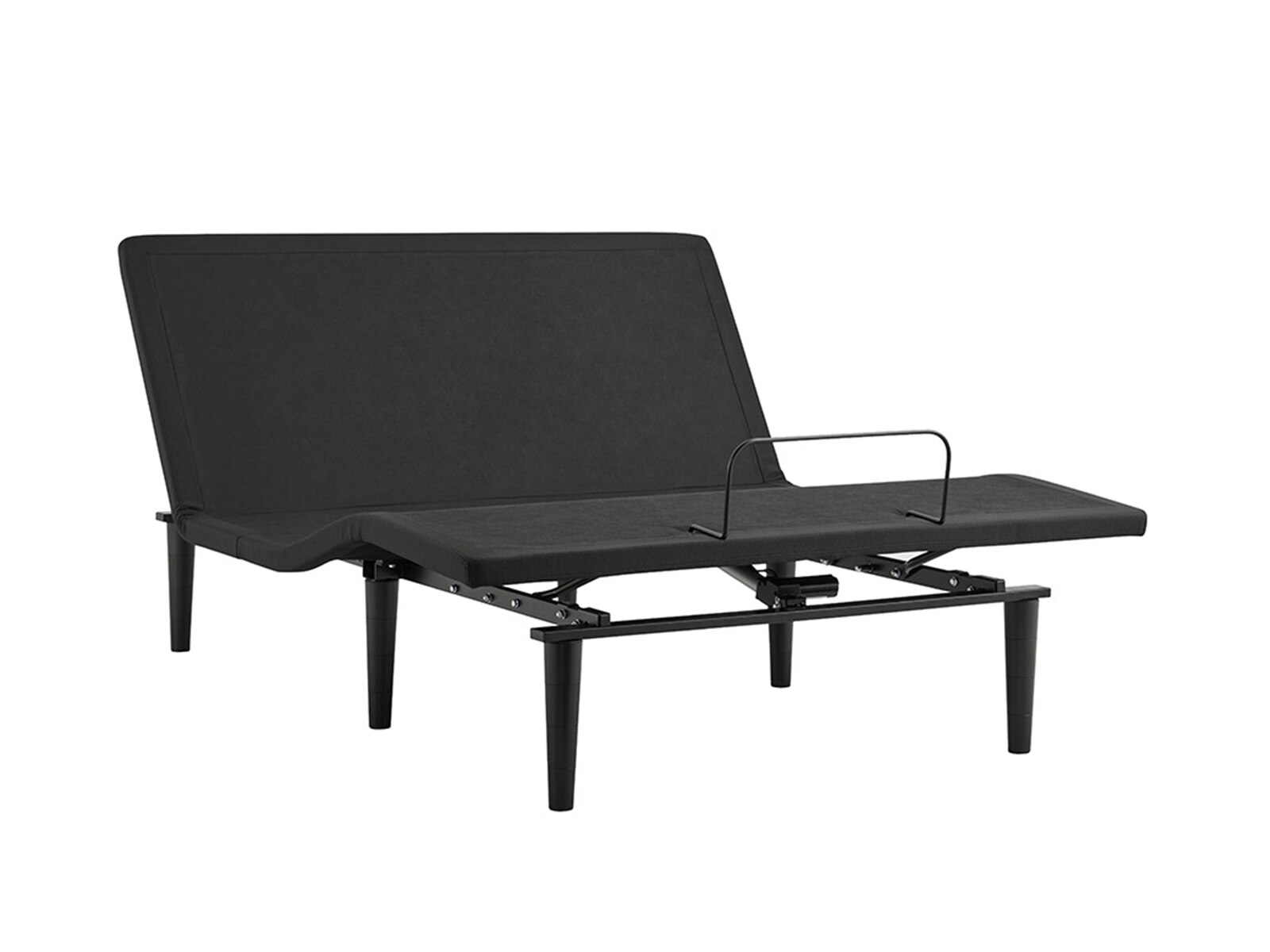
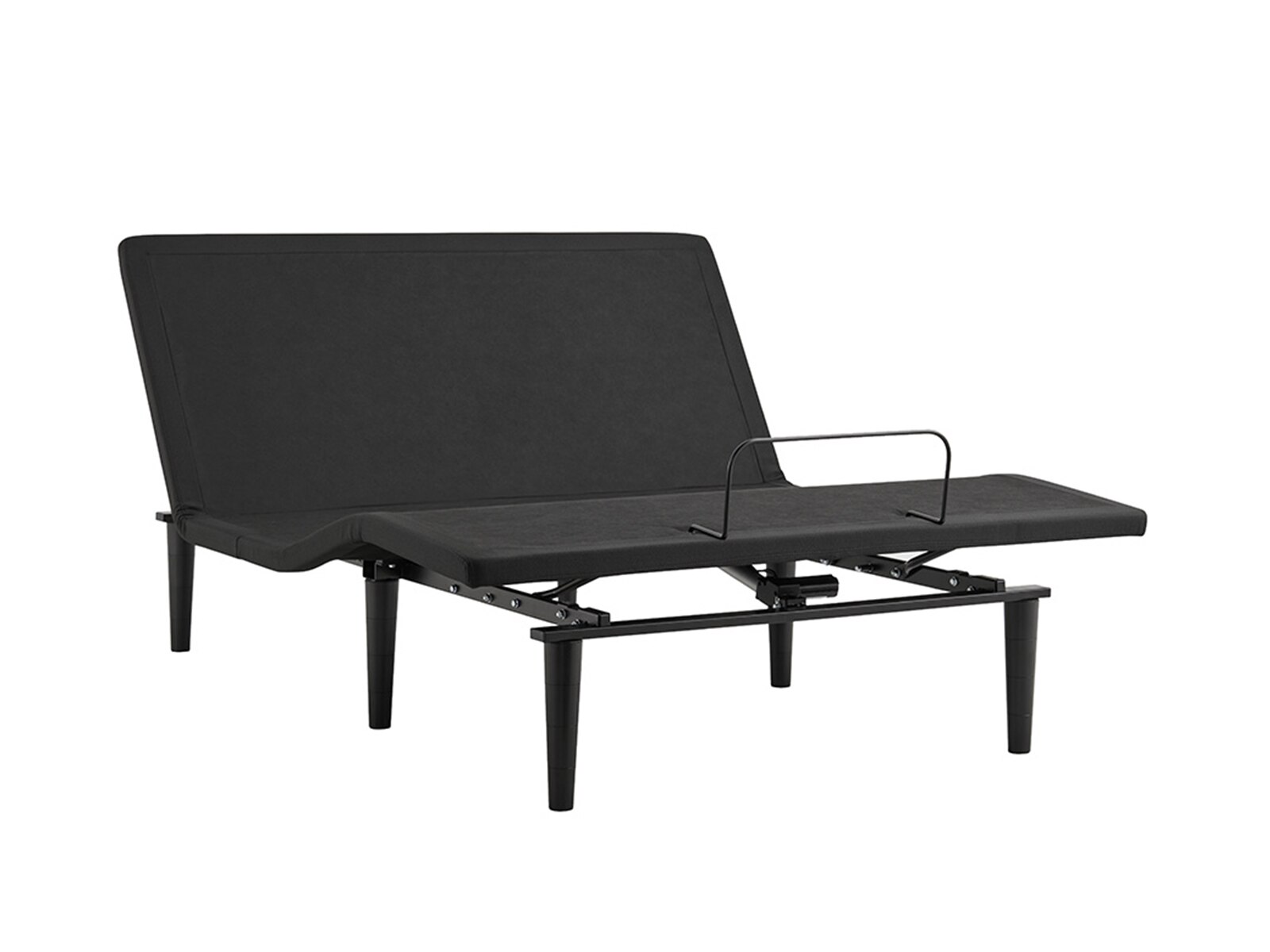
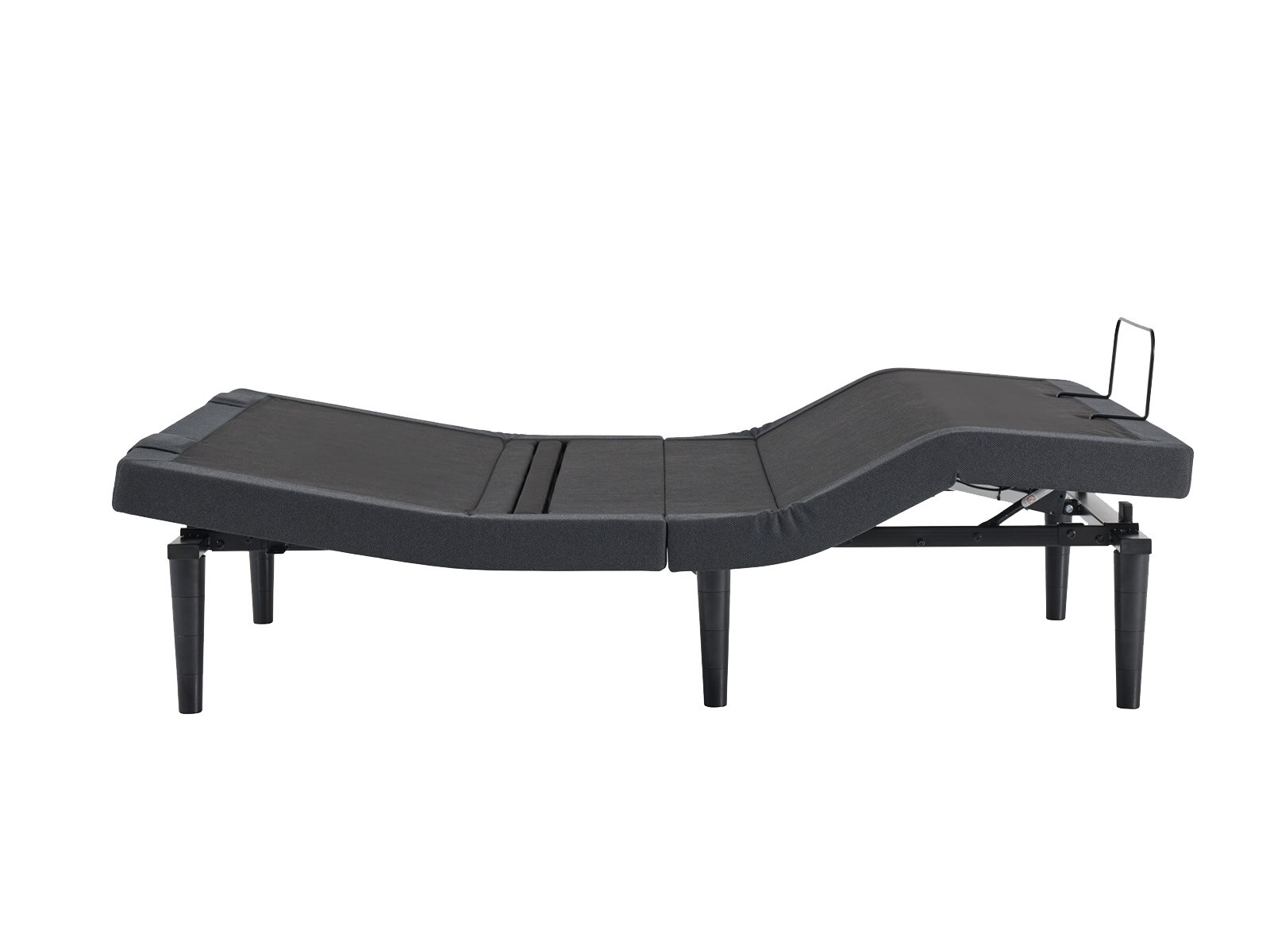
Backlit remote bases are adjustable bed foundations operated by a handheld control with illuminated buttons, labels or a display, making adjustments easier to see in a dim bedroom. The backlight helps identify the controls; the base itself changes the position of the mattress through a motorized lifting system. That distinction matters because a backlit remote is different from underbed lighting, which illuminates the space beneath the frame. Depending on the design, an adjustable base may raise the head, elevate the feet or adjust both sections independently. A reader can bring the upper body into a more upright position, while someone settling down after a long day may prefer gentle elevation beneath the legs. Illuminated controls make those changes easier to manage without switching on a bright overhead light or reaching for a phone flashlight. Button layout is just as important as illumination: clearly separated controls, readable symbols and an easy-to-find flat-position button can make everyday operation feel more straightforward. Some remotes illuminate when a button is pressed, while others respond to movement or another activation method, so the way the light turns on is worth noting. Backlit designs sit within the broader category of
Remote Control Bases, with particular attention to visibility during low-light use. Additional functions, when included, may range from saved positions to preset adjustments or massage settings. Those features are separate from the backlight and vary by design. A simple control can suit someone who mainly wants head and foot adjustment, while a remote with memory settings can make a familiar reading position easier to revisit. The most useful arrangement is one that matches the way the bed is used, whether that means reading a few chapters, watching a favorite program or returning the mattress to a flat position before sleep. Adjustable positioning is a comfort feature, not a substitute for medical advice or treatment.
The fit between an adjustable base, its mattress and the surrounding bed frame determines how well the entire setup works. A mattress needs enough flexibility to follow the base through its intended range of motion without being damaged. Many foam, latex and hybrid mattresses are designed for adjustable foundations, but construction and manufacturer requirements matter more than the category name alone. An innerspring mattress should not be assumed compatible simply because its dimensions match. Mattress thickness also influences how readily the sleep surface bends and how the raised sections feel beneath the body. A very thick or rigid mattress may respond differently from a more flexible design, and its warranty should support the intended use. Size matching is equally important: the base should support the mattress dimensions, while the complete bed must leave room for nearby furniture, drawers and walkways. A split king arrangement generally pairs two Twin XL mattresses with separately operated base sections, allowing partners to choose different positions when the system supports independent operation. That setup also changes bedding needs and creates a center seam that shoppers may want to consider. Existing headboards, footboards, side rails and platform structures can affect installation. Some adjustable bases are designed to sit within a compatible frame, while certain designs permit use without legs on a suitable supporting surface; that capability should never be assumed. Clearance beneath the bed and around moving sections helps prevent interference with furniture or stored belongings. Construction details such as a sturdy support structure, secure joints and a well-fitted upholstered covering contribute to everyday stability and a finished appearance. Lift capacity should account for the loads specified by the manufacturer, which may include the mattress and sleepers. Motor performance, warranty coverage and access to service are also meaningful durability considerations, especially for a base expected to change positions several times each day. The remote’s lighting adds convenience, but it does not replace the need for sound construction and compatible components.
Everyday usability often comes down to small details that are easy to appreciate once the bedroom is quiet. A remote that rests securely on a nightstand, feels balanced in the hand and has buttons that are distinguishable by touch can be more pleasant to use than one crowded with unfamiliar symbols. People who have difficulty reading small labels may appreciate larger lettering and strong contrast, although backlighting alone does not guarantee readability. Wireless controls reduce the need to manage a handheld cord, but they also require attention to batteries or charging, depending on the design. A backlit remote is not automatically universal: pairing methods, replacement controls and supported functions must match the base’s requirements. For shared bedrooms, separate controls can help each person manage a compatible split setup, while a clearly defined place for each remote helps avoid accidental adjustments to the wrong side. Care is generally straightforward, with a soft, dry cloth suited to routine remote cleaning and manufacturer-approved methods used for the base’s upholstery and exposed surfaces. Liquid should stay away from buttons, electrical connections and motors, and cords should remain clear of moving parts. Bedding also needs enough freedom to move with the mattress rather than pulling tightly across raised sections. Fitted sheets with suitable pocket depth and flexible edges can help maintain a neat fit, provided they match the mattress measurements. Children, pets and objects should remain away from the lifting mechanism whenever the base moves. Installation deserves planning because adjustable foundations can be heavy and awkward to maneuver through doorways or around tight corners. Access to a suitable outlet, a clear path into the bedroom and an understanding of any manufacturer-provided emergency-lowering procedure support a more manageable setup. For couples with different lounging preferences, people who regularly read in bed or anyone who values visible bedside controls, a backlit remote base brings an added layer of convenience to adjustable support without requiring the whole room to be brightly lit.