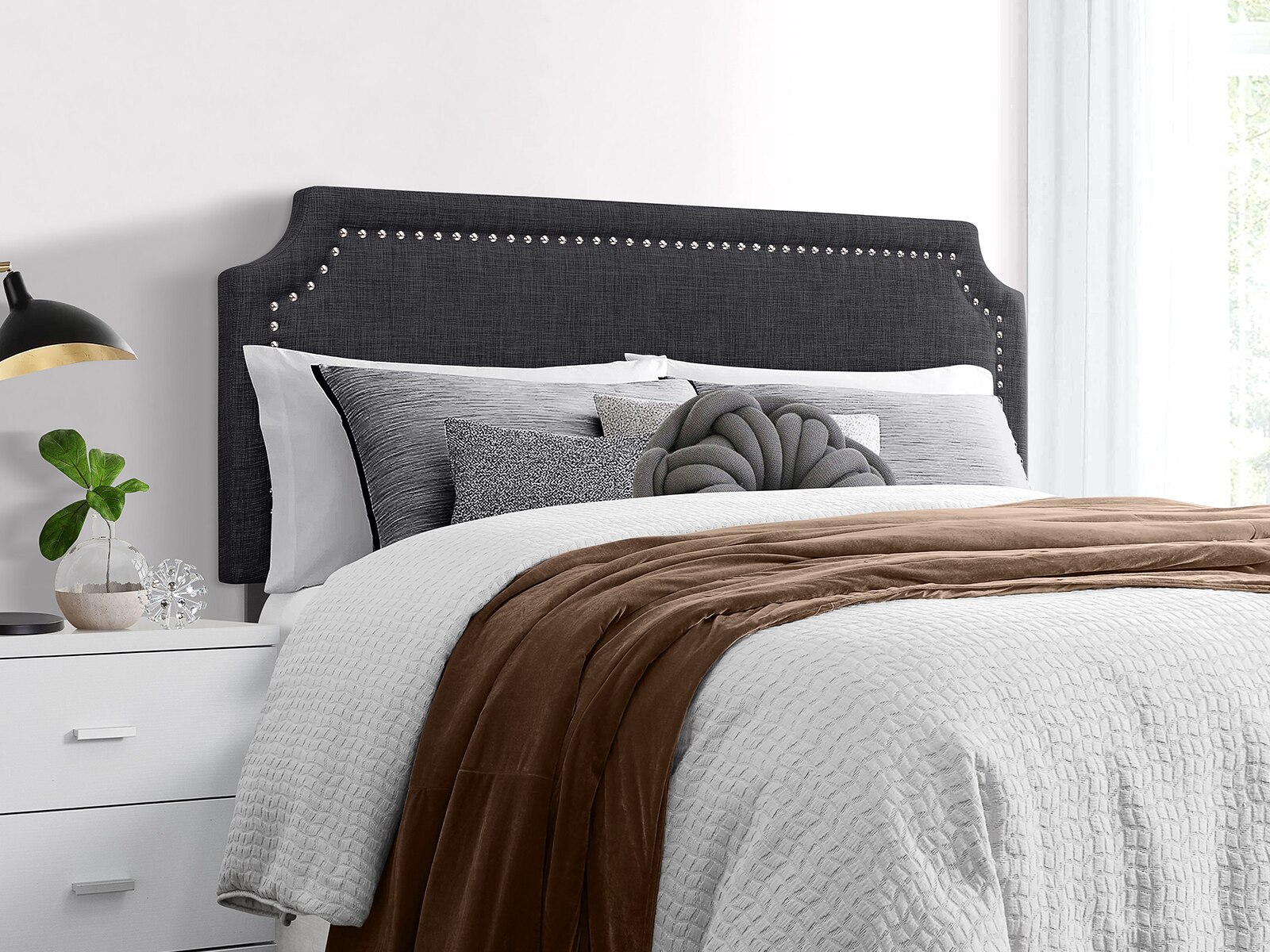
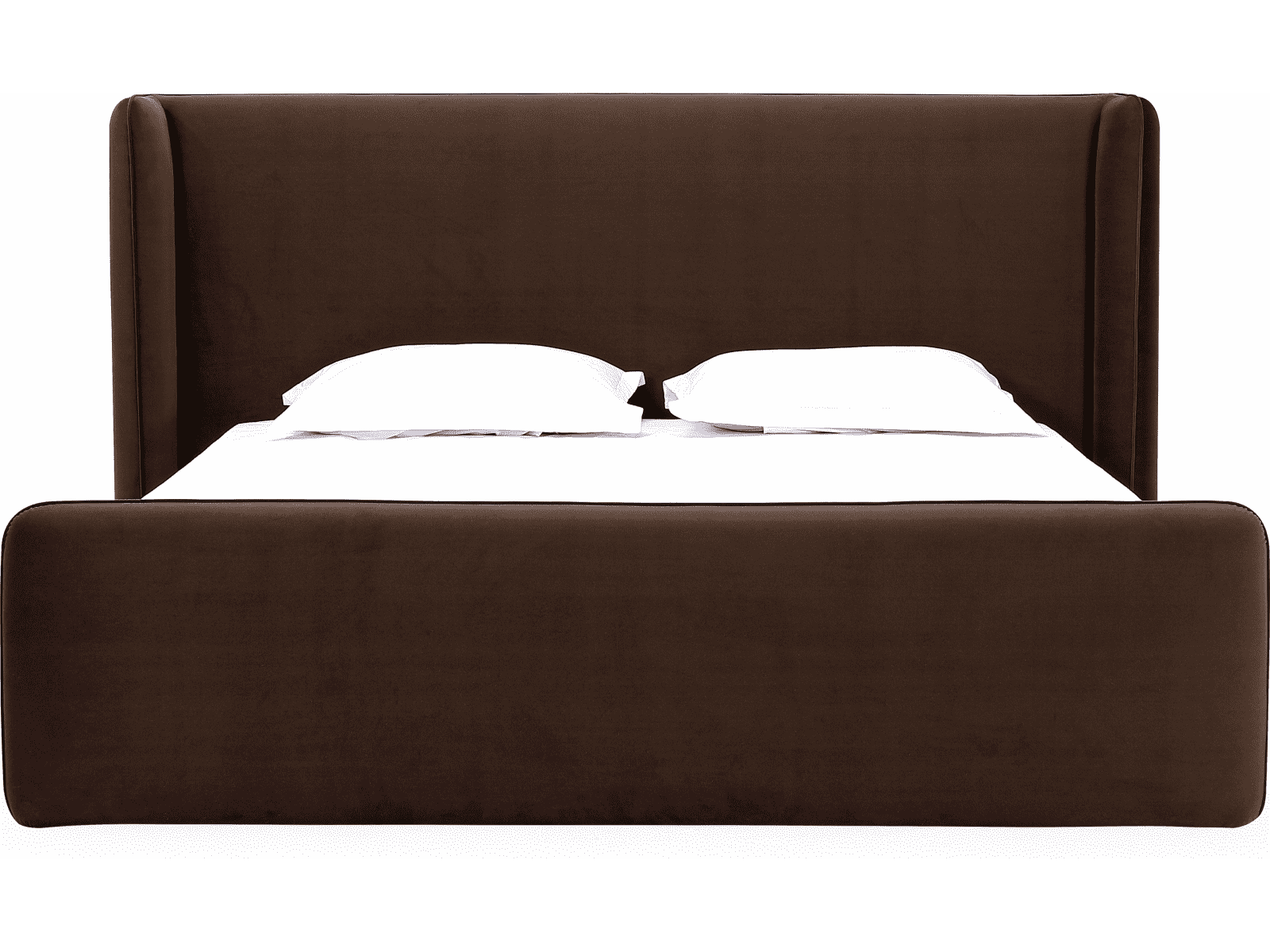
A bedroom upgrade starts with a bed that fits daily life as comfortably as it fits the room. Bed frames, foundations and adjustable bases contribute different kinds of support and functionality: a frame provides the bed’s structure, a foundation creates a supportive surface beneath the mattress and an adjustable base changes the position of a compatible mattress. Some platform frames provide mattress support directly, while other bed designs require a separate foundation. Together, these components influence the height, appearance and everyday feel of a sleep setup. For a primary bedroom, the priority might be a sturdy frame with an upholstered headboard that makes sitting up with a book more comfortable. In a guest room, a straightforward design with accessible space on either side can make the room easier to navigate. A smaller bedroom may benefit from a slim profile, open space beneath the frame or integrated storage that gives extra bedding a place to go. Materials help establish both the look and the upkeep of the bed. Solid wood brings visible grain and natural variation, while engineered wood can create a consistent finish across larger surfaces. Metal frames can range from slender and understated to more substantial designs with a strong visual presence. Upholstered beds soften the outline of a room, with woven fabrics, textured surfaces and padded panels adding depth without requiring additional furniture. Performance depends on the complete construction rather than the material name alone. Secure joints, appropriate center support and a mattress support system suited to the intended load all matter to long-term stability. A tall headboard can anchor a spacious room, while a lower silhouette can leave more of the wall visible. Neither shape is inherently more comfortable; the better fit depends on the mattress, the sleeper and how the room is used. A thoughtful upgrade balances those practical details with a style that still feels welcoming after the bedding and wall colors change.
Size and compatibility are central to how well a bed works once it becomes part of the room. Mattress dimensions are only one part of the footprint: side rails, a footboard, headboard wings and storage drawers can extend beyond the sleep surface. In a room where a dresser faces the bed, that extra depth can determine whether drawers open comfortably or the walkway feels crowded. Storage beds also need clearance for their compartments, whether drawers pull out along the sides or a platform lifts upward. The route into the bedroom matters, too, especially when furniture must pass through a narrow hallway, turn on a staircase or enter a room with a low doorway. Within the bed itself, the mattress size must match the frame and support system, and any slat spacing or foundation requirements should follow the mattress manufacturer’s specifications. A mattress that fits inside the rails may still need a different support arrangement to perform as intended. Center legs and support rails are particularly important where the design requires them, and the floor beneath each support point should be stable. Bed height deserves equal attention. A thick mattress on a tall foundation can create a much higher surface than expected, while a low platform may require more effort when sitting down or standing up. A useful reference is a height that allows the sleeper to sit near the edge with feet resting comfortably on the floor, although individual needs vary. For shared bedrooms, access from both sides can make everyday routines simpler. Adjustable bases add another consideration: both the mattress and any surrounding frame must be compatible with the base’s movement and dimensions. Depending on the design, raising the head or foot can create different positions for reading or resting. Some split configurations allow each side to move independently, making mattress pairing and sheet fit especially relevant for two people with different preferences.
A lasting bedroom refresh also accounts for what happens after assembly: straightening the sheets, cleaning beneath the frame and checking that the bed remains secure through everyday use. Wood surfaces generally benefit from gentle dusting and prompt attention to spills, with cleaning products chosen according to the finish and care instructions. Upholstered panels may need regular vacuuming with a suitable attachment, particularly around seams and tufting where dust can collect. Fabric care varies, so a cleaner appropriate for one upholstery material may not suit another. Metal components should also be cleaned according to their finish, without assuming that an abrasive cleaner is suitable. Periodic checks of fasteners, support legs and slats can help identify looseness before it becomes a larger concern. An uneven floor or an incorrectly seated support can contribute to movement or noise, so secure assembly matters as much as appearance. The space beneath the bed is part of the maintenance picture: enough clearance for a vacuum can simplify cleaning, while storage compartments work best when their contents do not interfere with moving parts or required supports. Bedding completes the upgrade without changing the frame’s essential function. Complementing the bed with
Bedroom Upgrade Sheets helps carry a chosen color palette and texture through the room. Sheet dimensions and pocket depth should suit the mattress, including any topper that adds height, so corners stay seated without excessive pulling. On an adjustable setup, bedding needs enough flexibility to accommodate movement without restricting the base. A mattress protector adds another layer of everyday care, provided it fits properly and follows the mattress manufacturer’s recommendations. These details matter in a first apartment, a shared bedroom or a guest space that also serves another purpose. The most useful bedroom upgrade is not simply a more substantial-looking bed; it is a coordinated sleep setup with appropriate support, manageable care and proportions that make the room comfortable to use.