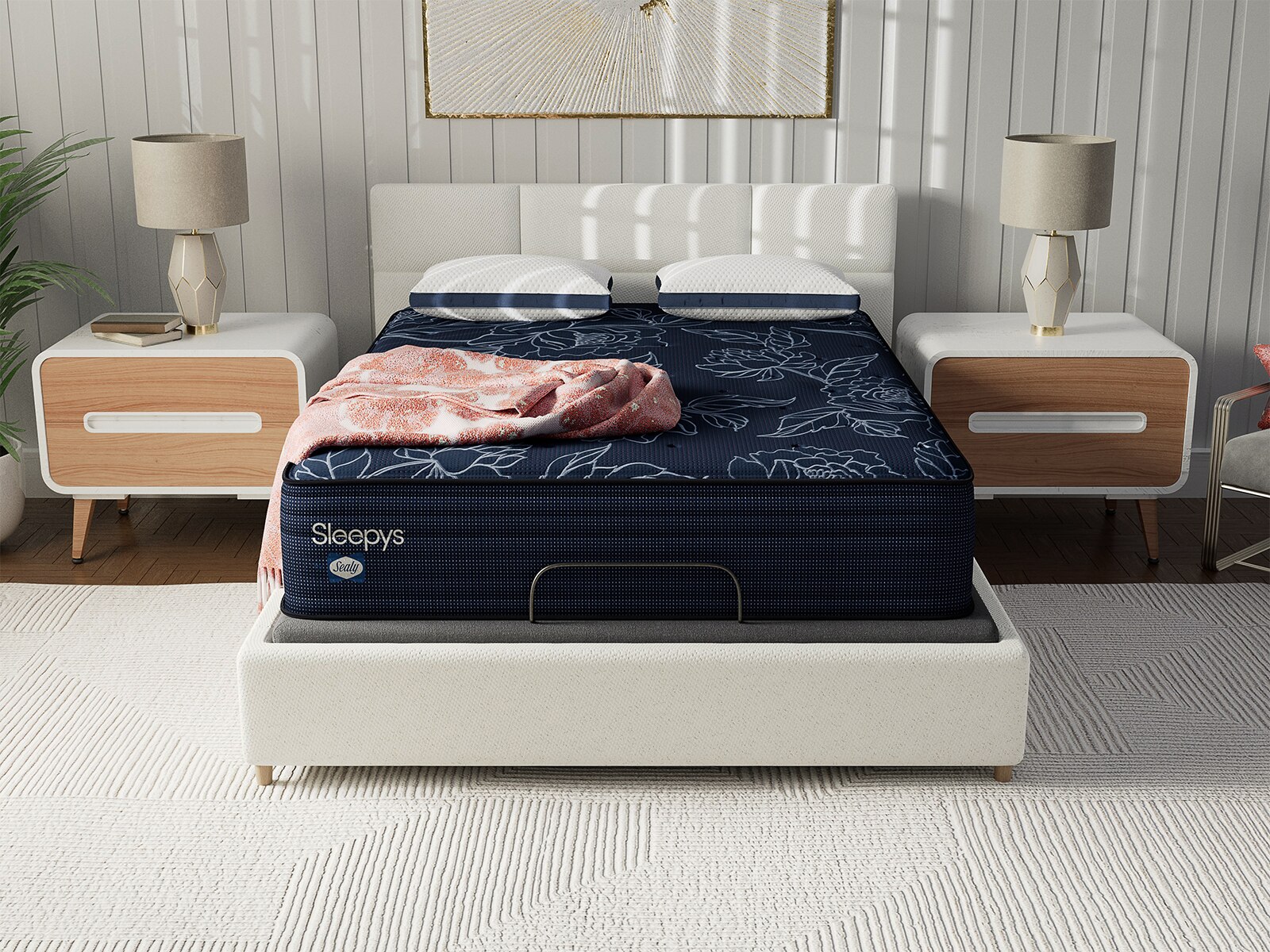
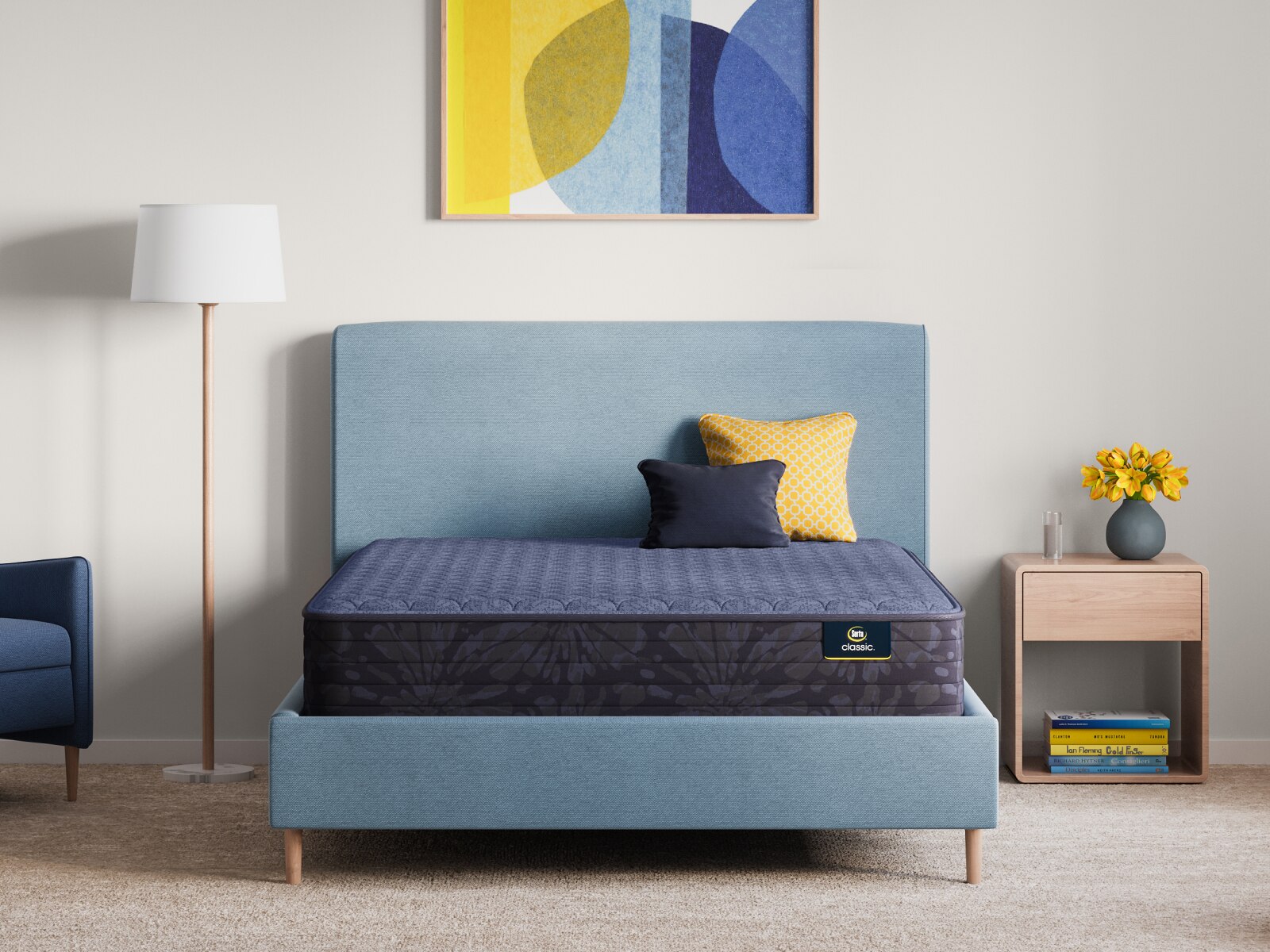
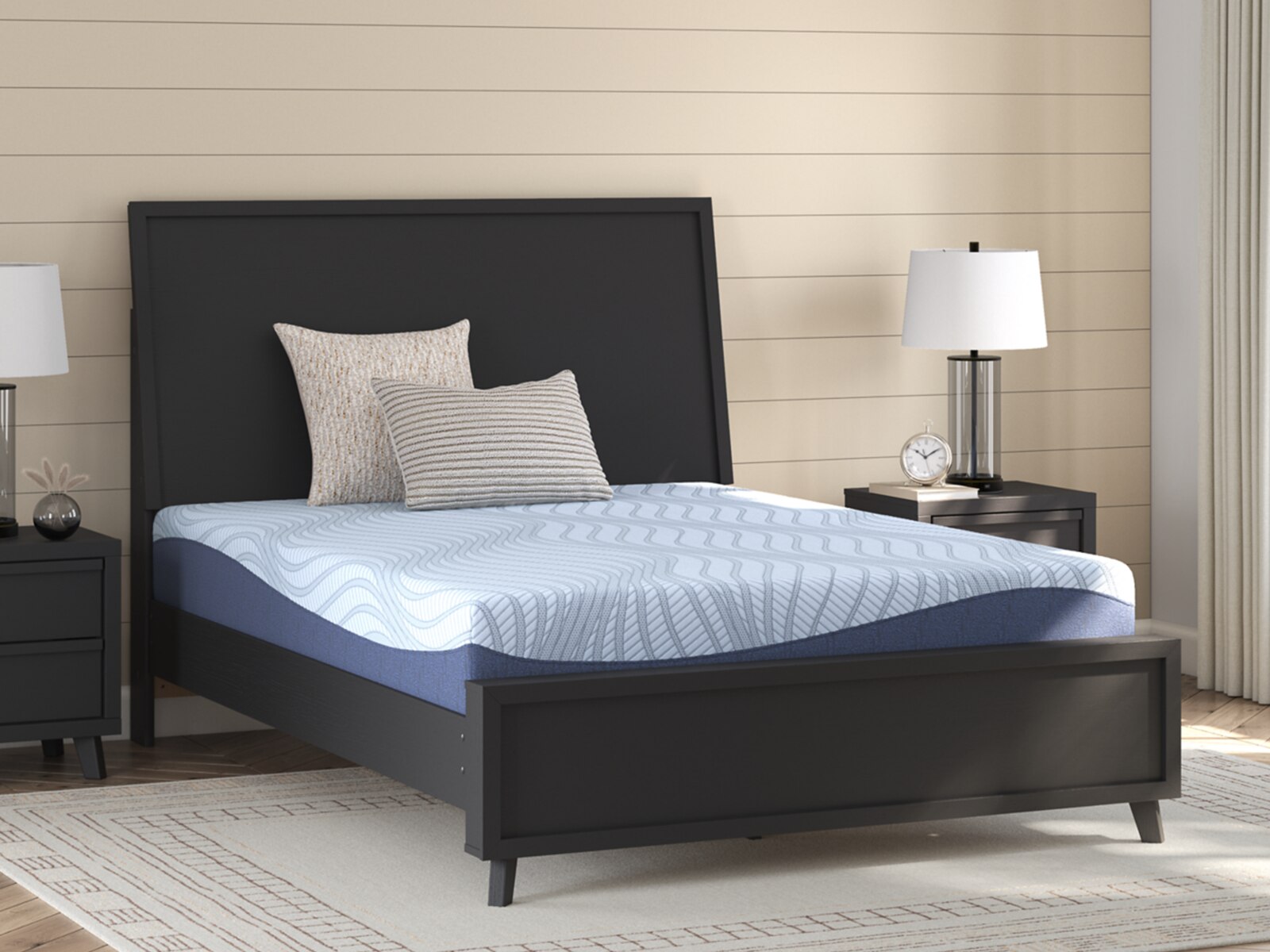
Mattresses for a bedroom upgrade bring together pressure relief, dependable support and a feel that suits the way you sleep. Memory foam, hybrid, latex and innerspring constructions offer different ways to achieve that balance, so the most useful comparison starts with how each surface responds to your body. Memory foam contours around areas such as the shoulders and hips, creating a close, cushioned feel that can also help limit movement traveling across the bed. A hybrid pairs a coil support system with comfort layers made from materials such as foam or latex, combining cushioning with a more responsive foundation. Latex generally has a buoyant feel, while innerspring designs often feel springier, though the comfort layers above the coils make a meaningful difference. Firmness describes the feel of the surface; support describes how the mattress helps hold your body in a comfortable position. A soft surface is not automatically unsupportive, and a firm surface is not automatically the right fit. Side sleepers often appreciate enough cushioning for their shoulders and hips to settle in without the waist feeling unsupported. Back sleepers may prefer a balance of contouring and resistance beneath the midsection, while stomach sleepers often benefit from a surface that limits excessive sinking around the hips. Body size affects these impressions, too: the same mattress can feel firmer to a lighter person and softer to someone who places more weight on it. For partners, motion isolation matters when one person turns over or gets up before the other. Responsiveness matters when changing positions, and edge support can make the perimeter feel steadier when getting into bed or sitting briefly to put on socks. Breathable covers, ventilated comfort layers and space around coils can support airflow, although the protector, sheets and other bedding also influence how the sleep surface feels. Together, these details help distinguish a mattress that simply feels pleasant for a moment from one that fits an everyday sleep routine.
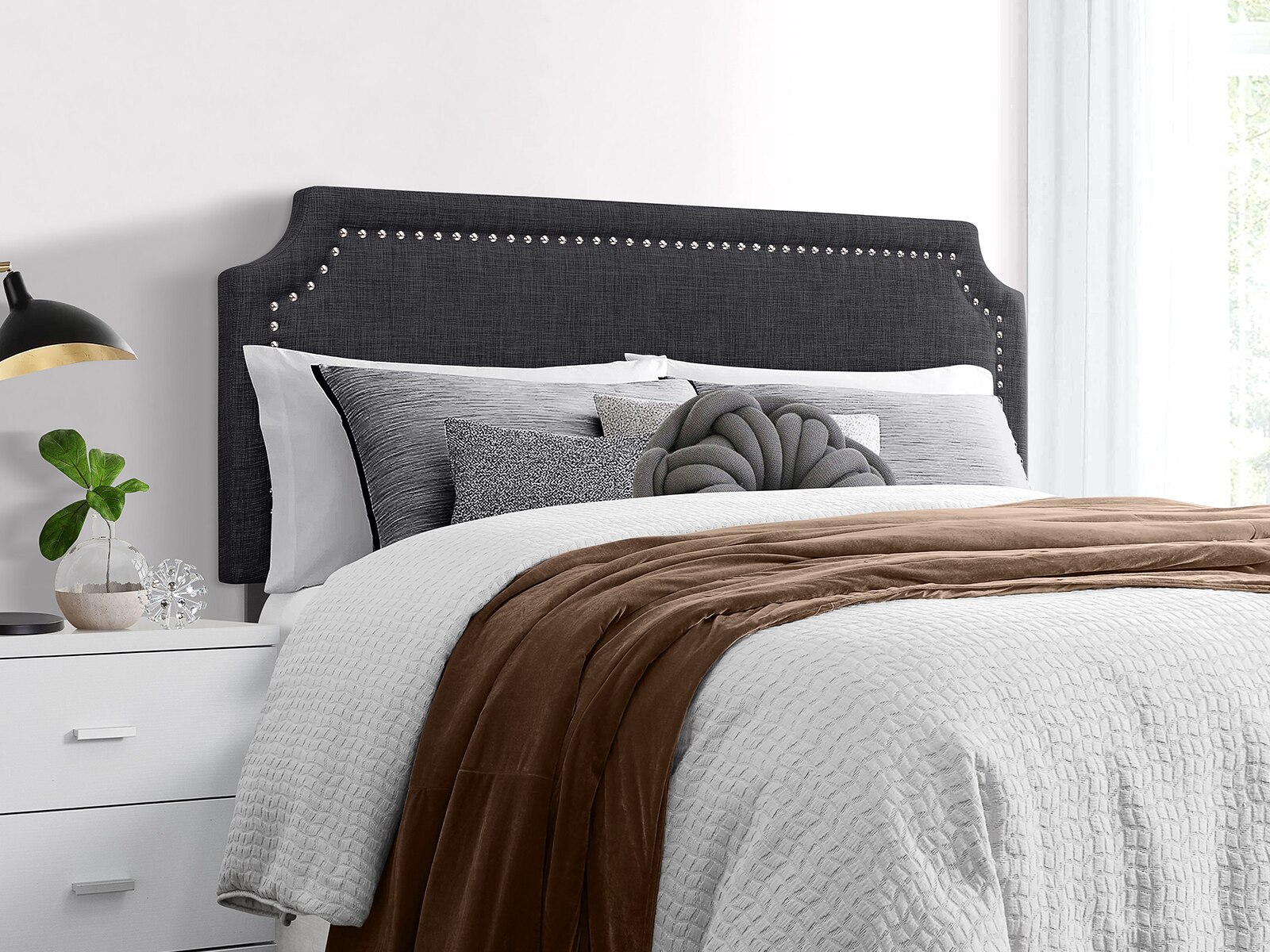
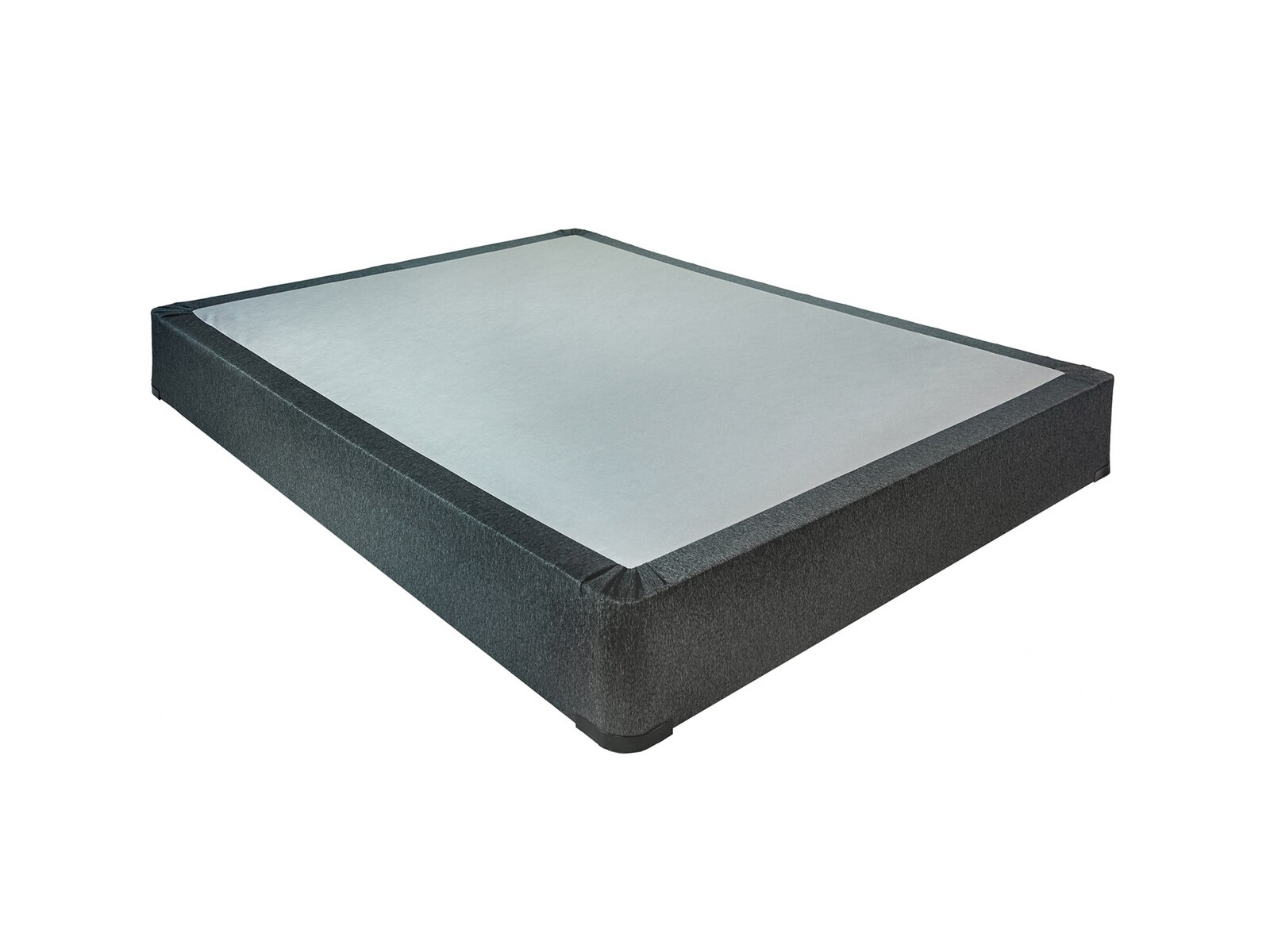
A bedroom upgrade also needs to work within the room, not just across the top of the mattress. A queen mattress typically measures 60 by 80 inches, a king measures 76 by 80 inches and a California King measures 72 by 84 inches. Those proportions create different possibilities: a king adds width for shared sleep, while a California King provides extra length in a narrower footprint. Measure the room with the complete bed frame in mind, including any headboard, footboard or surrounding ledge. Leave practical space for opening drawers, walking beside the bed and reaching a nightstand without squeezing through a narrow gap. A larger sleep surface can be appealing, but it should not make the rest of the room difficult to use. Delivery access deserves the same attention, especially where tight stair turns, narrow doorways or low ceilings could complicate moving a mattress into place. The support underneath is another essential part of the fit. Platform beds, slatted frames, foundations and adjustable bases have different requirements, and the mattress manufacturer’s specifications should determine compatibility, including slat spacing and any required center support. An existing foundation should be checked for damage or unevenness rather than assumed to be suitable because it held the previous mattress. When coordinating the entire sleep setup,
Bedroom Upgrade Beds can help connect the mattress choice with the surrounding frame and bedroom layout. Consider the finished height as well: mattress thickness and base height together determine how easily someone can sit down, stand up or reach the floor. Thicker does not necessarily mean more supportive or more durable. Sheet pocket depth should accommodate the mattress and any added protector, while pillow height may need reconsideration if the new surface allows the shoulders to settle farther into it. In a guest bedroom, a balanced feel may suit a wider range of visitors; in a primary bedroom, individual sleep habits deserve greater emphasis than a broadly appealing description.
Long-term comfort depends on construction, everyday use and care, rather than any single material or feature. Foam quality, coil design, edge construction and the way the layers work together all contribute to how a mattress performs over time. Material density can provide useful information about some foams, but it is not the same as firmness, and a greater number of layers does not by itself establish better durability. A shared mattress used every night faces different demands from one used occasionally in a guest room, making intended use an important part of the decision. For a student moving into a first apartment or an adult furnishing a new home, a mattress can be a thoughtful gift when the recipient has a say in the size and feel. Personal comfort is difficult to choose by appearance alone. Once the mattress is in place, a properly fitted protector can help shield the surface from everyday spills and residue without adding unnecessary bulk. Wash sheets and washable protectors according to their care labels, and follow the mattress manufacturer’s directions before cleaning the cover. A zippered cover is not necessarily intended to be removed or machine-washed. For a small spill, prompt blotting and an approved cleaning method are generally preferable to soaking the surface; allow the area to dry fully before replacing bedding. Rotate the mattress only as recommended, and do not flip a design intended for use on one side. Keeping the base secure and properly supported also helps prevent avoidable strain on the mattress. Over time, pay attention to persistent sagging, uneven support or a noticeable change in comfort rather than relying on age alone to judge its condition. An effective bedroom upgrade is ultimately a coordinated change: a mattress that fits the sleeper, a base that supports it correctly and bedding that works with the surface. The result is a room that feels more inviting at bedtime and a sleep setup built around the way it will actually be used.