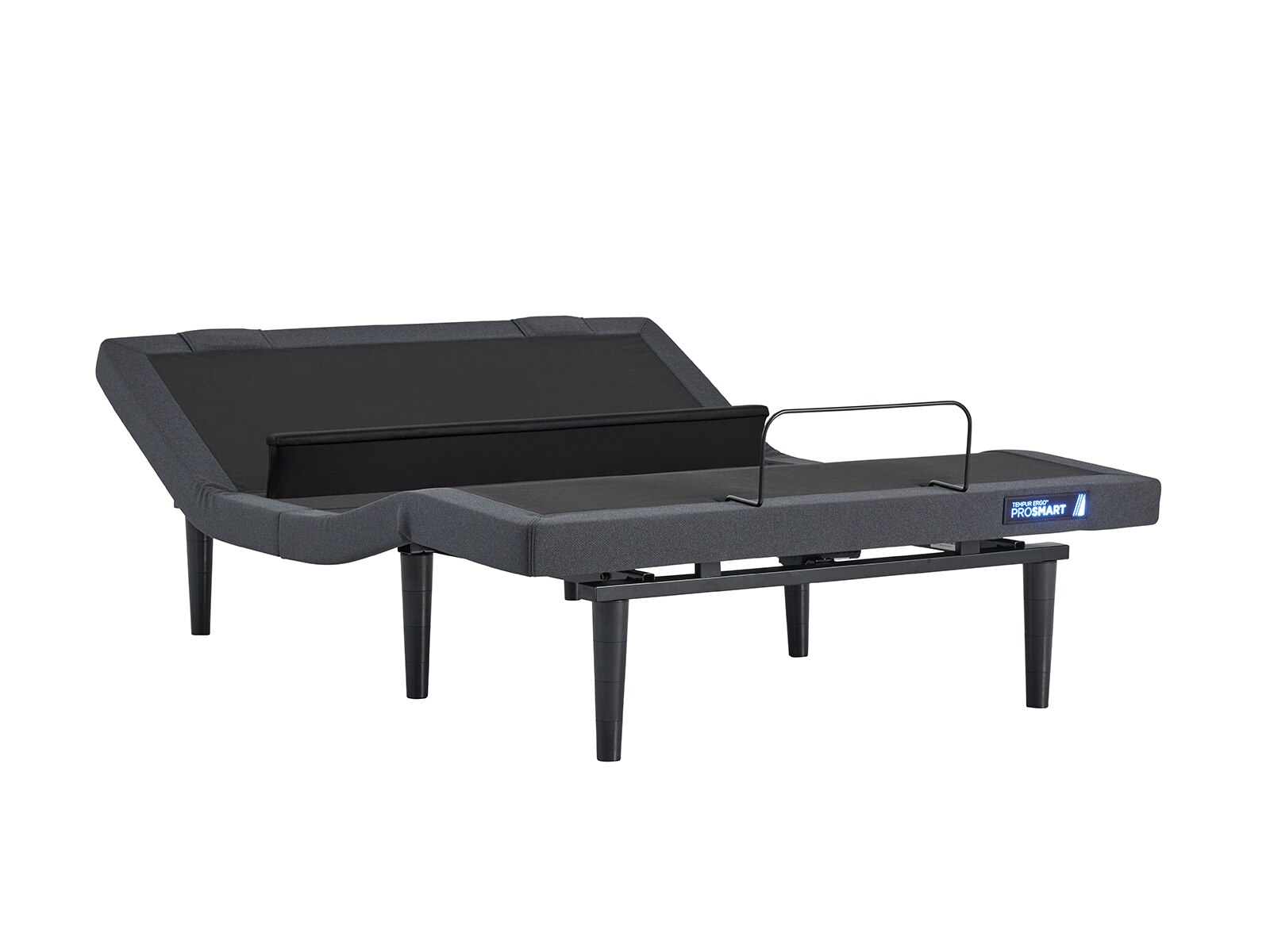
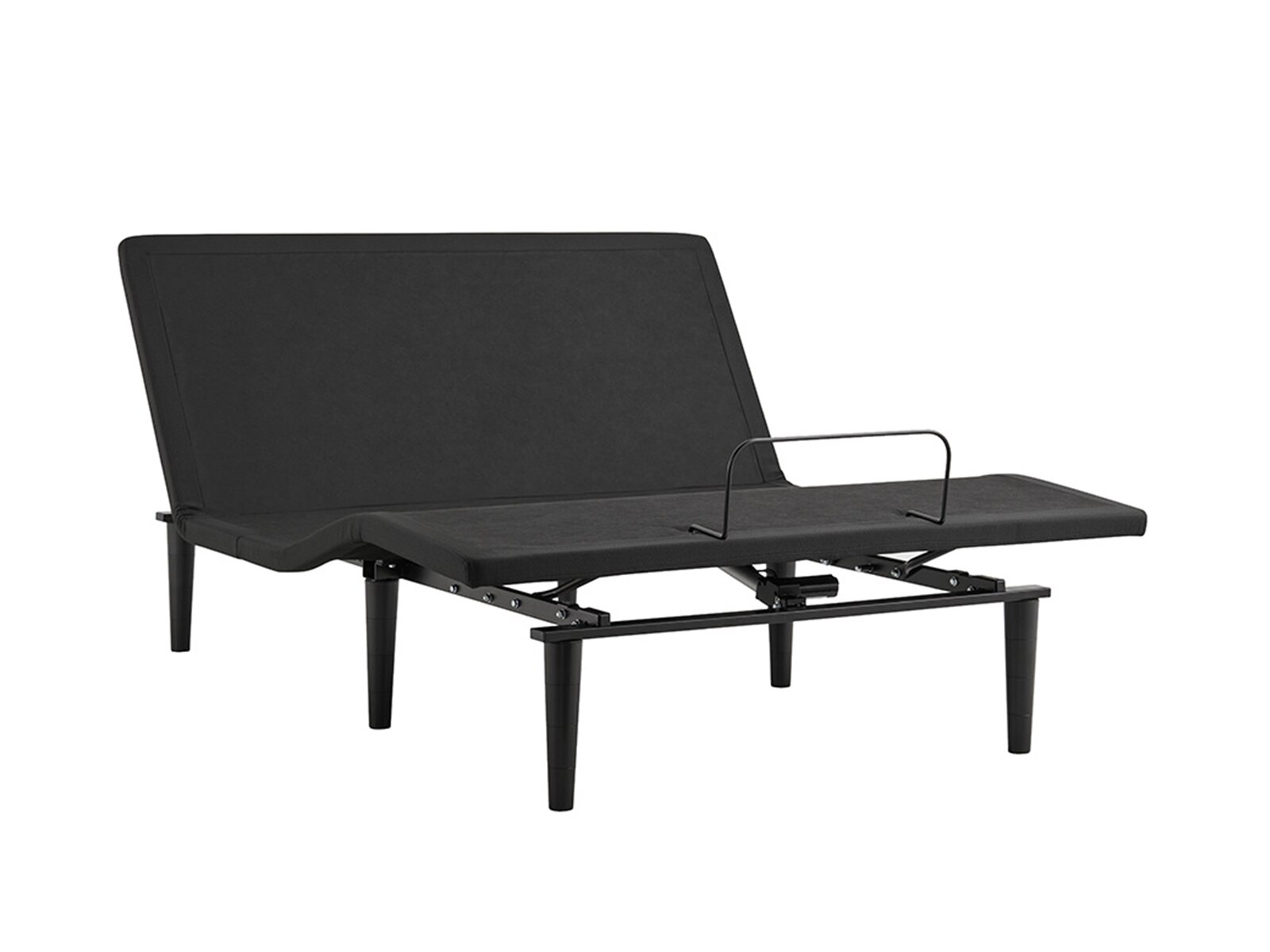
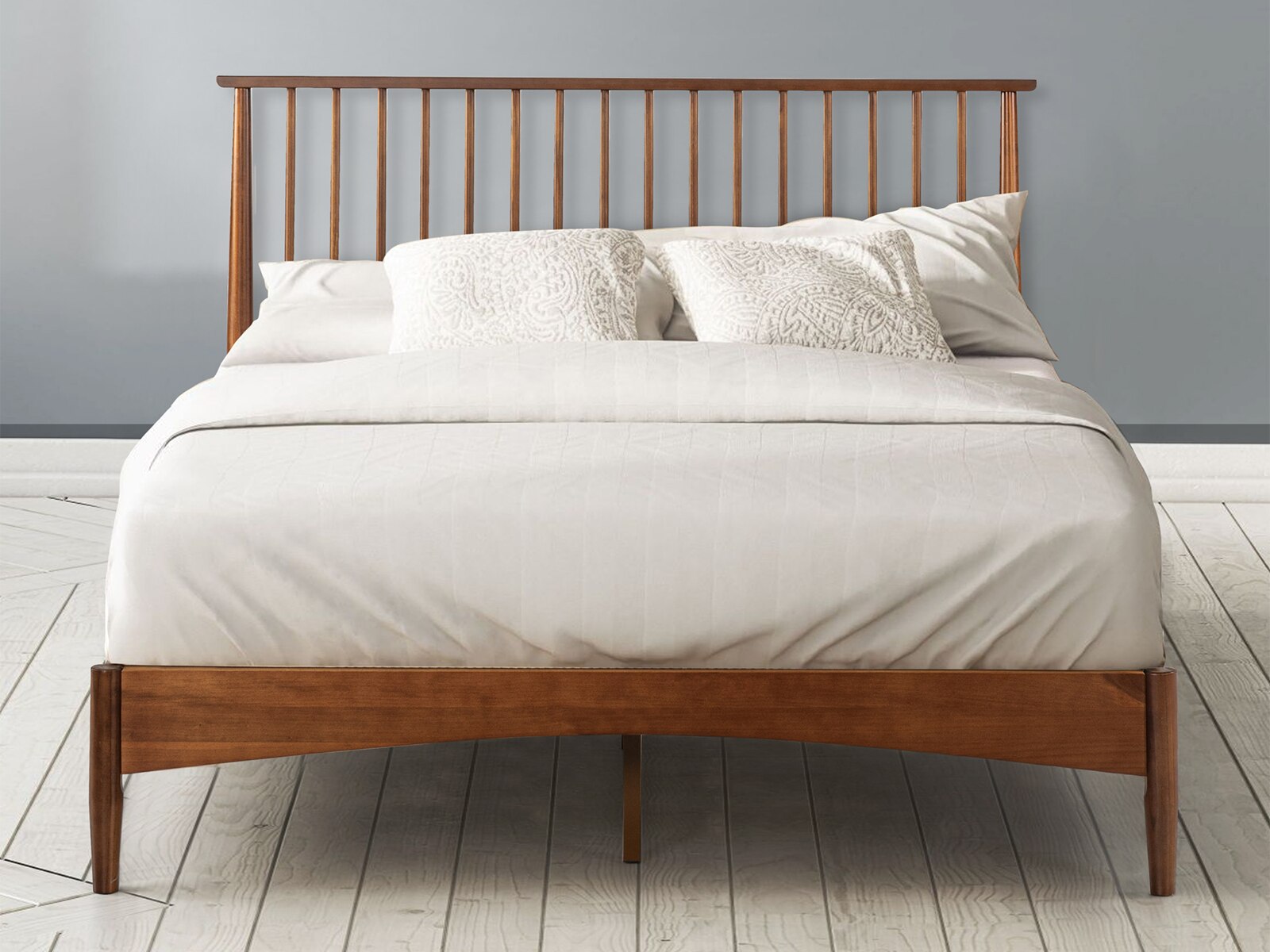
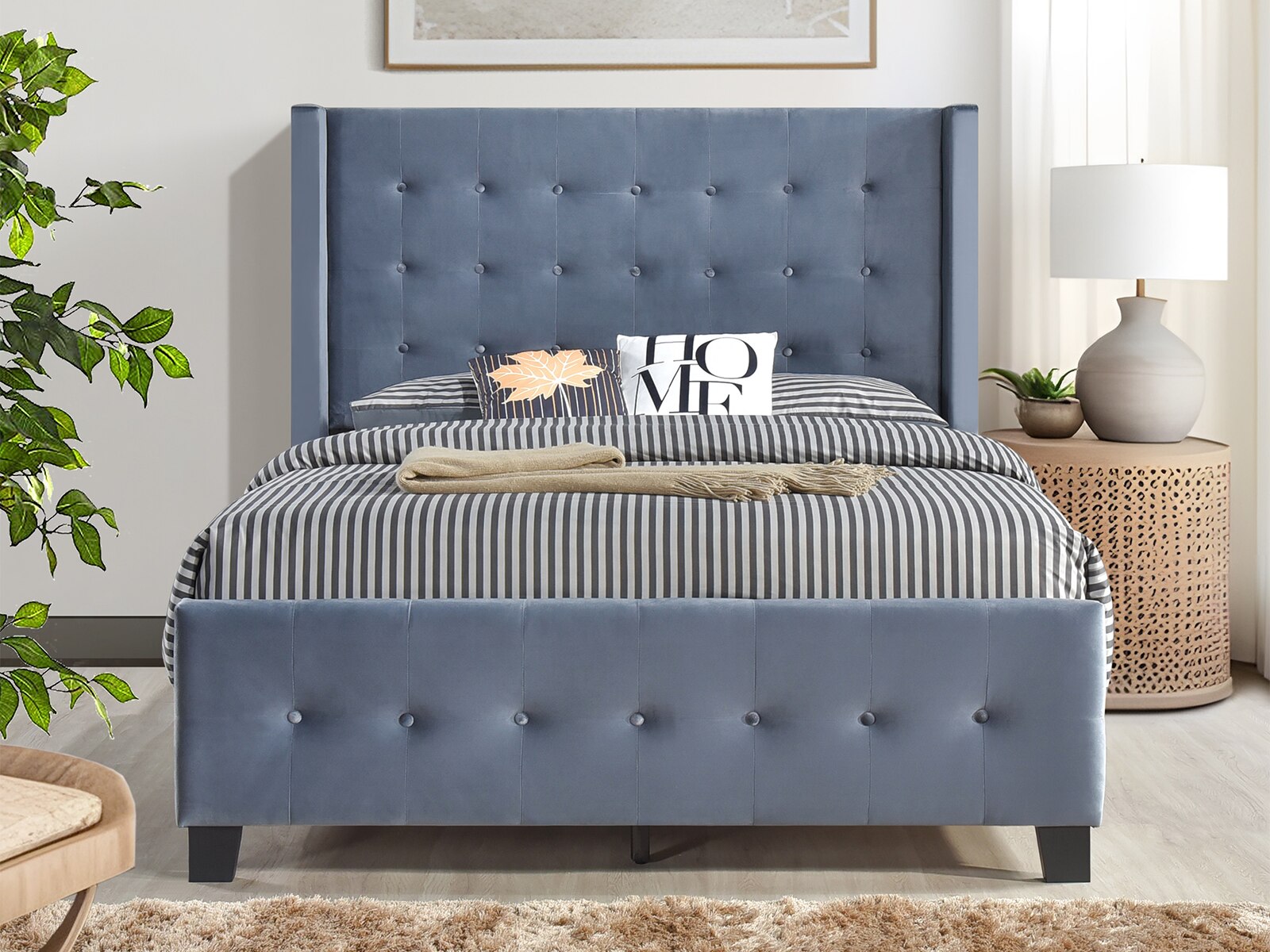
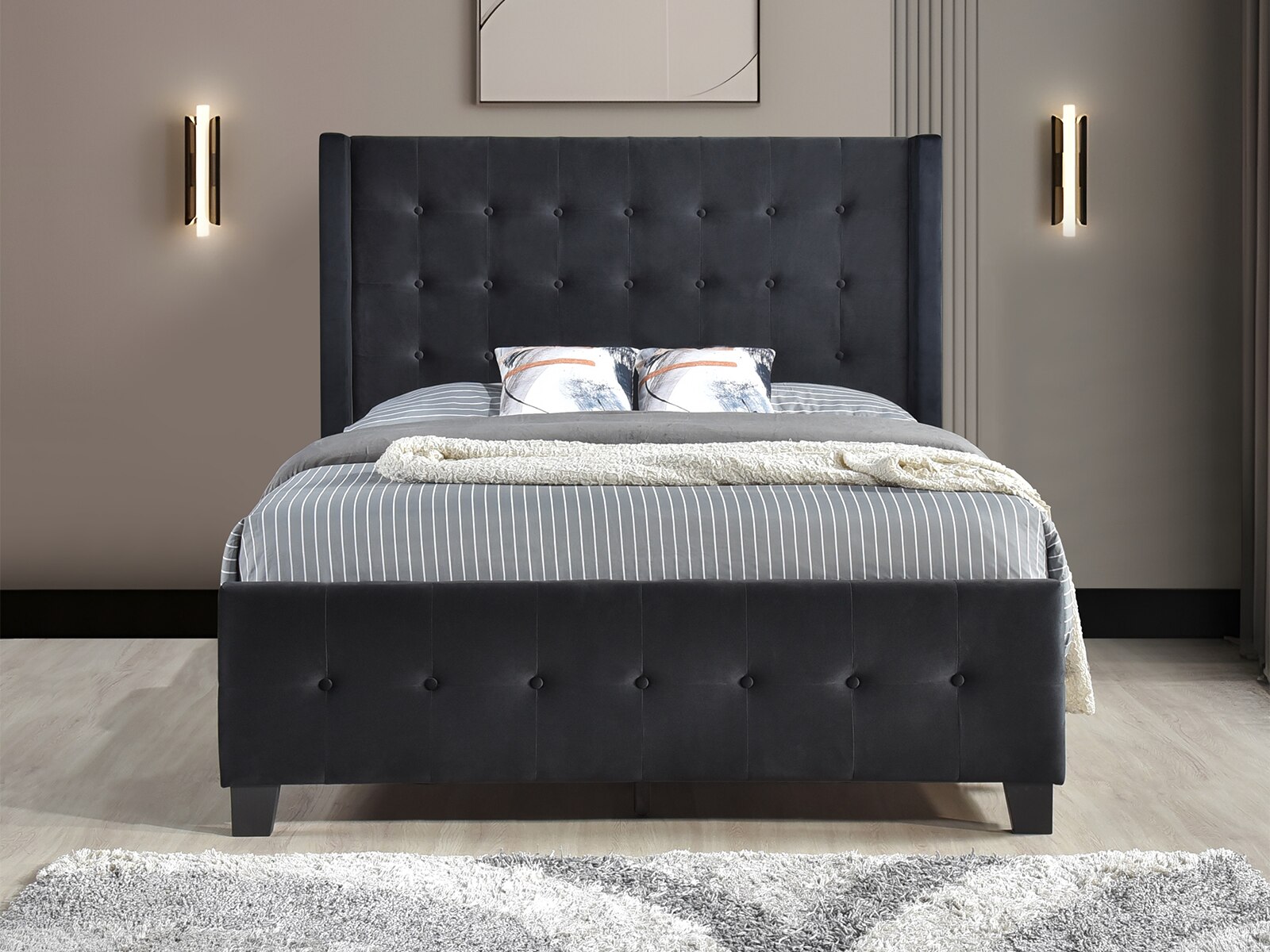
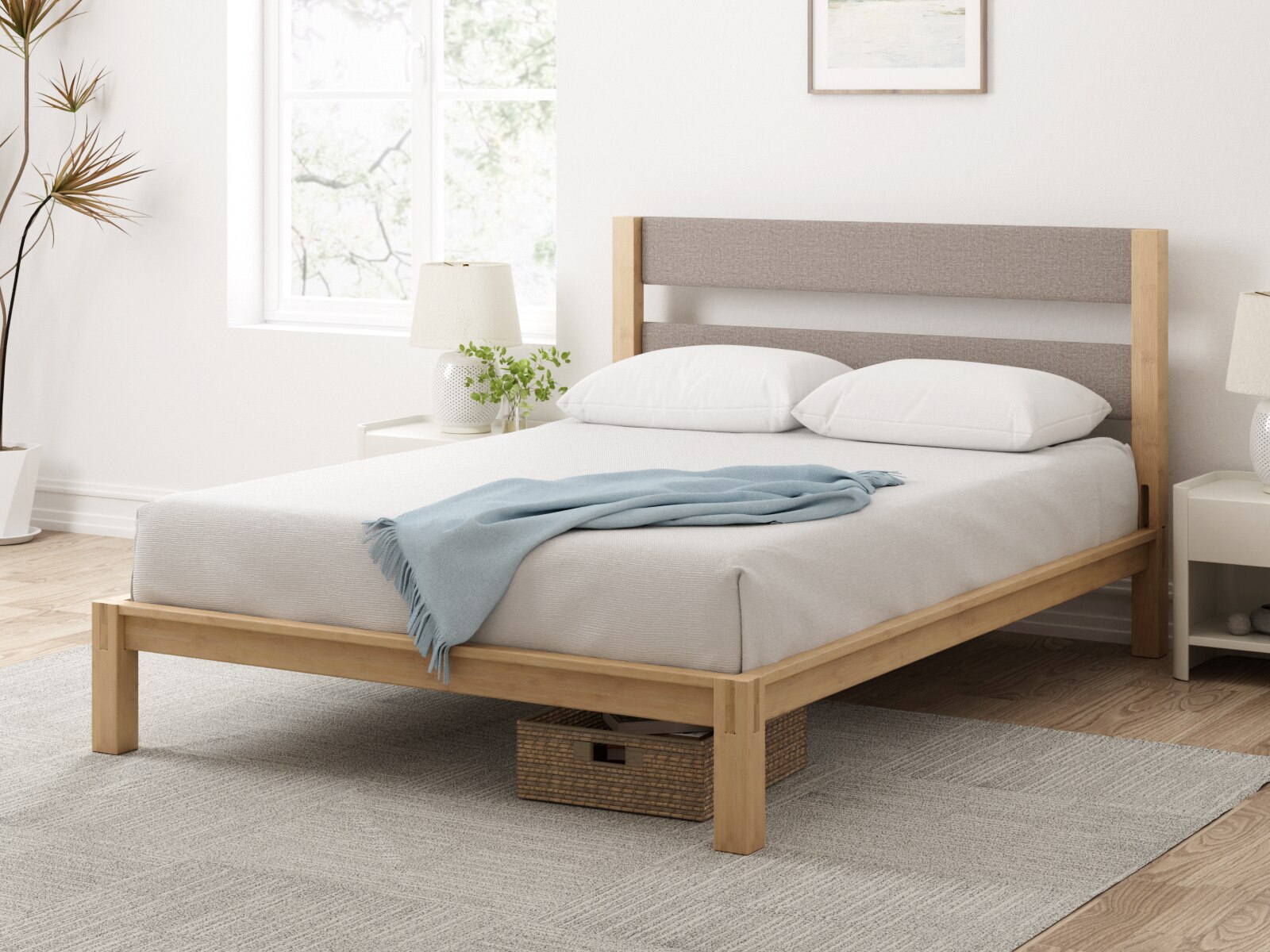
Beds for smart homes bring everyday sleep comfort together with technology that can make a bedroom easier to use. Depending on the design, smart beds and tech-integrated bed frames may include adjustable positioning, app-based controls, integrated charging, underbed lighting or sensors that track sleep patterns. These features serve different purposes: an adjustable base changes the position of the sleep surface, while connected controls may let a compatible bed respond to an app, voice command or programmed routine. A powered base is not automatically a connected device, and a charging port alone does not make a bed compatible with a home automation system. The most useful features are often the ones that fit an established routine. Someone who reads before turning out the light may appreciate a raised head position and a saved setting that returns the bed to flat. A person who keeps a phone nearby may find an accessible charging connection more practical than reaching behind a nightstand. Underbed lighting can provide a soft reference point for finding slippers without switching on an overhead fixture. For partners with different preferences, independently adjustable sides can support separate positions, provided the mattress and base configuration allow that movement. Controls matter just as much as the features they operate. Clearly marked buttons, an easy-to-hold remote and straightforward app navigation can make adjustments feel natural rather than adding another task to bedtime. A physical remote can also be useful when a phone is charging elsewhere or a wireless connection is interrupted, although offline operation varies by design. The goal is a bedroom that feels comfortable and familiar, with technology working quietly in the background. A bed that supports the way someone reads, rests and settles in can be a meaningful addition to a connected home without requiring every part of the room to operate through an app.
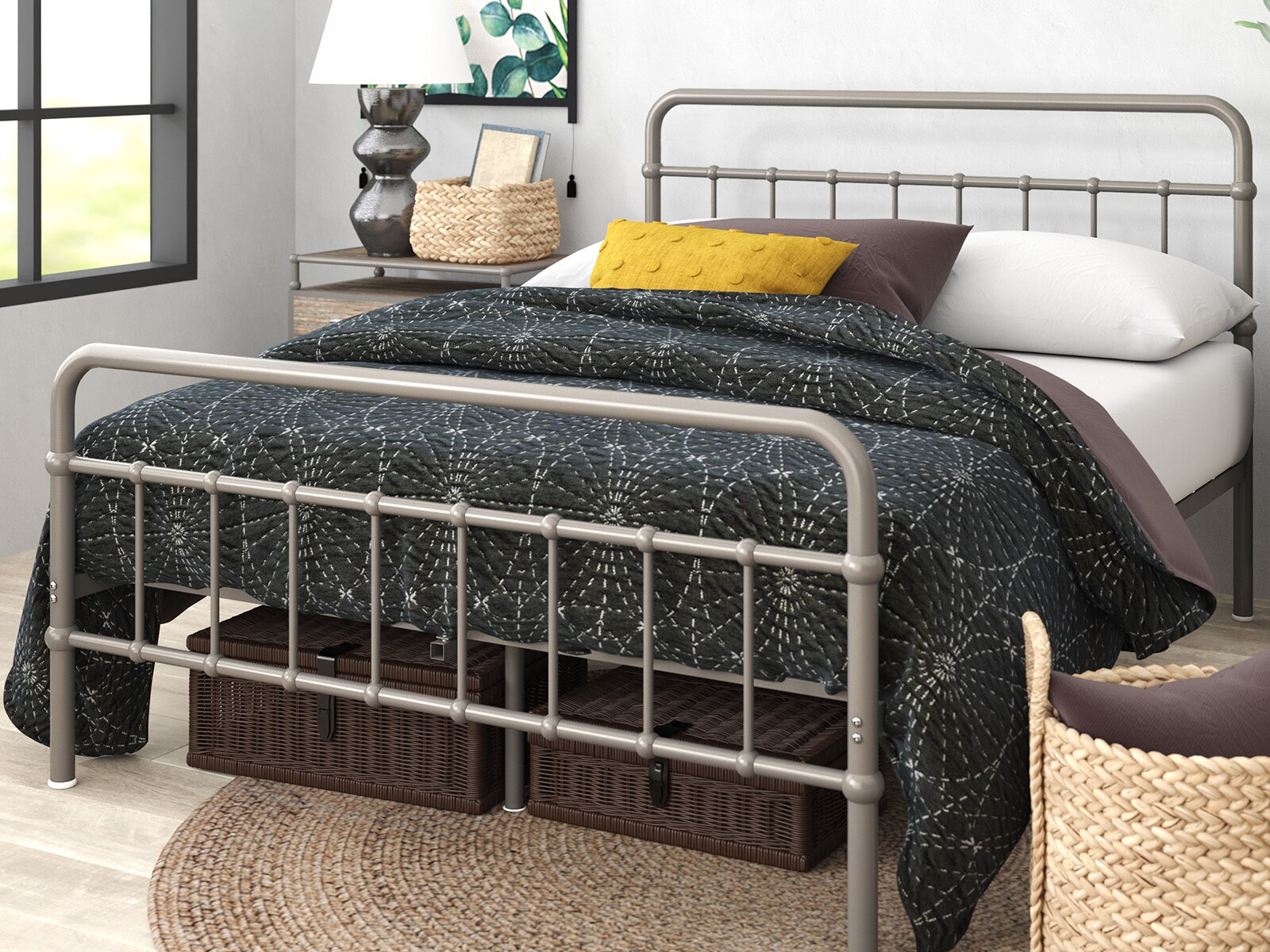
Comfort still starts with the mattress, its support system and the way both fit the sleeper. Foam, latex and hybrid mattresses can work with some adjustable bases, but compatibility depends on the mattress construction and the manufacturer’s requirements. A mattress needs enough flexibility to follow the base’s movement without being forced into positions it was not designed to hold. Memory foam is known for its contouring feel, latex typically offers a more buoyant response and hybrid construction combines comfort layers with a coil support system. None of those materials alone determines whether a mattress will work with a particular base or suit a particular sleeper. Firmness, cushioning, movement isolation and edge support remain important, especially for partners or anyone who sits along the edge while getting dressed. Fit also extends beyond the mattress dimensions. The combined height of the frame, base and mattress affects how easily someone can sit down, stand up or reach a bedside surface. A thick mattress on a tall foundation may feel very different from a lower-profile setup, even when both provide a similar sleep surface. Upholstered frames add a soft, finished appearance, while wood and metal frames offer different textures and construction details; whichever style surrounds the bed, its interior space and support arrangement must accommodate the powered components. Headboards, footboards, storage drawers and nearby furniture need enough clearance for the full range of movement. A split king setup typically uses two Twin XL mattresses, giving each side room to adjust independently, though bedding choices and the center separation deserve consideration. Fitted sheets need suitable pocket depth and enough flexibility to stay secure during adjustments. For a shared bedroom, these practical details can matter as much as connected features: the mattress should feel supportive when flat, the controls should be within reach and the surrounding space should remain easy to move through.
Long-term satisfaction with a smart bed depends on durable construction, manageable care and technology that remains useful after the initial setup. A stable frame, secure connections and clearly stated weight limits help establish whether a setup suits its intended use. Those limits may apply to the combined weight of the mattress and sleepers, so the manufacturer’s wording matters. Motors, moving joints and electrical components also have different care needs from upholstery or mattress fabric. Routine care generally means following the approved cleaning instructions, keeping liquids away from controls and power connections, and leaving moving parts unobstructed. Cords should be routed away from moving mechanisms and walking paths, with enough slack for the bed to adjust as intended. Children and pets need to remain clear of spaces where the base moves. Access to an appropriate outlet is worth considering alongside furniture placement, rather than treating power as an afterthought. Connected features bring another layer of ownership: app requirements, wireless compatibility, software support and privacy settings can influence how convenient a bed feels over time. Sleep-tracking features may offer useful patterns to discuss with a healthcare professional, but they are not a substitute for medical evaluation or a diagnosis. Understanding what information is collected, where it is stored and whether certain functions require a subscription helps set clear expectations. For someone furnishing a primary bedroom, creating a more flexible guest space or choosing a substantial household gift, personal preferences and setup requirements deserve as much attention as the technology itself. The related
Tech Smart Beds For Summer Bedrooms collection offers another way to explore this category. Across connected bedroom designs, the lasting value comes from the combination of dependable support, comfortable materials and features that have a clear place in daily life.