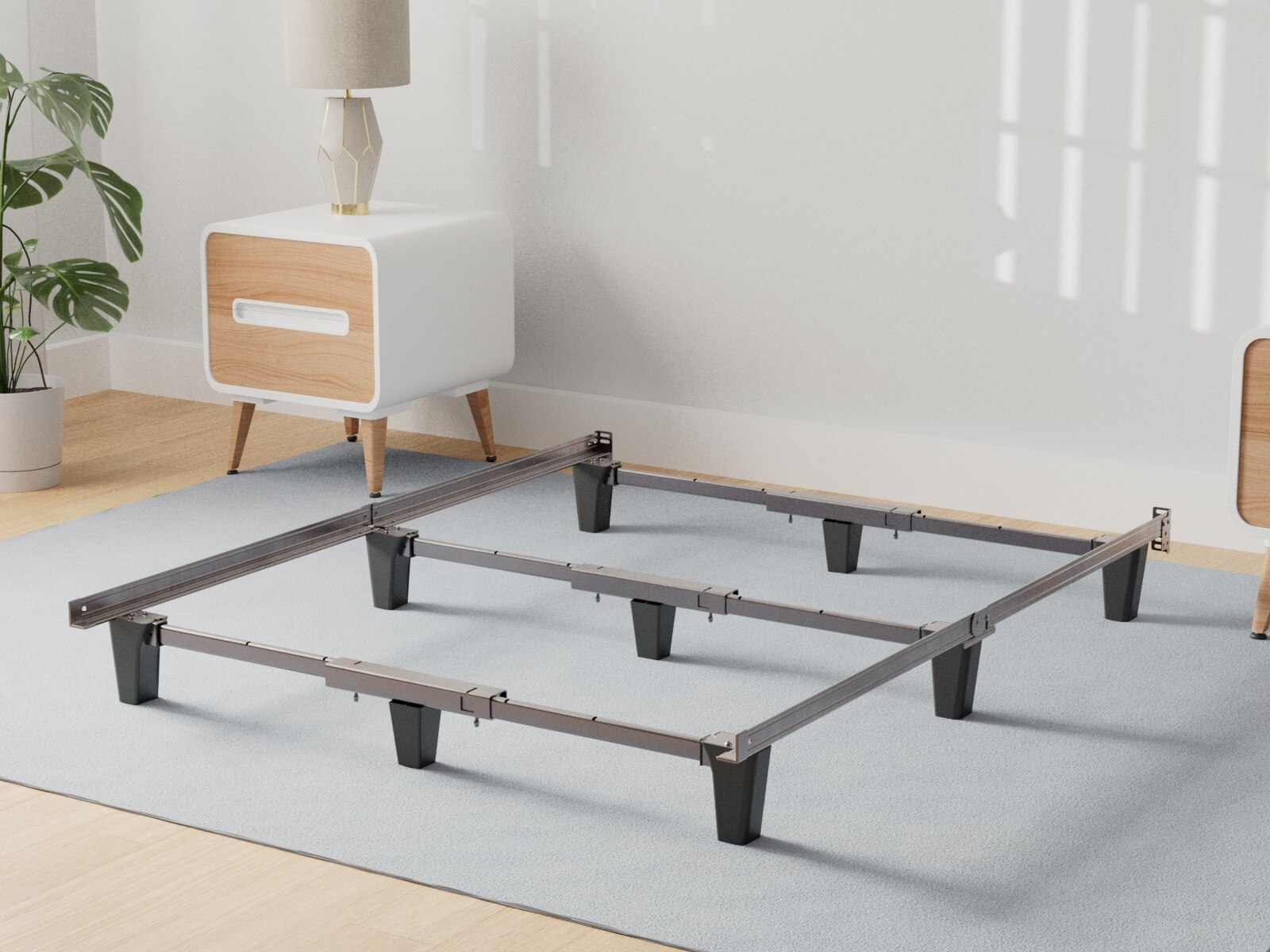
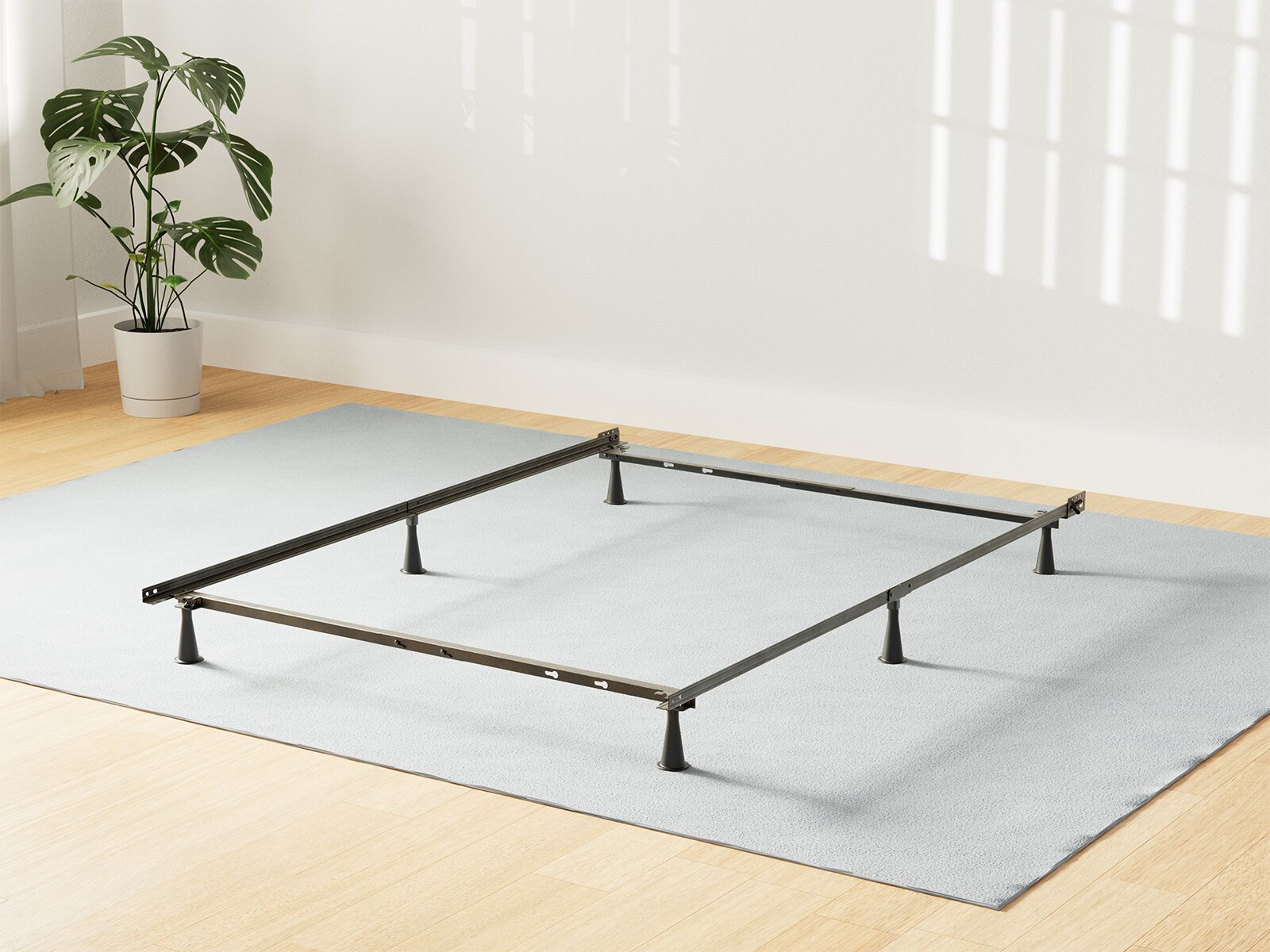
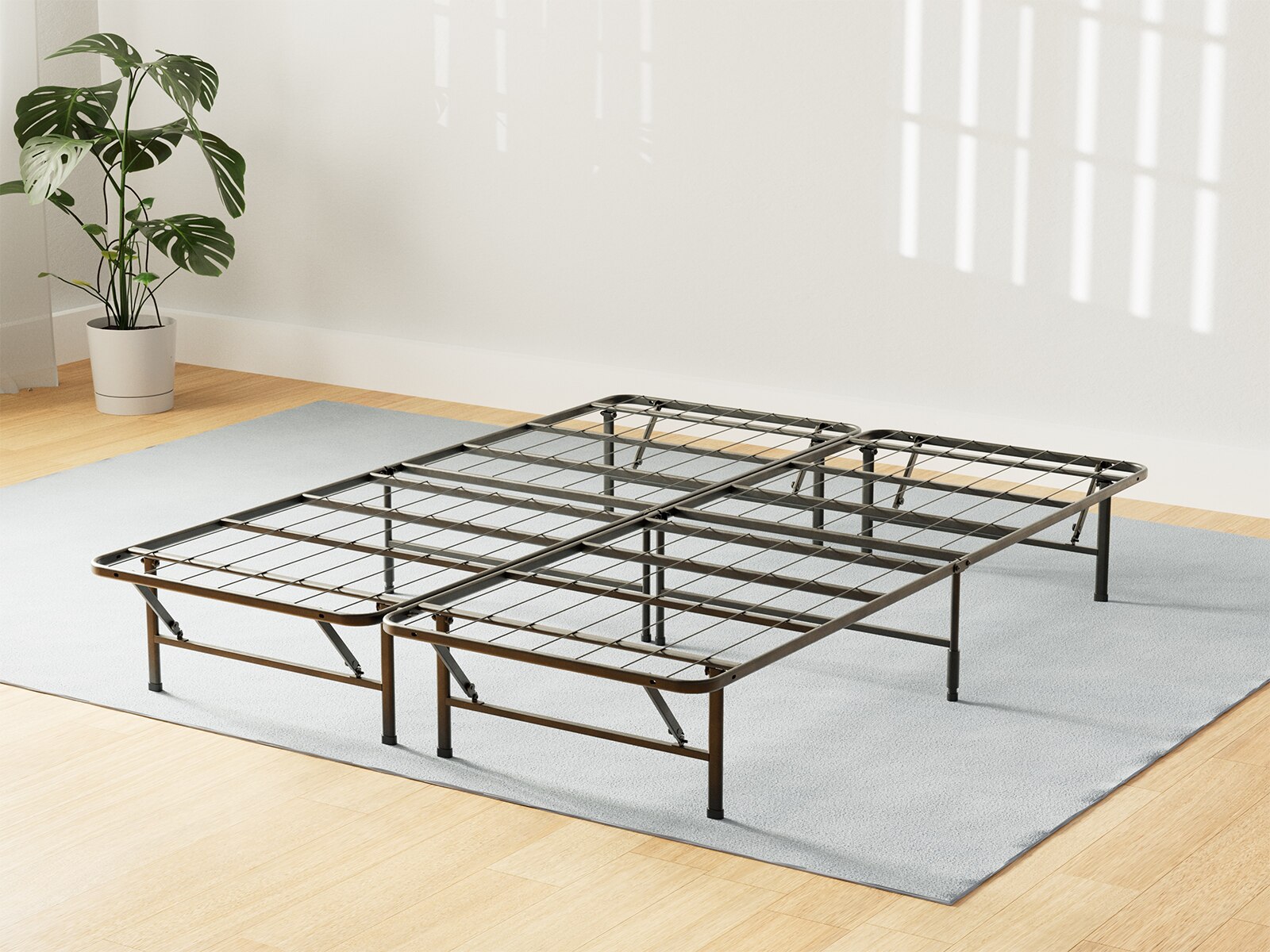
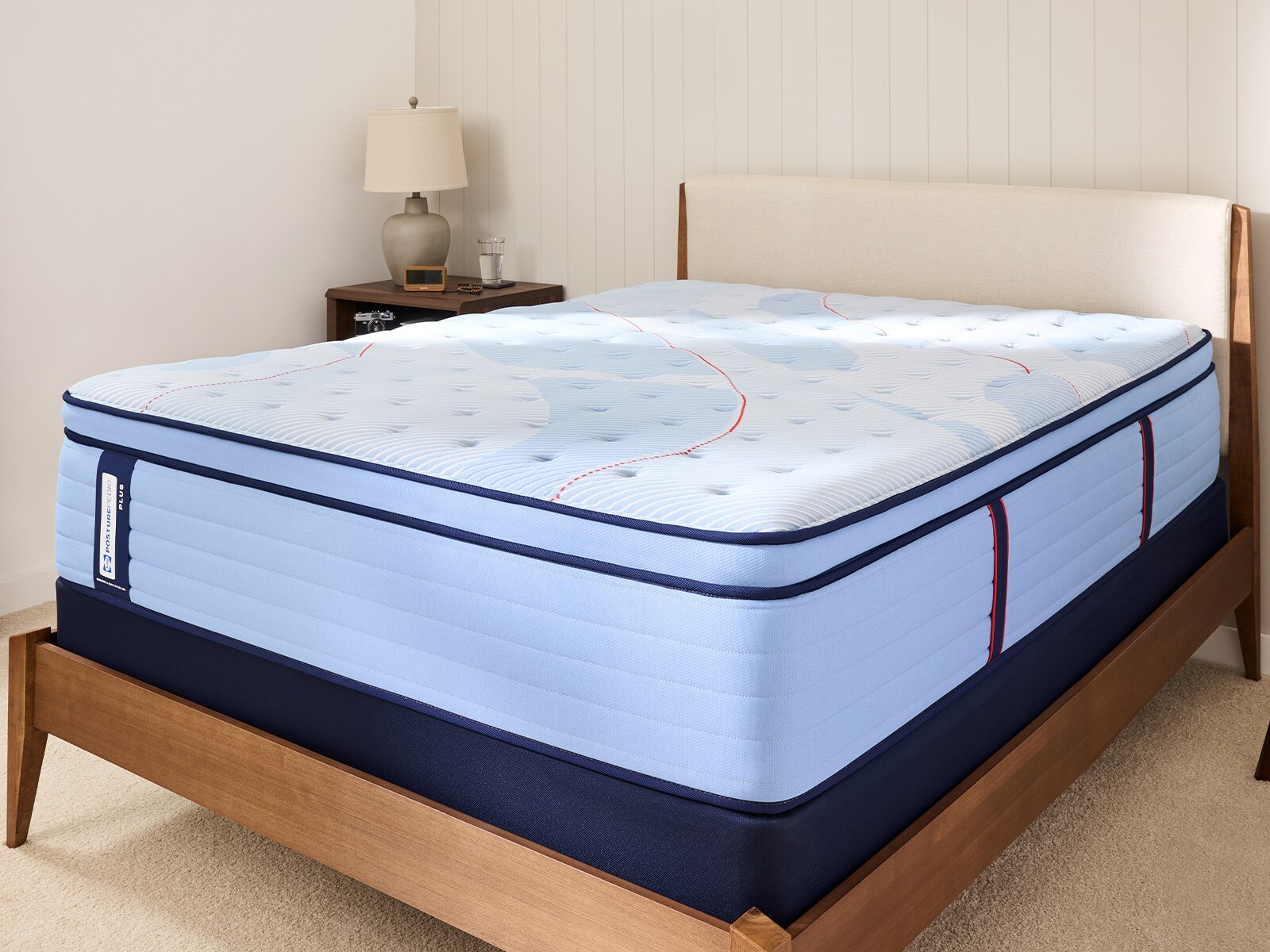
Beds with extra support legs use additional floor-reaching legs, often positioned beneath a center rail, to help distribute the weight of the mattress, foundation and sleepers across more points of contact. Instead of relying only on the corners of the frame, these designs provide support through the middle, where a wider mattress and its foundation may otherwise place more demand on the structure. Depending on the construction, extra legs may connect to a lengthwise center beam, cross rails or a reinforced platform. Their purpose is to help limit frame flex and support the components above them, not to change the firmness of the mattress itself. This distinction matters when choosing a bed for two sleepers, furnishing a frequently used guest room or replacing a frame that moves noticeably when someone turns over. A properly assembled frame with well-supported rails can create a steadier base, although extra legs alone cannot guarantee silence or prevent every cause of mattress sagging. Joint design, materials, hardware and the condition of the mattress all play a role. Steel frames often have a streamlined structure with welded or bolted connections, while wood frames may combine substantial side rails with a separate center support system. Upholstered beds can conceal similar structural elements behind fabric-covered rails, bringing a softer look to the room without making the supporting framework visible. The quality of those connections matters as much as the number of legs. A frame with securely joined rails and correctly positioned supports is more meaningful than a high leg count without a clearly stated construction or weight rating. For someone who notices movement while sitting down to put on shoes or feels the frame shift when a partner gets into bed, the combination of reinforced rails and additional floor contact is worth considering. Stability comes from the complete structure working together, with the frame suited to its intended mattress setup and each support leg resting as designed.
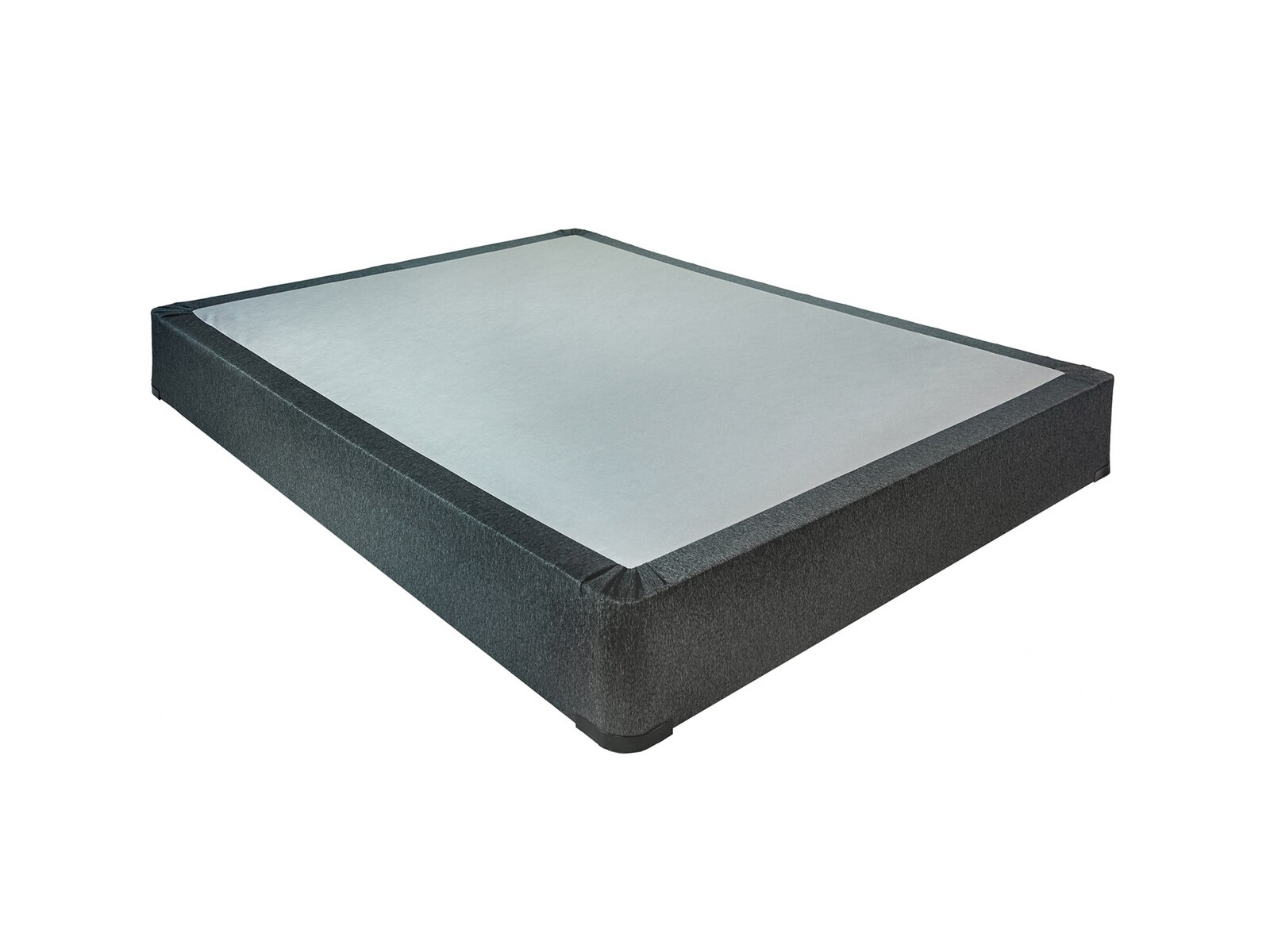
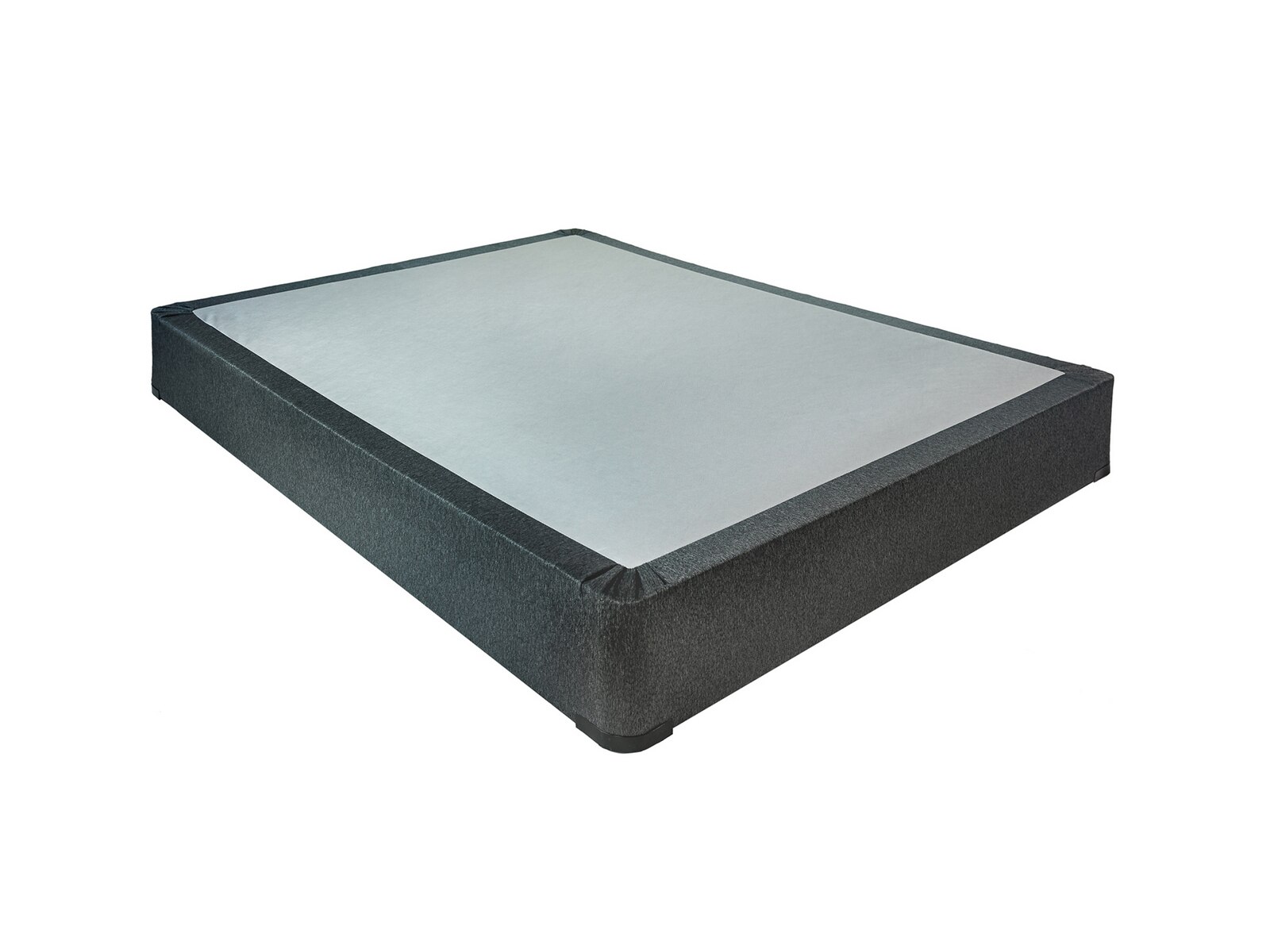
The right fit begins with the relationship between the frame, the mattress and any required foundation. Matching the named size is essential, but the frame’s listed dimensions also matter, particularly when a headboard, footboard or upholstered surround adds to its footprint. A queen mattress needs a frame designed for a queen, and a king and a California King require their own corresponding dimensions rather than being treated as interchangeable. Larger sizes often have more extensive center support, but requirements vary by frame construction and mattress manufacturer. Some platform beds support a compatible mattress directly on slats or a solid deck, while other frames require a separate foundation. Extra support legs do not replace the need for properly spaced slats, an appropriate foundation or any center support specified in the mattress warranty. For a foam or hybrid mattress, the width and spacing of the supporting slats can be especially important; the mattress manufacturer’s requirements are the best reference. Anyone comparing broader structural options can also explore
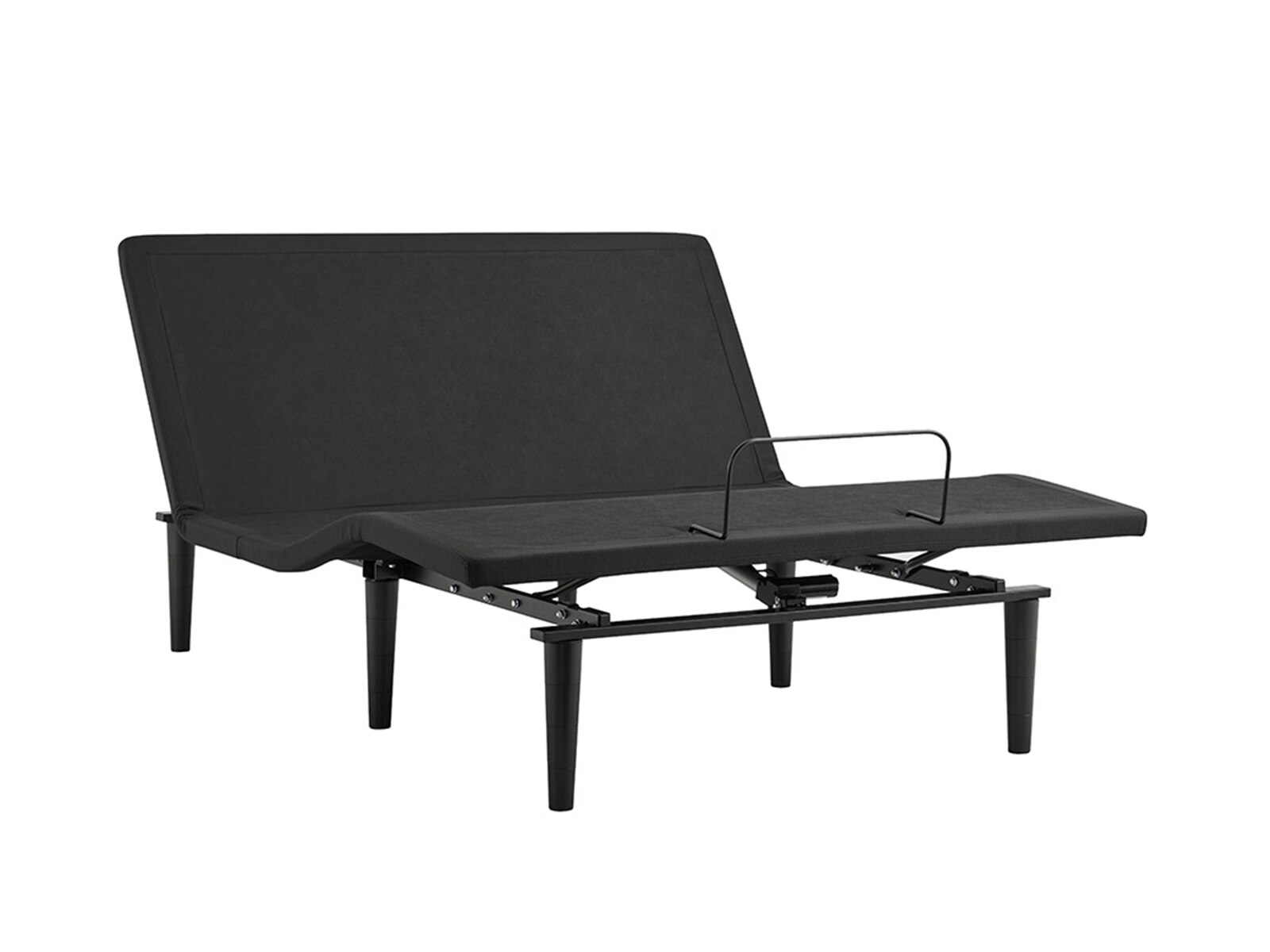
Bed Frames With Support while considering how the entire base will work together. Weight capacity deserves the same attention as dimensions. The stated limit may account for the combined weight of sleepers, the mattress and a foundation, so the manufacturer’s definition matters more than an assumption based on appearance. Adjustable bases need separate consideration because they have their own moving components and support requirements; compatibility with a decorative frame should be confirmed rather than inferred from its size. Bed height affects everyday use, too. A tall mattress on a raised frame can create a very different sitting height from a thinner mattress on a low platform. The space beneath the bed also changes when center legs occupy an area that might otherwise hold storage bins. Leaving room around those supports helps preserve their intended placement and makes it easier to clean underneath without knocking them out of alignment.
Materials, assembly and routine care influence how well a bed with extra support legs holds up to everyday use. Wood can bring visible grain and a substantial furniture feel, while metal can provide a more open profile; neither material automatically makes a frame stronger without sound construction. Fabric-covered rails add texture, but they also introduce another surface to maintain alongside the structural parts. A tightly woven upholstery fabric may need gentle vacuuming according to its care instructions, while wood and metal generally benefit from dust removal and cleaning methods suited to their finishes. Beneath those visible surfaces, secure hardware and consistent floor contact help the support system do its job. Each leg should be installed in its designated position, and any adjustable feet should be set according to the manufacturer’s directions. On an uneven floor, a center leg that does not reach the surface cannot provide its intended support, while incorrect adjustment can affect how the frame sits. Floor protectors should be compatible with the frame and flooring without introducing wobble or changing the support height unexpectedly. Improvised blocks or mismatched risers can interfere with the way weight travels through the frame. After assembly or a move, checking that rails remain aligned and fasteners are secure can help identify small changes before they become more noticeable. A new creak may come from a loose connection, contact between components or another part of the bed, so adding legs is not a universal remedy. For daily use, these beds make the most sense when their support layout, stated capacity and mattress compatibility match the household’s needs. In a primary bedroom, that might mean a reinforced center structure beneath a shared mattress. In a guest room, it may mean a straightforward frame that stays stable through repeated use and is easy to inspect between visits. The most useful extra support is thoughtfully integrated, properly installed and suited to the complete bed—not simply added in greater numbers.