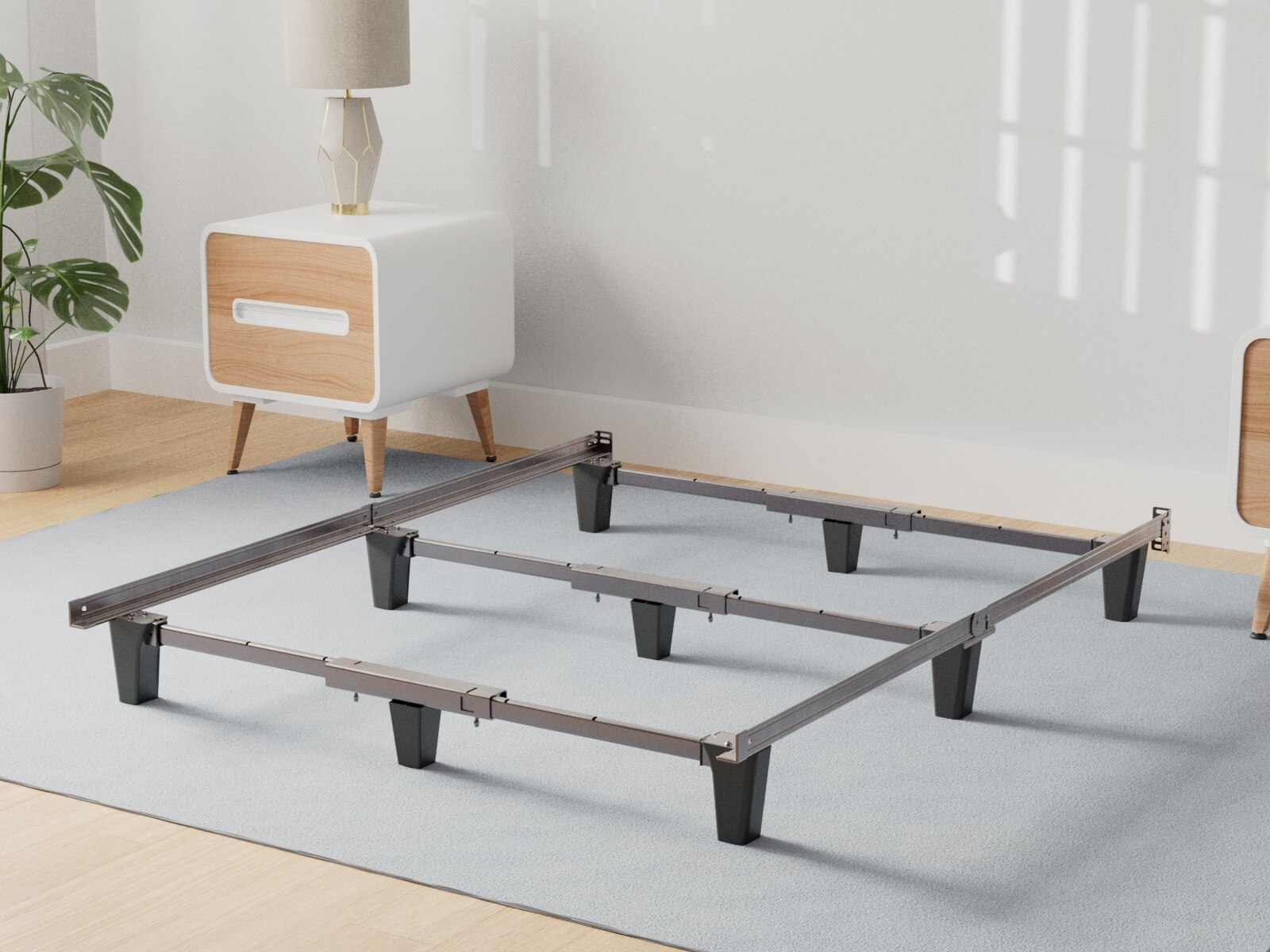
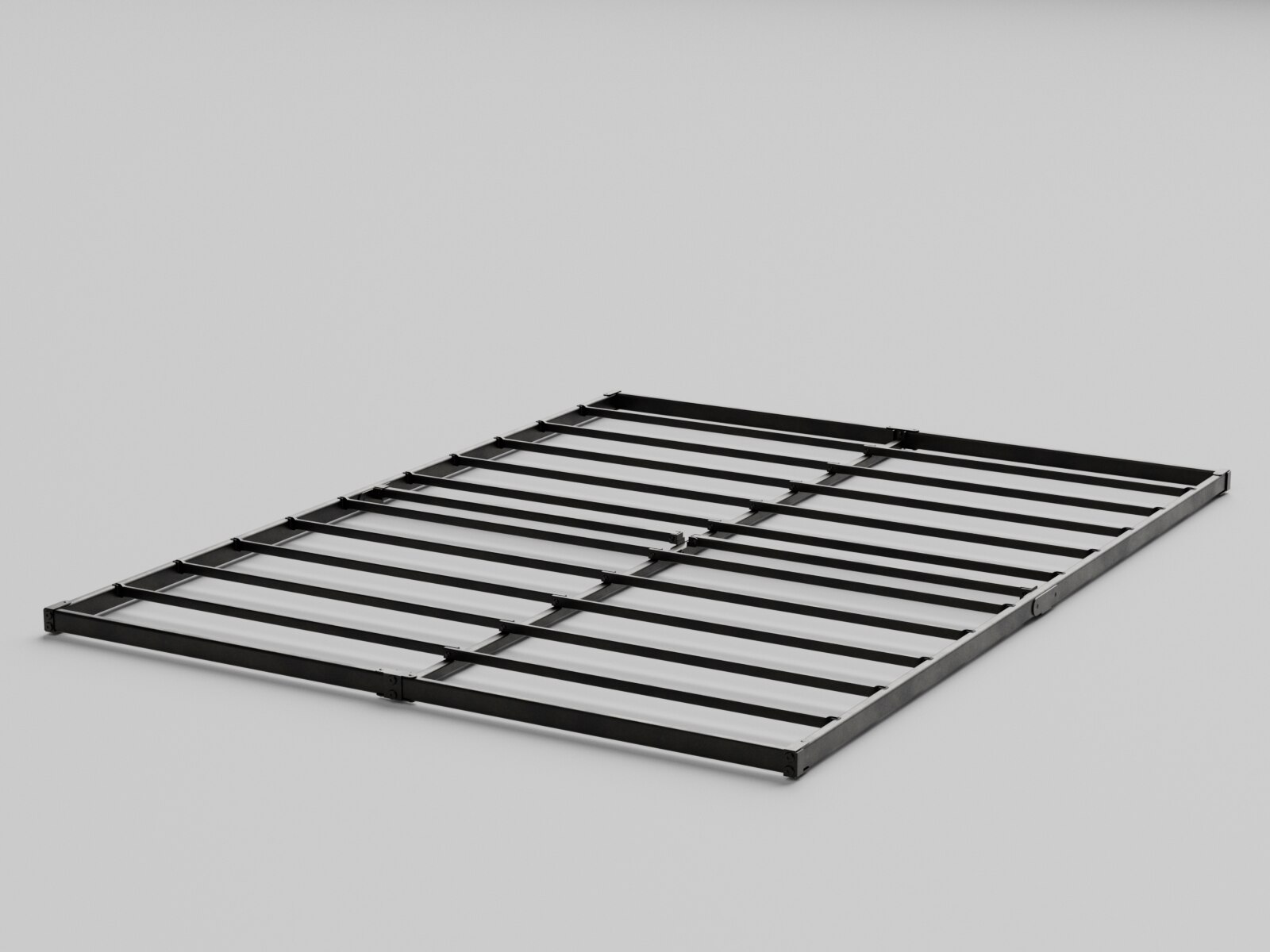
Steel bed supports reinforce a compatible bed frame by helping carry the weight of a mattress, its foundation and the people sleeping on it. Depending on their design and the bed manufacturer’s requirements, they may replace wooden slats, reinforce a center rail or add floor-reaching support beneath a foundation. Their purpose is to create a stable load path through the bed’s structure, rather than leaving the side rails to carry more weight than intended. A center rail running from the head of the bed toward the foot, for example, can help support the middle of a wider foundation when paired with properly positioned legs. Crossbars extend across the frame to provide support at designated points. These components can help limit excessive flexing, shifting and some noises associated with movement, although a loose headboard or damaged frame may need separate attention. Steel offers strength and rigidity, making it useful where a bed needs reinforcement without bulky structural pieces. The thickness, shape, connections and finish of the steel all affect how a support performs; material alone does not establish its weight capacity. Full, queen, king and California King beds may have different center-support requirements, so mattress size is only one part of finding a suitable fit. This type of reinforcement can be useful in a primary bedroom, a frequently used guest room or a bed being set up after a move, provided the existing frame is sound and compatible. A decorative wooden bed may still have a sturdy headboard and side rails while needing an approved replacement for a worn support component. Steel reinforcement addresses the structure underneath the sleep surface, not the comfort layers above it. It cannot restore a mattress that has already developed lasting impressions or repair cracked wood, bent hardware or failed joints elsewhere in the bed.
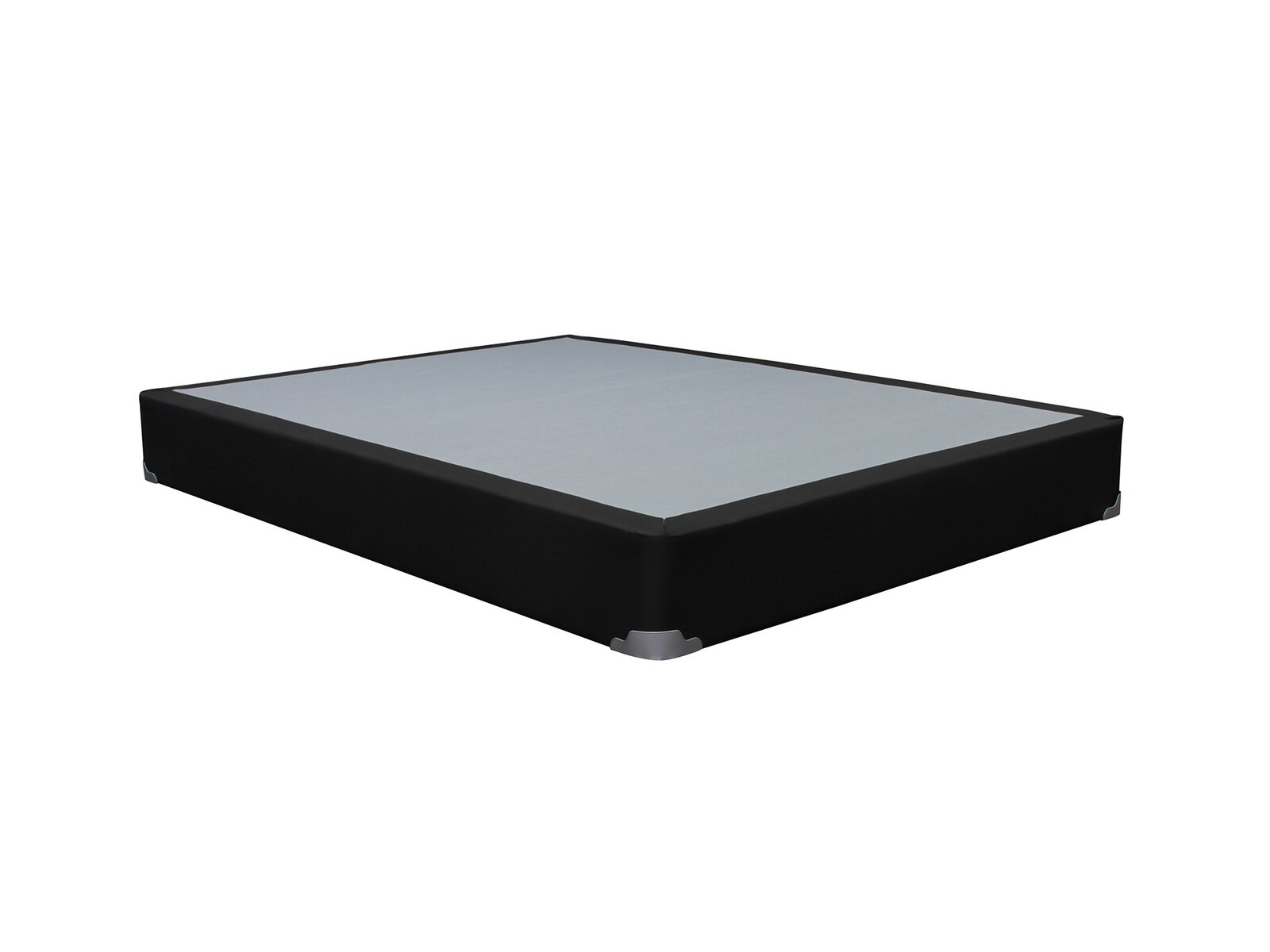
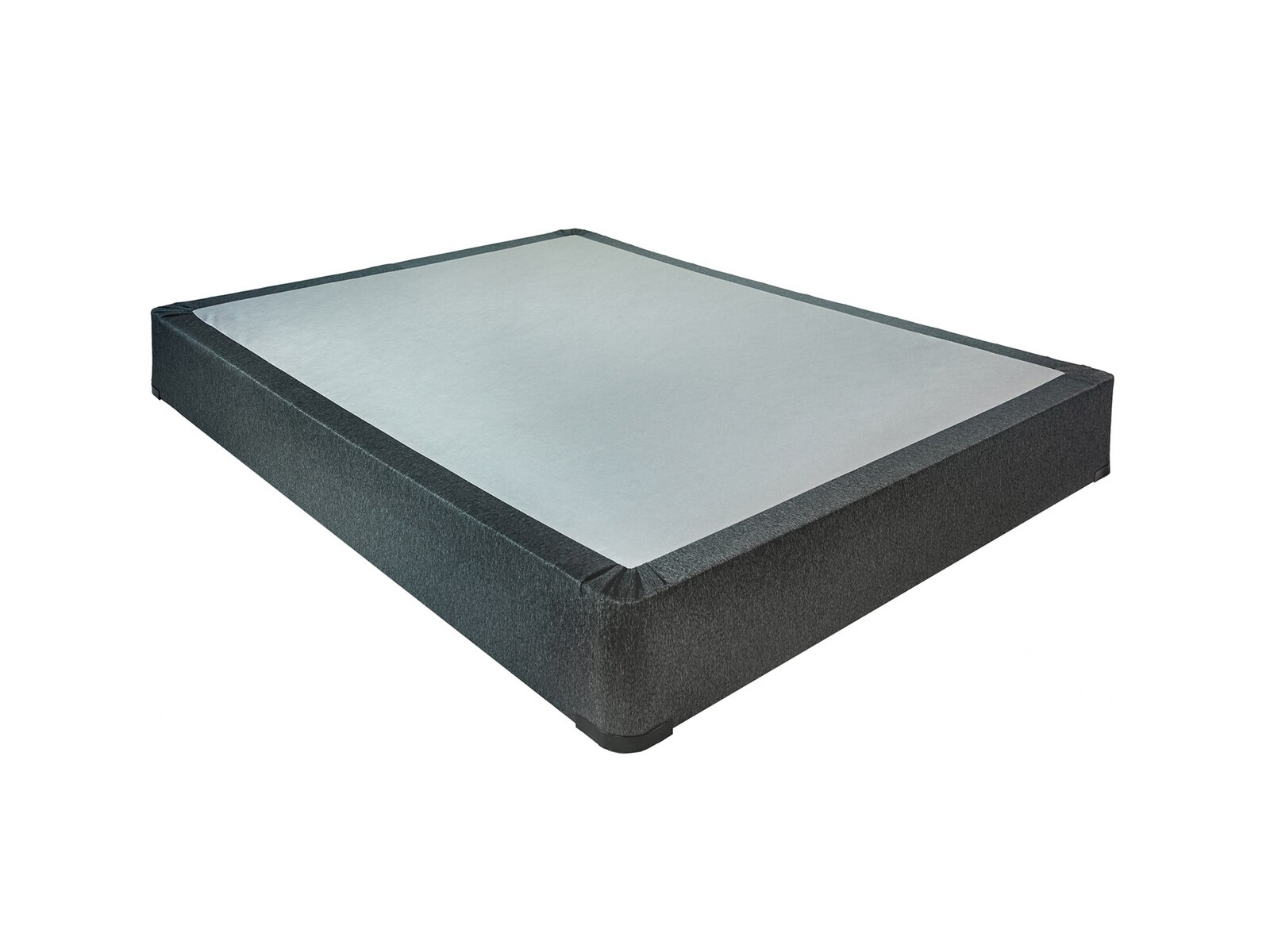
Fit depends on more than whether a support is labeled for the same mattress size. The inside distance between the bed’s side rails, the length of the frame and the height from the support attachment point to the floor all matter. Two queen beds can have different interior dimensions or mounting arrangements, especially when one has thick wooden rails and another uses a metal perimeter frame. Attachment methods also vary: a support may need to rest on an existing ledge, connect to compatible brackets or fasten at locations specified by the manufacturer. Matching those details helps avoid a crossbar that sits unevenly or a center leg that cannot reach the floor correctly. Adjustable components can accommodate a range of dimensions, but they still have minimum and maximum settings and must be secured as directed. Floor-reaching legs should make firm contact without lifting the surrounding frame out of position. On carpet, account for the surface beneath the leg rather than assuming the visible carpet height provides a firm base. On hard flooring, compatible protective feet can help reduce direct metal contact and unwanted sliding. The support layout must also suit the mattress and foundation combination. A few steel crossbars intended to carry a box spring or foundation are not automatically an appropriate surface for a mattress placed directly on top. Foam, hybrid and innerspring mattresses can have different requirements for slat spacing, center support and foundation construction. Following those requirements helps maintain proper support and may be necessary for warranty coverage. Weight ratings deserve the same attention: confirm whether a stated capacity includes the mattress and foundation as well as sleepers, and do not assume that adding a reinforcing rail increases the frame’s approved capacity. Adjustable bases generally have their own support structures and clearance needs, so extra rails should not be added unless the base and bed manufacturers permit that arrangement. Compatibility across the whole setup matters more than the strength of any single component.
Durability comes from both sound construction and correct installation. Secure connections help steel rails and legs work together, while a suitable protective finish helps shield the metal from everyday wear. Welds, fasteners and adjustment points should remain intact, with no bending, cracking or persistent looseness. During assembly, follow the manufacturer’s directions for orientation, hardware placement and tightening, keeping the frame square and the supports level. A leg that is positioned at an angle or a bracket attached to damaged wood can undermine an otherwise sturdy setup. After a move or disassembly, check the connections again before putting the bed back into regular use. Dragging an assembled bed can strain mounting points or shift a support leg, so handling it according to the manufacturer’s instructions helps protect both the structure and the floor. Routine care is usually straightforward: remove dust with a soft cloth, address spills promptly and use only cleaning methods appropriate for the finish. Avoid leaving moisture around joints or using abrasive cleaners that could damage a coating. Occasional checks are especially useful when a bed develops a new squeak, feels uneven or begins to shift during ordinary movement. Those changes can signal a loose fastener, a displaced leg or wear in another part of the frame; they do not necessarily mean the mattress is the source of the problem. For a bed with widespread structural wear, replacement may be more appropriate than adding reinforcement. Exploring
bed frames with support can be useful when the existing frame no longer provides a reliable starting point. Whether the goal is to preserve a well-built wooden bed or establish dependable support in a newly arranged bedroom, the strongest setup is one in which the mattress, foundation, frame and reinforcing components are designed to work together. Properly matched steel bed supports help provide that stable structure without changing the visible character of the room.