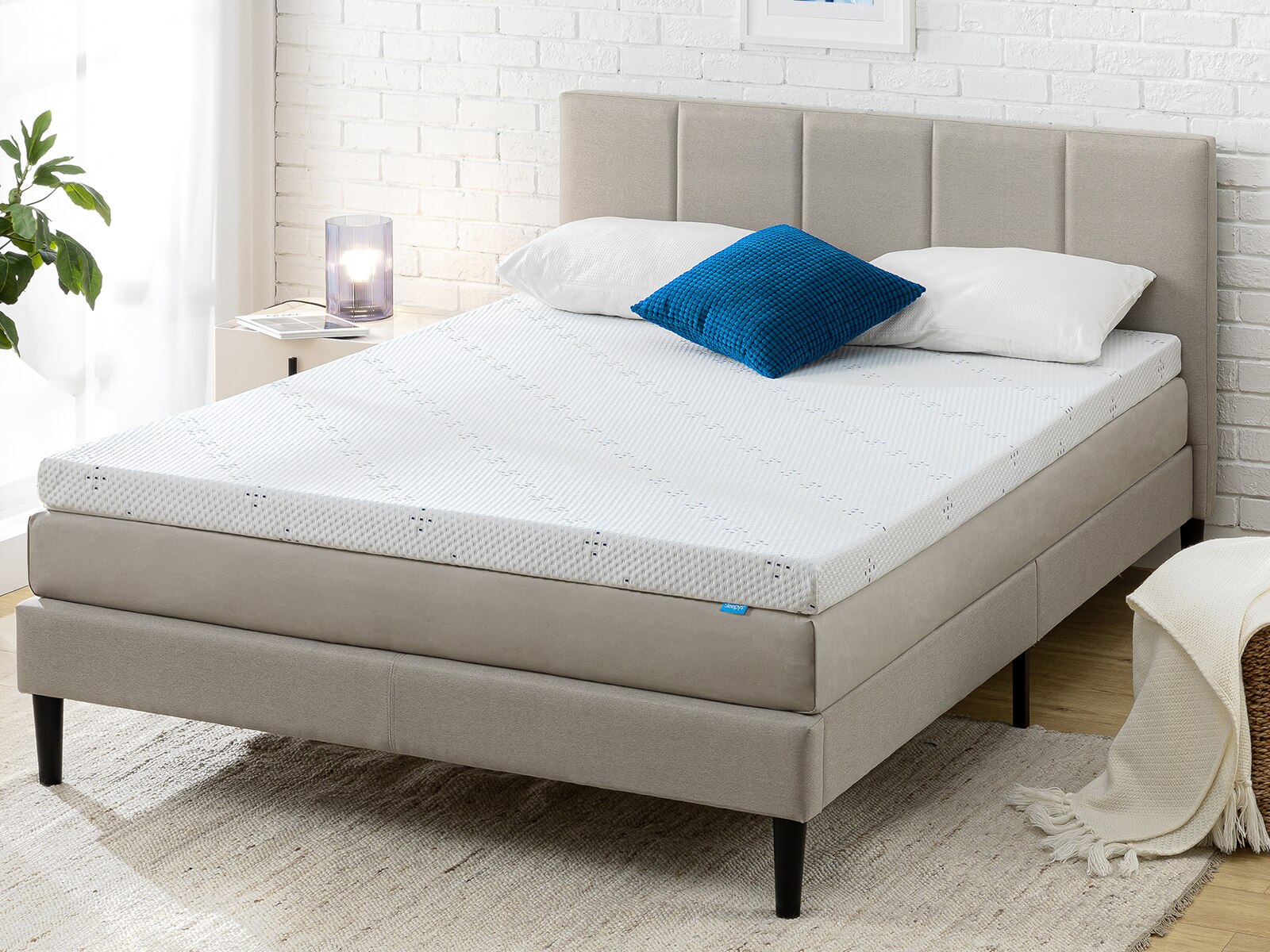
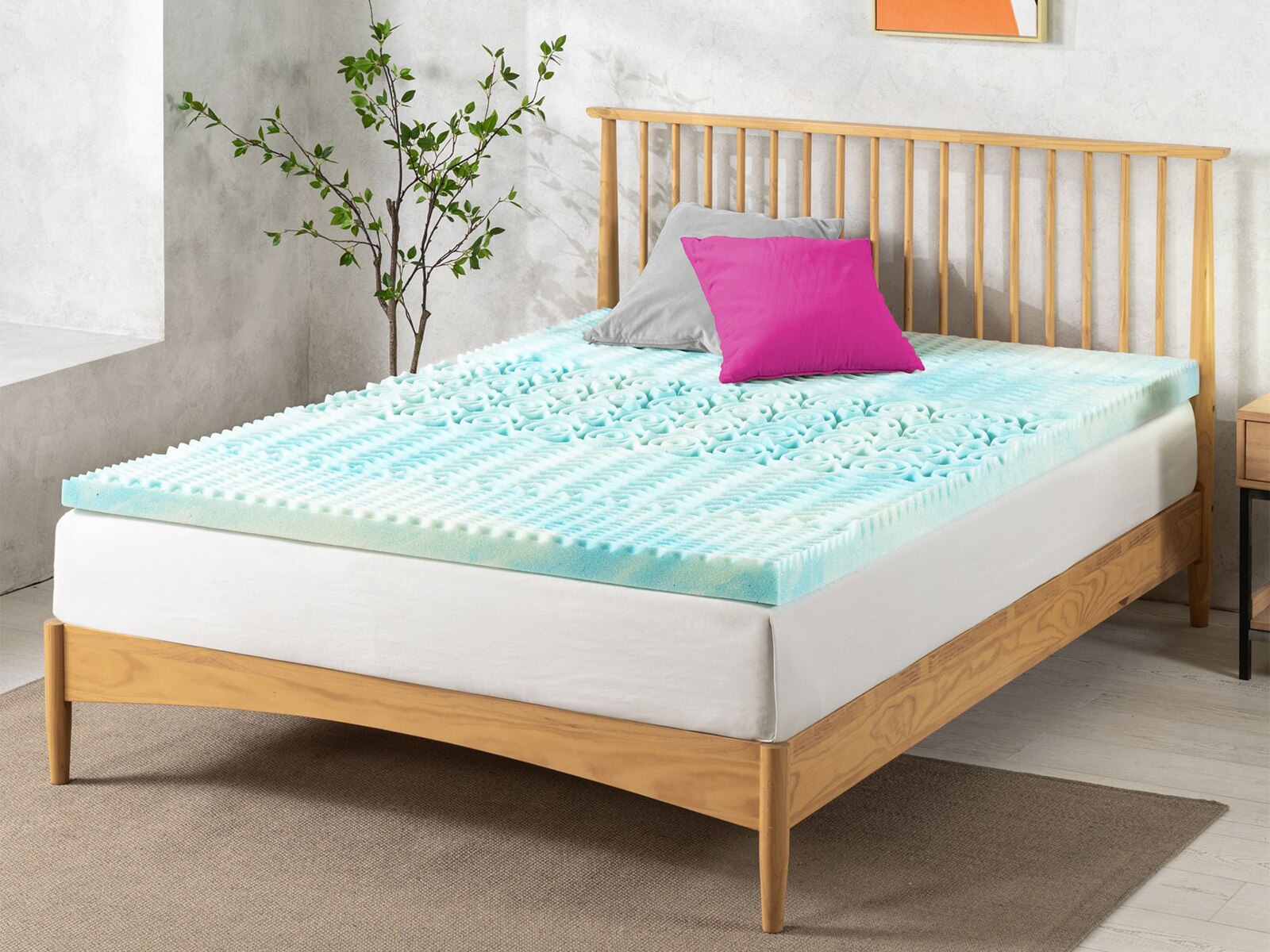
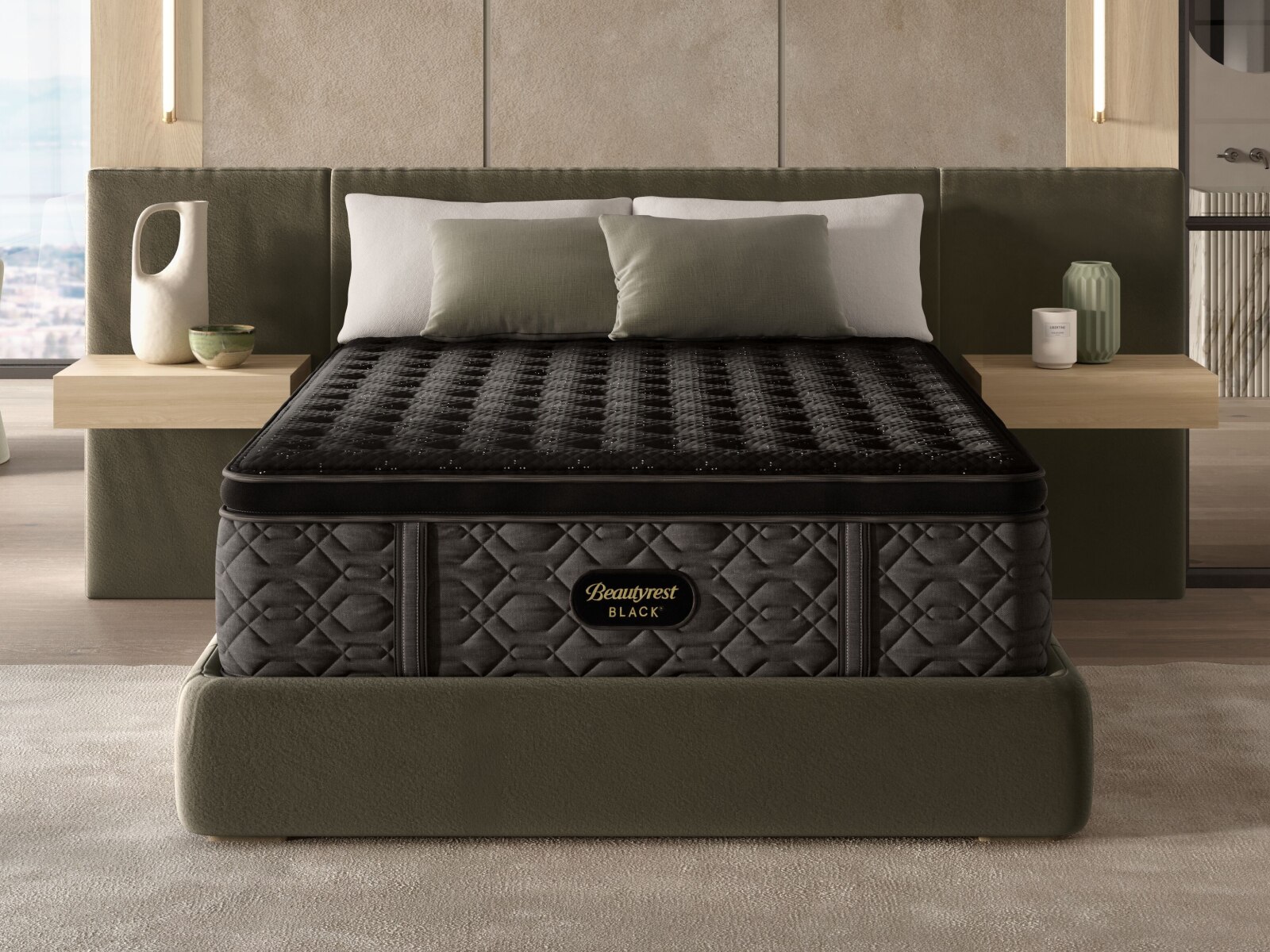
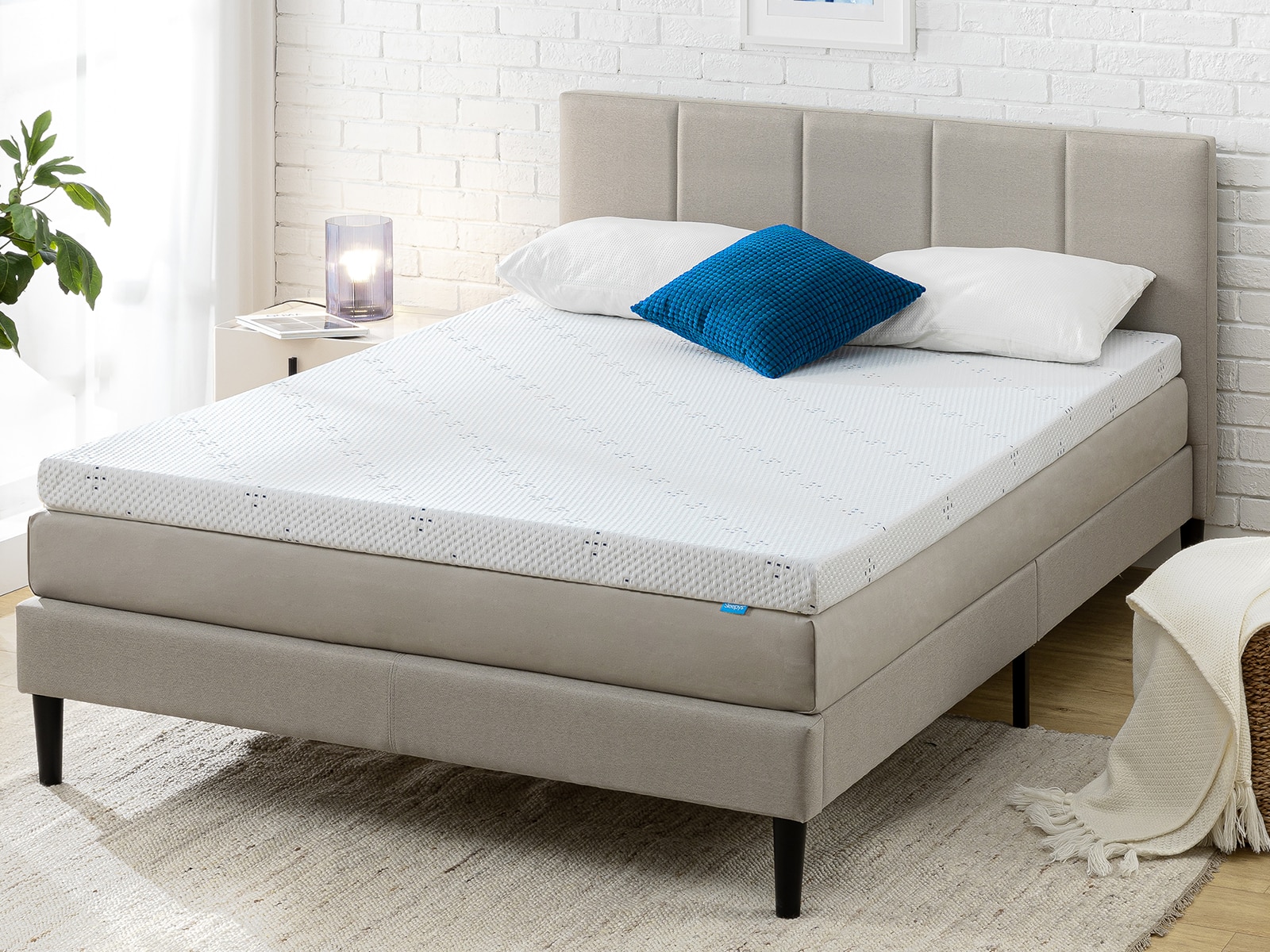
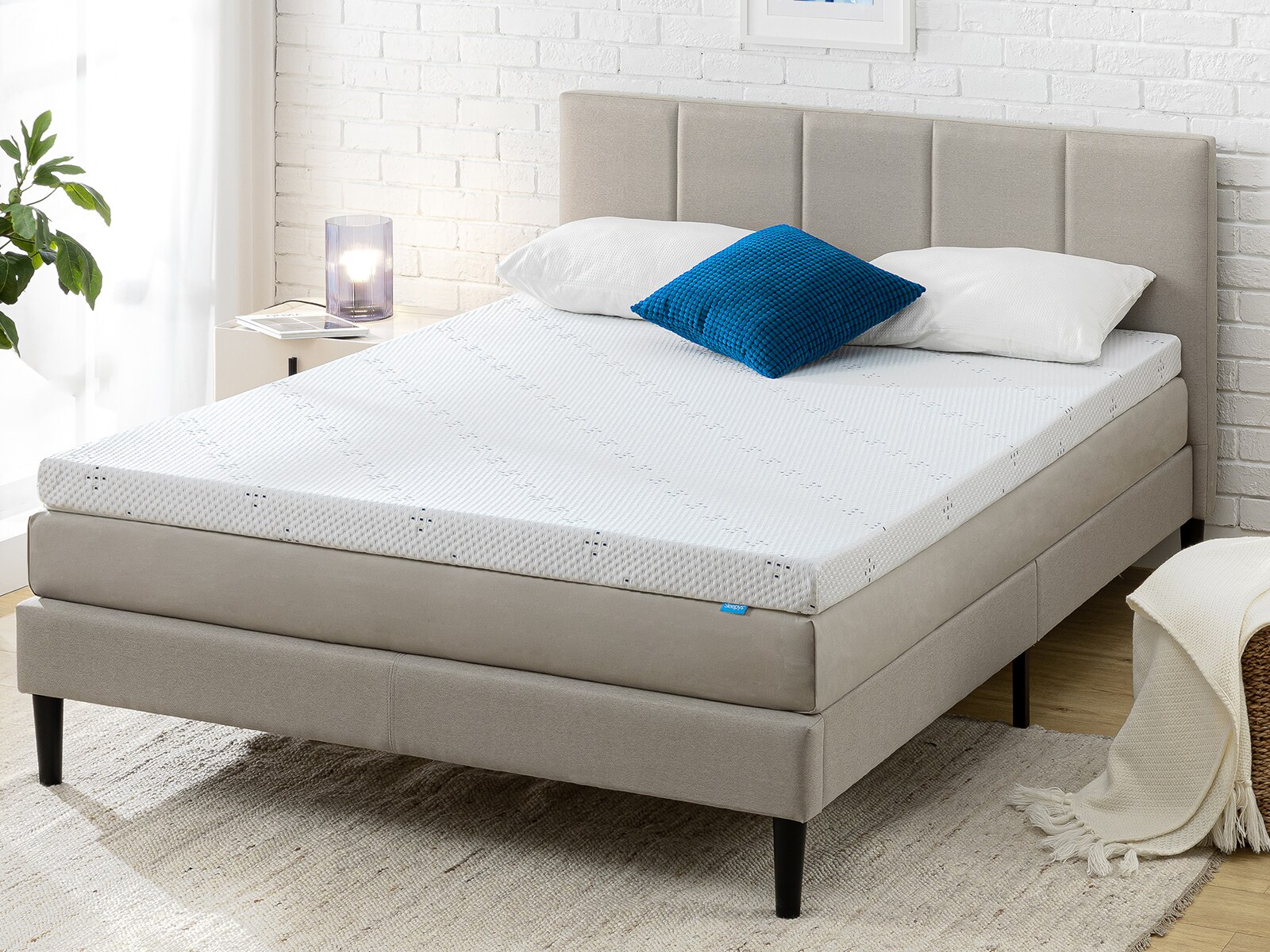
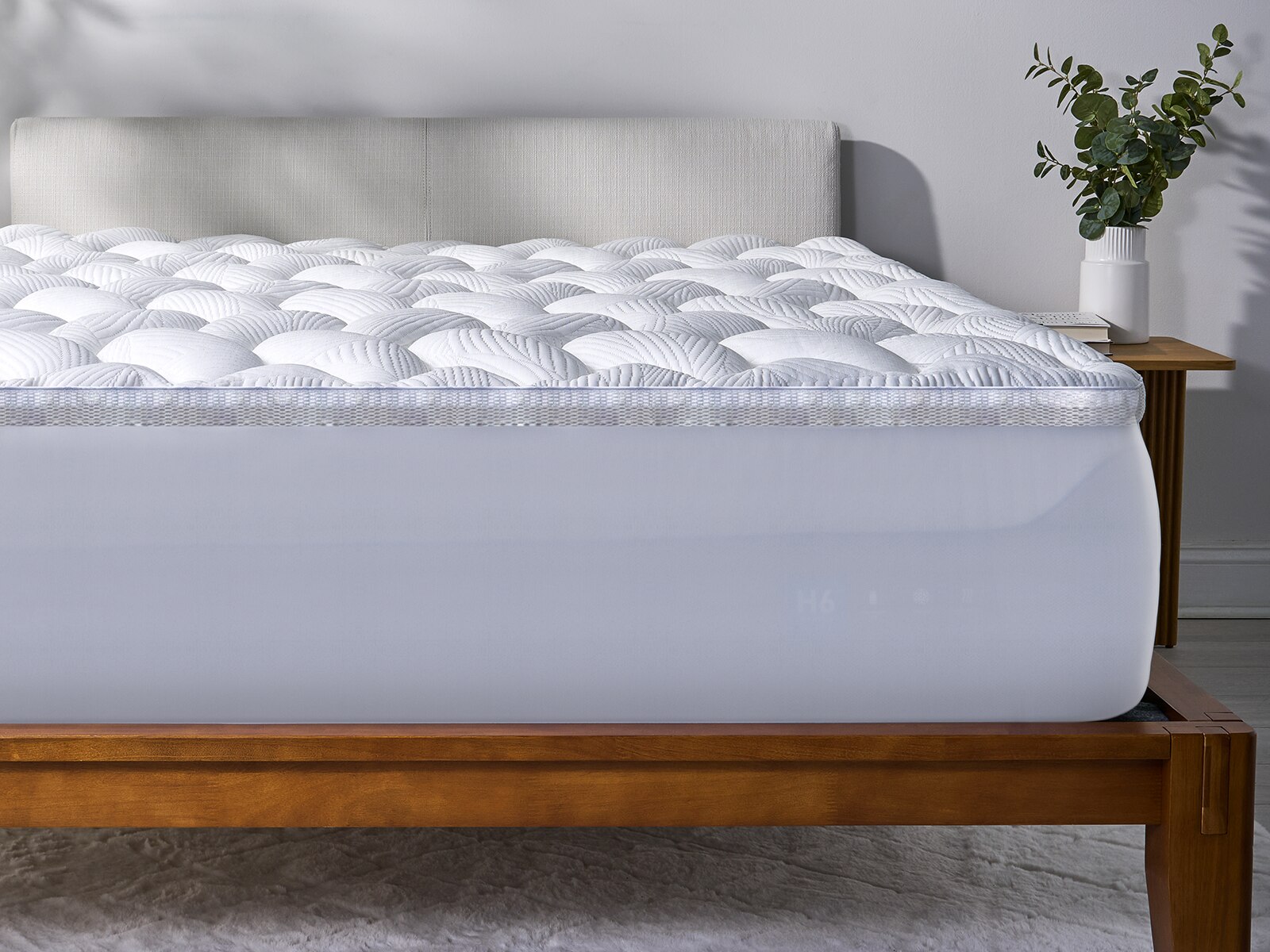
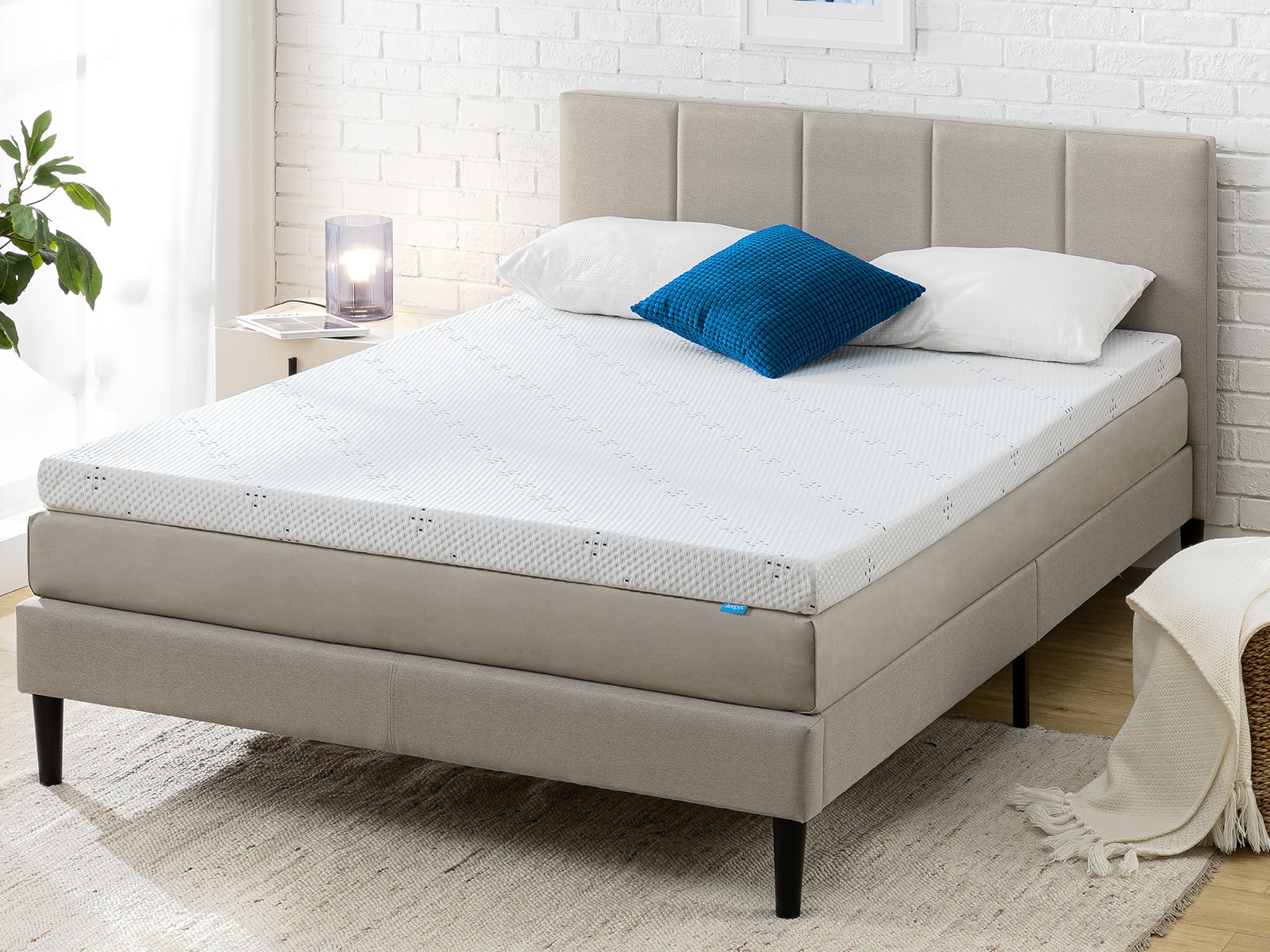
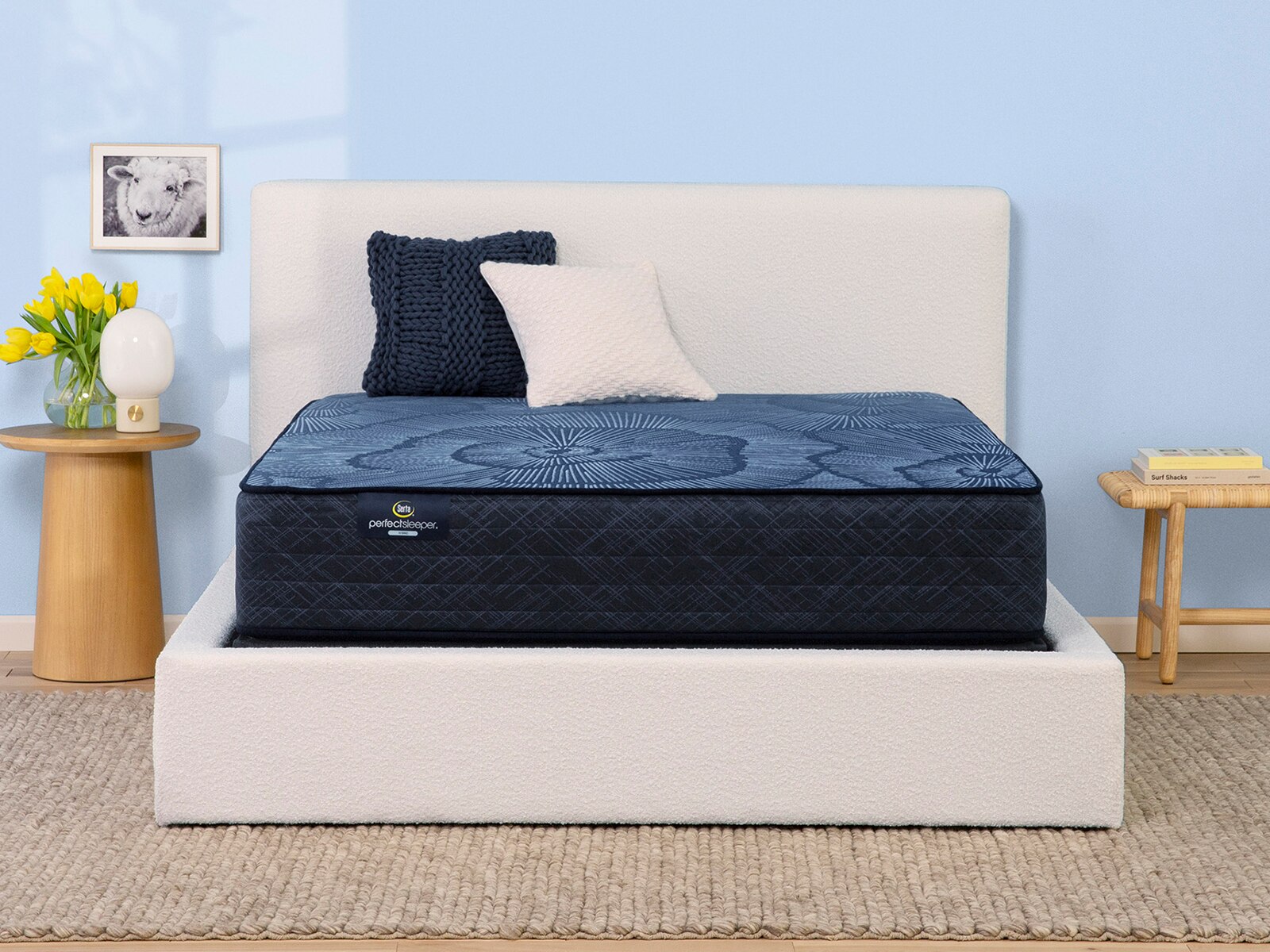
The best topper for a firm mattress adds enough cushioning to ease pressure at the shoulders and hips without allowing the body to sink farther than feels comfortable. The right feel depends on sleeping position, body shape and how much of the mattress’s original firmness someone wants to preserve. A firm mattress can provide a stable foundation yet feel unforgiving where the body presses against its surface; a topper adds a separate comfort layer that changes that first impression. Memory foam, latex and fiber-filled toppers soften a bed in distinct ways. Memory foam gradually conforms around curves, creating a close, cradling feel that can suit sleepers who want more cushioning beneath prominent pressure points. Its slower response may also reduce the sensation of a partner shifting nearby, although results depend on the entire bed’s construction. Latex typically compresses with a more buoyant response, cushioning the body while making it easier to turn over rather than settle into a deep impression. That springier feel can appeal to combination sleepers who move between their sides and backs. Feather, down and down-alternative fills offer a loftier, pillowy surface with less of the shaped embrace associated with foam. These fills generally compress more readily and may need regular fluffing to maintain an even feel. They can be a good match for someone who likes the underlying mattress but wants a gentler surface beneath the sheets. Material names alone do not determine comfort: thickness, construction and the sleeper’s weight all influence how a topper feels in use. A dense foam is not automatically a firm foam, and a thick topper is not automatically more supportive. For a mattress that feels just a little too hard, a modest layer may be enough; for a surface that leaves shoulders feeling crowded during side sleeping, deeper cushioning may make a more noticeable difference. The goal is a comfortable balance between surface softness and the steady support of the mattress underneath.
Thickness is useful for comparing mattress toppers for firm beds, but it works best alongside an understanding of sleeping position. A two-inch topper often makes a smaller adjustment, preserving more of the mattress’s existing feel while adding cushioning near the surface. A three-inch topper generally offers more room for contouring, which may suit a side sleeper whose shoulders and hips need to settle slightly deeper. A four-inch topper can create a more substantial change, though greater depth is not necessarily better if the material lets the midsection sink too far. These measurements are starting points rather than rules tied to a particular body weight. People with broader shoulders, fuller hips or a heavier build may compress the same topper differently from someone with a lighter frame. Back sleepers often appreciate cushioning that fills the space around the lower back without creating a deep dip beneath the pelvis. Stomach sleepers generally need a more restrained adjustment because excessive softness can let the hips settle below the rest of the body. For someone who rolls over frequently, responsive materials can make movement feel less restricted. Fit matters just as much as feel. Match the topper to the mattress size and check the listed dimensions, especially for Twin XL and California King beds, rather than relying on appearance alone. Add the topper’s height to the mattress depth when checking fitted-sheet pocket measurements. A sheet stretched tightly across a thick comfort layer may pull at the corners or compress the surface, changing how it feels. Corner straps, a fitted skirt or a textured underside can help keep a topper positioned, but secure bedding and an appropriate size still matter. On an adjustable base, compatibility with repeated bending is another practical consideration. For shared beds, the most useful choice balances both sleepers’ preferences, including how much contouring each person enjoys and whether either finds it difficult to change position. A topper should make the whole sleep surface more comfortable, not simply feel soft when pressed with a hand.
Everyday care helps a mattress topper retain its feel and makes the bed easier to maintain. A removable, washable cover can simplify cleanup, but a washable cover does not mean the foam or latex core can go into a washing machine. Care labels should determine whether the cover needs a gentle cycle, whether the insert allows spot cleaning and how each component must dry. Any cleaned section should dry completely before the bed is remade. Foam and latex generally require careful handling when lifted, since pulling a heavy topper by one corner can strain the material. Fiber-filled constructions may benefit from gentle fluffing and redistribution of fill, while other designs need little reshaping. Rotation can help spread wear when the manufacturer permits it; flipping is not appropriate for every topper, especially one built with distinct upper and lower surfaces. A compatible mattress protector adds a barrier against everyday spills and moisture, though a very tight or heavily padded layer can alter the feel beneath it. Breathable covers and ventilated constructions may help airflow, particularly when several bedding layers sit above the mattress. Durability also depends on the quality of the materials, the amount of nightly use and whether the topper rests on a sound, even mattress. A topper can soften an intact mattress, but it cannot repair sagging, broken components or a deep body impression. Placing extra cushioning over a worn foundation usually leaves the underlying unevenness in place. For a guest room, a topper can make a firm bed more welcoming without changing the mattress itself; for a primary bedroom, consistent comfort and straightforward care are especially important. When the desired change is greater surface firmness rather than added softness, the
Extra Firm Bed Topper collection reflects a different comfort goal. The best topper for a firm mattress ultimately makes the existing bed feel more accommodating while preserving the stable foundation that made it worth keeping.