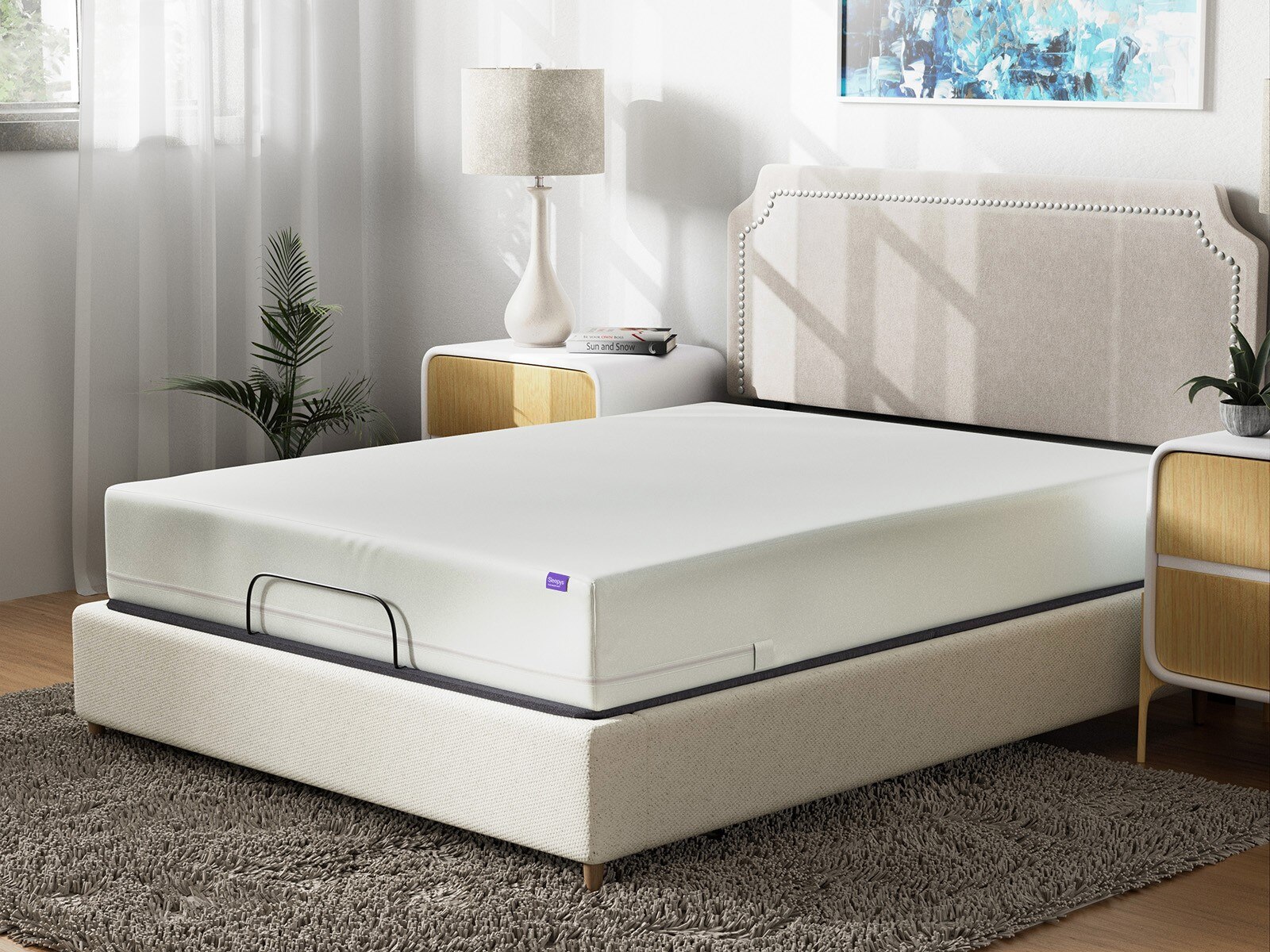
The best waterproof mattress topper for a particular bed combines the cushioning the sleeper wants with a liquid barrier that suits everyday use. A topper changes the feel of the sleep surface, while a waterproof protector primarily helps keep spills and moisture from reaching the mattress. A padded waterproof layer can offer both benefits, but the construction matters more than the name on the package. Some toppers include a waterproof cover, some padded covers have a built-in barrier and some toppers need a separate protector because their fabric or foam is not waterproof. Water-resistant fabric may slow a small spill without stopping liquid from soaking through, so it is not interchangeable with a waterproof barrier. For a mattress that already feels comfortable, the
Good Waterproof Mattress Protector collection offers a related starting point when added cushioning is not the main goal. Cotton terry, smooth knit fabric and microfiber are common surface materials, each with a different feel beneath a fitted sheet. Terry has a looped texture that can absorb moisture at the surface, while smoother fabrics may feel less noticeable under bedding. The waterproof function typically comes from a separate membrane beneath the fabric, often made with polyurethane or thermoplastic polyurethane, also called TPU. An absorbent top layer alone does not make a product waterproof, and absorbed liquid still needs prompt attention. The extent of coverage matters, too: a waterproof sleeping surface does not necessarily mean the side panels are waterproof. Quilting, seams and closures can also affect where protection begins and ends. For a bed shared with a child during an occasional nighttime accident, or a guest bed that sometimes becomes a landing place for a spilled drink, those details have practical value. A quiet, flexible barrier can make protection less noticeable, although fabric feel and sound vary by construction. Clear information about the barrier, coverage and care requirements is more useful than a broad claim that a topper can handle every situation.
Cushioning materials determine how much a waterproof mattress topper changes the bed. Fiberfill creates a pillowy surface that compresses under body weight, making it useful for someone who wants a softer finish without the close contouring of foam. Quilted compartments help distribute the fill, though some materials still benefit from regular fluffing to maintain a more even surface. Memory foam responds more closely to body shape and can soften the feel around shoulders and hips. Latex typically has a more buoyant response, with less of the slow-settling sensation associated with memory foam. Neither material should be assumed waterproof unless the construction includes a suitable barrier. Thickness alone does not establish comfort or support: a deeper layer can feel firmer than a thinner one depending on its material and construction. Side sleepers may appreciate extra cushioning at pressure points, while back and stomach sleepers may prefer a surface that does not allow the middle of the body to settle too deeply. Personal comfort, body size and the feel of the mattress underneath all influence the result. A topper can adjust surface comfort, but it cannot repair a sagging mattress or replace a stable support system. Fit deserves the same attention as fill. The topper should match the mattress dimensions, and a fitted protective cover needs enough pocket depth for the mattress and any cushioning layer underneath it. Measuring the full height of the assembled bed helps avoid corners that pull loose or fabric that stretches too tightly across the surface. Extra loft may also require deeper fitted sheets. Elastic skirts and corner straps can help limit shifting, but their effectiveness depends on fit and how much the sleeper moves. On an adjustable base, a flexible layer that stays aligned as the mattress bends is especially important. Breathability also depends on the whole bedding setup; a waterproof membrane, cushioning material and sheets work together, so no single fabric description tells the entire comfort story.
Care requirements often make the difference between a protective layer that fits comfortably into a household routine and one that becomes difficult to maintain. A washable padded cover may be convenient for a child’s bed, a frequently used guest room or an adult managing occasional nighttime leaks, provided its size fits the washing machine and its care label allows home laundering. A thick foam topper with a removable waterproof cover has different needs: the cover may be washable while the foam requires spot cleaning and thorough air-drying. Foam should not go into a washing machine unless the manufacturer specifically permits it. Washing instructions may also restrict water settings, bleach, fabric softener or dryer heat because certain treatments can damage the barrier or its bond to the fabric. Following those directions helps preserve the intended protection without unnecessarily stressing the materials. After a spill, removing wet bedding promptly and checking the layers beneath it can keep moisture from lingering unnoticed. Every layer should be completely dry before the bed is remade. Durability involves more than a fabric that feels substantial in the hand. Secure stitching, resilient elastic and a flexible backing all contribute to how well a protective layer holds up through repeated use and cleaning. Peeling, cracking, separated seams or a backing that has become brittle can indicate that the barrier needs attention or replacement. Protection against liquid also does not make a topper resistant to punctures, so pet claws and sharp objects can still damage it. For a shared bed, ease of removal matters when one sleeper needs a quick bedding change without rearranging the entire setup. For someone establishing a new home, a waterproof comfort layer can be a thoughtful practical gift when the mattress size, preferred feel and laundry needs are known. The most useful choice supports the way the bed is actually used, bringing together comfortable cushioning, dependable fit and manageable care rather than relying on thickness or a waterproof label alone.