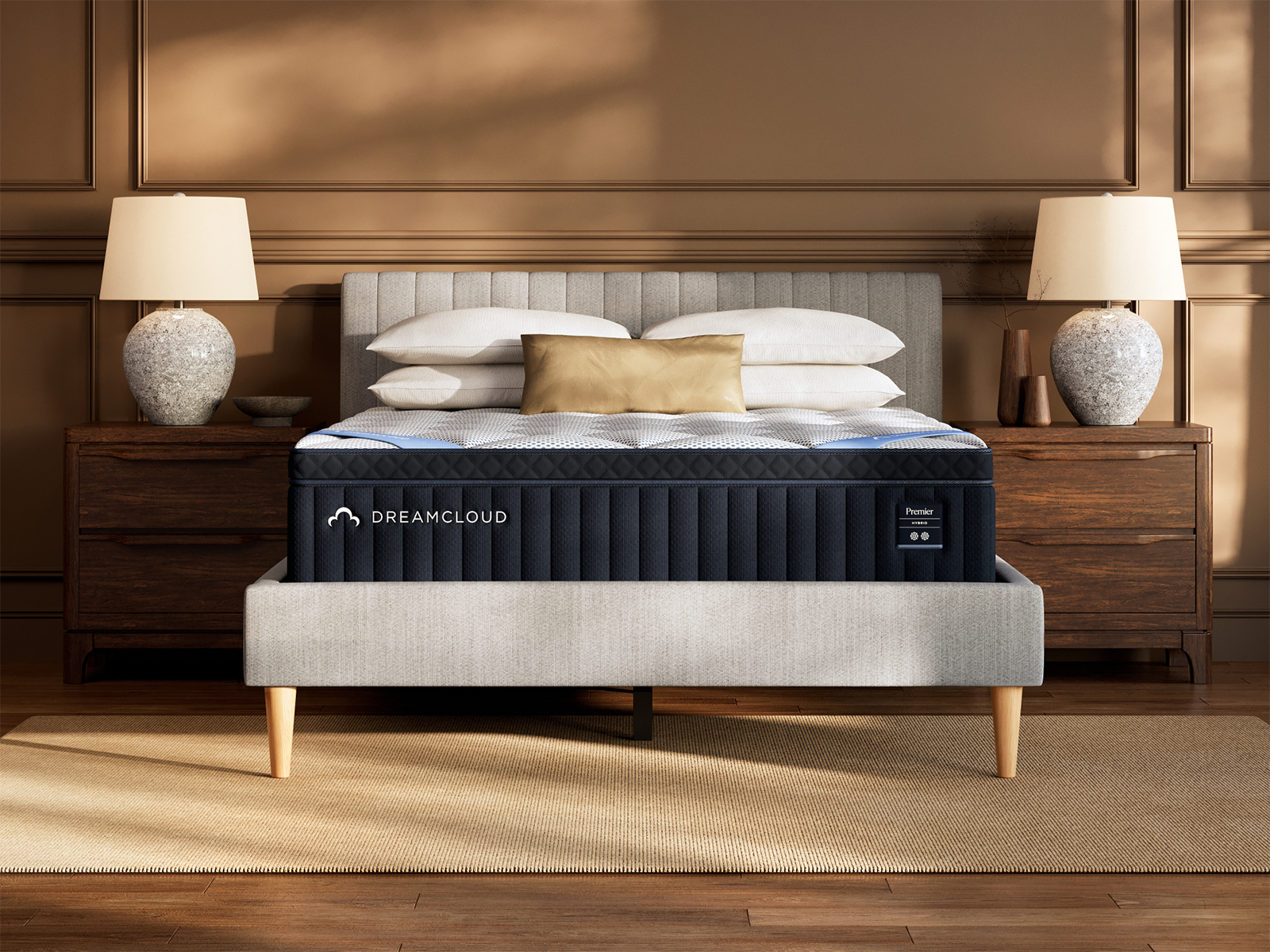
Breathable cooling mattresses are designed to help body heat escape through airflow, heat-dispersing materials or a combination of both. Common constructions include pocketed steel coils paired with ventilated foam, latex or gel-infused memory foam, while some designs incorporate copper-infused materials or phase-change covers to help manage heat near the sleep surface. Each feature serves a slightly different purpose: the open space around coils allows air to move through the mattress, ventilation channels create pathways through comfort layers and certain materials help absorb or redistribute heat. Breathability and a cool-to-the-touch feel are related, but they are not the same thing. A smooth cover may feel cool when someone first lies down, while the layers underneath influence how readily heat can escape over time. For someone who often wakes with a warm spot beneath their shoulders or back, both the surface fabric and the overall construction deserve attention. Memory foam offers close contouring that can ease pressure around the hips and shoulders, though its airflow depends on factors such as cell structure, thickness and ventilation. Latex generally has a more buoyant feel, and perforated designs provide additional openings for air movement. Hybrid mattresses combine foam or latex comfort layers with a coil support system, offering a balance of cushioning, responsiveness and space for air circulation. Gel and copper infusions may contribute to heat transfer, but neither feature alone establishes how cool a mattress will feel throughout the night. Phase-change materials absorb heat as they change state, helping moderate surface temperature within the limits of their design. These are passive cooling features rather than powered refrigeration, so performance also depends on bedding, the bedroom environment and the person using the mattress. Looking at the entire construction gives a more useful picture than focusing on a single cooling ingredient, especially for sleepers who want lasting comfort rather than just an initially cool sensation.
The right breathable cooling mattress also needs to suit the way a person sleeps. A surface that releases heat effectively can still feel uncomfortable if it allows the hips to sink too deeply or creates pressure beneath the shoulders. Side sleepers often benefit from cushioning that lets the shoulders and hips settle while supporting the waist. Back sleepers generally need a balance of contouring and support, while stomach sleepers may prefer a firmer feel that helps keep the midsection from sinking excessively. These are starting points rather than fixed rules, because body weight, proportions and personal preference all influence how a mattress feels. A lighter sleeper may experience less cushioning on the same surface that feels deeply conforming to someone with more body weight. People who change positions frequently may appreciate responsive comfort layers that make rolling over feel easier, rather than a pronounced hugging sensation. For couples, cooling comfort is only part of the picture. Motion isolation can help reduce the disturbance of a partner turning over, and a stable perimeter can make more of the mattress surface feel usable. A queen or king can provide more room to spread out than a smaller size, but the best fit also leaves practical space around the bed for walking and changing linens. Mattress height matters, too, especially when paired with a thick foundation or a low bed frame. Someone who sits at the edge to put on socks may value steady edge support as much as a breathable cover. Others may prioritize compatibility with an adjustable base for reading or resting with the head elevated; that compatibility should be confirmed for the particular mattress. Cooling materials do not determine firmness, so a breathable design can have a plush, medium or firm feel. Matching airflow features with appropriate support helps create a sleep surface that feels comfortable beyond the first few minutes of lying down.
Bedding and everyday care help a breathable cooling mattress perform as intended. A densely padded topper, heavy blanket or restrictive protector can change the feel of the surface and limit the benefit of cooling layers beneath it. Breathable sheets and a lightweight, well-fitting mattress protector can help preserve the intended comfort while protecting against everyday moisture and spills. Cotton percale often has a crisp feel, while linen has a more textured hand; fabric weight and weave matter alongside the fiber itself. Moisture-wicking fabrics can help move perspiration away from the skin, although that function is distinct from allowing air to pass through a material. The most suitable combination feels comfortable against the skin without adding unnecessary bulk between the sleeper and the mattress. For additional airflow-focused choices, explore
Breathable Mattresses For Hot Weather. Long-term comfort also depends on the support underneath the mattress. A compatible foundation or bed frame helps support the construction evenly, and slat spacing should follow the mattress manufacturer’s requirements. Where rotation is recommended, turning the mattress head to foot can help distribute regular use; flipping is appropriate only for designs specifically made to be used on both sides. Care instructions matter for cooling covers as well, since some are removable and washable while others require spot cleaning. Letting cleaned areas dry fully before replacing bedding helps prevent trapped moisture. A thicker mattress is not automatically more durable, and a higher coil count does not tell the whole story about support or longevity. Foam quality, coil construction, stitching and the way the layers work together all contribute to how well a mattress maintains its feel. For a main bedroom, shared bed or frequently used guest room, a balanced combination of airflow, pressure relief and dependable support is more useful than cooling language alone. The goal is a mattress that suits the sleeper, works well with the surrounding bedding and remains comfortable through regular use.