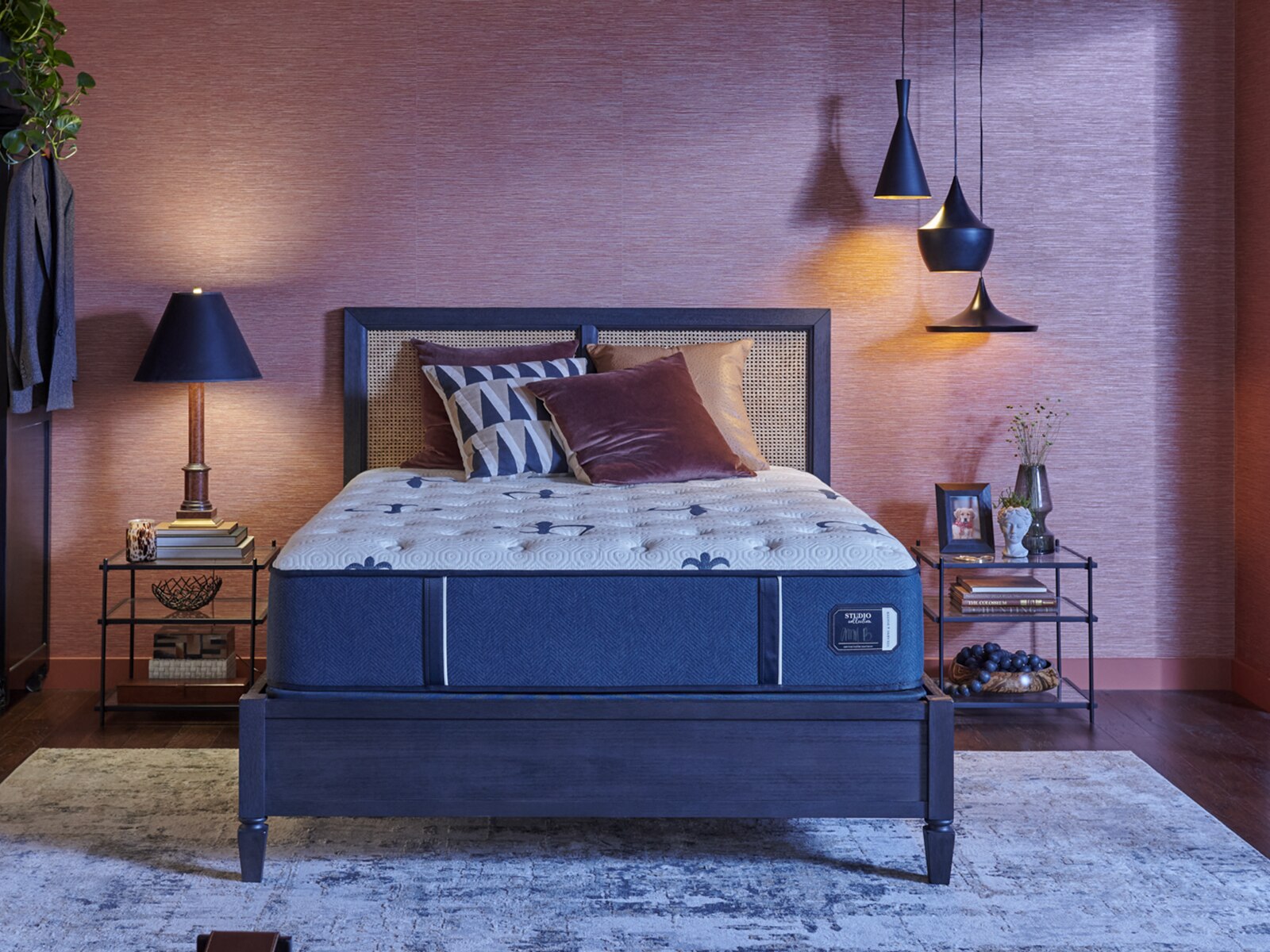
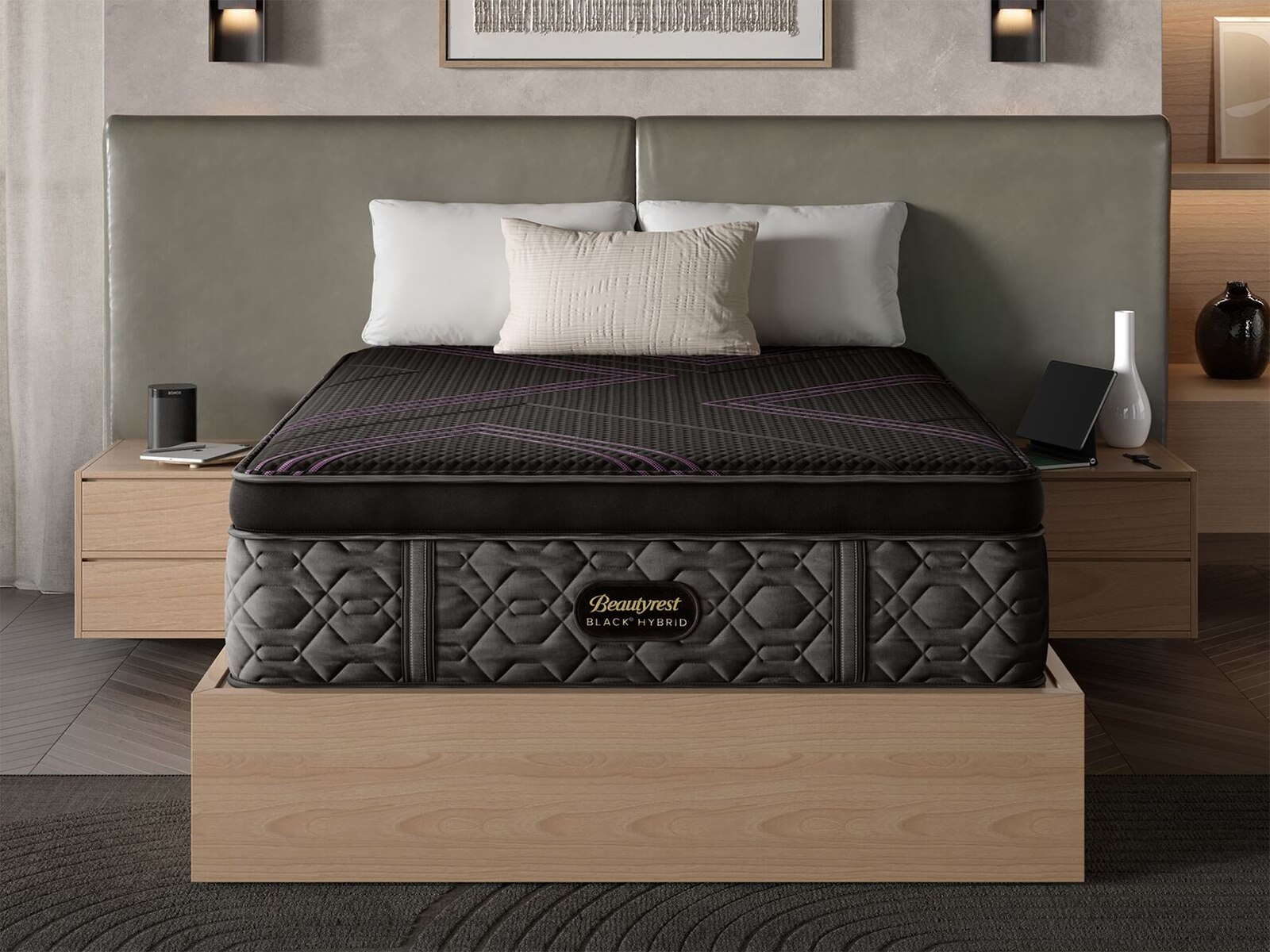
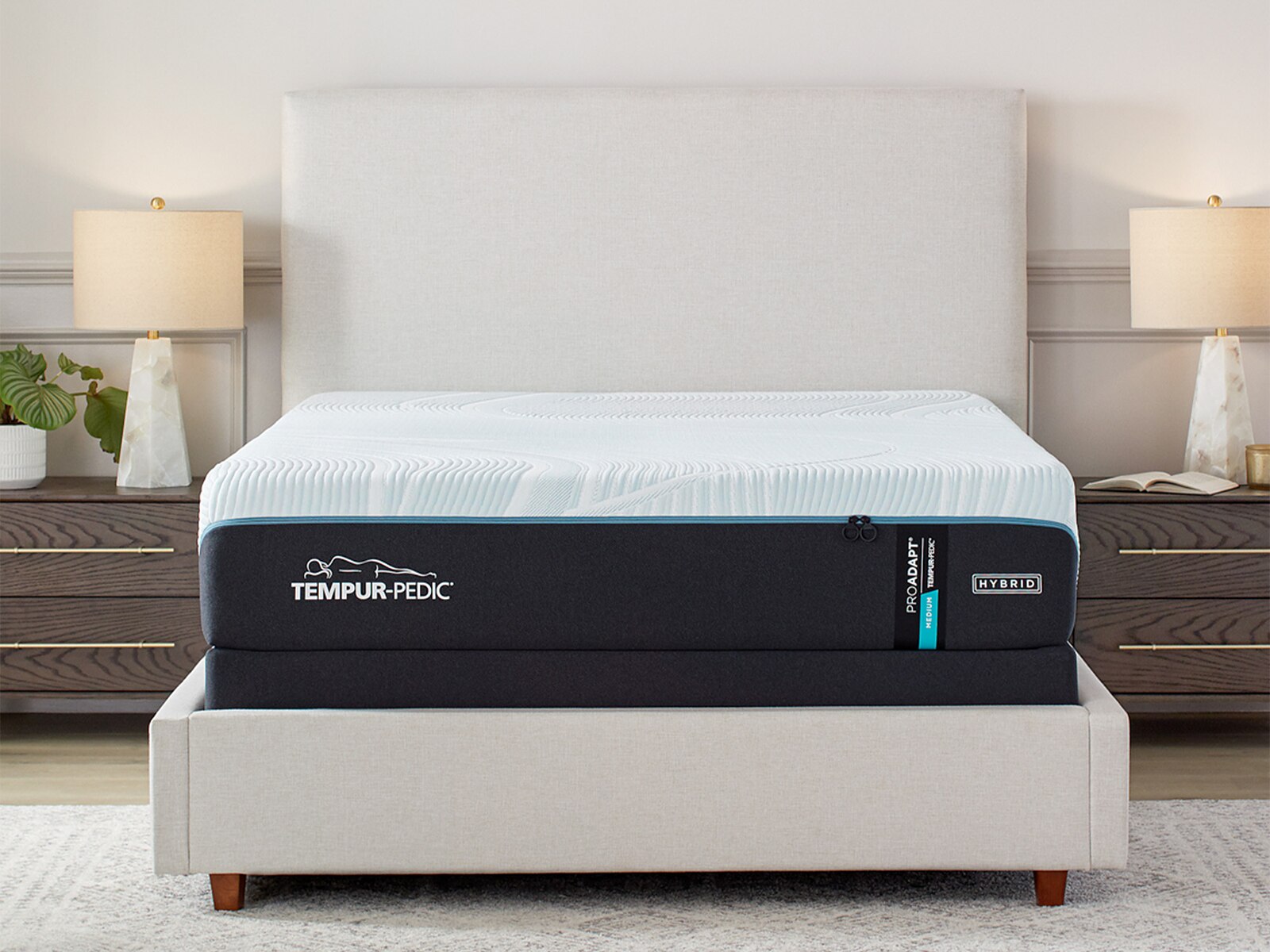
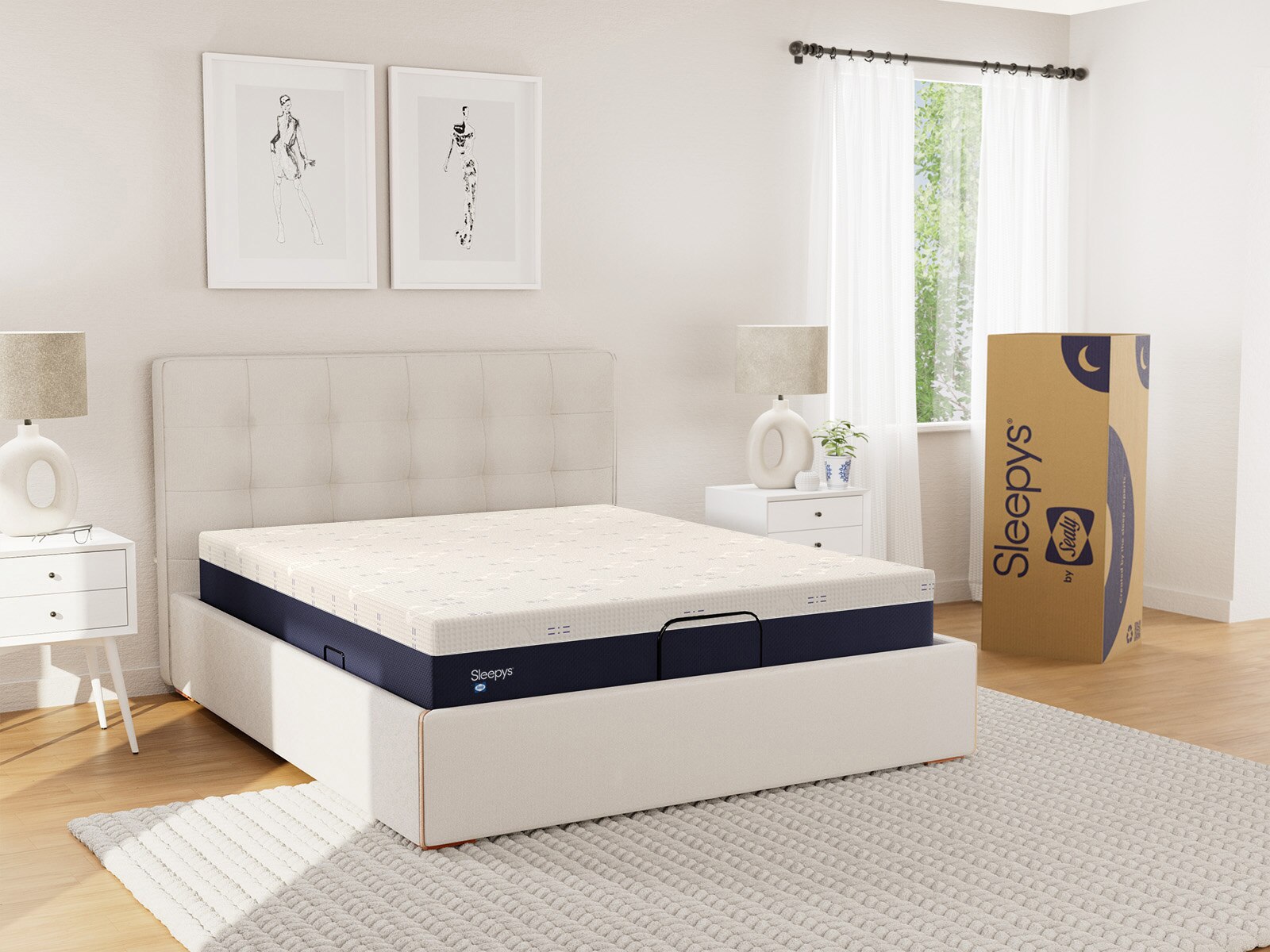
Breathable gel mattresses pair gel-infused comfort materials with features such as open-cell foam, ventilated layers or breathable covers to help manage heat around the sleep surface. The gel and the airflow features serve different purposes: Gel can absorb and redistribute some body heat, while an open foam structure or ventilation channels give air more room to move. A breathable cover can also help moisture escape rather than linger against the body. These details matter to someone who settles comfortably into a mattress but later wakes feeling warm where their shoulders, hips or back meet the surface. Gel alone does not guarantee lasting cooling, and the overall construction matters more than a single layer or label. Foam thickness, the materials beneath it, bedding and room conditions all influence how the mattress feels through the night. Some breathable gel mattresses have an all-foam design, with a contouring comfort layer above a denser support core. Others combine gel foam with coils, leaving additional space for air to circulate within the mattress. Neither construction has one universal feel. An all-foam mattress may offer a close, cushioned sensation, while a hybrid may feel more buoyant, depending on its comfort layers and coil system. Memory foam generally responds to pressure gradually, creating a gentle cradle around the body. More responsive foams tend to spring back faster when a sleeper changes position. For someone who likes pressure relief without feeling deeply nestled into the bed, that difference can be just as important as breathability. A surface that feels cool at first touch is another separate feature; it does not necessarily indicate how effectively the whole mattress manages heat over several hours. The most useful comparison considers airflow, contouring, support and ease of movement together, rather than treating gel as a promise of a particular sleep experience. Cover texture matters, too, especially for sleepers who prefer a smooth, lightly cushioned surface over a thick, deeply quilted top.
The right balance of cushioning and support depends on sleep position, body size and personal preference. Side sleepers often appreciate enough contouring for the shoulder and hip to settle into the surface without excessive pressure, while the waist remains supported. Back sleepers may prefer a more even feel that cushions the lower back without allowing the hips to sink too deeply. Stomach sleepers generally need sufficient support beneath the midsection, although the firmness that accomplishes this varies from person to person. A thicker mattress is not automatically firmer or more supportive, and firmness labels are not identical across manufacturers. The thickness and responsiveness of the comfort layers can offer a clearer picture of how a mattress will feel when someone stretches out, rolls over or sits along the edge. For combination sleepers, a surface that releases its contour readily can make position changes feel less effortful. Couples may also value motion isolation, particularly when one person turns frequently or gets out of bed earlier. Foam can help absorb movement, but motion transfer still depends on the complete mattress design. Edge support deserves attention when two people use the full width of the bed or when sitting at the bedside is part of getting dressed. Size is another practical part of comfort. A standard full mattress measures approximately 54 inches wide by 75 inches long, making it a useful option for many solo sleepers, teenagers and guest bedrooms. The
breathable gel foam full mattresses category brings that space-conscious footprint together with gel foam comfort. Taller sleepers may prefer a longer size, while couples may appreciate the additional room of a queen or king. Bedroom fit includes more than floor space: Doorways, bedside furniture and enough clearance to walk around the bed all shape how comfortably the room functions. In a guest room, a balanced feel may accommodate a wider range of preferences than a very plush or very firm surface.
Everyday setup and care help a breathable gel mattress perform as intended. A compatible foundation provides even support beneath the mattress, whether that means an approved platform, a properly spaced slatted base or another foundation specified by the manufacturer. An adjustable base requires a mattress designed for that use; flexibility should not be assumed from the presence of foam alone. Bedding also changes the feel of the sleep surface. Lightweight, breathable sheets and a well-fitting protector can preserve more of the mattress’s contouring feel than several thick layers placed on top. Waterproof protection can be helpful for spills, children’s rooms or anyone who wants an additional barrier, but its fabric and backing can affect airflow and surface comfort. A thick topper may noticeably change both the firmness and the heat-management characteristics of the mattress underneath. Care instructions remain important because covers and foam layers are not all cleaned the same way. A zippered cover is not necessarily removable or washable, so its label should be checked before cleaning. When spot cleaning is permitted, limited moisture and thorough drying help protect the interior from lingering dampness. Foam should not be saturated, and bedding should go back on only after the surface has dried completely. Rotation may help distribute wear on mattresses designed for it, but many layered foam and hybrid mattresses should not be flipped because their support and comfort materials have a specific arrangement. Durability depends on foam quality, construction, sleeper weight and foundation support rather than gel content alone. Denser foam is not automatically firmer, just as a plush surface is not automatically less durable. Following setup directions, protecting against moisture and using the correct base all contribute to consistent performance. Over time, a persistent dip, noticeably uneven support or a lasting change in comfort deserves attention. A well-matched breathable gel mattress brings together pressure relief, manageable warmth and dependable support in a way that suits the person using it night after night.