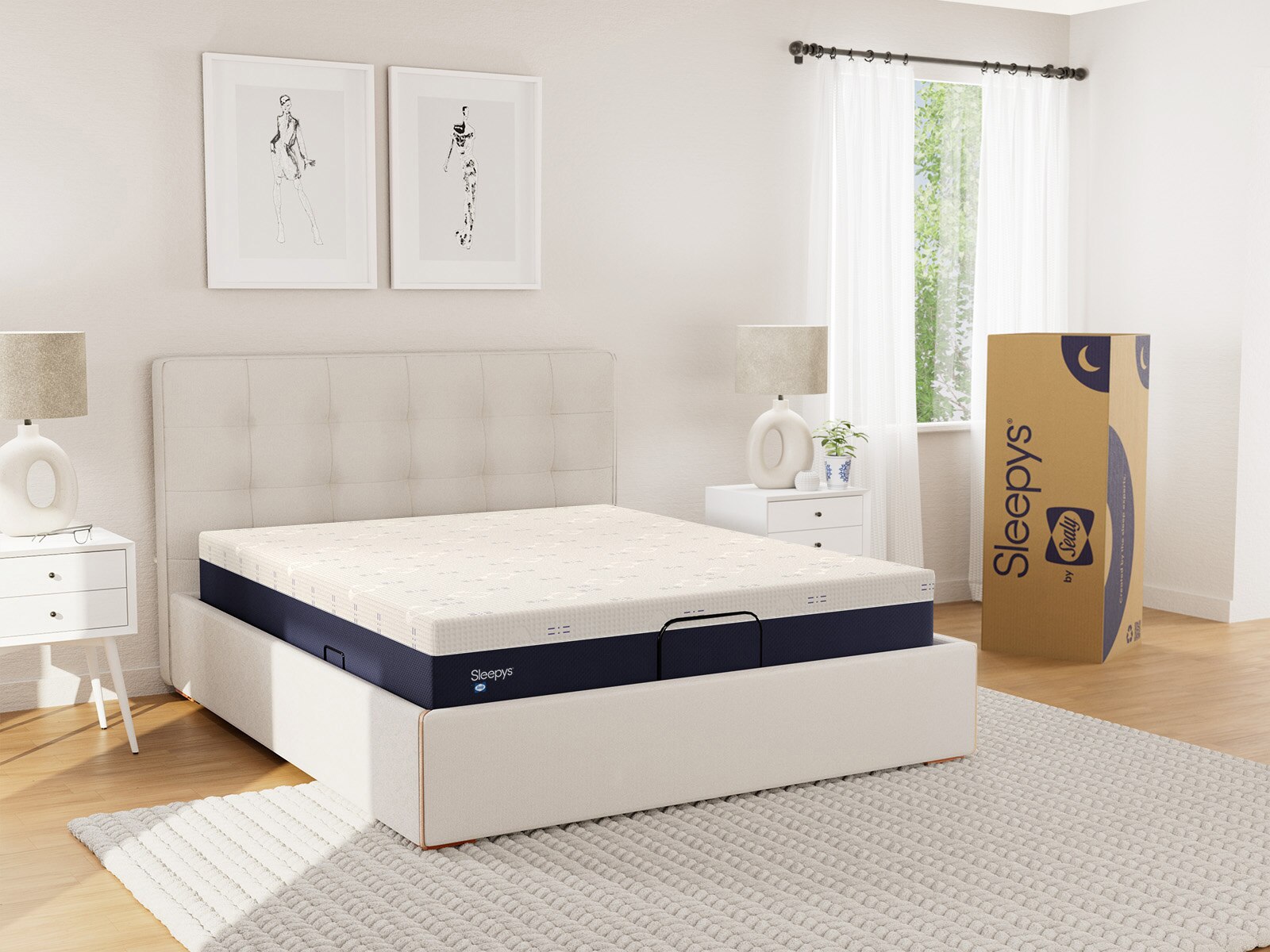
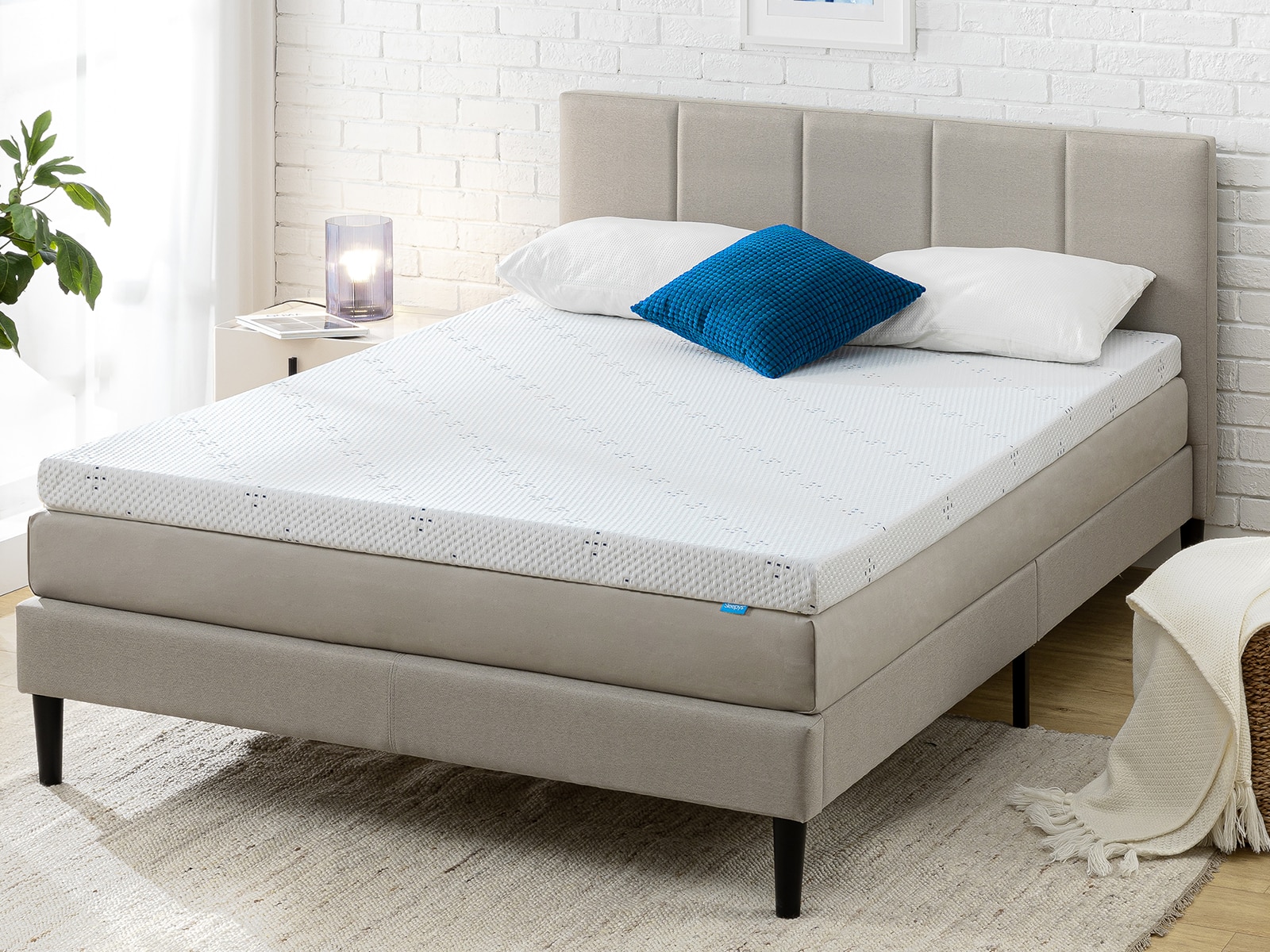
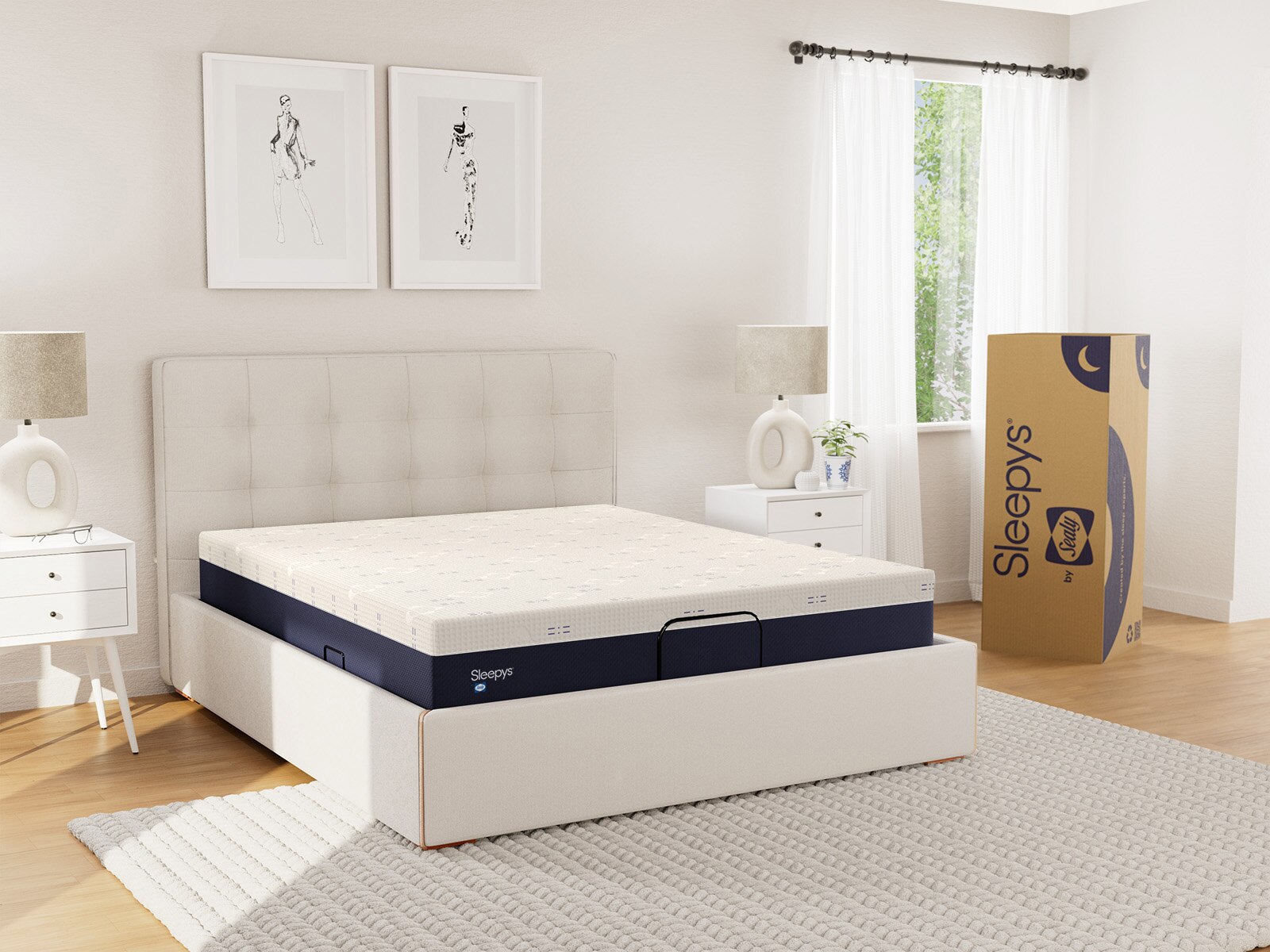
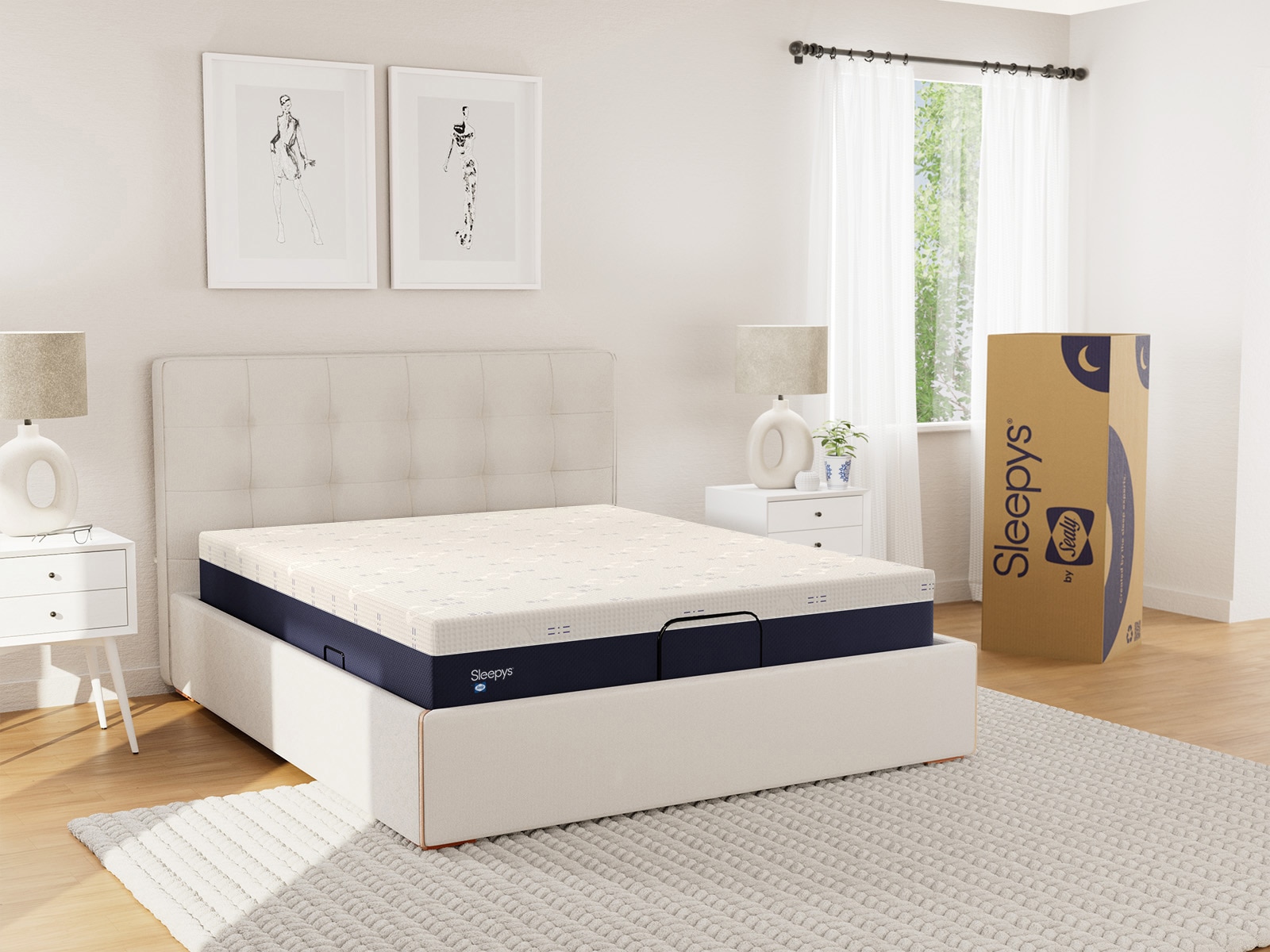
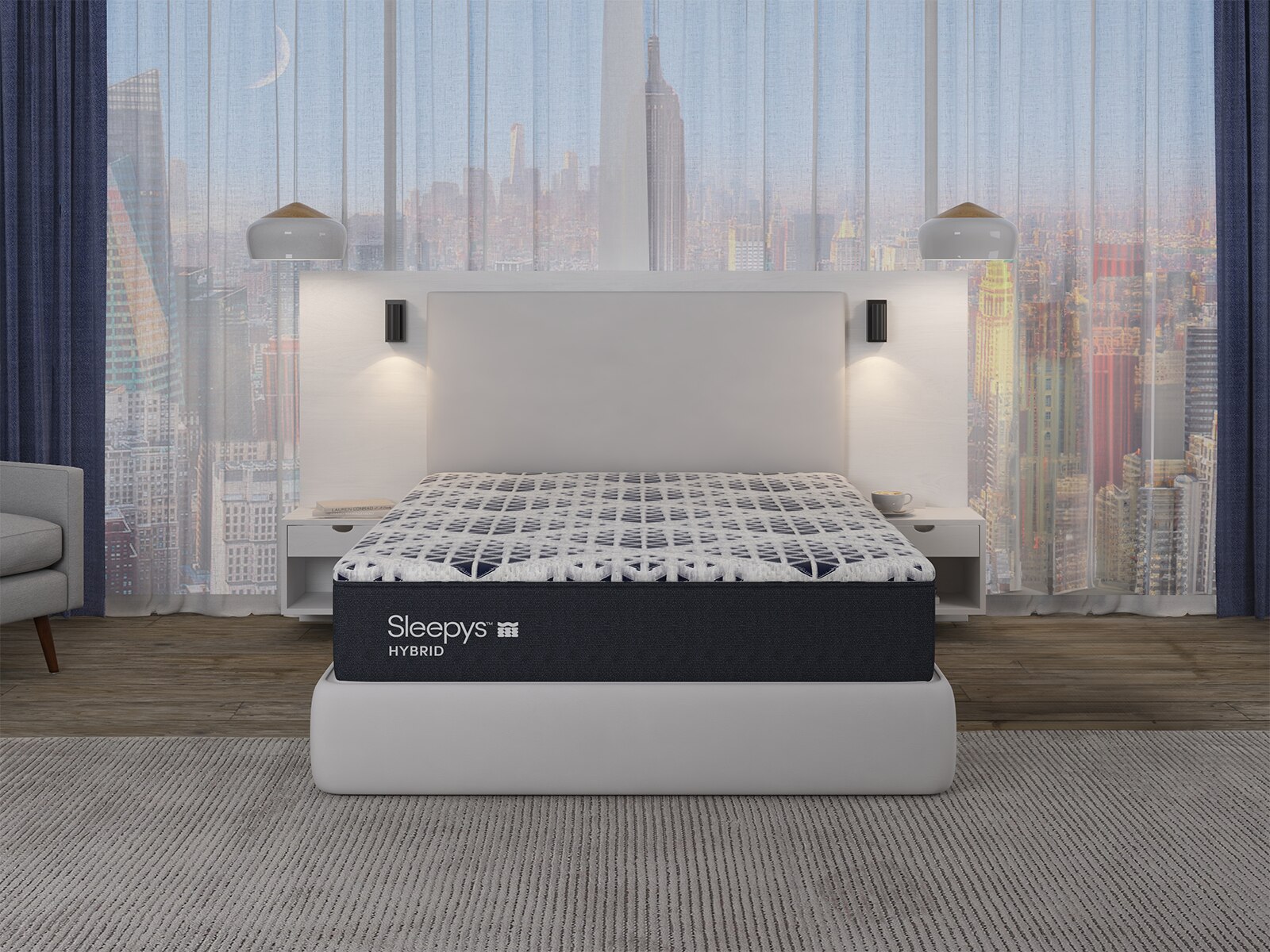
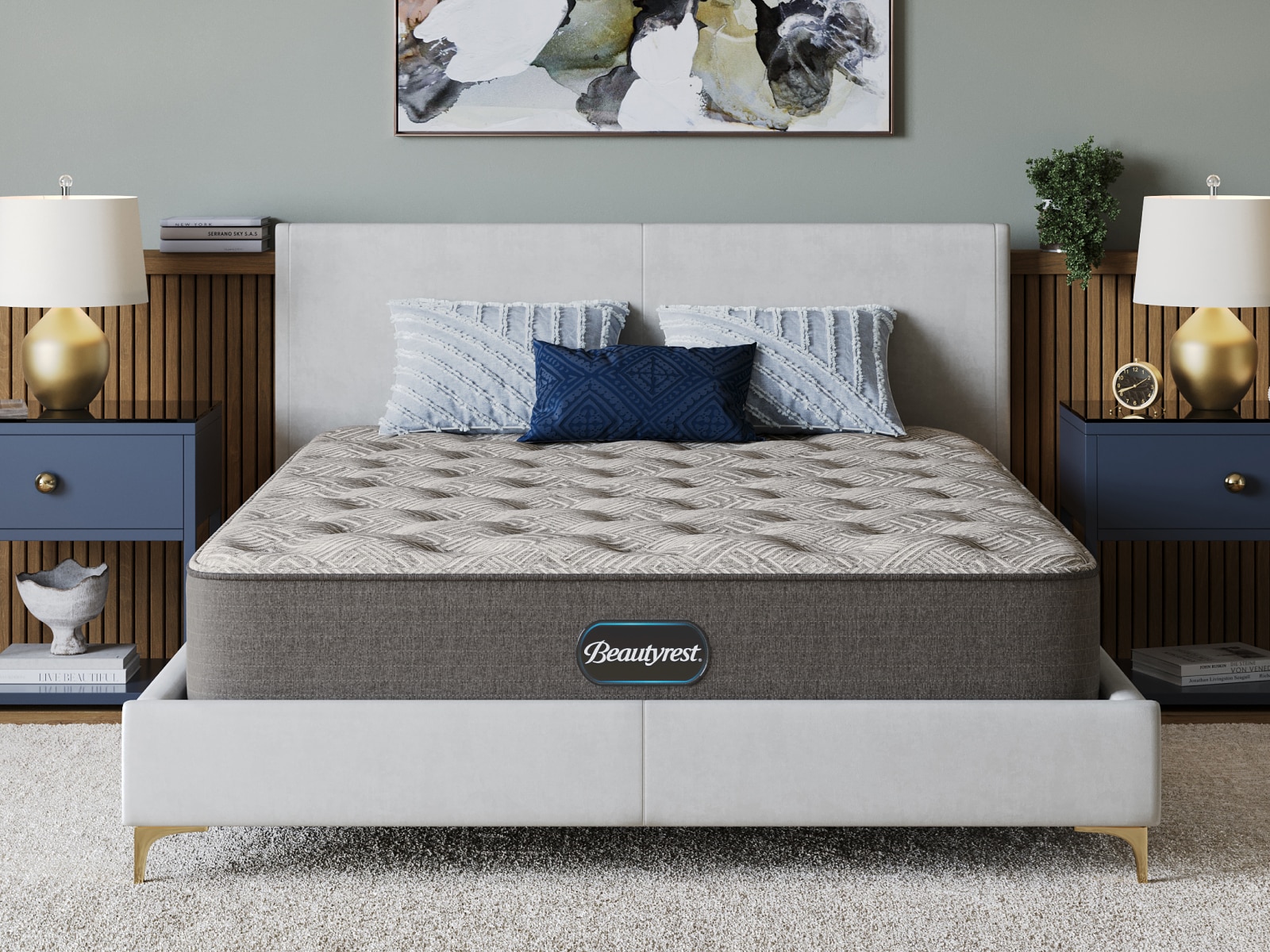
Breathable gel foam full mattresses combine cushioning foam with design features intended to help air move through or around the sleep surface. Gel is commonly incorporated into a memory foam comfort layer, while breathable covers, open-cell foam structures or ventilation channels may help limit trapped warmth. Some mattresses use an all-foam support core, while hybrid constructions combine foam comfort layers with an innerspring support system. The result depends on the complete construction, not simply the presence of gel. Gel may help manage warmth at the surface, but it does not guarantee that a mattress will stay cool throughout the night. Cover materials, foam thickness, bedding and individual sleep habits all affect the experience. For someone who enjoys the close contouring of memory foam but dislikes feeling enclosed by heavy layers, a breathable design can offer a useful balance of cushioning and airflow. Memory foam responds to body weight and warmth, gradually adapting around areas such as the shoulders and hips. That contouring can help distribute pressure, while the layers underneath provide the support needed to keep the body from sinking too deeply. A stretch-knit cover may allow the cushioning to respond more freely, while a quilted surface can create a more padded first impression. Neither finish determines overall comfort on its own; the materials beneath the cover matter just as much. Foam response also varies, from a slow, gently cradling sensation to a more responsive feel that makes changing positions easier. A mattress with thicker contouring layers may feel more enveloping, while a thinner comfort section over a supportive core may feel less deeply cushioned. These differences help explain why two breathable gel foam full mattresses can feel noticeably different even when their descriptions sound similar. Construction details offer a clearer picture than any single cooling term, especially when considered alongside the firmness and surface feel a sleeper already finds comfortable.
A standard full mattress measures approximately 54 inches wide by 75 inches long, making it a practical size for many solo adults, teenagers and guest bedrooms. It offers more room to stretch out than a twin without taking up as much floor space as a queen. In a bedroom that also holds a desk, dresser or reading chair, that footprint can leave useful space for everyday movement. Taller sleepers should consider the length carefully, especially if their feet already reach the end of a standard mattress. Two people can share a full, but the narrower surface leaves less room for each person to change positions independently. For a solo sleeper, the extra width can accommodate bent knees, an outstretched arm or the habit of moving from side to back overnight. Comfort preferences remain personal, and firmness labels are most helpful when considered alongside body size and sleep position. Side sleepers often appreciate enough cushioning for the shoulder and hip to settle into the surface without feeling sharply compressed. Back sleepers generally benefit from a balance of contouring and steady support, while stomach sleepers often need a firmer feel that limits excessive sinking beneath the midsection. A heavier sleeper may compress the same foam more deeply than a lighter sleeper, changing both its perceived firmness and how closely it hugs the body. For someone who turns frequently, ease of movement can matter as much as softness. Edge support is another practical consideration, particularly for anyone who sits at the bedside to put on socks or uses the entire width of the mattress. Foam edges may compress differently from reinforced hybrid edges, so construction matters here, too. For a teenager moving into a larger bed or a family member receiving a mattress as a gift, room measurements and personal comfort preferences deserve equal attention. The best fit supports both a comfortable night and the way the bedroom is used during the day.
Everyday care helps preserve the comfort and condition of a breathable gel foam full mattress. A compatible foundation or platform is essential because foam needs consistent support beneath it; widely spaced slats or a damaged base can allow uneven settling. The mattress manufacturer’s requirements should determine the foundation type, slat spacing and suitability for an adjustable base. Mattress height also affects the finished setup, from how easily someone gets into bed to whether fitted sheets have enough pocket depth. A breathable mattress protector can help shield the surface from moisture and everyday spills, though any added layer may change the feel and airflow. Lightweight, breathable sheets can complement the mattress without covering its surface in unnecessary bulk. Care instructions vary, but spot cleaning with minimal moisture is commonly recommended for foam, followed by thorough drying before bedding goes back on. A removable cover is not necessarily machine washable, and foam should not be saturated. Rotation may help distribute wear when the manufacturer recommends it; flipping is generally unsuitable for mattresses built with a designated comfort side. Durability depends on the quality and density of the foams, the support system, sleeper weight and regular use, rather than thickness alone. A tall mattress is not automatically more supportive, and denser foam is not automatically firmer. Over time, changes such as persistent impressions, uneven support or a noticeably different sleeping position may deserve attention. When an existing mattress remains supportive but feels too firm at the surface,
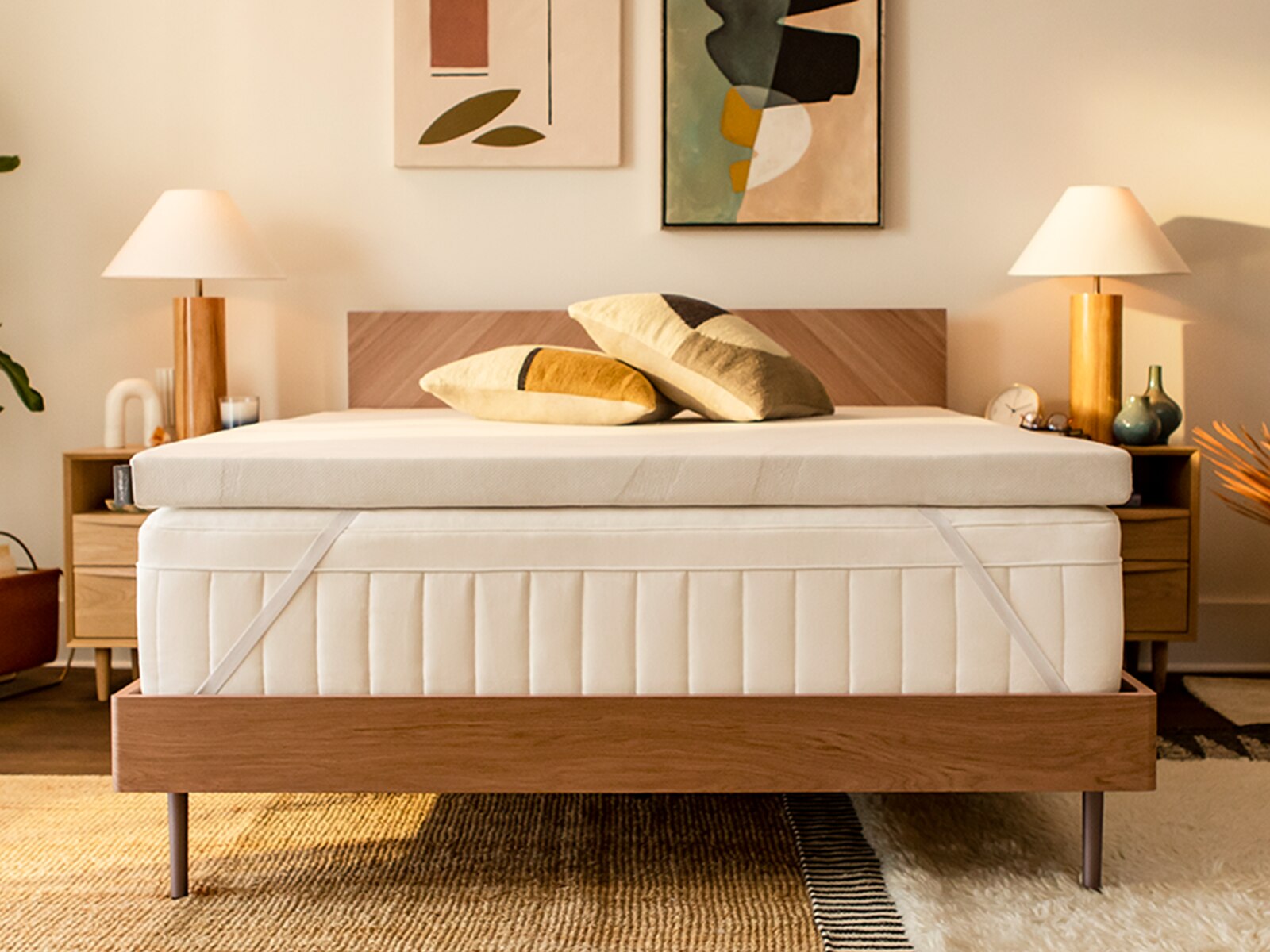
Breathable Gel Foam Mattress Toppers can provide an additional cushioning layer without replacing the entire bed. A topper cannot correct a sagging support core, and it will add height and may alter how closely the surface contours. Whether choosing a complete mattress or refining a supportive bed, the most useful combination is one that brings together comfortable pressure relief, dependable support and breathable materials suited to the sleeper’s everyday needs.