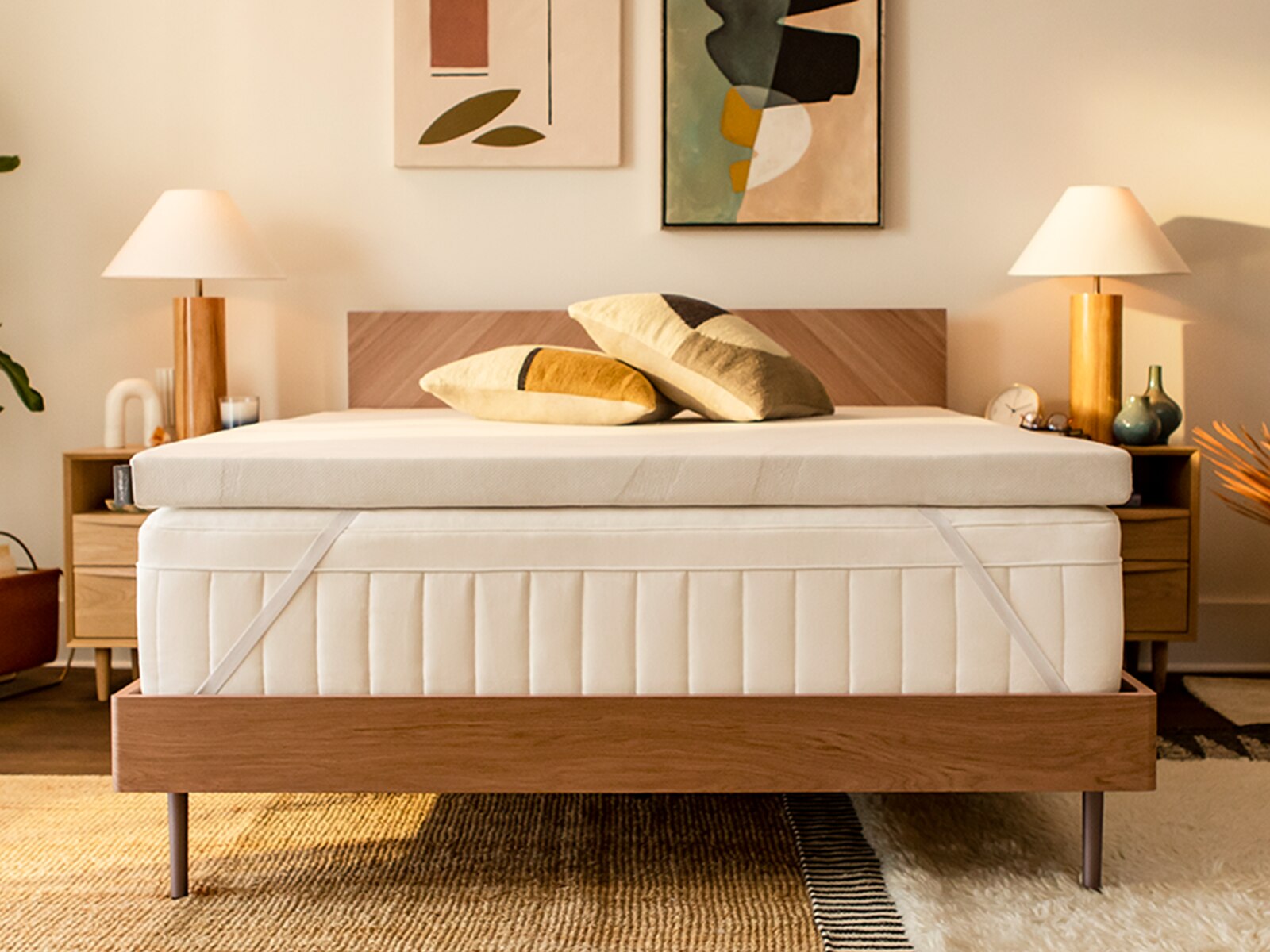
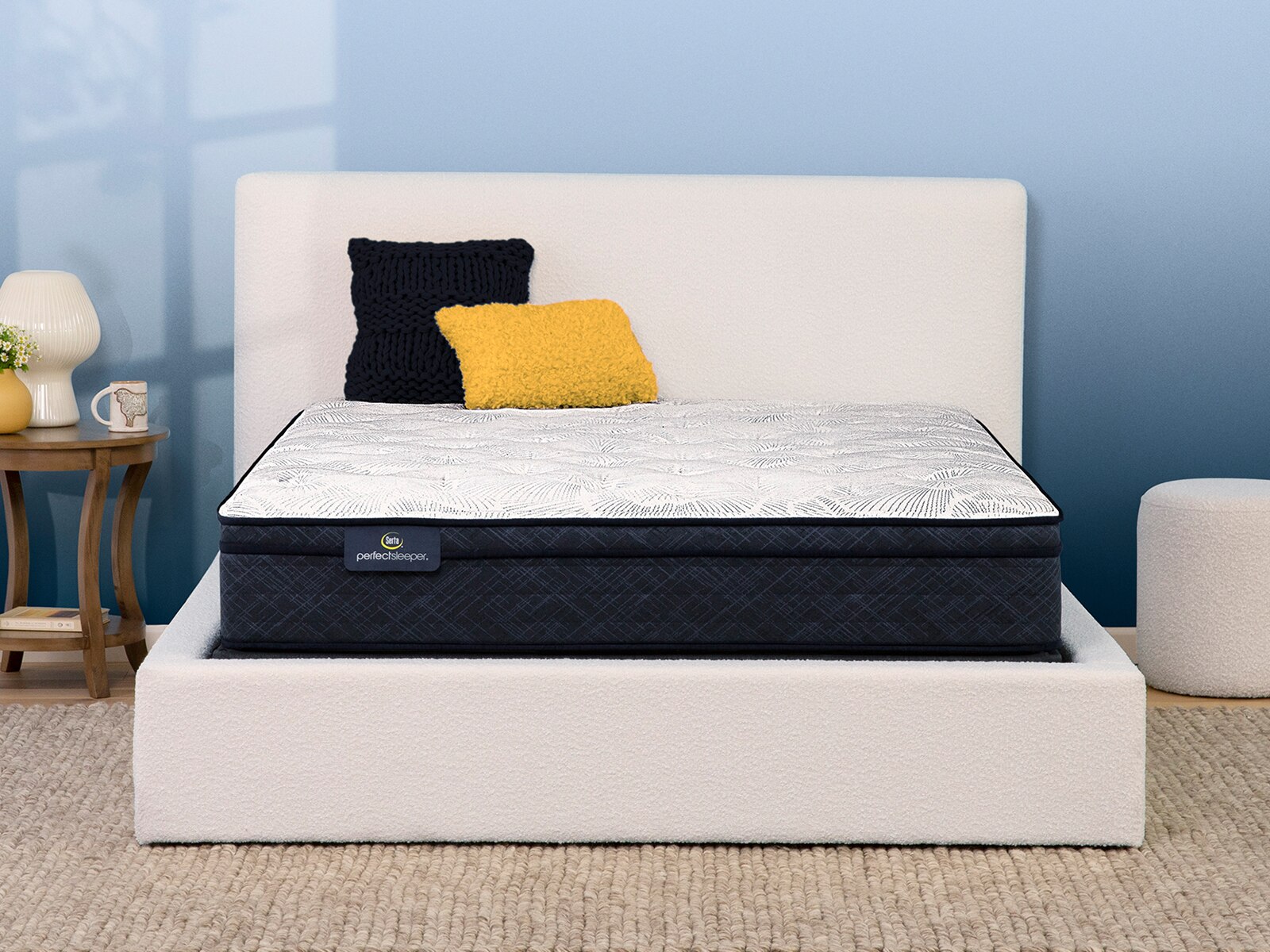
Breathable mattress toppers are removable comfort layers designed to let air move through their materials, helping limit heat buildup near the sleep surface. Depending on their construction, they can also soften a firm mattress, cushion pressure points or add a more responsive feel without replacing the mattress underneath. For someone who wakes feeling warm or finds a firm surface uncomfortable around the shoulders and hips, that combination can make the bed feel more inviting. Breathability comes from the whole construction, not just a cool-feeling cover. Perforated foam contains small openings that create pathways for air, while open-cell foam has an interconnected structure that allows more airflow than a tightly closed structure. Latex can offer a springy feel with less of the slow sinking sensation associated with some memory foams, and ventilated latex designs incorporate openings to support airflow. Fiber-filled toppers offer another kind of comfort, with a lofty, cushioned surface that compresses beneath the body. Their feel depends on the fill, its density and the way it is held in place. Quilting or stitched compartments can help keep loose fill more evenly distributed, though some designs need regular fluffing. Memory foam tends to contour closely, which may appeal to sleepers who want cushioning around prominent pressure points, but airflow varies considerably by formulation and design. A breathable cover complements these materials by allowing air and moisture vapor to pass through rather than creating a dense outer barrier. No topper can guarantee that every sleeper will feel cool, and a cooling label alone does not explain how a material manages heat. The most useful distinctions are how closely the topper hugs the body, how readily air can move through it and whether its surface helps manage moisture. Those details shape the experience of settling into bed, changing positions and staying comfortable through the night. They also help distinguish a lightly cushioned surface from a deeper layer that noticeably changes the feel of the mattress.
Thickness, firmness and fit determine how a breathable topper works with the rest of the bed. A thinner layer generally makes a subtler adjustment, while a thicker layer can add more cushioning and change how deeply the body settles into the surface. Thickness does not automatically mean softness, however; the material and construction matter just as much. Side sleepers may appreciate enough cushioning to ease pressure around the shoulders and hips, while back and stomach sleepers often benefit from a feel that does not let the midsection sink too deeply. Personal comfort, body size and the condition of the underlying mattress all influence that balance. A topper is best suited to adjusting the surface of an otherwise supportive mattress, not correcting sagging, broken components or a pronounced dip. Matching the topper to the mattress dimensions helps prevent exposed edges or overhang. Size names provide a starting point, but checking the actual measurements is especially useful for a closely fitted bed frame or an unusually deep mattress. The topper also increases the total bed height, which affects fitted sheets, mattress protectors and how easily someone gets into or out of bed. A fitted sheet needs enough pocket depth to accommodate both layers without pulling tight across the top or slipping off at the corners. Corner straps, fitted skirts and textured undersides can help limit shifting, depending on the design. For adjustable bases, flexibility and compatibility with the mattress and base are important because the topper needs to follow the bed as it bends. Breathability also depends on what sits above it. A thick pad, densely layered bedding or a protector that restricts airflow can change how the surface feels. Lightweight, breathable sheets and a compatible protector can help preserve the intended feel while keeping the sleep setup practical for everyday use.
Breathability and moisture wicking address different parts of sleep comfort. Breathable materials allow air to pass through, while moisture-wicking fabrics move moisture away from the skin so it can spread out and evaporate more readily. A topper may offer one feature or both, making
breathable moisture wicking mattress toppers a relevant category for sleepers who notice dampness as well as warmth. Neither feature replaces regular cleaning or guarantees a dry sleep surface, but the distinction helps explain why two toppers with similar thicknesses can feel different overnight. Care requirements are equally important to everyday comfort and durability. Some toppers have removable, machine-washable covers, while others require spot cleaning or professional care. A washable cover does not necessarily mean the inner foam or latex layer can go into the washer. Following the care label helps protect the material, seams and surface finish, and every cleaned component should be completely dry before the bed is remade. Trapped moisture can affect freshness and the condition of the topper. Fiber-filled designs may need fluffing to restore loft, while foam and latex should be handled carefully to avoid tearing, especially when lifted or moved without their covers. Rotation may help distribute wear when the manufacturer recommends it; flipping is not appropriate for every construction. Lasting comfort also depends on how consistently the topper retains its shape and whether its cover and attachment features remain intact. These practical details matter for a primary bedroom, a guest bed or a college sleep setup where a mattress needs a modest comfort adjustment. A breathable topper can also be a thoughtful gift when the recipient’s mattress size, preferred feel and care preferences are known. Someone who likes a buoyant surface may not enjoy deep contouring, even if both constructions are designed for airflow. The right match brings together a comfortable feel, a secure fit and manageable upkeep, with breathability supporting the overall sleep experience rather than standing in for mattress support or personal preference.