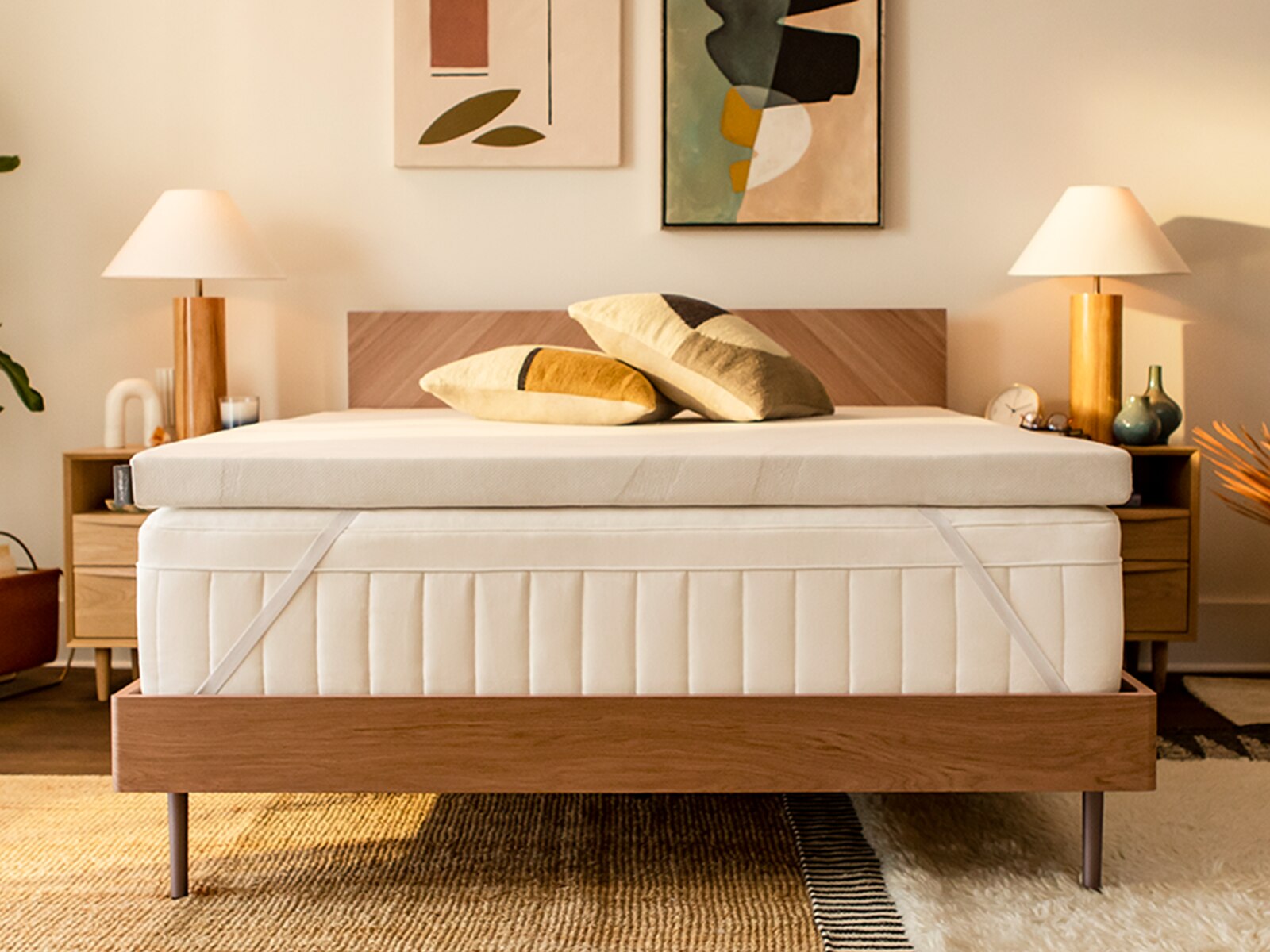
King mattress toppers with breathable fabric add a cushioning layer to a king bed while helping air and moisture move through the sleep surface. Their feel depends on both the outer fabric and the material inside: an airy cover can feel smooth against a fitted sheet, but the fill beneath it also influences how closely the topper hugs the body and how much warmth it retains. Cotton covers are often chosen for their softness and ability to absorb moisture, while lyocell fabrics can offer a smooth feel and moisture absorption. Some polyester covers use knit structures or mesh panels designed to encourage airflow. Fabric construction matters as much as the fiber name, so a tightly woven cover and an open knit made from similar materials may feel quite different. Inside the topper, perforated latex can provide a buoyant, responsive surface, while memory foam offers closer contouring around the shoulders and hips. Some foam designs include ventilation holes or open-cell structures that support air movement, although the overall experience still depends on foam density, thickness, bedding and the sleeper. Fiber-filled toppers generally create a softer, more pillowy surface with less of the slow, body-hugging sensation associated with memory foam. Wool-filled designs can help buffer moisture and create a gently cushioned layer, but their care requirements deserve attention. Breathable construction does not necessarily mean a topper actively cools the bed or stays cool all night. It describes features that help limit trapped air and moisture, rather than a guaranteed result. For someone who notices a close, stuffy feeling beneath the covers, the most useful combination may be a breathable outer fabric, an interior that allows air movement and sheets that do not tightly compress the cushioning. Comparing those layers together gives a clearer picture than relying on a cooling label alone. A fabric that feels cool at first touch may provide a different experience from one designed primarily for ongoing airflow.
The right fit starts with the mattress, not just the size printed on the package. A standard king mattress typically measures 76 inches wide by 80 inches long, while a California King typically measures 72 inches wide by 84 inches long. Those dimensions are not interchangeable, and topper measurements can vary slightly, so checking the listed width and length helps prevent an exposed strip along the edge or excess material bunching beneath the sheet. Depth matters, too. Adding a topper increases the total height that fitted sheets and mattress protectors need to accommodate. A sheet that already fits snugly may pull at the corners once another layer is added, and a protector stretched too tightly can change how the topper feels. Corner straps, elastic skirts or a textured underside may help reduce shifting, particularly for sleepers who turn frequently, but the attachment should suit the mattress and bed setup. On a split king adjustable bed, separate Twin XL toppers generally allow the two sides to move independently; a single king topper can bridge the center and restrict that separation. Comfort preferences are equally important. A side sleeper who finds a mattress too firm may appreciate extra cushioning beneath the shoulder and hip, while a back sleeper may prefer a shallower, more responsive layer that does not allow the pelvis to settle too deeply. Stomach sleepers often need particular care with thick, plush cushioning because excessive sink can make comfortable alignment harder to maintain. These are starting points rather than rules, since body size and the feel of the mattress underneath change the result. Couples should also consider how the topper responds when one person changes position. A contouring foam may soften the sensation of movement, while a springier material can make turning easier. A thicker topper is not automatically more comfortable; the goal is enough cushioning to ease a firm surface without creating a deep pocket that makes getting comfortable more difficult.
Everyday care plays a large part in how a breathable king mattress topper performs over time. A removable, washable cover can make routine upkeep simpler, especially in a frequently used bedroom, but a washable cover does not mean the entire topper belongs in the washing machine. Foam cores generally require different cleaning methods from fiber-filled layers, and latex should be handled according to its care label. Follow the listed washing, drying and spot-cleaning directions, and allow any cleaned area to dry completely before covering the bed again. A breathable mattress protector can help guard against everyday moisture and spills, although its construction may change the feel and airflow of the layers below it. Waterproof membranes, dense quilting and multiple overlapping pads can each influence the finished sleep surface. Keeping the bedding arrangement simple makes it easier to notice what the topper itself contributes. For fiber-filled designs, regular fluffing or gentle redistribution of fill may help maintain a more even surface when the care instructions recommend it. Rotating a topper may also help distribute wear if its construction allows, but not every design is intended to be flipped. Over time, persistent flattened areas, torn fabric or cushioning that no longer rebounds can signal that the layer is losing its original performance. A topper works best on a mattress that remains structurally sound; it can adjust surface comfort, but it cannot repair sagging, broken components or inadequate support. When the underlying mattress no longer feels even, comparing
medium firm mattresses with breathable fabric may be more useful than adding another cushioning layer. For a supportive bed that simply feels too firm or needs a different surface texture, a well-fitted topper can make a meaningful adjustment. Whether used in a primary bedroom or a guest room, the most suitable choice brings together the desired cushioning, compatible dimensions, manageable care and breathable materials that work with the rest of the bedding.