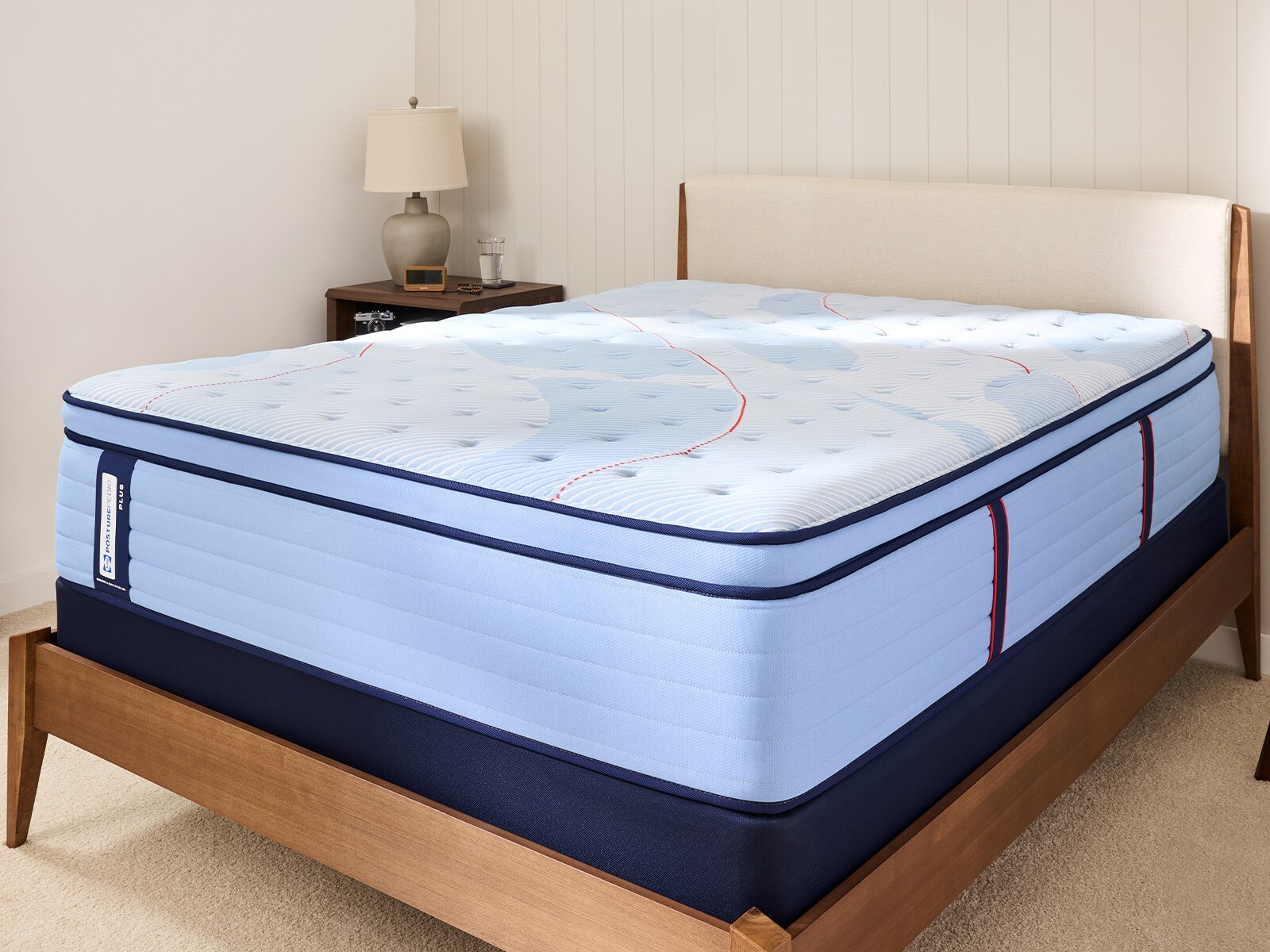
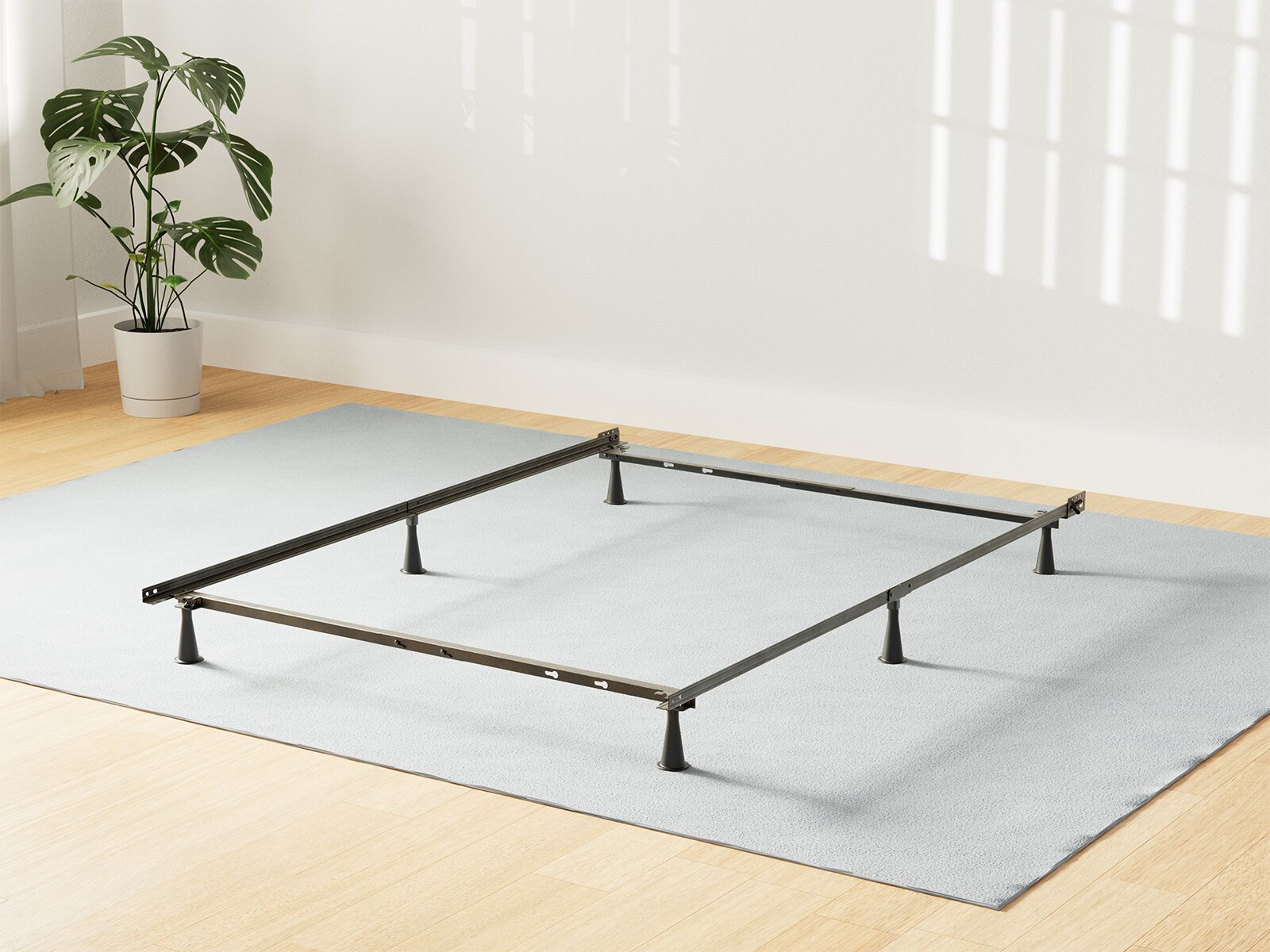
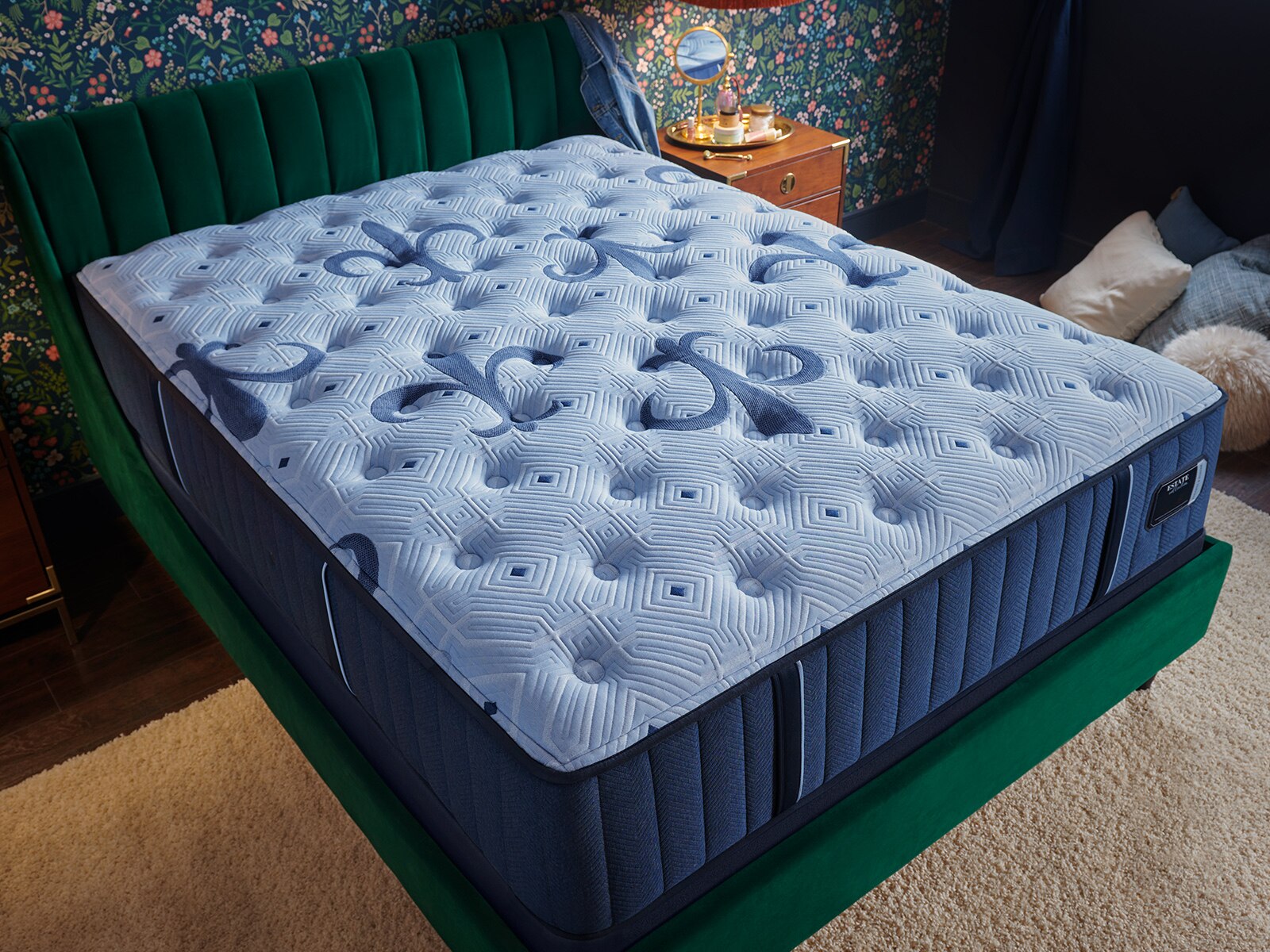
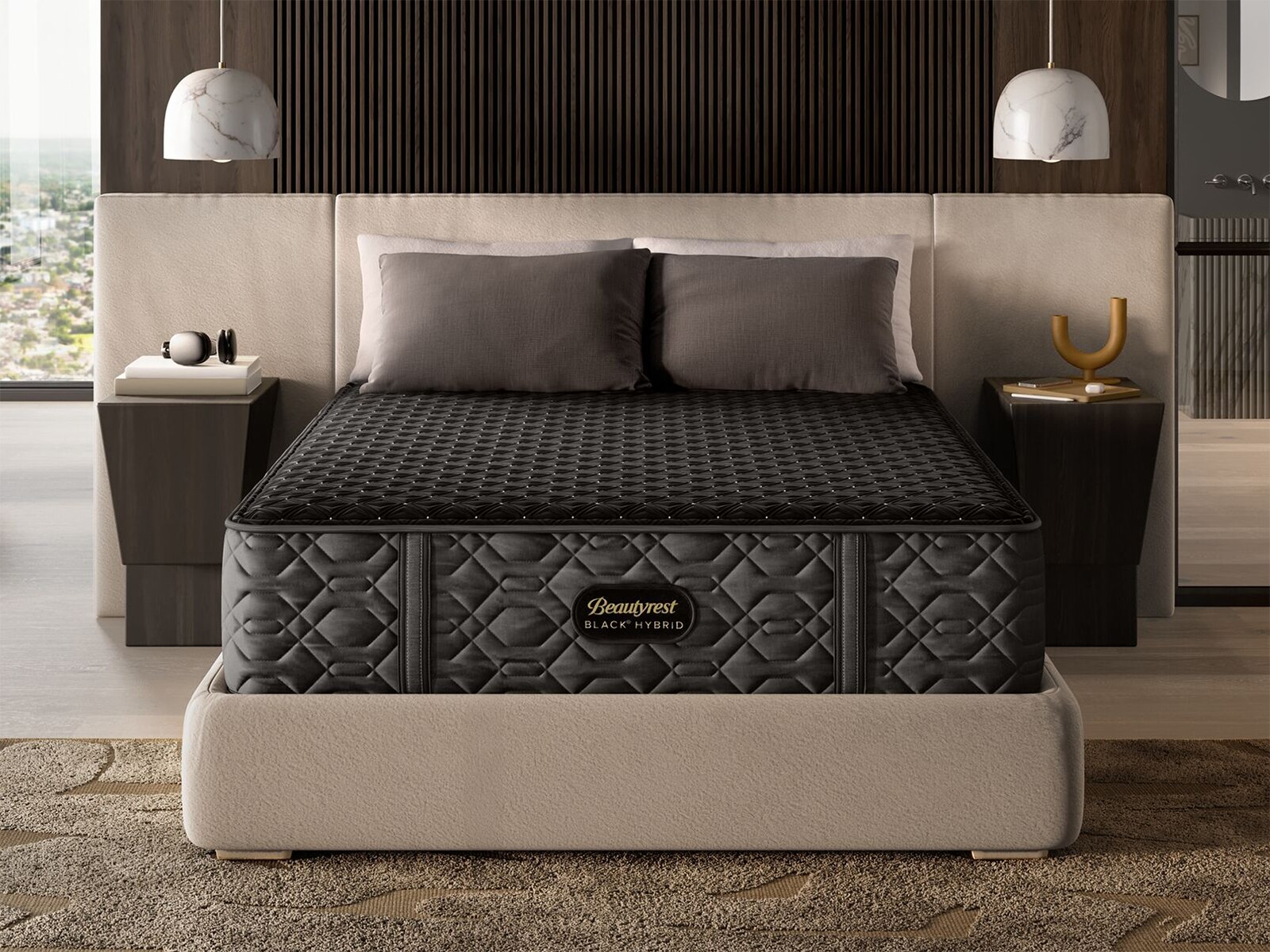
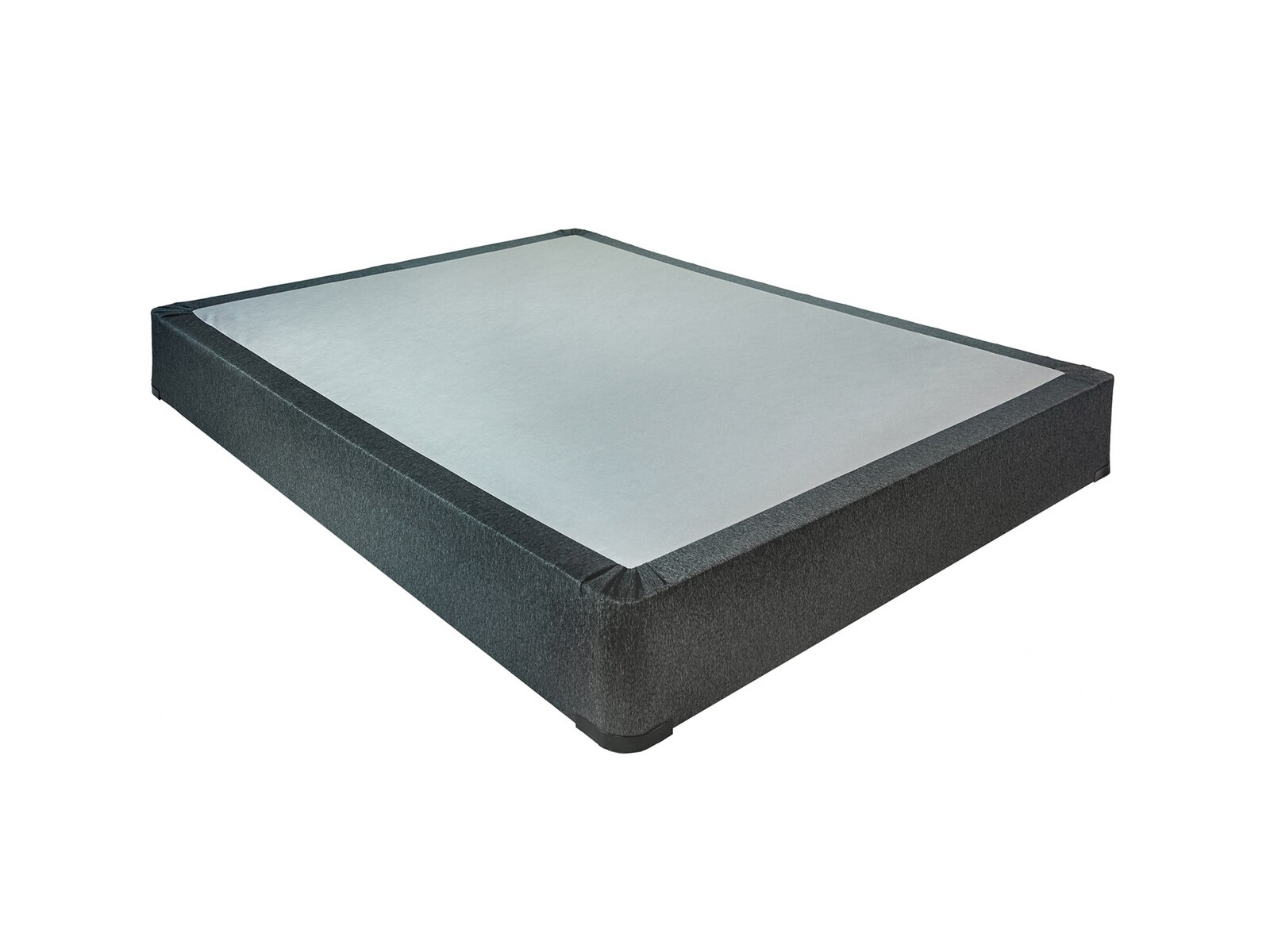
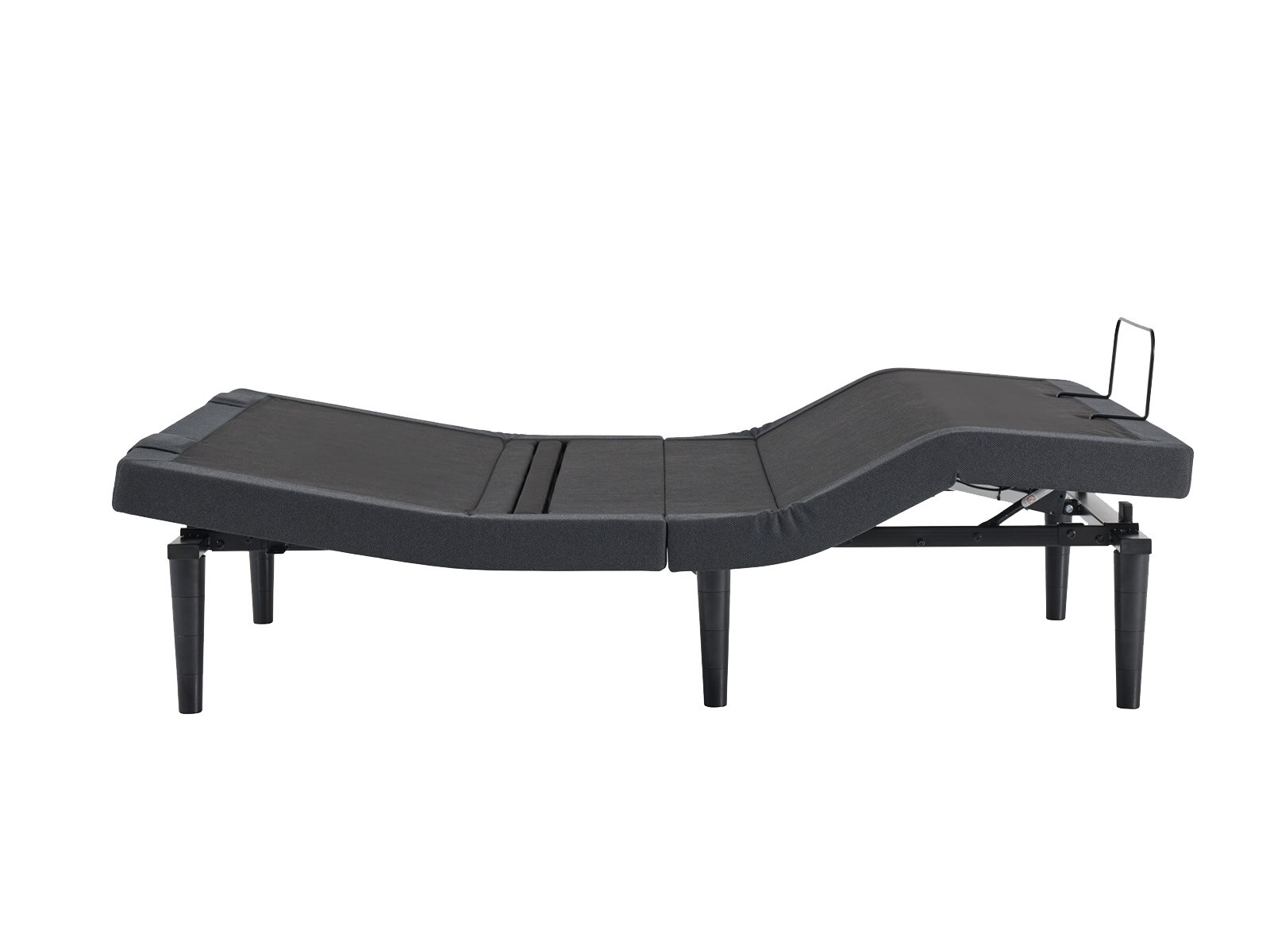
Center support beds use a beam, rail or reinforced support system beneath the middle of the sleeping surface to help distribute weight across the bed’s structure. In many designs, that central support includes legs that extend to the floor, creating a load path between the mattress support surface and the room below. This reinforcement can help limit excessive flexing in slats, foundations and side rails, which may otherwise contribute to an uneven sleeping surface or damage over time. Center support is especially relevant for wider beds, including full, queen, king and California King sizes, although the exact requirements depend on the frame and mattress manufacturer. Some beds have this structure built into the frame; others accommodate a separate, compatible center support assembly. The distinction matters because a center rail supports the structure above it rather than replacing the slats, platform or foundation that holds the mattress. A mattress also needs the type of surface and slat spacing specified by its manufacturer. For a couple sharing a queen bed, a properly supported middle helps the frame carry weight across its width instead of relying only on the outer edges. In a guest bedroom, the same reinforcement provides structural support for different sleepers over time. Center support is not a way to reverse permanent mattress impressions, repair cracked wood or make an incompatible frame suitable for a particular mattress. Its role is to reinforce a sound, correctly assembled bed system. For bedrooms used every night, that underlying structure deserves as much attention as the visible headboard or upholstery. A well-supported bed starts with compatible components working together: the frame establishes the shape, the slats or foundation support the mattress, and the center assembly helps carry the load where the design calls for it. These components also need secure connections, since a substantial beam cannot compensate for loose joints elsewhere in the frame. This makes center support beds a practical consideration for shared bedrooms, guest spaces and households replacing an older frame while keeping a mattress that remains in good condition.
Materials and construction influence how a center support system fits into that larger structure. Steel center rails are often used for their strength and relatively slim profile, while wood center beams may be integrated into wood or upholstered platform frames. Neither material tells the whole story on its own. The dimensions of the beam, the quality of its connections, the placement of the legs and the design of the surrounding frame all affect performance. A thick wooden rail with weak attachment points is not automatically more dependable than a narrower metal assembly, and the number of support legs alone does not establish a bed’s weight capacity. Published limits should apply to the complete assembled bed and account for the mattress, any required foundation and the people using it, according to the manufacturer’s specifications. Fit involves more than choosing the same size name as the mattress. The distance between the side rails, the height from the floor to the support surface and the shape of the attachment brackets all matter. Adjustable legs can accommodate certain frame heights, but only within their stated adjustment range. Properly positioned feet should contact the floor as directed without pushing the center of the bed above the surrounding support surface. Platform beds and frames designed for a separate foundation may use different arrangements, so a support made for one configuration may not suit another. Slat spacing remains important, particularly when a mattress rests directly on slats. A central beam can reinforce those slats, but it does not close the gaps between them. Underbed storage also deserves attention: a center leg may occupy the same space as a rolling drawer or storage bin, and some storage beds have an integrated support layout that should not be altered. Adjustable bases have their own structural and clearance requirements, making manufacturer-approved compatibility essential. The most useful measurements describe the actual frame and its connection points, not just the mattress resting on top. These details help distinguish a suitable center support arrangement from one that merely appears to fit beneath the bed.
Everyday care helps preserve the strength and alignment of center support beds. Fasteners can loosen with repeated movement, and a leg that once rested firmly on the floor may need attention after the bed has been moved. Periodic checks, following the manufacturer’s directions, can reveal loose connections, bent brackets, split slats or feet that no longer sit flat. A new squeak is worth investigating rather than covering up: it may come from a frame connection, a slat rubbing against its support or a center foot shifting on the floor. Tightening hardware should follow the specified method, since excessive force can damage threads or compress wood around a connection. Cleaning is usually straightforward, with dust removed from exposed rails and legs and finishes cared for according to their material. Moisture should not be left on metal components or allowed to soak into wood. Floor protection should also suit the support design; approved pads or broad feet can help protect certain surfaces without creating an unstable stack beneath a leg. When rearranging a bedroom, lifting and repositioning the bed according to its assembly instructions is safer for the structure than dragging it across the floor with the mattress in place. This is particularly important when center legs could catch on flooring or bend sideways. For someone who uses underbed bins frequently, keeping the path around those legs clear can prevent repeated bumps that disturb their position. A bed that rocks, develops a visible dip or has damaged structural parts needs assessment before continued use; adding another leg is not necessarily the right repair. For a broader look at beds designed around a stable foundation, explore
Superior Support Beds. Whether furnishing a primary bedroom or updating a guest space, the strongest choice is a bed whose materials, dimensions and support requirements work together, with enough access underneath to inspect and maintain the structure over time.