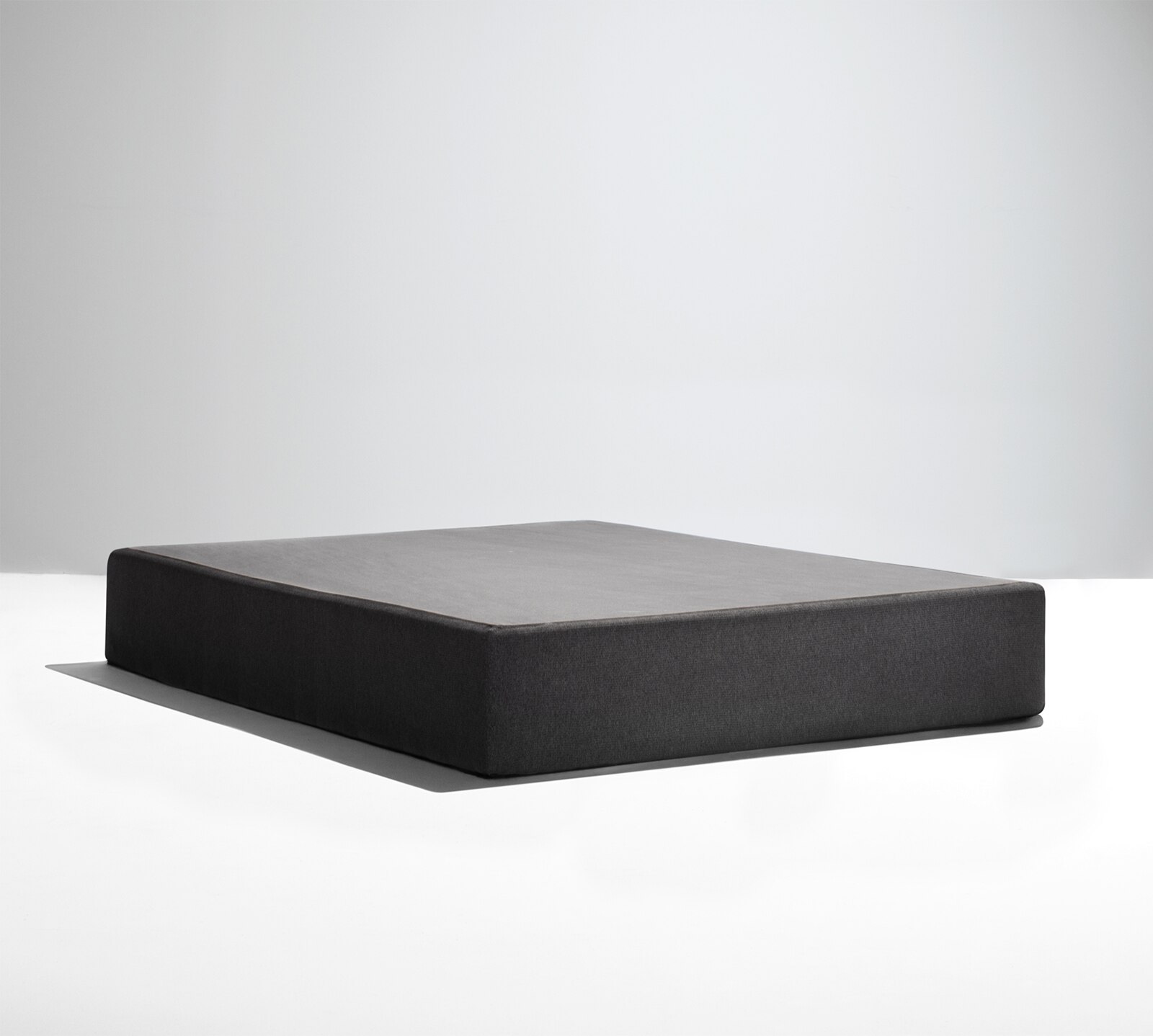
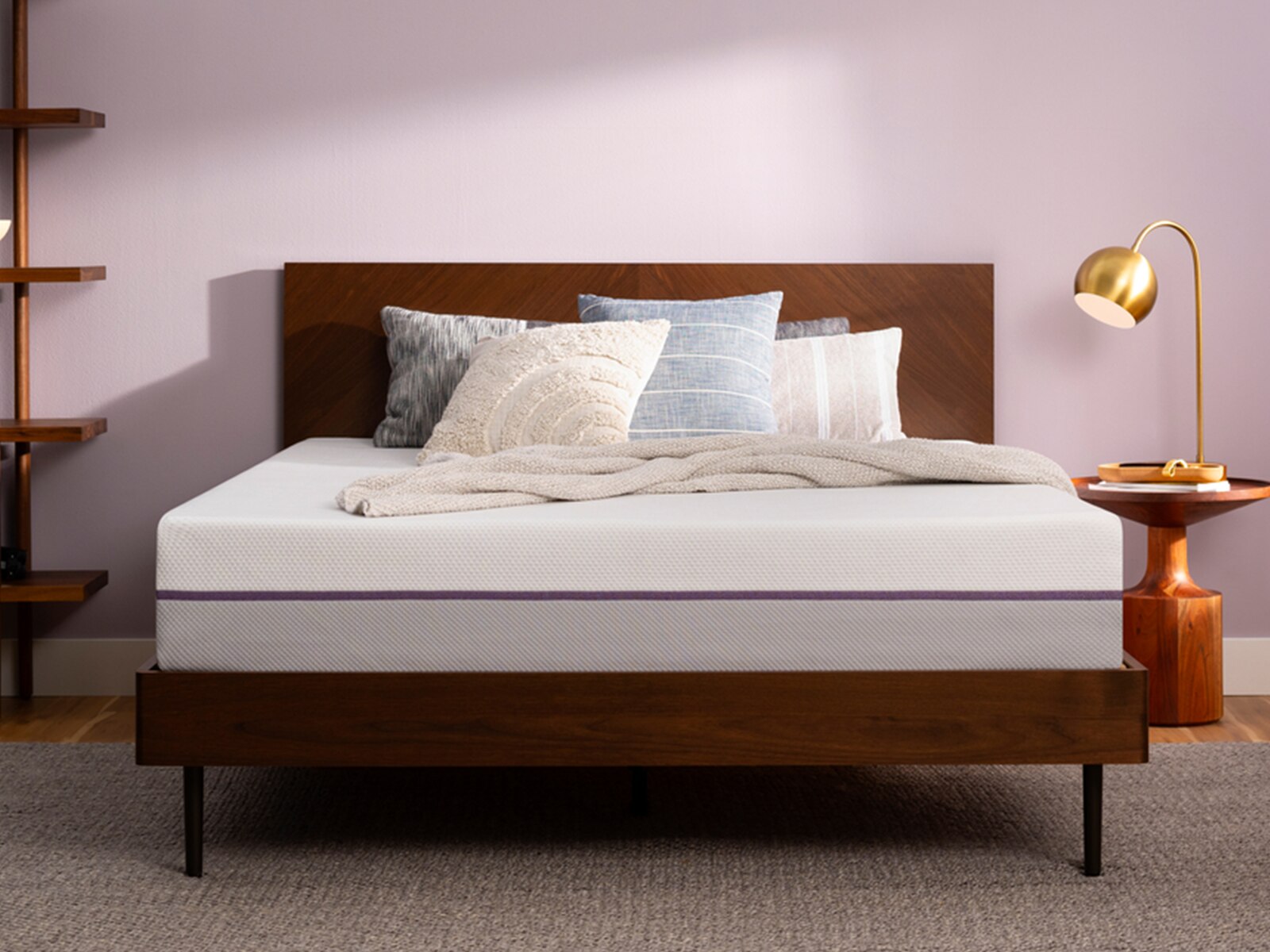
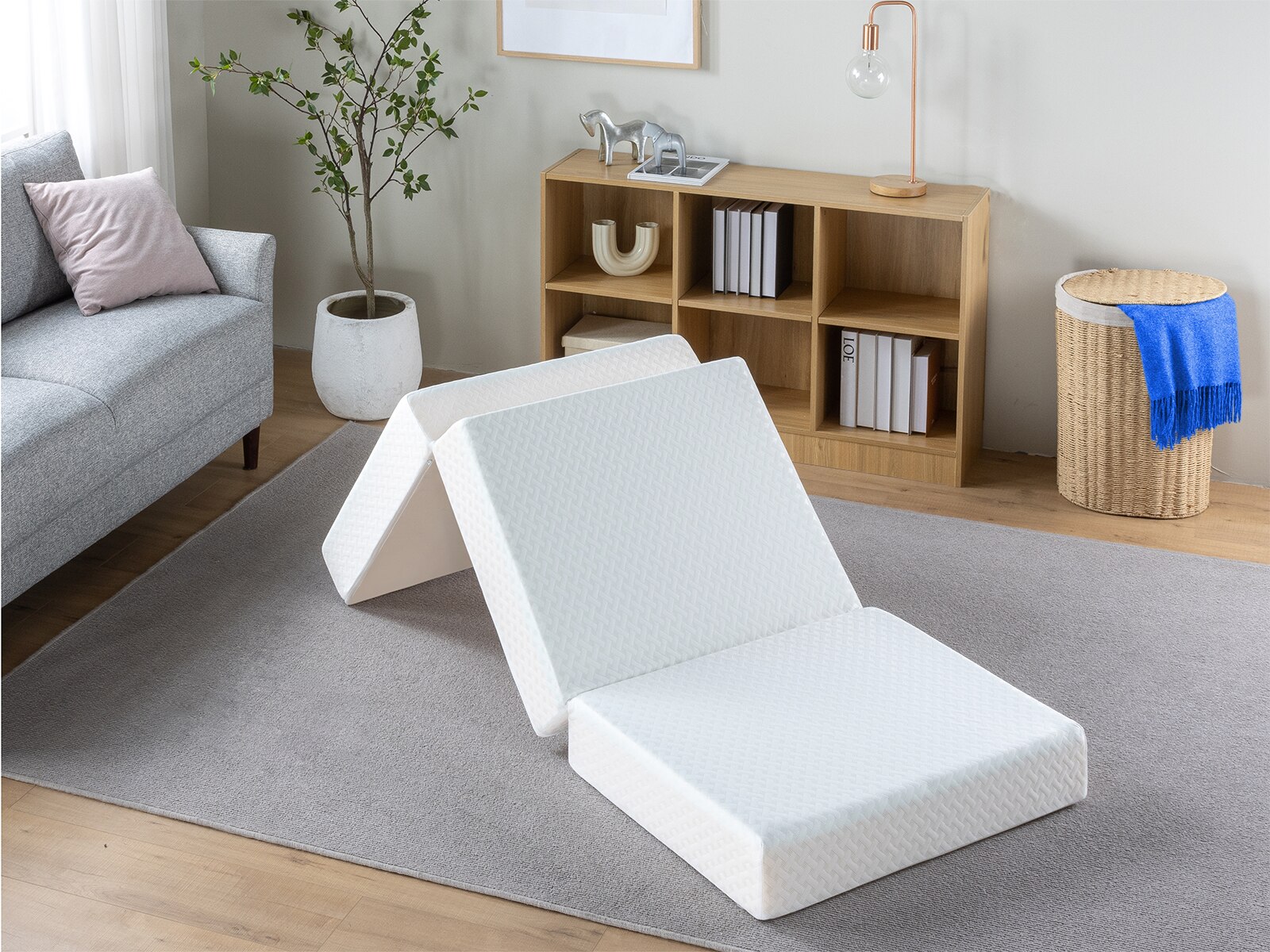
College apartment bedding accessories add comfort, protection and personal style to a bed that often does more than provide a place to sleep. In a compact bedroom, that same space may become a spot for reading, watching a movie or catching up with a roommate between classes. Sheets, mattress protectors, pads, toppers, pillows and blankets each serve a different purpose, making it useful to think about how the layers work together. A mattress protector helps create a barrier against everyday spills and moisture when it has a waterproof construction, while a mattress pad typically adds a modest layer of cushioning. A topper changes the feel of the sleep surface more noticeably, though it cannot correct a mattress with significant sagging or structural damage. Fit matters across every layer. College apartments do not necessarily have the same beds as residence halls, so checking the actual mattress dimensions is more reliable than assuming Twin XL bedding will fit. A standard twin mattress generally measures 38 by 75 inches, while a Twin XL generally measures 38 by 80 inches; those extra five inches affect fitted sheets, protectors and toppers. Full and queen beds are also common in apartments, particularly when students bring their own furniture. Mattress depth deserves equal attention, especially when a topper adds height beneath the fitted sheet. Pocket depth, elastic coverage and the dimensions listed on the packaging help indicate whether a sheet will stay tucked around the corners. For students moving from campus housing,
Dorm Room Bedding offers a related bedding category, with measurements still worth checking before reusing familiar layers in a new space. Material choice shapes everyday feel: cotton can offer a breathable surface, cotton percale typically feels crisp, sateen often feels smoother and microfiber can provide a soft finish with straightforward care. Fabric construction, fiber content and care requirements together tell more about suitability than thread count alone, particularly for bedding that will see frequent washing in a shared laundry room.
Pillows and blankets help make a college apartment bed feel comfortable for sleeping without overwhelming a small room. Pillow support depends on more than whether a pillow feels soft when squeezed. Loft, fill and how much the pillow compresses all influence the position of the head and neck. Side sleepers often prefer enough height to fill the space between the shoulder and head, while back sleepers may feel more comfortable with a moderate profile. Stomach sleepers generally need a lower profile to avoid lifting the head too far. These are starting points rather than fixed rules, since body proportions and mattress feel also affect alignment. Foam and fiber fills offer different sensations, from more defined contouring to a softer, fluffier feel, and the cover material influences the surface against the face. Removable, washable pillow protectors can make routine care easier, but the pillow itself may have different cleaning requirements. Blankets, quilts and comforters bring another layer of comfort while helping establish the look of the room. A generously sized cover can offer more coverage when someone turns over, although too much fabric may drag across the floor or crowd the walkway beside a low bed. Checking finished dimensions is especially helpful when choosing bedding for a thick mattress or a bed positioned against a wall. Texture adds interest without requiring a large collection of decorative pieces: a smooth sheet, a quilted cover and a soft throw can give a simple bed a finished appearance. A restrained color palette also makes it easier to mix replacement pillowcases or a second sheet set with existing bedding. Decorative cushions have the most practical value when there is somewhere clean to place them at bedtime. In a room where the bed doubles as seating, a few supportive pillows and a washable throw can make the transition from study break to bedtime simpler, without leaving a pile of extra fabric on a desk chair.
Easy care and dependable construction are especially useful when bedding needs to fit around classes, shared laundry facilities and a busy household. Machine-washable layers can simplify upkeep, but the care label remains the best reference for washing, drying and any cleaning limitations. A bulky comforter may need more drum space than a compact apartment washer provides, while a removable duvet cover can make the outer layer easier to wash separately. Covers and inserts should have compatible dimensions, with closures and interior ties that help keep the insert from shifting. Sturdy seams, secure hems and well-attached fasteners are worth considering for pieces that will be handled often. For fitted bedding, resilient elastic can help maintain a secure fit through repeated use. Keeping an extra set of sheets means the bed can be remade while another set is being washed, rather than waiting beside a dryer late in the evening. Bedding also needs a sensible place to go between uses. Folded spare linens can sit inside a clean, dry storage container, and a matching pillowcase can keep a sheet set together so its pieces are easier to find. Any bedding stored beneath the bed should be protected from dust and kept away from damp surfaces. A bed skirt can conceal storage where the frame allows it, but its drop length should match the distance to the floor without trailing underfoot. Practical details like these matter for first-time apartment residents, students sharing a bedroom and anyone furnishing a small off-campus space. Bedding accessories can also make thoughtful gifts for a college move, especially when the recipient’s mattress size, preferred feel and laundry setup are known. Washable everyday layers are generally easier to work into an existing room than highly specific decorative choices. The most useful combination reflects how the student actually lives: comfortable bedding for regular sleep, protection for the mattress and manageable layers that can be washed, stored and carried through the next move.