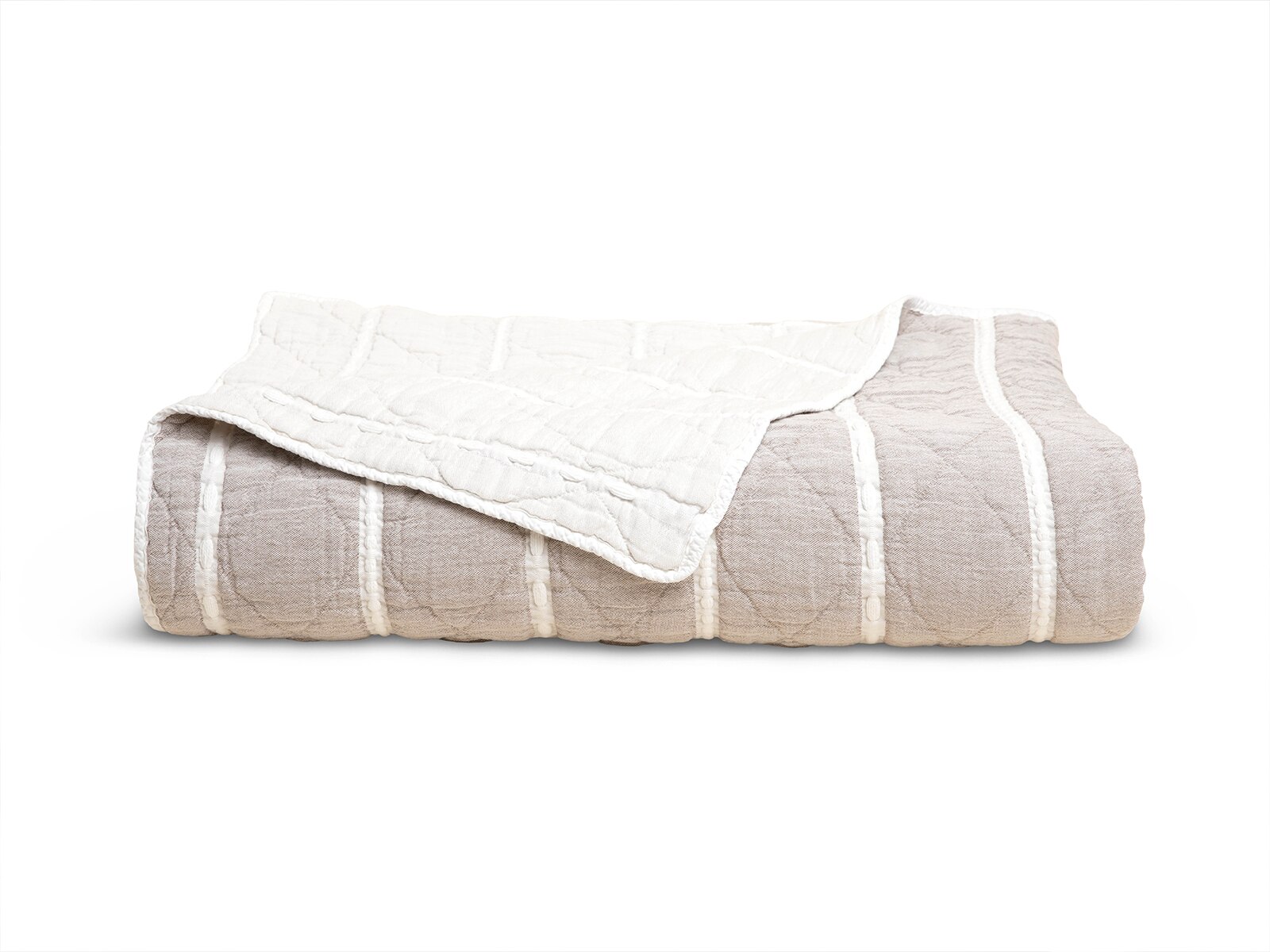
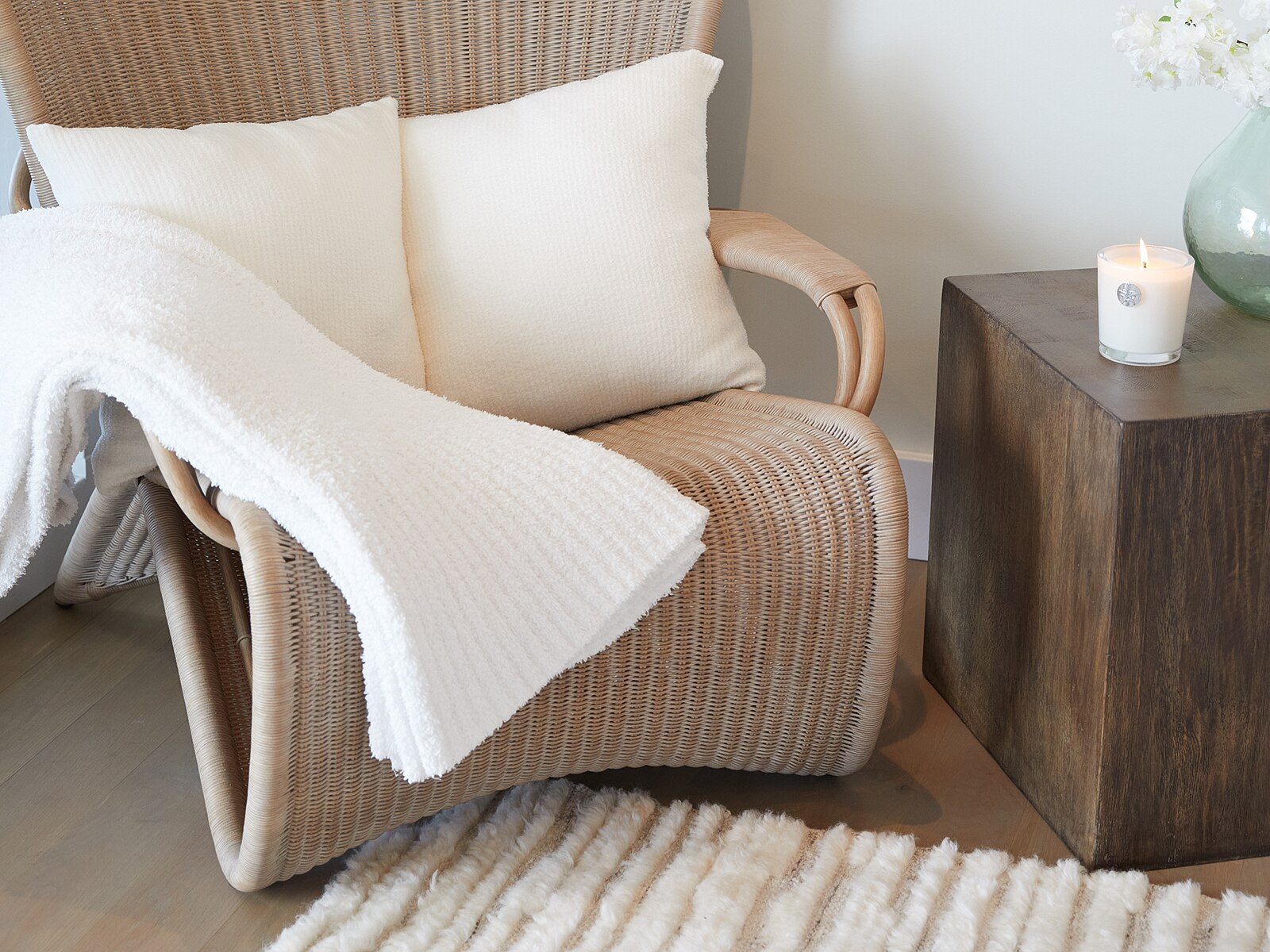
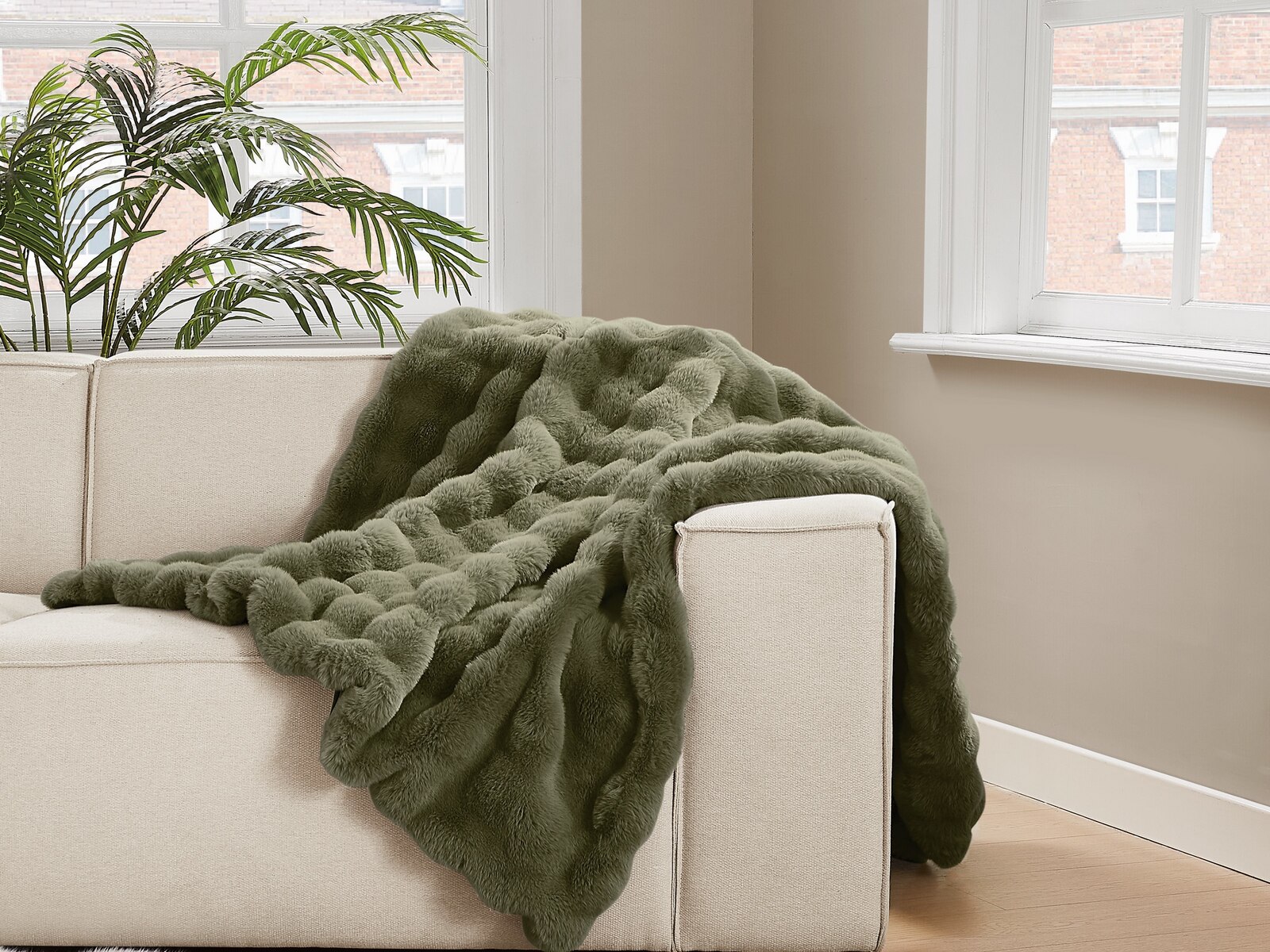
Comfort essentials are the everyday fabrics, supportive layers and thoughtful details that make resting, sleeping and unwinding feel more comfortable. Across bedding, sleepwear and relaxation textiles, the most useful qualities are often simple: a pleasant feel against the skin, enough room to move and construction that holds up to regular use. Softness can take several forms. A smooth woven fabric feels different from a stretchy knit, while brushed surfaces and fleece have a plush texture with more loft. Cotton is often chosen for its familiar feel and ability to absorb moisture, though its weight and weave influence how it drapes. Linen has a more textured hand and tends to soften with washing. Fabrics made with viscose or lyocell can feel fluid and smooth, while polyester blends may offer easy care and resistance to wrinkling, depending on their construction. Fiber content alone does not tell the whole story; seams, surface finishes and fabric density also affect comfort. Someone settling into a reading chair may enjoy a substantial, enveloping layer, while someone who changes position frequently may prefer a lighter fabric that moves easily. A slightly weighted feel comes from the fabric or construction and is separate from softness: a heavier textile is not automatically more comfortable, and a substantial layer should still be easy to reposition or remove. Clothing intended for lounging benefits from the same attention to detail. A relaxed fit should allow sitting, stretching and curling up without a waistband digging in or a seam pulling across the shoulders. Stretch can help fabric follow movement, but shape retention matters just as much. Cuffs that stay in place, smooth interior seams and closures positioned away from pressure points can make a noticeable difference over several hours of wear. These are practical comfort features whether the setting is a quiet evening at home, a few chapters before bed or a long stretch spent seated while traveling.
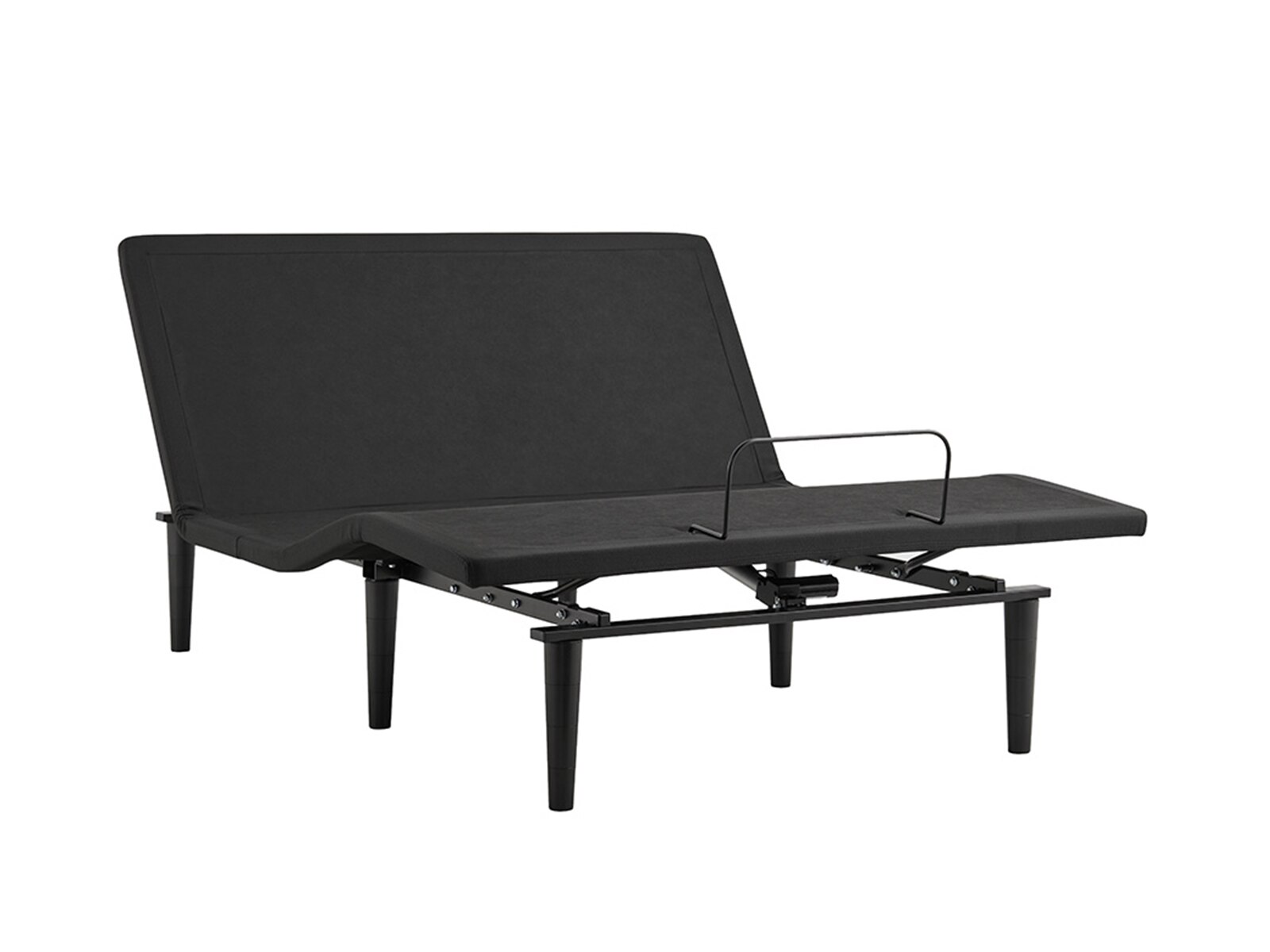
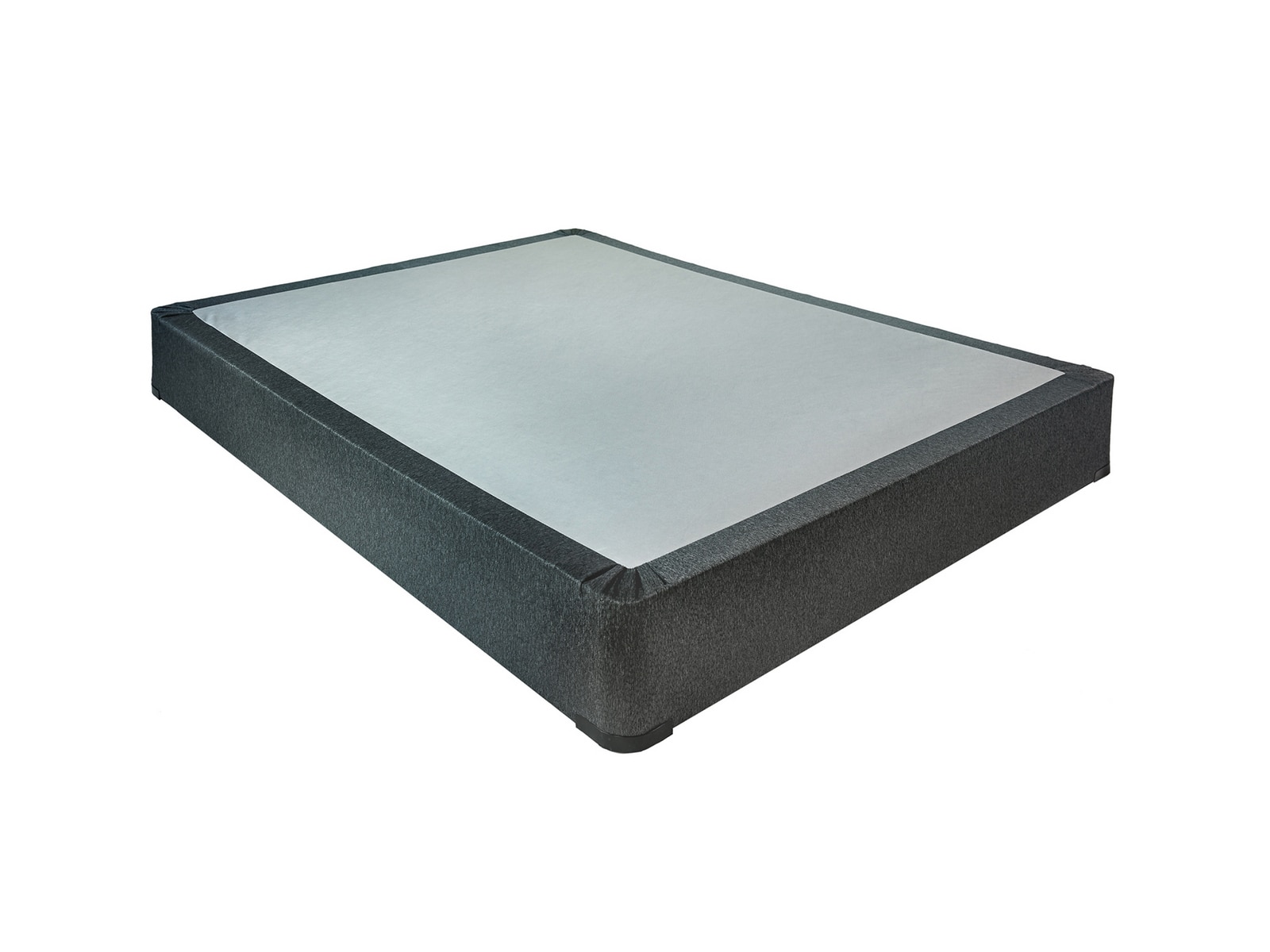
For the bed itself, comfort comes from the way surfaces work together rather than from softness alone. A smooth base, a supportive place to rest the head and layers that move without bunching each serve a different purpose. Fit is especially important because slipping corners, tight edges and excess fabric can interrupt an otherwise comfortable setup. Mattress size is only part of the measurement; the full depth, including any added cushioning, determines how much room a fitted layer needs. A snug fit should hold securely without straining the elastic or pulling the corners upward. Generous coverage can also matter when two people share a bed and each wants enough fabric to change position comfortably. Head and neck support deserves similar attention. A side sleeper may need more height to fill the space between the shoulder and head, while a back sleeper may prefer a lower profile; the right feel also depends on shoulder width and how deeply the body settles into the mattress. The aim is a comfortable, neutral position rather than the tallest or softest option. For someone who reads upright before lying down, the support that feels good while seated may differ from what feels comfortable for sleep. Materials respond differently, too: some cushioning compresses readily, while other constructions hold their shape more firmly. Removable covers can simplify care, but the outer fabric and inner fill may have separate cleaning requirements. Everyday durability shows up in small details, including secure stitching, evenly distributed fill and edges that keep their shape. A tightly constructed textile may resist snagging better than a loose, open surface, while raised textures can require extra care around jewelry or pet claws. Even thread count needs context, since a higher number does not by itself establish softness or longevity. Fabric construction, yarn quality and finishing all contribute to how bedding feels after repeated use and washing. A comfortable sleep space balances these details with personal preferences instead of relying on a single measurement or label.
Daily routines help determine which comfort essentials will earn the most use. A frequently used layer needs to be straightforward to clean, while something shared with overnight guests benefits from versatile sizing and an uncomplicated feel. For travel, flexible fabrics and manageable bulk can matter more than an especially plush surface. Clothing should remain comfortable after hours of sitting, and any pocket closures or hardware should be positioned so they do not press into the body. At home, a fabric that drapes neatly over a chair may be easier to keep within reach than something that needs careful folding after every use. These practical differences also make comfort-focused gifts personal without requiring an elaborate gesture. A student settling into a new living space, a friend preparing a guest room or someone who enjoys an unhurried bedtime routine may appreciate soft, easy-care textiles. When preferences are unknown, familiar textures, adaptable dimensions and simple care requirements can be more useful than a highly specialized feel. Upkeep helps preserve that comfort. Care labels should determine washing and drying methods, especially when a fabric has stretch, a brushed finish or a filled interior. Excessive heat can damage some fibers and elastic components, while too much detergent may leave residue that changes the surface feel. Giving fabrics enough room to circulate during washing and allowing filled layers to dry completely can help prevent clumping and lingering dampness. Loose threads, thinning areas and stretched edges are worth noticing early, before a small issue becomes a larger tear. Storage matters as well: clean, fully dry textiles kept in a dry space are easier to bring back into the daily routine. A comfortable resting area also benefits from consistent attention beyond the fabric itself, making
Home Care Essentials a useful complement to everyday upkeep. The lasting value of comfort essentials is in that everyday usefulness: a welcoming surface at bedtime, an easy layer for quiet moments and familiar textures that continue to feel good with regular care.