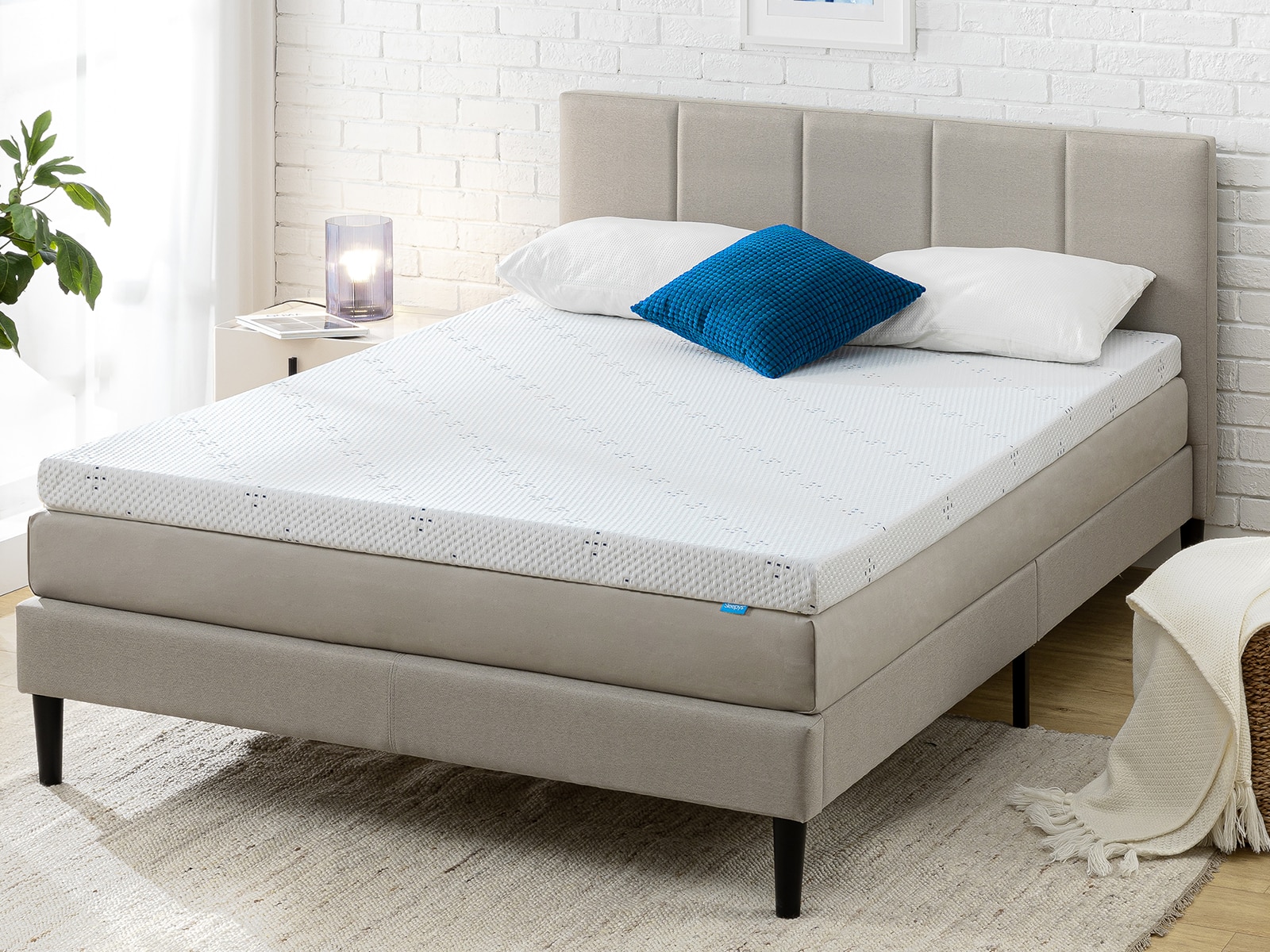
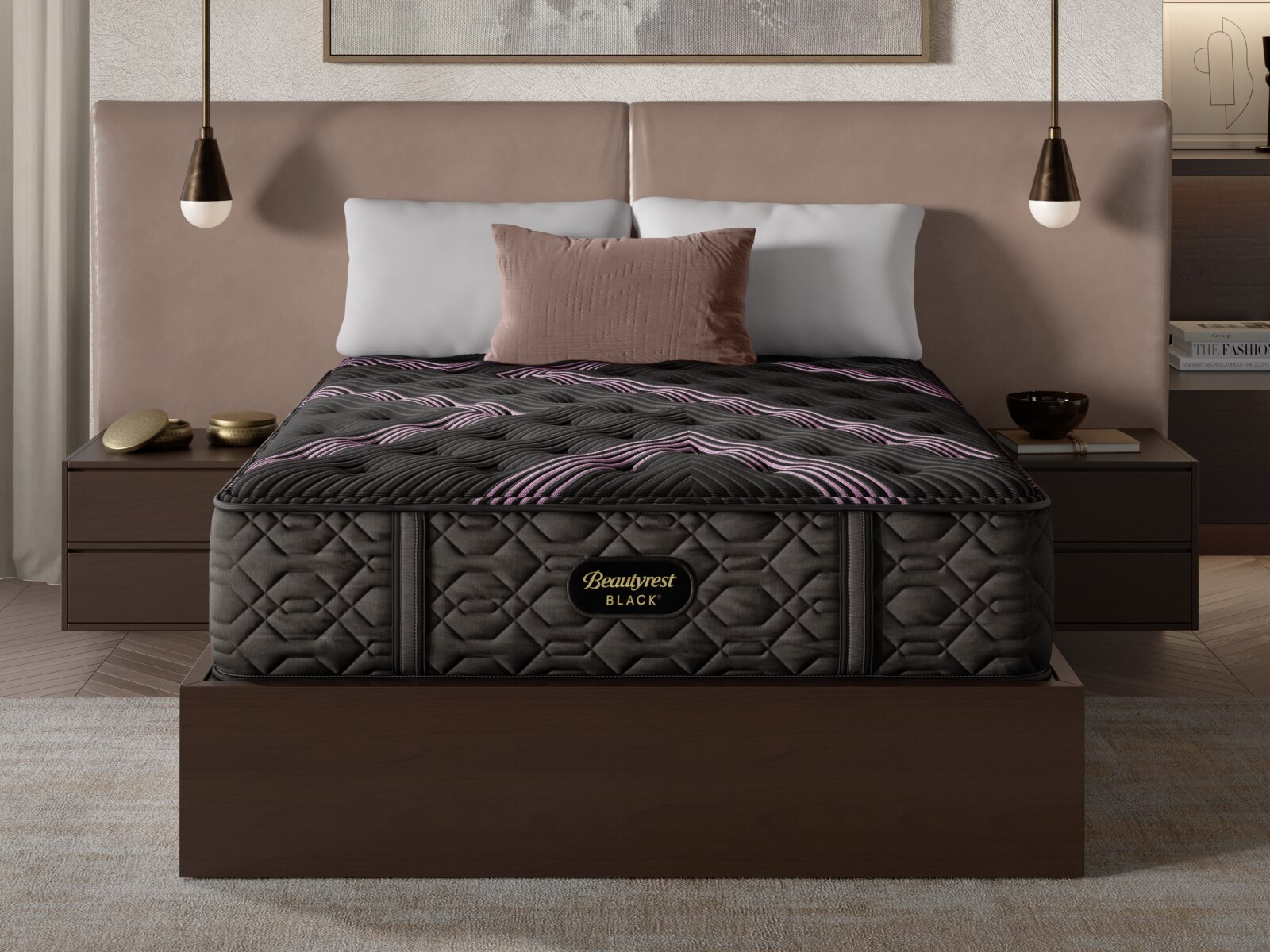
Comfort mattresses span a range of materials and firmness levels, because a comfortable feel is personal rather than one-size-fits-all. The right balance lets the shoulders and hips settle into the surface while supporting the rest of the body in a natural position. Cushioning and support serve different purposes: cushioning softens contact with the mattress, while the support system helps control how deeply the body sinks. A plush surface can still have a substantial support core, and a firm mattress can still include pressure-relieving padding. Memory foam responds to body weight and gradually contours around curves, creating a close, cradling feel. That contouring can help distribute pressure at the shoulders and hips, while the material’s ability to absorb movement may make a partner’s position changes less noticeable. Latex generally has a more buoyant response, compressing under weight and recovering quickly as the sleeper moves. Traditional innerspring construction emphasizes the responsive feel of coils, with surface comfort shaped by the padding above them. Hybrid mattresses combine a coil support system with foam, latex or other cushioning materials, offering different balances of contouring and ease of movement. Individually wrapped coils can move more independently than connected coil systems, although motion transfer depends on the complete construction. Breathable covers and open spaces within a coil core can encourage airflow, while dense cushioning may create a more enveloping sensation. The
Mattresses With Comfort Layers collection offers another way to explore the cushioning that shapes a mattress’s surface feel. Comfort layers may include several materials with different responses, so thickness alone does not explain how a mattress will feel. A quilted top can provide an immediately cushioned touch, while deeper layers become more noticeable as body weight settles into the mattress. The combination matters more than any single feature, particularly for someone who enjoys a soft welcome without feeling deeply nestled into the bed.
Sleep position, body weight and movement habits all influence which comfort mattress feels most comfortable. Side sleepers often appreciate enough cushioning for the shoulder and hip to settle without taking on excessive pressure. If those areas barely compress the surface, the mattress may feel harder than its firmness label suggests. Back sleepers commonly prefer a balance that supports the pelvis while allowing the mattress to follow the curve of the lower back. Stomach sleepers often benefit from a steadier surface that limits excessive sinking around the midsection. These are useful patterns rather than fixed rules, and personal preference still matters. Someone with a lighter build may experience less contouring on the same mattress than someone with a heavier build, simply because the materials compress differently under different amounts of weight. A person who changes positions several times during the night may enjoy responsive cushioning that makes turning over feel less effortful. A sleeper who stays mostly on one side may place greater value on close contouring. For couples, comfort also includes how the mattress behaves beyond each person’s usual sleeping position. Motion isolation can help reduce disturbances when one partner gets into bed later, while stable edge support can make the perimeter feel more usable. A supportive edge may also feel reassuring when sitting down to put on socks or getting out of bed. Mattress size contributes to comfort by providing room to stretch and reposition. A twin can suit a child’s room or a compact guest room, while a Twin XL adds length for a taller sleeper. A queen provides more shared space, and a king gives partners additional room to spread out. A California King offers extra length but is narrower than a standard king. Room dimensions, walking space and the size of the bed frame remain part of the fit. Mattress height matters, too: a thick mattress on a tall foundation creates a different experience from the same mattress on a low platform, especially when sitting at the edge or getting into bed.
Everyday use and care help preserve the qualities that make a mattress comfortable. A primary bedroom mattress needs to accommodate regular sleep, while a guest room mattress may need a feel that welcomes people with different preferences. A balanced surface can be a practical choice for occasional visitors, though no firmness suits everyone equally. In a child’s room, comfort belongs alongside appropriate support, a properly fitted frame and materials that can be maintained according to the manufacturer’s directions. Across these settings, the foundation beneath the mattress plays an important role. A compatible platform, foundation or adjustable base helps the mattress perform as intended; an uneven or inadequately supported surface can affect both feel and durability. Some constructions work with adjustable bases, but compatibility depends on the mattress and the base rather than on softness alone. A properly fitted mattress protector helps shield the surface from spills and everyday moisture, and sheets with a suitable pocket depth stay in place without tightly compressing the upper layers. Cleaning methods should follow the care label, since soaking foam or using excessive moisture can be difficult to remedy. When spot cleaning is permitted, allowing the surface to dry fully before replacing bedding helps prevent trapped moisture. Rotation may encourage more even wear when recommended, but flipping is appropriate only for mattresses designed to be used on both sides. Durability depends on the quality and arrangement of materials, the support underneath and how the mattress is used, not simply on how thick or firm it feels. Foam density and firmness are different characteristics, so a firmer sensation does not automatically mean a longer-lasting mattress. Over time, persistent sagging, uneven support or a noticeable change in comfort deserves attention. Pillows and bedding also influence the overall experience: a pillow that suits the sleeper’s position helps complement the mattress rather than compensate for it. Together, thoughtful construction, a suitable fit and consistent care create a sleep surface that feels comfortable beyond the first impression.