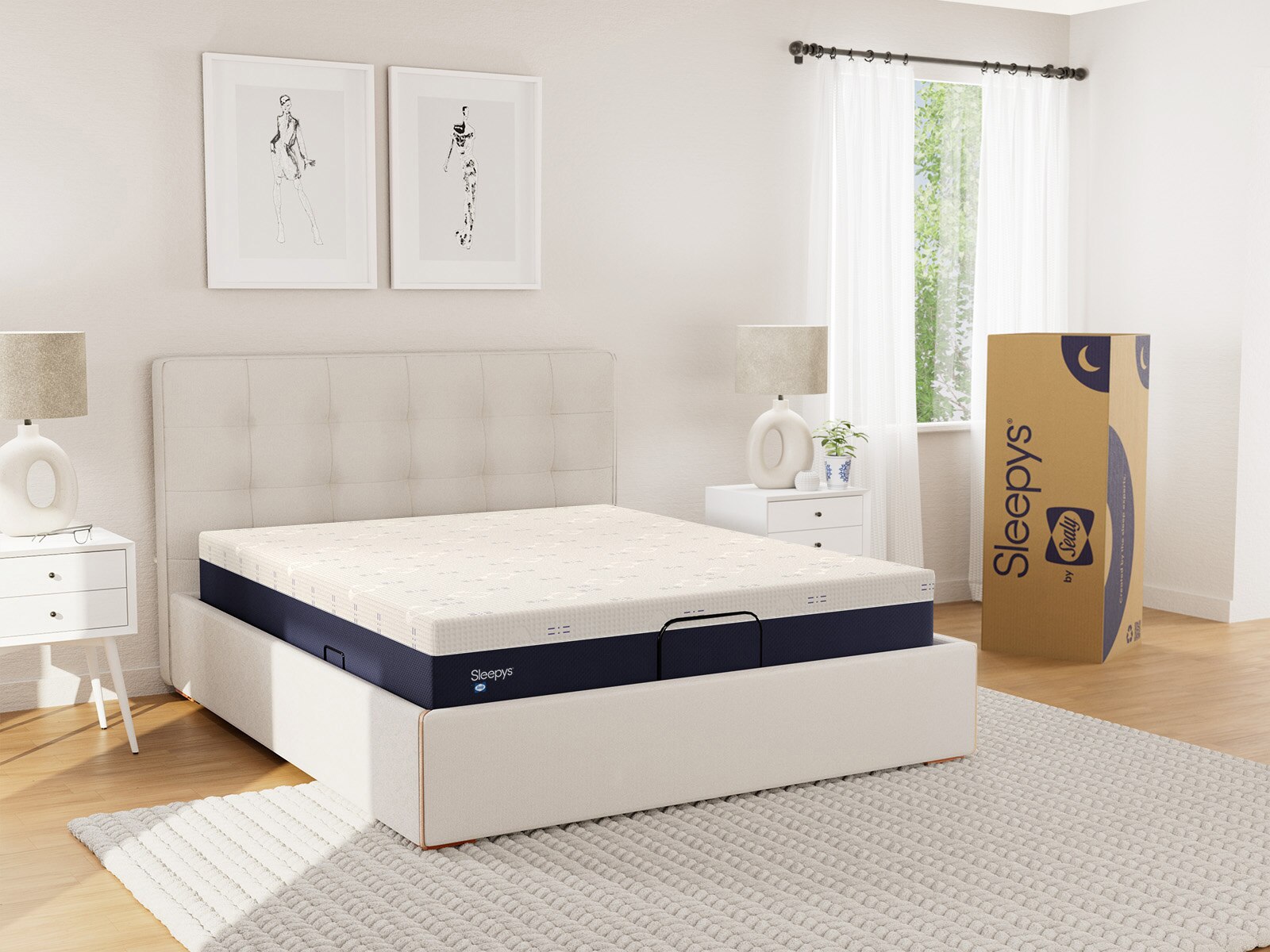
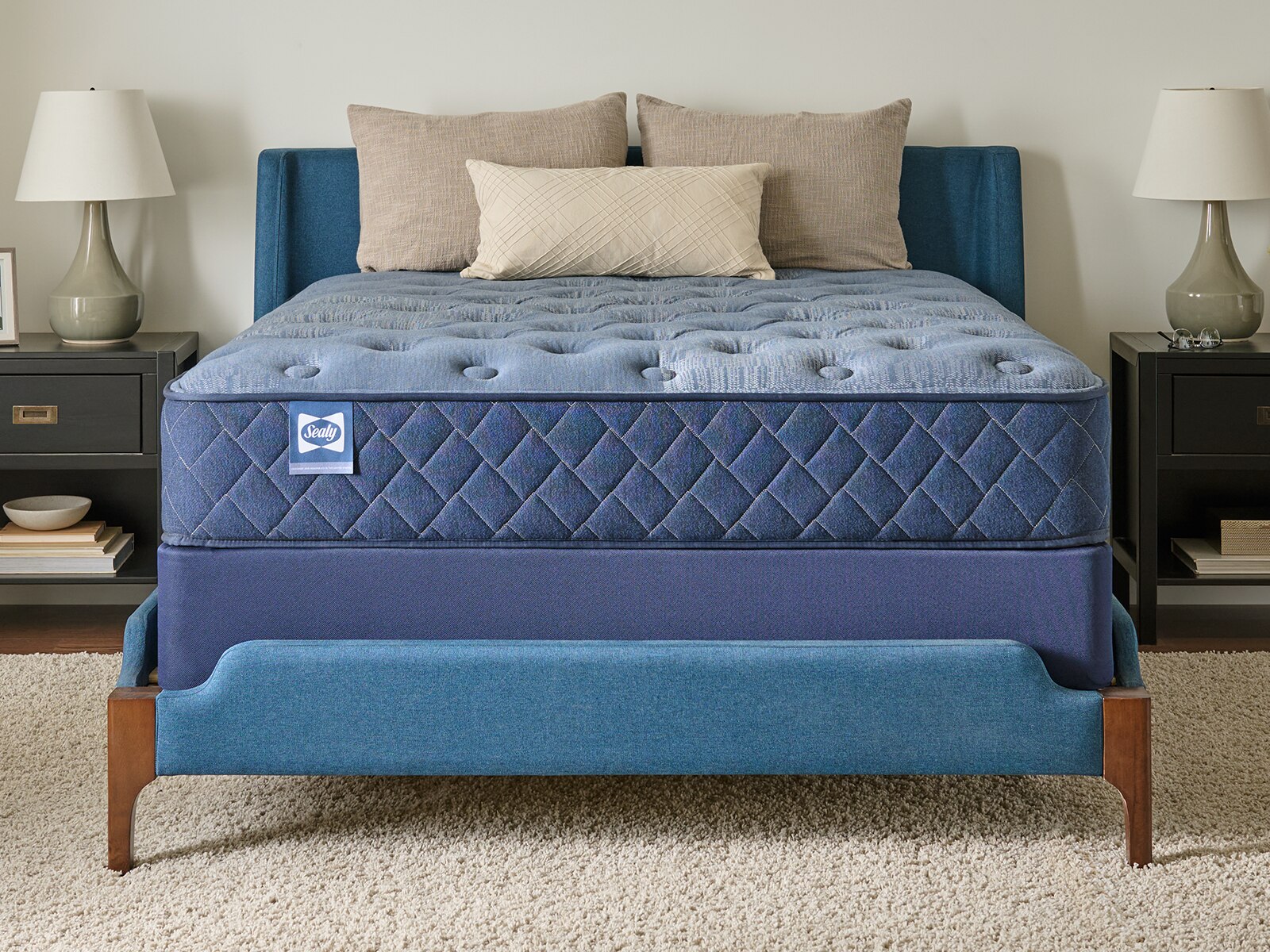
Comfort solutions for pain relief include supportive mattresses, pressure-relieving cushioning and pillows that help make resting positions more comfortable. The goal is to reduce concentrated pressure and support the body without forcing it into an awkward position. These sleep products may help with everyday discomfort, but they do not diagnose or treat the underlying cause of pain. A shoulder pressed against a firm surface, a hip sinking too deeply or a neck tilted by an overly tall pillow can make it harder to settle down and stay comfortable. A well-matched sleep surface balances cushioning with support: the upper layers soften contact around areas such as the shoulders and hips, while the underlying structure helps keep the body from sinking unevenly. Memory foam typically contours closely to the body, latex generally offers a more responsive feel and coil systems provide support with varying amounts of cushioning above them. Hybrid constructions combine coils with foam or latex comfort layers. No single material or firmness level is best for everyone, and a firmer mattress is not automatically better for back discomfort. Body size, preferred sleeping position and personal sensitivity to pressure all influence how a surface feels. Side sleepers often need enough cushioning for the shoulder and hip to settle in without leaving the waist unsupported. Back sleepers may prefer a steadier surface that supports the pelvis while allowing comfortable contouring around the lower back. Stomach sleepers generally benefit from limiting excessive sinking around the midsection, although that position may still aggravate neck or back discomfort for some people. Someone who changes positions frequently may appreciate responsive materials that make turning feel less effortful. Mattress dimensions matter, too: enough room to shift position without reaching the edge can make rest more comfortable, especially when sharing a bed. Evaluating how the whole body feels in a usual resting position is more useful than judging comfort from a brief seated impression or a firmness label alone.
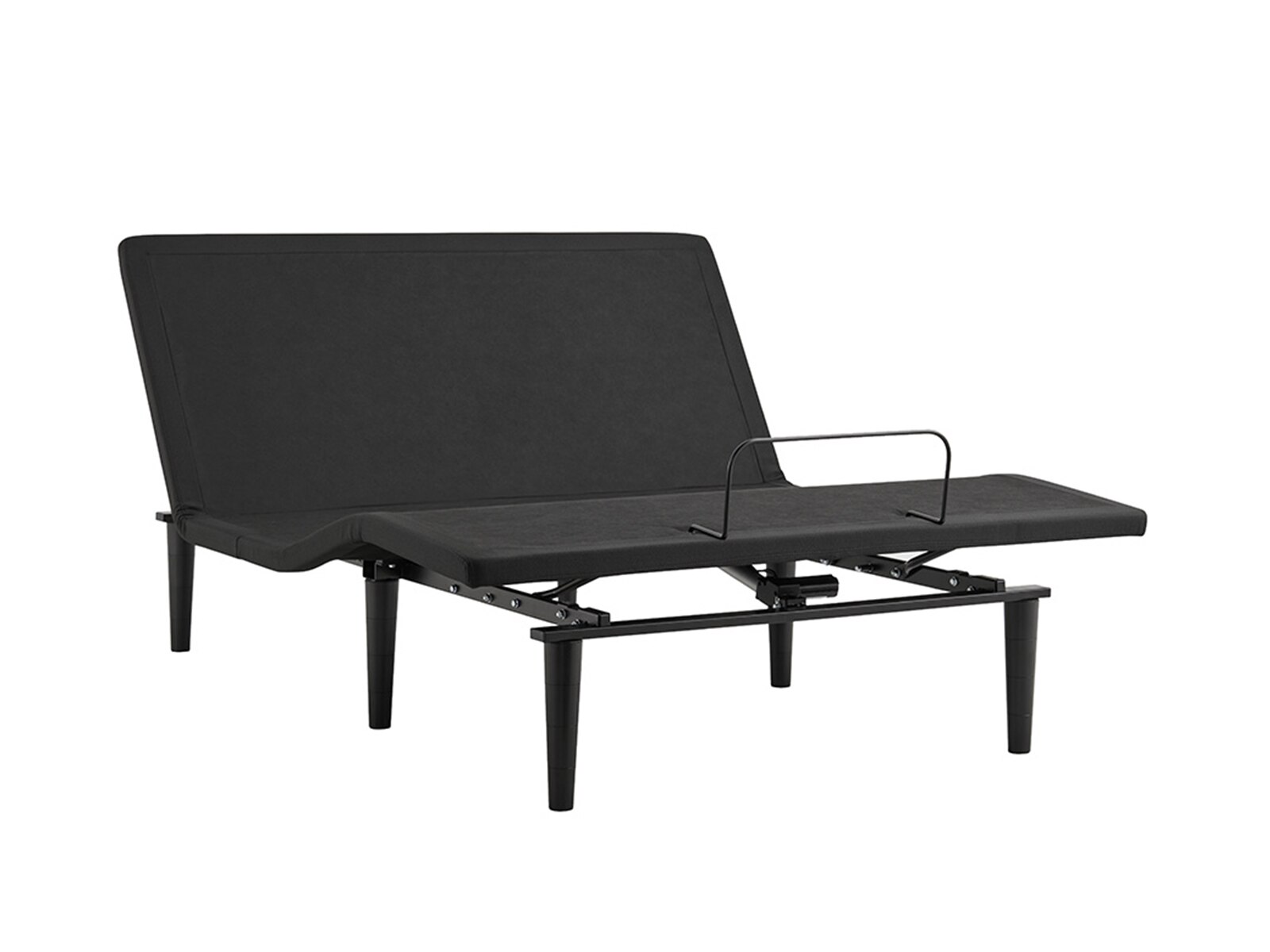
Pillows and cushioning layers offer additional ways to fine-tune comfort without treating every part of the bed as a separate problem. A head pillow should work with both the sleeper and the mattress, filling the space beneath the head and neck without pushing them sharply upward or letting them drop. A side sleeper on a surface that allows substantial shoulder sinking may need a different pillow height than someone resting on a less conforming mattress. For back sleepers, excessive pillow height can tip the chin toward the chest; for stomach sleepers, a thick pillow may increase neck rotation. Adjustable-fill pillows allow changes in height and feel, while shaped pillows offer more defined support that will suit some sleepers better than others. Positioning pillows can also make everyday rest more comfortable. A pillow between the knees may help a side sleeper avoid twisting through the hips, while a pillow beneath the knees may feel comfortable for someone resting on their back. A body pillow can provide a place to rest the upper arm and leg instead of letting them pull forward. These arrangements should feel gentle rather than forceful, and discomfort is a reason to change position rather than push through it. Mattress toppers add a cushioning layer and can soften a surface that feels too rigid, but they cannot repair sagging or restore a worn support system. Their thickness, density and responsiveness affect both pressure relief and how easily a sleeper can move. Adjustable bases offer another way to personalize a resting position by raising the head or foot of a compatible mattress. That flexibility can be useful for reading, relaxing or finding a comfortable supported posture, but elevation is not a universal remedy for pain. Fit includes practical details such as mattress compatibility, bedding depth, bed height and enough space around the bed to move comfortably. For anyone with mobility limitations or a medical condition, a healthcare professional can help determine whether a particular resting position or bed setup is appropriate.
Long-term comfort depends on construction, care and how well a sleep setup matches its intended use. A mattress used every night needs consistent support, while pillows and cushioning layers need to retain a useful shape through repeated compression. Foam density, stitching, cover construction and the quality of supporting components can all influence durability, although no single feature guarantees a particular lifespan. A mattress should rest on a compatible foundation or base, with any required center support in place. Following the manufacturer’s care instructions helps protect the materials: some pillow covers are machine washable, while foam components may require spot cleaning and thorough drying rather than soaking. Removable, washable covers and properly fitted protectors can simplify routine care, especially for households with children, pets or frequent spills. Sheets should fit securely without pulling a cushioning layer out of position or restricting the movement of an adjustable base. Changes such as lasting indentations, uneven support or a pillow that no longer returns to its usual shape are worth noticing when comfort declines. For a gift, pillows or bedding can be thoughtful choices for someone who values a comfortable place to rest, but firmness, fill preferences, fabric sensitivities and care needs deserve consideration. Highly personal support needs are best discussed with the recipient rather than guessed. Explore
Comfort Solutions For Beds for a broader look at ways to bring cushioning, support and practical bedding features together. The most useful setup feels comfortable during ordinary moments: settling onto one side, turning over without struggling or resting with the legs supported after a long day. Supportive sleep products work best as part of a consistent rest routine, not as a substitute for medical care. Pain that is severe, persistent, worsening or interfering with sleep or daily activities deserves evaluation by a healthcare professional, particularly when it follows an injury or comes with new symptoms.