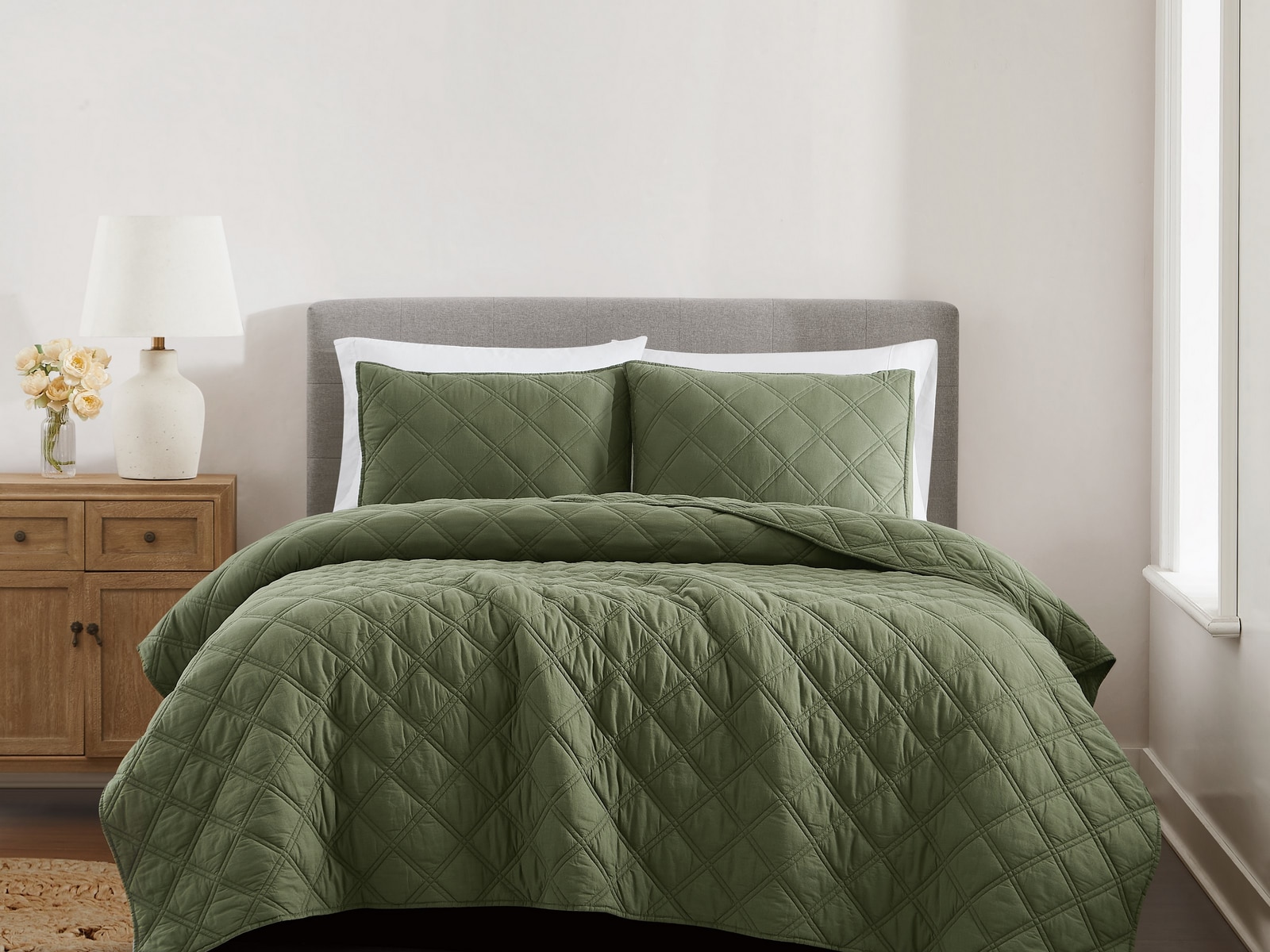
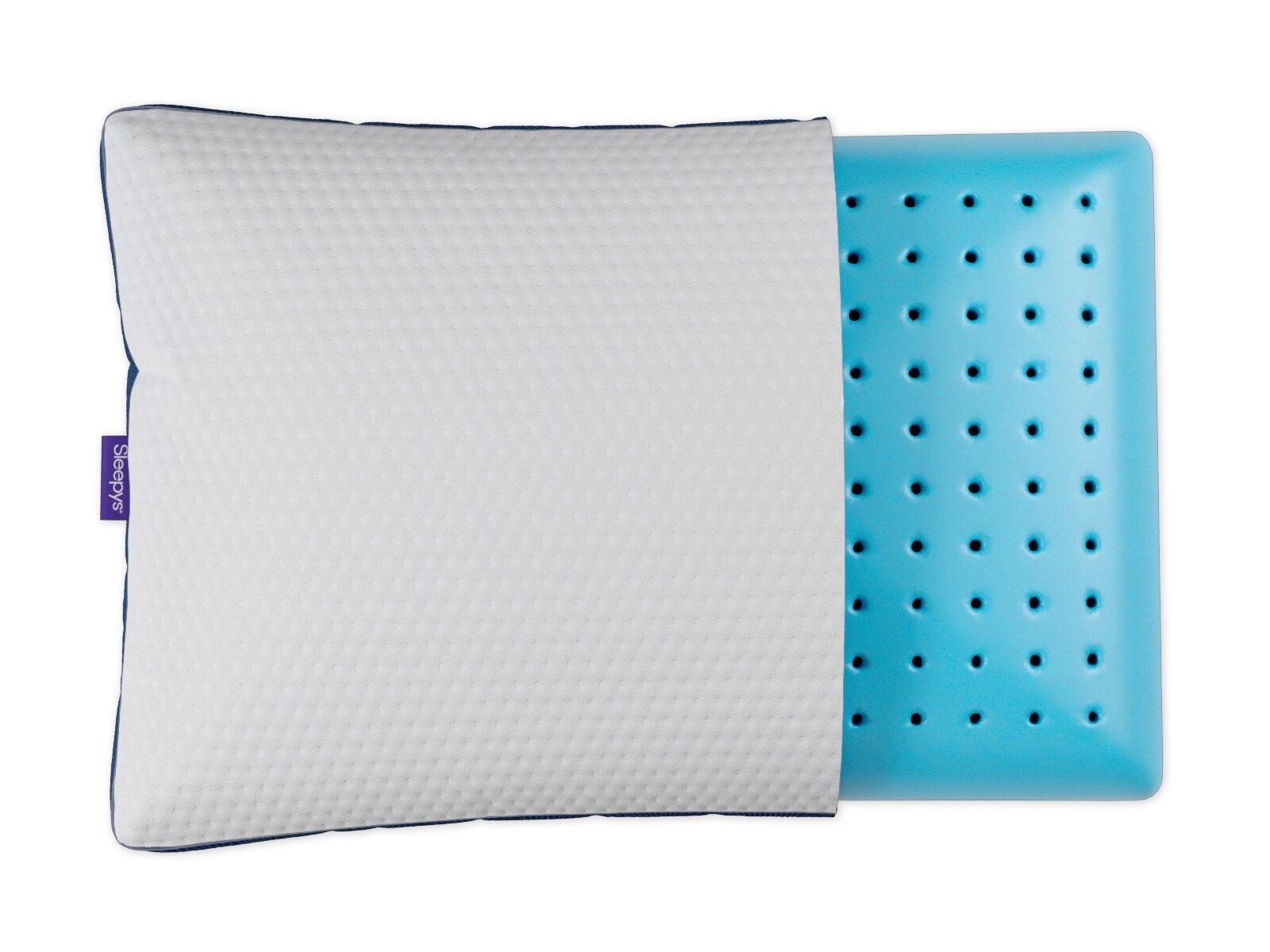
Comfy bed accessories add softness, support and protection to the sleep surface, helping a bed feel more inviting without changing the mattress itself. Pillows, sheets, mattress toppers and protective layers each serve a different purpose, so a comfortable setup starts with how the bed is used and what feels missing. A pillow that collapses beneath the head calls for a different adjustment than a fitted sheet that slips free at the corners. For side sleepers, pillow height and resilience matter because the space between the head and mattress is often greater than it is for back sleepers. Back sleepers may prefer a moderate profile that supports the head without pushing it forward, while stomach sleepers often find a lower profile more comfortable. These are starting points rather than fixed rules; shoulder width, mattress feel and personal preference all affect the fit. The same principle applies to mattress toppers. A cushioning layer can soften a surface that feels too firm, while a more responsive material may make repositioning feel easier than a deeply contouring one. Memory foam tends to respond gradually to pressure, latex generally has a springier feel and fiber-filled layers offer a lofted, quilted sensation. Construction and thickness influence the result as much as the material name. A thicker topper also changes the height of the bed and the depth needed for fitted sheets, which matters when getting into bed or keeping bedding neatly in place. Added cushioning cannot correct a sagging mattress or repair a damaged support system, but it can adjust the feel of a mattress that is otherwise in good condition. For someone who reads against the headboard before sleep, supportive pillows may be as useful as a softer top layer. For someone who changes positions frequently, bedding that stays anchored and allows easy movement can make the bed feel more comfortable throughout the night.
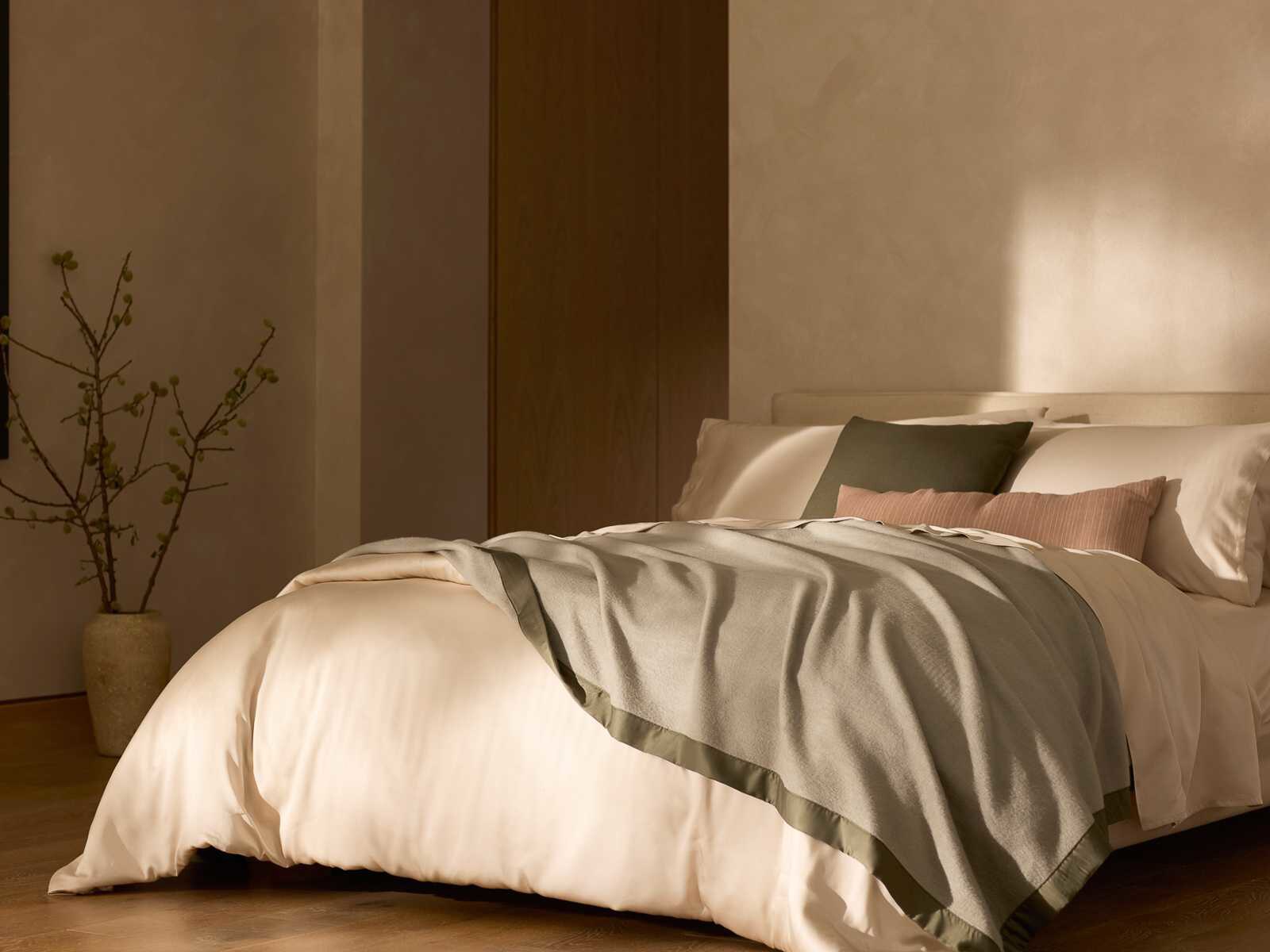
Fabric is often the first detail noticed when settling into bed: the crisp fold of a sheet, the smooth surface of a pillowcase or the textured edge of a blanket within reach. Cotton can offer a soft, breathable feel, though its texture varies with fiber quality and construction. Percale typically feels crisp and matte, while sateen usually has a smoother surface and a subtle sheen. Linen has a more textured hand and a relaxed appearance that often becomes softer with laundering. Polyester fabrics can be lightweight and easy to care for, with performance depending on the weave, finish and overall construction. Blends combine characteristics of more than one fiber, so the full fabric label tells more than a single material claim. Thread count alone does not establish softness or durability; yarn quality, weave and finishing also shape how sheets feel and hold up. Fit deserves just as much attention as fabric. A mattress labeled queen needs bedding sized for its actual dimensions, but mattress depth is equally important when selecting a fitted sheet or protector. Pillow-top construction, a topper and other layers all contribute to the total height the fitted corners must accommodate. Pocket-depth measurements and the maker’s fit range help distinguish a snug fit from one that pulls loose or leaves excess fabric bunching beneath the sleeper. Pillowcases should also match both the dimensions and fullness of the pillow, allowing it to keep its intended shape without tight compression. Protective layers have a separate role from cushioning: a mattress protector helps shield the surface from everyday contact, while a topper primarily changes feel. Waterproof protection and water resistance are not interchangeable, and the label should explain the level of protection intended. Secure elastic, smooth seams and closures that stay neatly tucked away are small construction details with a noticeable effect on everyday comfort. Together, these details help the bed feel thoughtfully put together rather than simply covered with more layers.
Lasting comfort also depends on how easily bed accessories fit into an ordinary laundry routine. Machine-washable bedding can simplify regular care, but the instructions for washing, drying and stain treatment still vary by material and construction. Some pillows can be washed as a whole, while others have removable covers or require spot cleaning. Foam layers often need a different approach from washable fabric covers, and soaking a material that is not designed for it can affect its condition. Care labels provide the clearest direction for keeping each layer clean without compromising its shape, finish or protective backing. Allowing washable pieces to dry completely before returning them to the bed helps avoid lingering moisture. Durable bedding is not necessarily the heaviest or thickest; even stitching, securely finished edges and fabric suited to frequent handling can matter more in daily use. An extra sheet set makes it easier to remake the bed while another set is being washed, especially in a busy household or a guest room that needs a quick reset between visitors. For shared beds, separate pillows can accommodate distinct comfort preferences without requiring every layer to match. A neatly folded blanket at the foot of the bed also gives someone a layer for lounging without disturbing the whole arrangement. These practical touches make comfy bed accessories useful for first apartments, shared homes and thoughtfully prepared guest spaces. They can also make considerate housewarming or wedding gifts when the recipient’s bed size, fabric preferences and care habits are known. Pillows and toppers tend to be more personal choices because their feel directly affects how someone rests. When refreshing an established bedroom, exploring
New Bed Accessories can help connect those everyday needs with the finishing touches that make a bed feel complete. The most useful combination is one that feels comfortable against the skin, fits securely and remains manageable to care for night after night.