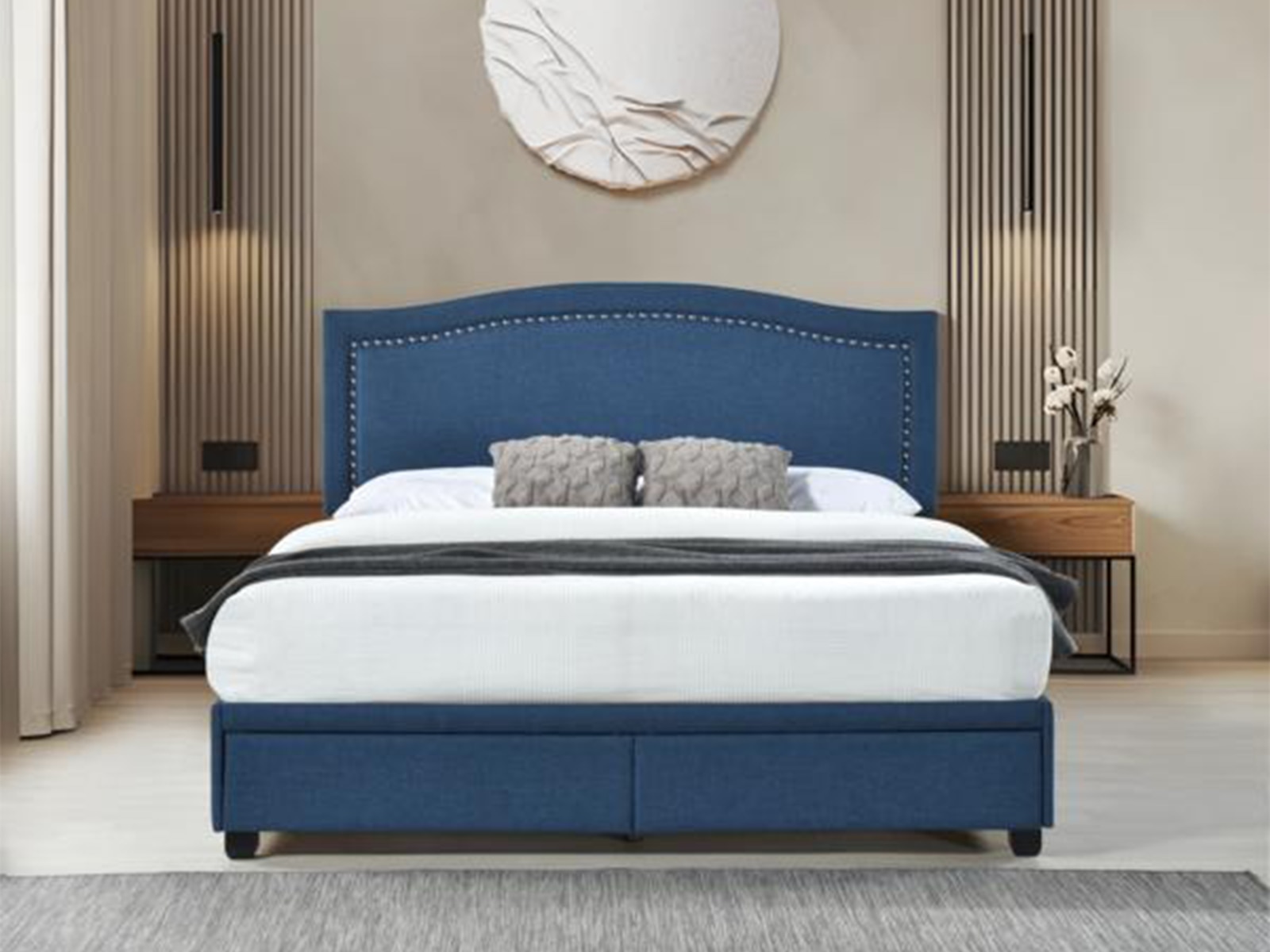
Contemporary storage beds combine clean lines, modern finishes and built-in compartments to make the space beneath a mattress useful. Instead of leaving that area open, these bed frames incorporate drawers, lift-up platforms or a combination of enclosed and open storage. The result is a bedroom centerpiece that can hold extra bedding, folded clothing and other essentials without adding another freestanding cabinet. That extra capacity can be especially useful in an apartment bedroom, a shared room or a guest room where closet space also serves other purposes. The storage layout makes a meaningful difference in everyday use. Side drawers offer convenient access when there is open floor space along the bed, while foot-end drawers can work well when nightstands occupy much of the space near the headboard. A lift-up platform provides access to a larger compartment beneath the mattress, which can suit bulky blankets or spare pillows that do not need to come out every day. Visually, contemporary designs tend toward simple silhouettes, restrained hardware and surfaces that feel cohesive rather than heavily decorated. Upholstered frames can soften the room with woven fabric, subtle texture or a padded headboard, while wood and wood-look finishes bring definition through grain, color and proportion. Metal details can add contrast without making the frame feel ornate. A low-profile shape may help a compact room feel more open, although the overall footprint still matters more than appearance alone. A substantial headboard can create a comfortable-looking focal point, while a simpler panel leaves more visual room for artwork or patterned bedding. Rounded corners, recessed pulls and drawers that sit flush with the frame support the streamlined look. Whether the room feels calm and minimal or layered with personal touches, the most useful design brings together a style that belongs in the space and storage that is easy to reach.
Fit involves more than choosing a mattress size. A contemporary storage bed needs room for its frame, headboard and storage mechanisms, so its exterior dimensions can extend noticeably beyond the mattress itself. In a narrow bedroom, a drawer that opens toward a dresser may have very little usable clearance even when the bed fits comfortably against the wall. Nearby doors, bedside tables, floor-length curtains and thick rugs can also affect how easily compartments open. For two people sharing a bed, access from both sides may be more practical than a layout that requires one person to move around furniture to reach everyday belongings. Mattress compatibility deserves equal attention. Some storage beds use a platform with slats or a solid support surface, while others have different foundation requirements; the correct setup depends on the frame and mattress specifications. Adding a box spring where one is not required can raise the sleep surface enough to change the headboard’s proportions or make getting into bed less comfortable. Mattress thickness also affects how much of an upholstered headboard remains visible. With lift-up designs, the mattress weight needs to fall within the mechanism’s stated operating range so the platform functions as intended. An adjustable base should not be assumed to fit inside a storage frame, since drawers, support rails and lifting hardware may occupy the same space. Construction details help distinguish a frame designed for regular use: secure connections, well-supported mattress rails and drawers that move smoothly all contribute to a more stable setup. Solid wood, engineered wood, metal and upholstery each bring different qualities, but material names alone do not establish durability. Joinery, support placement, hardware quality and stated weight limits are important parts of the picture. For a bed used every night, accessible hardware and clear care information can be just as valuable as the finish or headboard shape.
The best storage arrangement reflects what actually needs a home. Shallow drawers can keep folded sheets, pillowcases and lightweight clothing organized, while deeper compartments are better suited to larger textiles. Dividers or low-profile fabric organizers can help smaller belongings stay together without interfering with drawer movement. Frequently used bedding is easiest to manage in a compartment that opens without shifting a bench or moving a nightstand; less-used linens can occupy areas that take a little more effort to access. Even generous storage has limits, and overfilling a drawer can strain its hardware or keep it from closing flush with the frame. Belongings should stay clear of hinges and lift mechanisms, and children should never climb into enclosed storage spaces. Clean, thoroughly dry textiles are better suited to closed compartments than damp laundry, which can introduce moisture and odors. Care for the outside of the bed depends on its materials. Upholstery benefits from regular vacuuming with an appropriate attachment, especially along seams and the edges of a padded headboard. Spills should be handled according to the fabric’s care instructions rather than with an untested cleaner. Wood and wood-look surfaces generally need gentle dusting and cleaning methods approved for the finish, without excess moisture. Periodic checks of fasteners, drawer tracks and moving parts can help catch looseness or obstructions before they affect everyday use. Felt pads or other manufacturer-approved floor protection may also help reduce marks beneath the frame. For a related take on integrated bedroom storage, explore
Platform Beds With Storage For Summer Bedrooms. Across different room layouts, the appeal remains practical: a bed that gives extra sheets and blankets a defined place while keeping its overall appearance uncluttered. Thoughtful proportions, suitable mattress support and storage that matches daily routines make contemporary storage beds useful long after the room’s decorative accents change.