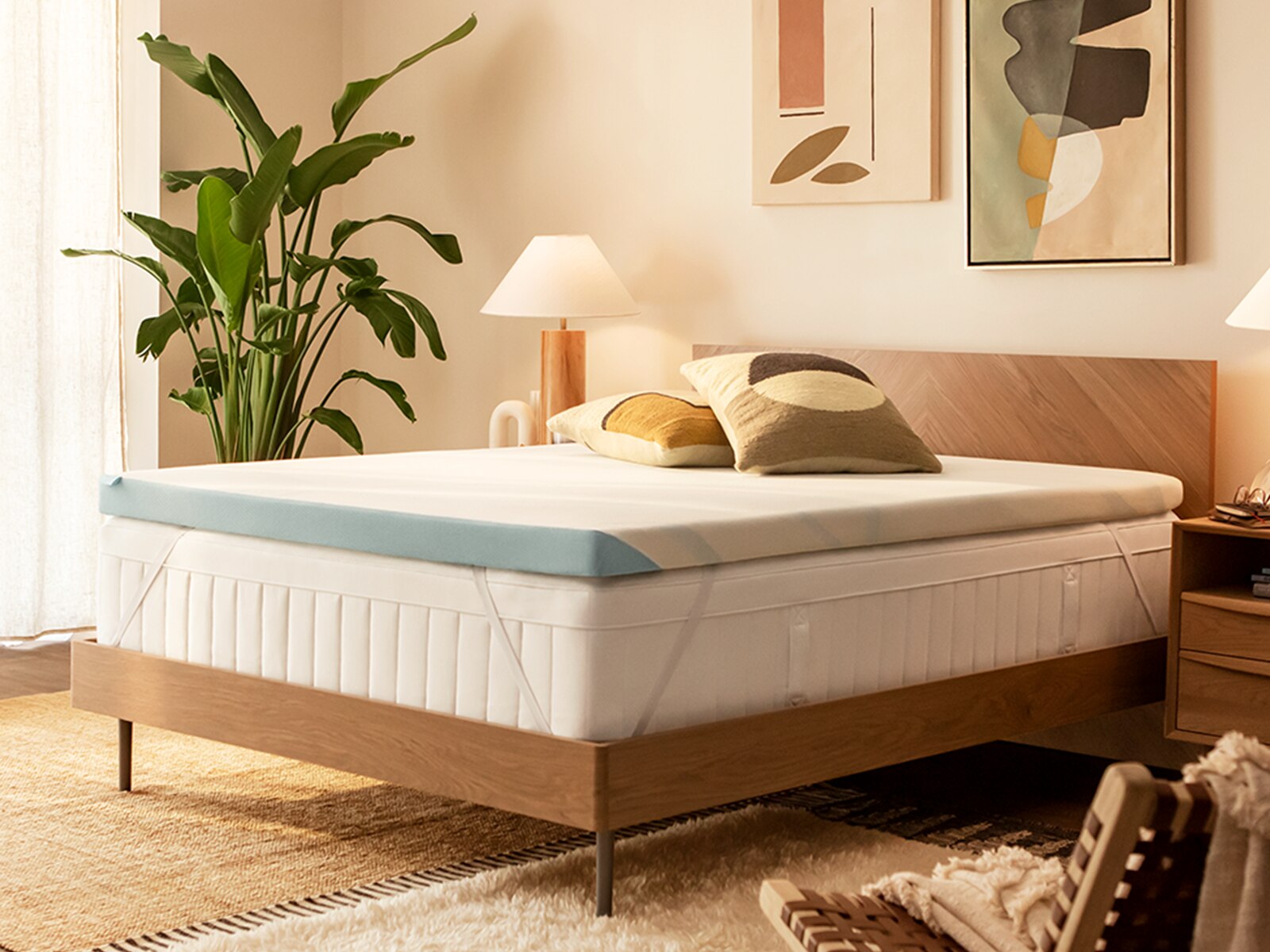
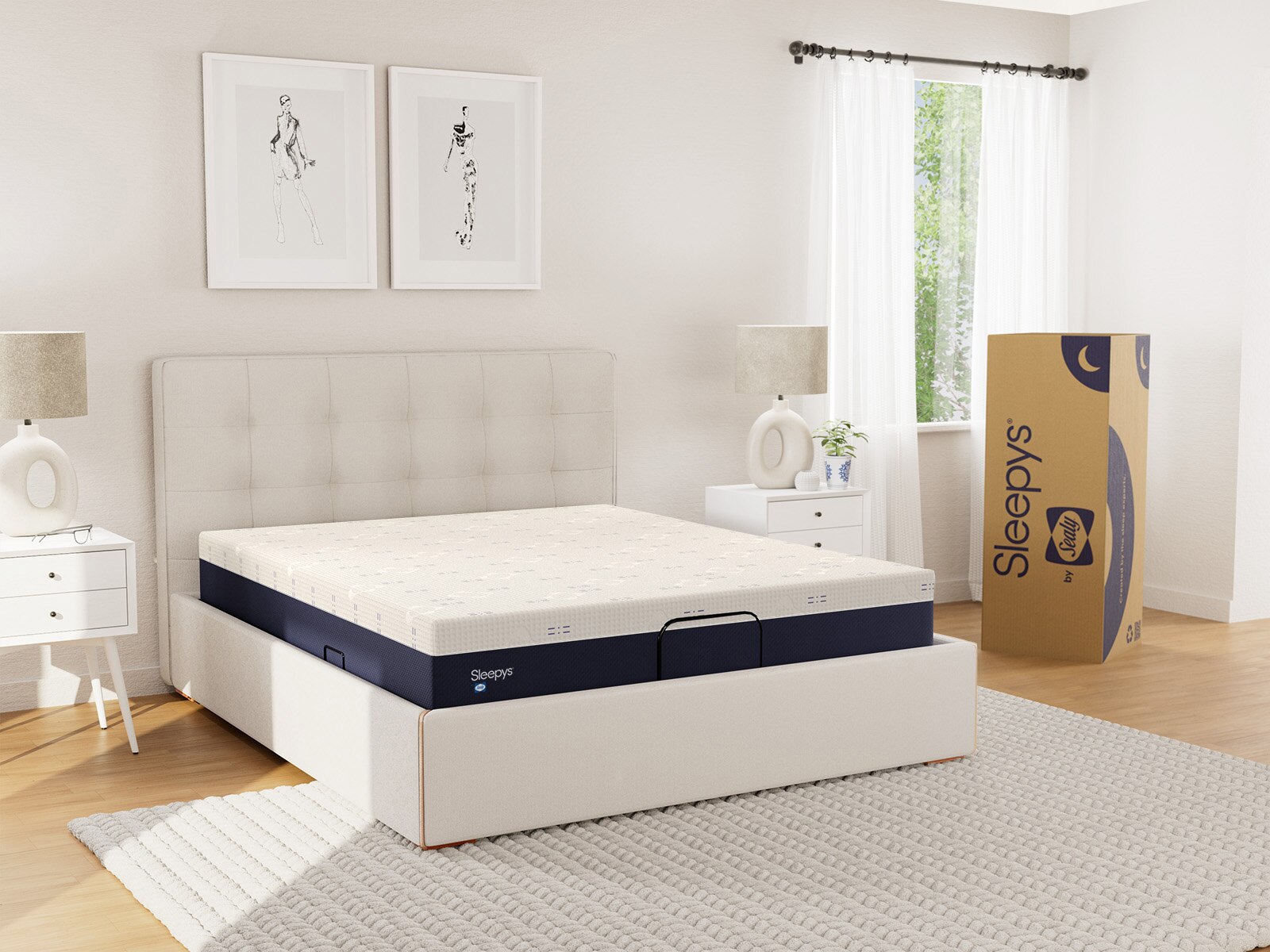
A cooling mattress cover adds a breathable layer between the mattress and fitted sheet, helping manage warmth and moisture at the sleep surface without necessarily changing the feel of the bed. It can be a useful choice for someone who wakes with a damp back, feels heat building beneath their shoulders or shares a bed with a partner who prefers a different level of warmth. Cooling covers work in different ways: some encourage airflow through lightweight fabrics, some move moisture away from the skin and others use materials designed to absorb and release heat. Cotton can provide a soft, breathable surface, while lyocell and bamboo-derived viscose are often used for their smooth feel and moisture-management properties. Performance fabrics may combine several fibers to balance softness, stretch and drying speed. The fabric name alone does not establish how cool a cover will feel; weave, thickness, backing and the layers above it all matter. Phase-change materials respond to heat by absorbing and releasing thermal energy within a particular temperature range, which can help moderate the feel of the surface. That effect has limits and is different from actively refrigerating a bed. A cool-to-the-touch finish may feel refreshing when first lying down, but that initial sensation does not guarantee continuous cooling throughout the night. For sustained comfort, consider how readily the complete cover allows heat and moisture to move rather than focusing only on its first touch. The fitted sheet also plays a role because it sits between the sleeper and the cover. A breathable sheet can complement the surface, while dense bedding may reduce the benefit. Cooling mattress covers are generally intended as surface layers, not as a substitute for mattress support or a way to correct sagging. They can make sense for everyday bedrooms, shared beds and guest rooms where a lightweight, washable layer is welcome. The most useful choice balances cooling features with the level of cushioning and protection the bed actually needs, whether that means a barely noticeable layer or a lightly quilted surface with a little extra softness.
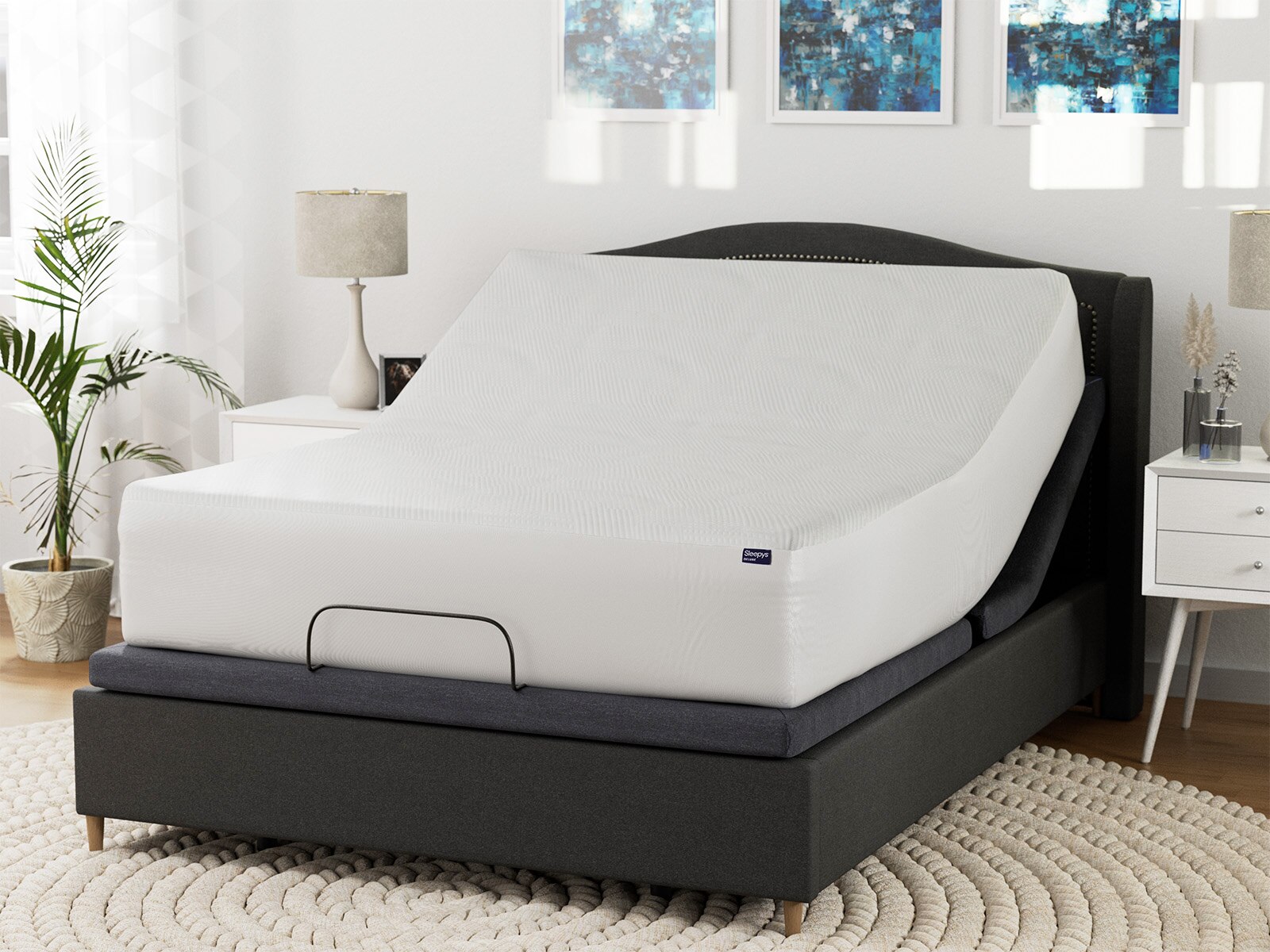
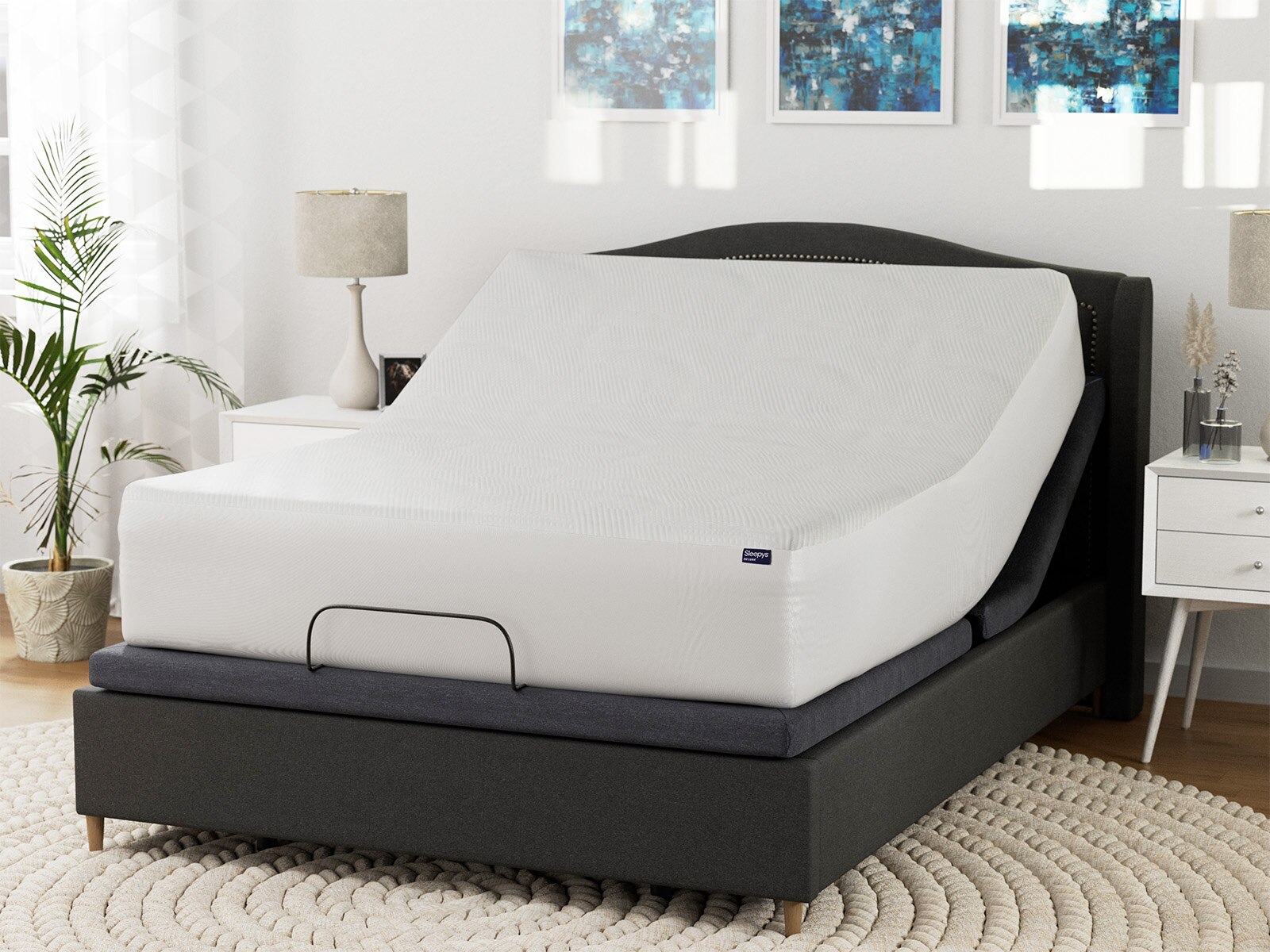
Fit deserves as much attention as fabric because a cover that bunches, slides or pulls at the corners can interrupt an otherwise comfortable night. Start with the mattress size and measure its full height, including any topper that will sit underneath the cover. A queen cover needs both the correct length and width and enough pocket depth to reach around the mattress without straining. Twin XL and California King have distinct dimensions, so checking the label is more reliable than choosing by appearance. Pocket depth varies by design; compare the stated fit range with the actual bed rather than assuming every deep-pocket cover will stay snug. Elastic around the entire edge can help hold a fitted style in place, while corner straps provide a different attachment method and may leave the sides exposed. Stretch in the skirt can accommodate movement, especially on an adjustable base, but the cover should still lie smoothly when the bed returns to a flat position. For split configurations, separate covers may be needed so each side can move independently. Construction also helps distinguish a mattress cover from neighboring bedding categories. A thin protector generally prioritizes protection with minimal cushioning, a quilted pad adds a modest comfort layer and a topper usually changes the surface feel more noticeably. Those terms sometimes overlap, making the construction details more useful than the name alone. Waterproof protection is worth considering for accidental drink spills, nighttime perspiration or a child’s bed. A breathable waterproof membrane can help limit liquid reaching the mattress, although its effect on airflow and feel depends on the material and design. Water-resistant fabric is not the same as a waterproof barrier, and a waterproof top panel does not necessarily protect the sides. Notice whether the underside feels flexible, whether seams sit flat and whether the fabric makes a rustling sound during movement. Someone who likes the mattress just as it is may prefer a smooth, low-profile cover, while a sleeper seeking a gentler surface may appreciate light padding, provided it does not hold more warmth than desired.
Care and durability shape how a cooling mattress cover performs over time, particularly when it is used every night. Check the washing instructions before choosing, including whether the cover fits comfortably in the washing machine and whether it requires air drying. A bulky quilted cover can be more difficult to wash thoroughly than a thin protector, and waterproof layers or cooling finishes may need specific handling. Follow the stated water temperature and drying settings rather than assuming hotter cycles provide better care. Excessive heat can damage some protective membranes, while bleach, fabric softener or other laundry additives may be unsuitable for certain fabrics and finishes. Allow the cover to dry completely before putting it back on the mattress, paying attention to seams and padded sections where moisture can linger. Keeping a second cover can make routine washing easier without leaving the bed unprotected while the first dries. Between washes, watch for stretched elastic, thinning fabric, separated backing or seams that no longer hold securely. Reinforced edges and even stitching are useful construction details, but proper laundering remains important to long-term performance. For sensitive skin, consider fabric texture and clearly described materials rather than assuming that a cooling claim also means a cover will be suitable for every sleeper. A smooth surface with unobtrusive seams may be more comfortable beneath a lightweight sheet than a heavily textured design. As a practical housewarming gift, a cooling cover is easiest to choose when the recipient’s mattress dimensions, pocket-depth needs and preference for waterproof protection are known. It can also suit a guest bed that needs straightforward care without substantial changes to its feel. If warmth seems to come from deeper in the bed, the
Smart Cooling Mattress collection is another place to explore when considering the complete sleep setup. A thoughtfully chosen cover works alongside the mattress, sheets and blankets, bringing together a secure fit, manageable care and surface comfort that suits the person sleeping on it.