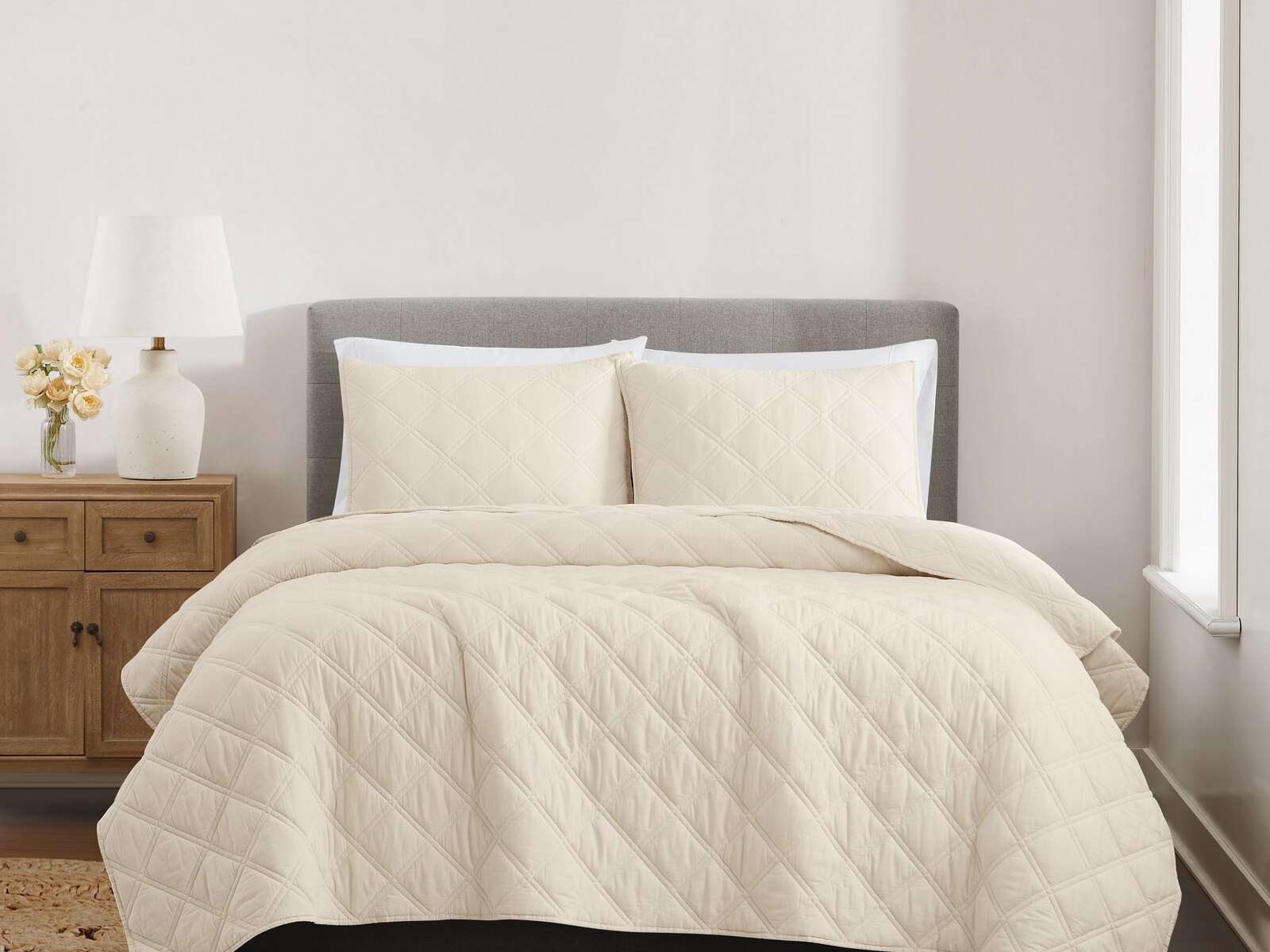
Cooling quilts for hot sleepers are designed to provide a comfortable layer of warmth without trapping the heavy, stuffy feeling that can make it difficult to settle down. They can be especially helpful for people who wake up overheated, experience night sweats or share a bed with someone who prefers a different sleep temperature. Unlike a fan or air conditioner, a cooling quilt cannot lower the temperature of the room, but its fabric, fill, weight and construction can influence how heat and moisture move around the body. A lightweight design may feel airy over a warm sleeper, while a quilted surface can help keep the fill evenly distributed instead of creating dense, insulated patches. Some cooling quilts use synthetic nylon or polyester blends engineered to create an immediate cool-to-the-touch sensation. Others rely on breathable natural or plant-based fibers such as cotton, bamboo-derived viscose or Tencel™ to absorb moisture and promote airflow throughout the night. Cotton gauze, percale and open textured weaves may feel especially comfortable when the weather is warm because they reduce the close, clingy sensation of a smooth, tightly packed layer. Puckered designs such as seersucker and waffle textures can also leave small spaces between the fabric and skin, allowing more air to circulate as you change positions. For shoppers comparing cooling claims, a Q-max rating can offer another point of reference. This measurement describes how quickly a fabric draws heat away when it first touches the skin, and a value above 0.4 is often associated with a noticeably cool initial feel. That immediate chill is different from all-night breathability, so it is worth considering both the sensation you enjoy when getting into bed and the way the quilt handles warmth and moisture after several hours of sleep.
The best cooling quilt depends on the sleeper, the room and the rest of the bedding. Hot sleepers who want the most noticeable cool touch may prefer a smooth technical cover, while someone who dislikes slick fabrics may feel more at ease with washed cotton, bamboo-derived fibers or a softly textured weave. Fill weight matters as much as fiber content. A thin, airy quilt is often a practical choice for warm rooms, upper floors and sleepers who tend to kick off heavier layers, while a slightly fuller option may work better in a home that becomes cooler during the night or in the transition from warmer weather to the cooler months. If two people share a bed, look for a generously sized quilt that can provide coverage without requiring one person to pull it away from the other. Twin and twin XL quilts suit individual sleepers, guest rooms and dorm-style spaces, while queen and king sizes are common choices for shared beds. California King bedding requires a specifically sized quilt for an even drape across the longer mattress. These quilts can also make thoughtful gifts for a college student setting up a first room, a loved one who often wakes up sweaty or a host preparing a more comfortable guest space. They are useful beyond the peak of summer as well: a breathable quilt can serve as a standalone layer when the weather is warm, then pair with a sheet or light blanket when evenings become cooler. Consider the recipient’s habits before choosing a texture or warmth level. A restless sleeper may appreciate a lighter layer that moves easily, while someone who likes a tucked-in, layered bed may prefer a quilt with enough weight to stay in place. Shoppers interested in a different natural-fiber feel can also explore
Cotton Quilts For Hot Sleepers for breathable options suited to warm sleepers.
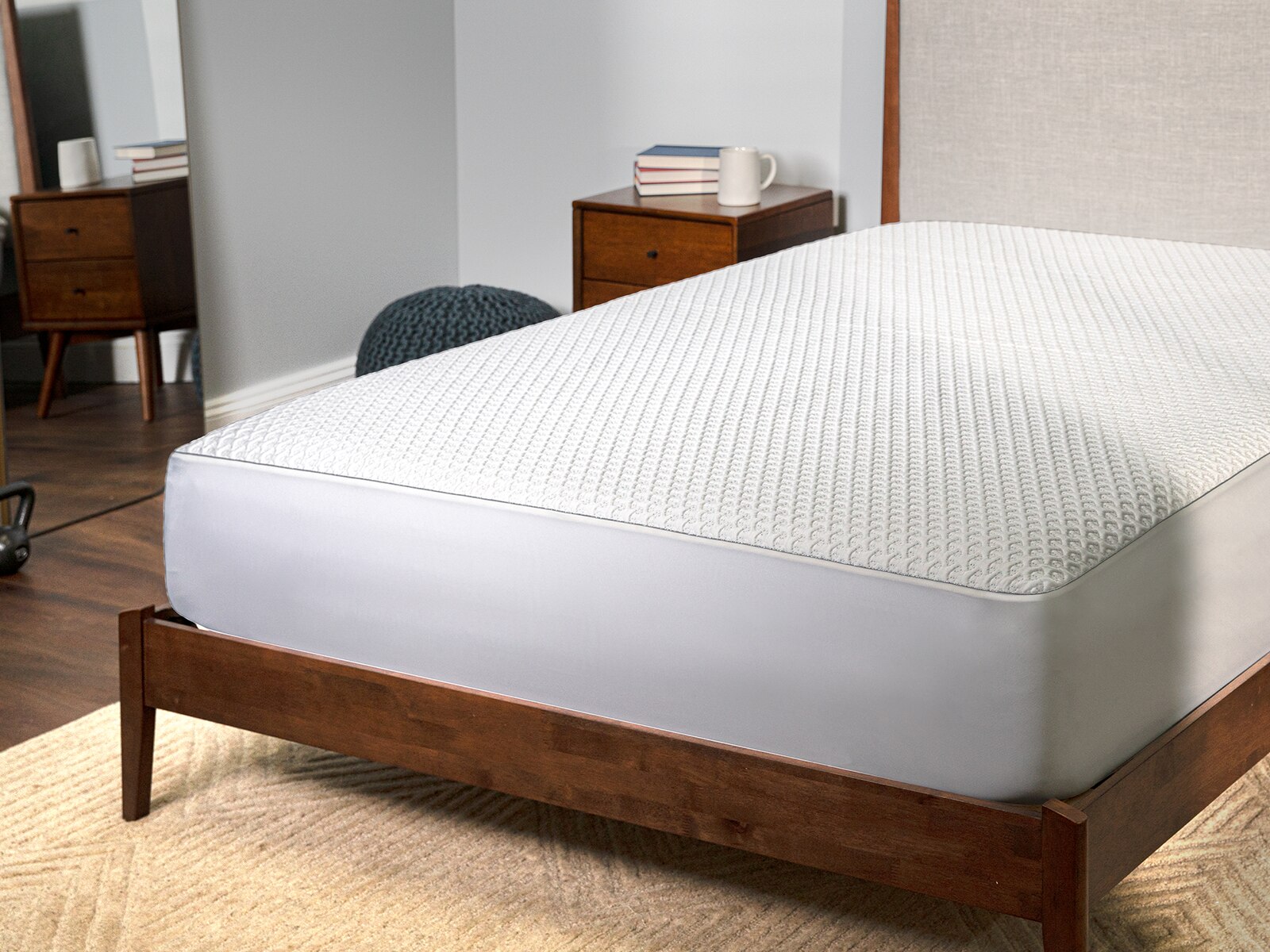
Proper care helps preserve the fibers and finishes that give a cooling quilt its comfortable feel. Always check the sewn-in care label first, since construction, trim and fill can affect washing instructions. In general, use a cold, gentle cycle with a mild detergent and avoid liquid fabric softener and dryer sheets. These products can coat moisture-wicking fibers, reduce absorbency and leave behind residue that changes the way the fabric feels against the skin. Give the quilt enough room to move freely in the washer rather than compressing it into a small load, and use a large-capacity machine or professional cleaning service when the care instructions call for it. Tumble dry on low or delicate heat, or line dry when recommended, then remove the quilt promptly to help limit wrinkles and protect specialized cooling yarns. Make sure it is fully dry before placing it on the bed, particularly around stitched channels where moisture can linger. A breathable sheet, moisture-wicking sleepwear and a mattress protector that does not add excessive insulation can complement the quilt and create a more balanced sleep environment. It also helps to keep the room comfortable, leave space around the bed for airflow and avoid piling on layers simply because the calendar has changed. During the cooler months, store a lighter cooling quilt folded loosely in a dry, well-ventilated area when it is not in use rather than sealing it while damp or compressing it for long periods. With the right combination of material, weight and care, a cooling quilt can make the bed feel fresher and less restrictive, helping hot sleepers stay covered comfortably from the first warm evening through changing seasonal temperatures.